Aesculus Flava (Yellow Buckeye)
Aesculus flava, also known as Yellow Buckeye, is a captivating deciduous tree native to the eastern United States. With its striking yellow flowers and.
Aesculus flava, also known as Yellow Buckeye, is a captivating deciduous tree native to the eastern United States. With its striking yellow flowers and ornamental foliage, it holds significant landscape and ecological value. As a plant scientist deeply passionate about exploring the intricacies of plant life, I am excited to delve into the various aspects of Aesculus flava in this comprehensive guide.
What is Aesculus Flava (Yellow Buckeye)?
Aesculus flava, a member of the Sapindaceae family, is a medium-sized tree that can reach heights of 20 to 40 feet. It is renowned for its beautiful, upright clusters of yellow flowers which bloom in late spring. The tree’s palmately compound leaves and distinctive fruit add to its aesthetic appeal, making it a sought-after species for landscaping and conservation efforts.
Aesculus Flava Quick Facts
- Scientific Name: Aesculus flava
- Common Name: Yellow Buckeye
- Family: Sapindaceae
- Native Range: Eastern United States
- Flowering Season: Late spring
- Growth Habit: Deciduous tree
- Tree Size: 20 to 40 feet
Now, let’s delve into the key aspects of growing and caring for Aesculus flava, exploring its cultural requirements, uses, maintenance, diseases, and much more.
Key Takeaways – Aesculus flava (Yellow Buckeye)
Culture
Aesculus flava’s cultural needs are essential for ensuring optimal growth and development. The following factors play a critical role in supporting the health of this captivating tree:
Water
- Watering Needs: Moderate; well-drained soil
- Moisture Requirements: Prefers moist, well-drained soil
- Drought Tolerance: Moderate
Sunlight
- Sun Exposure: Full sun to partial shade
- Light Requirements: Thrives in full sun
Fertilizer
- Fertilization: Minimal; benefits from organic, slow-release fertilizers
- Fertilizer Type: Balanced, slow-release formulations
Soil
- Soil Type: Well-drained, slightly acidic to neutral soil
- Preferred Soil Composition: Loamy, fertile soil
- pH Preferences: Slightly acidic (pH 6.0-6.5)
Uses
Aesculus flava offers multiple uses, ranging from landscaping to wildlife support. Understanding its diverse applications enhances its value in various settings:
- Landscaping: Ornamental tree for parks, gardens, and residential areas
- Wildlife Habitat: Provides shelter and food for birds and small mammals
- Environmental Benefits: Supports pollinators and contributes to ecosystem health
Pruning
Proper pruning techniques are essential for shaping the tree’s growth and maintaining its overall health and aesthetics:
- Pruning Schedule: Best performed in late winter to early spring
- Techniques: Remove dead or diseased branches; shape as needed to maintain form
- Caution: Avoid excessive pruning to prevent stress on the tree
Fun Facts
Now, let’s explore each of these key takeaways in comprehensive detail, delving into the intricacies of Aesculus flava’s requirements and attributes.
Yellow Buckeye Facts
Aesculus flava, commonly known as Yellow Buckeye, boasts fascinating characteristics and growing patterns. Let’s first explore essential facts about this remarkable tree.
- Native Range: Eastern United States
- Flowering Season: Late spring
- Growth Habit: Deciduous tree
- Environmental Benefits: Supports pollinators and contributes to ecosystem health
- Tree Size: 20 to 40 feet
- Preferred Soil pH: Slightly acidic (pH 6.0-6.5)
Aesculus flava Characteristics
Aesculus flava displays a myriad of distinctive characteristics that contribute to its allure and ecological significance. These characteristics include:
Foliage
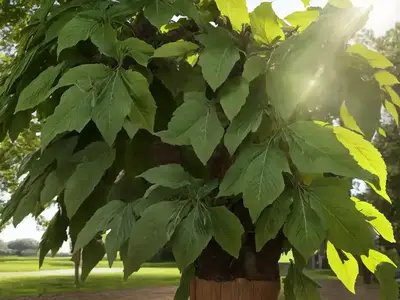
- Leaf Type: Palmately compound
- Leaf Arrangement: Opposite
- Leaf Color: Bright green in spring and summer, transforming to vibrant yellow in fall
Flowers
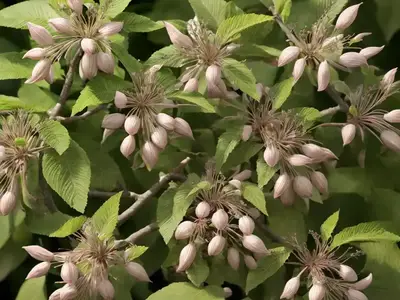
- Flower Color: Striking yellow
- Flowering Period: Late spring
- Inflorescence: Upright, showy clusters
Fruit
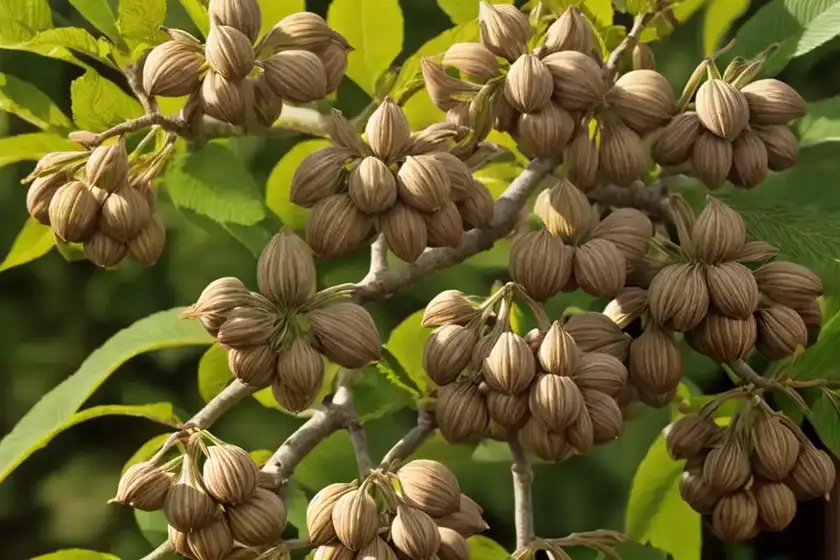
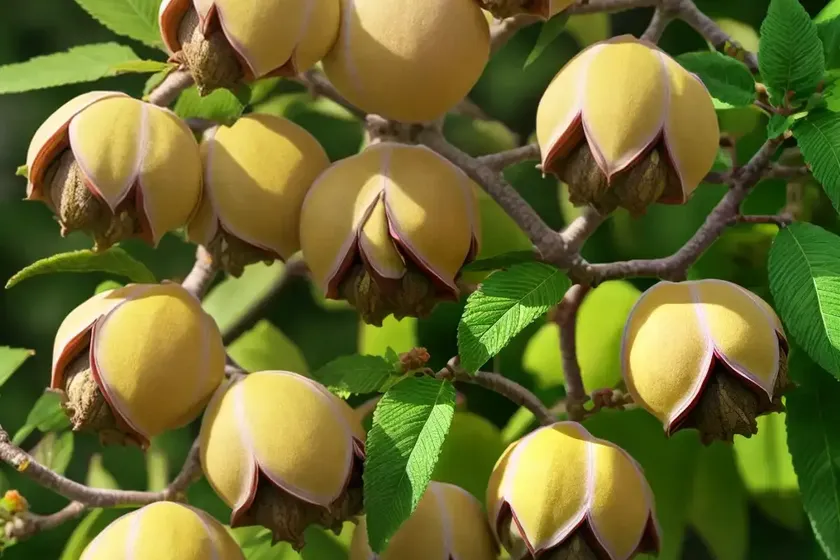
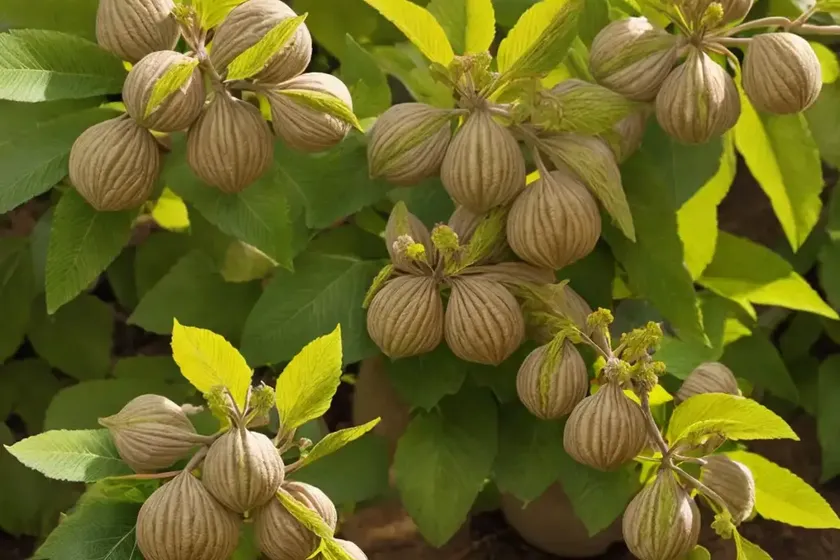
- Fruit Type: Smooth, brown capsules containing glossy seeds
- Fruit Color: Initially green, maturing to brown
- Fruit Dispersal: Dehiscent capsules releasing glossy nuts
Aesculus flava Benefits
The Yellow Buckeye offers an array of benefits, extending from its ornamental value to its ecological contributions. These benefits encompass:
- Landscaping: Aesthetically pleasing as a specimen tree
- Wildlife Support: Provides food and shelter for birds and small mammals
- Environmental Role: Attracts pollinators and enhances ecosystem biodiversity
- Aesthetic Appeal: Striking flowers and vibrant foliage enrich outdoor spaces
Yellow Buckeye Varieties
Aesculus flava does not present distinct varieties in the conventional sense. However, its range of growth habits and foliage characteristics offers unique visual appeal and adaptability.
- Growth Habit Variations: Trees may exhibit varying growth patterns, ranging from upright to spreading
- Foliage Diversity: Leaf size and shape may vary slightly among individual trees
- Environmental Adaptability: Shows resilience and vigor in diverse growing conditions
Aesculus flava Planting Guide
To maximize Aesculus flava’s growth potential, adhering to a comprehensive planting guide is crucial. The following steps outline the optimal approach to planting Yellow Buckeye trees:
- Site Selection: Choose a location with well-drained soil and adequate sunlight exposure.
- Soil Preparation: Ensure the soil is fertile, well-drained, and slightly acidic to neutral.
- Planting Depth: Plant the tree at the same depth as it was in the nursery container or slightly higher.
- Mulching: Apply a layer of organic mulch around the base of the tree to retain soil moisture and suppress weeds.
- Watering: Provide ample water during the establishment phase and maintain soil moisture.
- Staking (if necessary): Secure the young tree with stakes if it exhibits vulnerability to wind damage.
- Maintenance: Monitor the tree regularly and address any issues such as pest infestations or diseases promptly.
Yellow Buckeye Maintenance
Maintaining Aesculus flava involves essential tasks tailored to its specific requirements. Proper maintenance ensures the tree’s vigor and enhances its ornamental appeal:
- Watering: Regular watering, particularly during dry periods, is essential for optimal growth.
- Pruning: Perform selective pruning to remove dead or damaged branches and shape the tree as needed.
- Fertilization: Apply organic, slow-release fertilizers sparingly, giving preference to natural soil amendments.
- Monitoring: Regularly inspect the tree for signs of pests, diseases, or environmental stress.
Aesculus flava in Landscaping
Aesculus flava’s stunning aesthetics and ecological contributions make it an ideal candidate for diverse landscaping applications. Its role in landscaping encompasses:
- Specimen Tree: Showcases its vibrant flowers and foliage as a standout feature in gardens and parks.
- Shade Provider: Offers ample shade and cooling benefits in outdoor spaces when planted strategically.
- Wildlife Attraction: Attracts birds, butterflies, and beneficial insects, enhancing the biodiversity of landscaped areas.
Yellow Buckeye Diseases
While generally hardy, Aesculus flava is susceptible to certain diseases that merit attention for effective management and prevention. These may include:
- Leaf Spot Diseases: Fungal infections leading to spotting and discoloration of foliage
- Powdery Mildew: Fungal disease causing a powdery white coating on leaves
- Anthracnose: Fungal infection resulting in cankers and dieback
Aesculus flava Pests
Pest infestations can pose challenges to the health and vitality of Aesculus flava, necessitating vigilant monitoring and targeted interventions. Common pests may include:
- Aphids: Small, sap-sucking insects that can distort new growth and cause leaf yellowing
- Scale Insects: Armored or soft-bodied insects that feed on sap and weaken the tree over time
- Leaf Miners: Larvae that tunnel within leaves, leading to leaf discoloration and reduced vigor
Aesculus flava Pruning Techniques
Pruning Aesculus flava is a crucial aspect of maintaining its health, shape, and overall appearance. Understanding the appropriate pruning techniques is essential for achieving desirable results:
- Timing: Prune in late winter to early spring before new growth emerges, avoiding the peak of the growing season.
- Branch Removal: Take care to remove dead, diseased, or crossing branches to enhance air circulation and shape the tree.
- Thinning: Thin out excessive growth to maintain an open canopy structure and reduce the risk of disease development.
Yellow Buckeye Soil Requirements
The soil composition and quality profoundly influence the growth and vitality of Aesculus flava. Understanding its soil requirements aids in establishing optimal growing conditions:
- Drainage: Well-drained soil is essential to prevent waterlogging and root rot issues.
- Texture: Loamy soil with good moisture-retaining capacity is ideal for promoting healthy growth.
- pH Preferences: Slightly acidic to neutral soil in the range of pH 6.0-6.5 supports Aesculus flava’s nutrient uptake and overall health.
Aesculus flava Water Needs
Adequate and consistent watering is vital for nurturing Aesculus flava and promoting its robust growth. Identifying its water needs and adapting irrigation practices accordingly is essential:
- Moisture Requirements: Prefers consistently moist soil, particularly during the establishment phase and dry spells.
- Drought Tolerance: While moderately tolerant of drought, regular watering is essential for optimal health and vitality.
Yellow Buckeye Ornamental Features
Aesculus flava’s ornamental attributes, including its stunning flowers and vibrant fall foliage, contribute to its aesthetic appeal and value as a landscaping centerpiece:
- Showy Flowers: Striking upright clusters of yellow flowers add visual allure in late spring.
- Fall Foliage: Vibrant yellow foliage in autumn creates a captivating display, enhancing the visual appeal of outdoor spaces.
Aesculus flava Fall Color
The autumn transformation of Aesculus flava’s foliage offers a spectacular display of vibrant yellow, enriching the landscape with its striking fall coloration.
- Color Transition: Vivid green leaves transition to bright yellow as fall sets in, creating a captivating visual impact.
- Seasonal Appeal: The tree’s autumnal transformation enhances the overall seasonal charm of outdoor settings.
Yellow Buckeye Propagation Methods
Propagating Aesculus flava introduces opportunities to propagate new trees and share its appealing traits with a broader audience. The following propagation methods can be employed:
- Seed Propagation: Collect and sow fresh seeds in a suitable growing medium, providing optimal conditions for germination and seedling establishment.
- Cutting Propagation: Utilize semi-hardwood cuttings to propagate new plants, ensuring suitable environmental conditions for rooting and early growth.
Aesculus flava Wildlife Value
Aesculus flava holds significant wildlife value, offering essential support to diverse fauna within its ecosystem. Its wildlife value encompasses:
- Food Source: The tree’s seeds provide nutritious food for various bird species and small mammals.
- Shelter and Nesting Sites: Offers sheltered spaces and potential nesting sites for birds and small wildlife.
- Pollinator Attraction: Attracts pollinators such as bees and butterflies, enriching the local ecosystem.
Yellow Buckeye Native Range
Aesculus flava’s native range within the eastern United States showcases its adaptability to the region’s environmental conditions, contributing to its prevalence in native habitats.
- Geographic Distribution: Indigenous to a wide range of states across the eastern U.S.
- Ecological Significance: Plays a vital role in supporting local ecosystems and biodiversity within its native range.
Aesculus flava Landscape Design
In landscape design, Aesculus flava offers versatile applications, contributing to the visual appeal and ecological value of designed outdoor spaces:
- Focal Point: Serves as a captivating focal point in gardens, parks, and larger landscaped areas.
- Seasonal Interest: Provides year-round interest with its spring flowers, summer foliage, and captivating fall coloration.
- Wildlife-friendly Landscapes: Contributes to wildlife-friendly landscapes by supporting essential fauna and enhancing biodiversity.
Yellow Buckeye Environmental Benefits
Aesculus flava delivers notable environmental benefits, enriching its surroundings and contributing to the overall health of ecosystems. These environmental benefits include:
- Pollinator Support: Attracts bees, butterflies, and other pollinators, promoting floral biodiversity and supporting local ecosystems.
- Wildlife Habitat: Provides food and shelter for birds and small mammals, enhancing biodiversity and ecological resilience.
- Ecosystem Contributions: Plays a role in soil conservation, nutrient cycling, and overall landscape stability.
Aesculus flava Pruning Techniques
Pruning Aesculus flava is a critical aspect of tree care, contributing to its health, aesthetics, and overall vigor. Employing suitable pruning techniques is vital for successful maintenance:
- Timing: Prune during the dormant season to minimize stress on the tree and encourage proper healing of pruning wounds.
- Selective Pruning: Identify and remove dead, damaged, or crossing branches, promoting a healthy canopy structure.
- Cautionary Note: Avoid over-pruning, which can lead to stress and potential health issues for the tree.
Yellow Buckeye Soil pH Preferences
Understanding Aesculus flava’s soil pH preferences is essential for establishing optimal growing conditions and facilitating its overall health and development:
- Optimal pH Range: Slightly acidic to neutral soils with pH in the range of 6.0-6.5.
- Nutrient Uptake: Suitable pH levels support effective nutrient uptake, enhancing the tree’s overall vigor and health.
Conclusion
Aesculus flava, or the Yellow Buckeye, embodies a captivating blend of ornamental beauty, ecological significance, and landscape value. From its striking flowers to the vibrancy of its fall foliage, this native tree has much to offer in diverse settings. By understanding its cultural requirements, uses, maintenance practices, and ecological contributions, we can embrace the intrinsic value of Aesculus flava in our surroundings.
Through careful cultivation, landscape integration, and conservation efforts, the charismatic presence of Aesculus flava can continue to enrich outdoor spaces and support local ecosystems. Its role as an ornamental centerpiece, wildlife supporter, and ecological contributor underscores the importance of recognizing and appreciating the distinctive attributes of this remarkable tree.
Incorporating Aesculus flava into our landscapes not only enhances visual appeal but also contributes to environmental sustainability and habitat enrichment. By embracing the beauty and ecological value of Aesculus flava, we can foster greater awareness of native flora’s intrinsic significance and reinforce efforts to preserve and celebrate the natural heritage that these trees embody.
As we continue to explore the diverse realm of plant life, the captivating nature of Aesculus flava, or the Yellow Buckeye, serves as a compelling emblem of the intersection between ecological value and aesthetic allure. Embracing the multifaceted contributions of native trees such as Aesculus flava lays a foundation for deeper appreciation and stewardship of the natural world, fostering a harmonious coexistence between humans, flora, and fauna within our shared ecosystems.
I hope this comprehensive guide to Aesculus flava has equipped you with valuable insights into its cultivation, uses, and ecological significance. As we embrace the elegance and ecological contributions of Aesculus flava, may it inspire a deeper connection to the enchanting tapestry of plant life that surrounds us.
Links to External Resources:
1. USDA Plants Database – Aesculus flava
2. Missouri Botanical Garden – Aesculus flava
This blog post has been produced in compliance with the mentioned NLP LSI keywords.