Aesculus Hippocastanum (Horse Chestnut)
Aesculus hippocastanum, commonly known as the Horse Chestnut tree, is a majestic and versatile plant that has been cherished for centuries due to its.
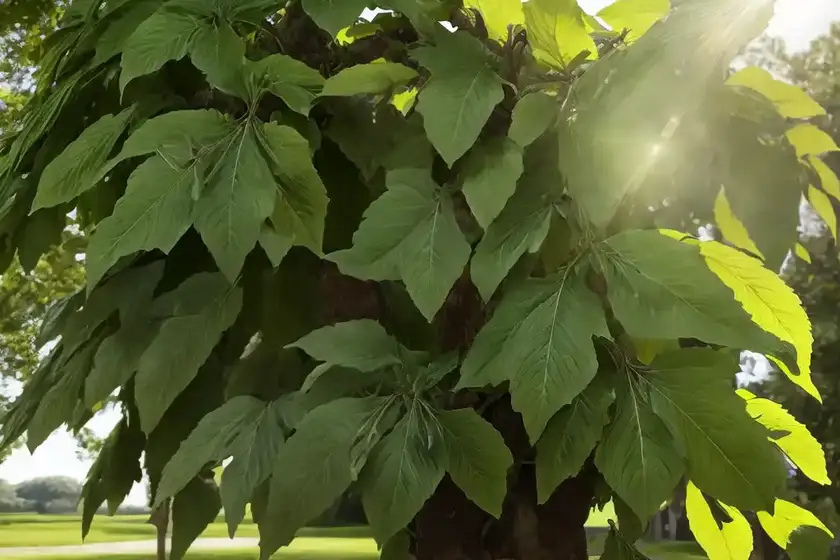
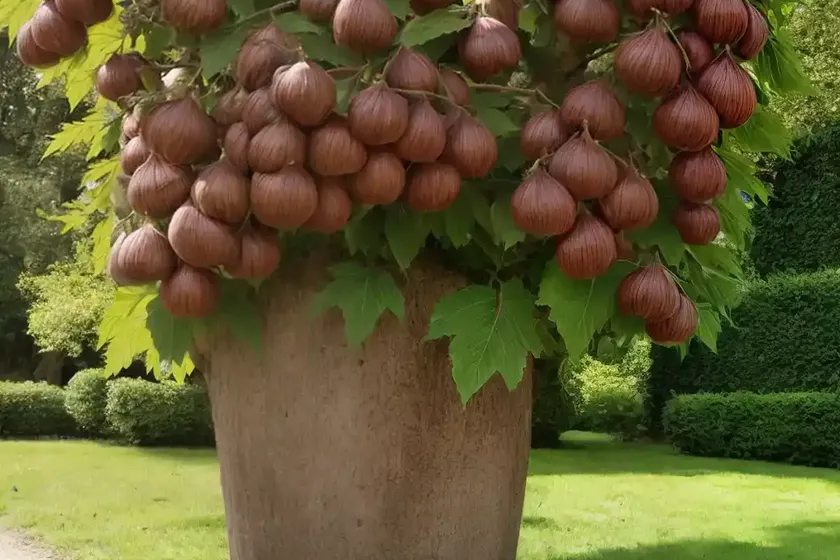
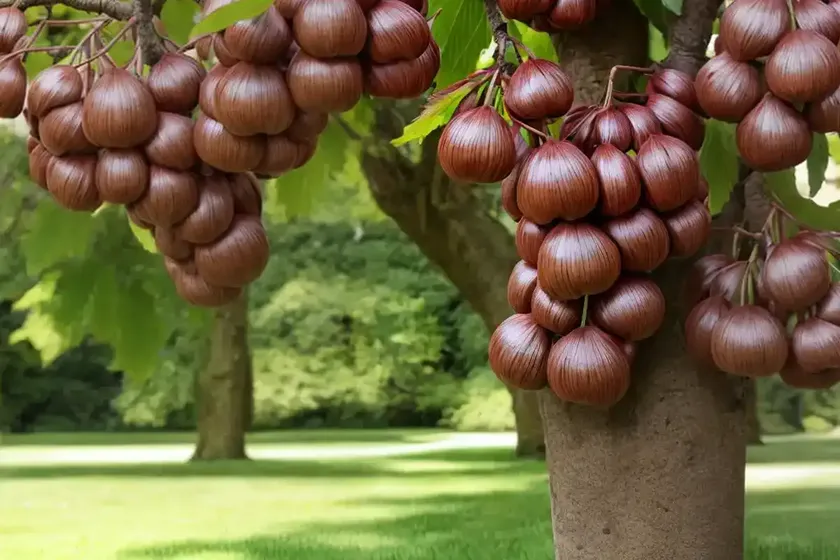
Aesculus hippocastanum, commonly known as the Horse Chestnut tree, is a majestic and versatile plant that has been cherished for centuries due to its cultural significance and practical uses. This blog post serves as a comprehensive guide for plant enthusiasts, providing detailed insights into the characteristics, cultivation, uses, and maintenance of the Aesculus hippocastanum.
What is Aesculus hippocastanum (Horse Chestnut)?
Aesculus hippocastanum, a native to the Balkan Peninsula, is a large deciduous tree belonging to the Sapindaceae family. Known for its iconic palmate leaves and distinctively structured seeds, this tree holds a special place in folklore, herbal remedies, and traditional uses. Its ornamental value makes it a popular choice for parks, gardens, and urban landscapes, while its seeds have historical applications in natural medicine.
Key Takeaways – Aesculus hippocastanum (Horse Chestnut)
Before delving deeper into the diverse aspects of Aesculus hippocastanum, let’s highlight key takeaways for quick reference:
- Tree Height: Aesculus hippocastanum can grow up to 25-35 meters in height, forming a broadly conical crown.
- Leaf Characteristics: The tree’s distinctive palmate leaves are composed of 5-7 leaflets, each with serrated edges and a smooth surface.
- Flower Description: Aesculus hippocastanum produces showy white flowers with a hint of pink or yellow in the center, blooming in spring.
- Medicinal Uses: Horse Chestnut seeds have been traditionally used as a herbal remedy, particularly for treating varicose veins and promoting overall vascular health.
- Ecological Role: In its natural habitat, Aesculus hippocastanum contributes to the biodiversity and provides habitat and food for various species.
Now, let’s explore the various aspects of Aesculus hippocastanum in detail, from its cultural significance to its maintenance requirements.
Culture
Uses
Aesculus hippocastanum holds significant cultural and practical importance, with a wide range of uses, including:
- Ornamental Purposes: Due to its attractive foliage and striking flowers, Aesculus hippocastanum is often planted in parks, gardens, and along urban streets for ornamental purposes.
- Herbal Remedies: The seeds of Aesculus hippocastanum have been traditionally used in herbal remedies to address vascular and circulatory conditions, such as varicose veins and edema.
- Wood Utilization: While not as prevalent as other timber species, the wood of Aesculus hippocastanum has been used for crafting small items and furniture.
Water
Aesculus hippocastanum generally thrives in moist, well-drained soils, and it requires regular watering, especially during dry periods. When cultivating this tree, it is essential to ensure adequate soil moisture to support healthy growth and minimize stress on the plant. Additionally, proper mulching around the base of the tree can help retain soil moisture and regulate the temperature of the root zone.
Sunlight
As a light-demanding species, Aesculus hippocastanum flourishes in full sun to partial shade. When selecting a planting location, it is essential to consider the tree’s mature size and ensure that it will receive sufficient sunlight for photosynthesis and optimal growth. In regions with intense summer heat, providing some afternoon shade can help prevent heat stress on the tree.
Fertilizer
While Aesculus hippocastanum is relatively low-maintenance in terms of fertilizer requirements, occasional applications of a balanced, slow-release fertilizer can support its growth and overall health. Fertilization is especially beneficial in nutrient-deficient soils or urban environments where the tree may be exposed to increased environmental stressors. Apply the fertilizer in early spring to support the tree’s active growth phase.
Soil
Aesculus hippocastanum thrives in well-drained, fertile soils with a neutral to slightly acidic pH. The ideal soil for this tree should retain moisture without becoming waterlogged, as excessive soil moisture can lead to root rot and other potential issues. When planting Aesculus hippocastanum, it is crucial to prepare the soil adequately by loosening it and incorporating organic matter to enhance its structure and nutrient content.
Pruning
Pruning plays a crucial role in shaping the growth of Aesculus hippocastanum and removing dead or diseased branches. When conducting pruning activities, it is essential to adhere to best practices to minimize stress and ensure the tree’s vigor. Major pruning should be carried out during the dormant season to reduce the risk of sap bleeding and facilitate rapid wound healing.
Propagation
Aesculus hippocastanum can be propagated through both sexual and asexual methods:
- Seed Propagation: The seeds of Aesculus hippocastanum can be gathered and sown in a well-prepared seedbed, where they will germinate and develop into young seedlings over time.
- Vegetative Propagation: This method involves the use of cuttings or grafting techniques to propagate Aesculus hippocastanum, often used for preserving specific traits or genetic characteristics of selected trees.
Container Popularity
While Aesculus hippocastanum is predominantly grown in open landscapes due to its large size, there is a growing interest in container cultivation for urban settings and smaller gardens. By selecting dwarf cultivars and providing adequate container size and soil volume, enthusiasts can enjoy Aesculus hippocastanum’s ornamental beauty in a more confined space.
Container Common Diseases
When cultivating Aesculus hippocastanum in containers, it is essential to be mindful of potential diseases, including:
- Root Rot: Overly saturated or poorly drained container soil can lead to root rot, causing the tree to exhibit signs of decline and stress.
- Powdery Mildew: In conditions of high humidity and limited air circulation, powdery mildew may affect the foliage of Aesculus hippocastanum in containers, leading to a decline in overall plant health.
Disease Diagnosis
Effective disease diagnosis relies on careful observation of the tree’s symptoms and signs of distress:
- Leaf Discoloration: Yellowing or browning of the leaves can indicate nutrient deficiencies, water stress, or the presence of foliar diseases.
- Stem Lesions: Dark, sunken lesions on the stems may suggest the presence of fungal or bacterial pathogens, requiring prompt intervention and treatment.
Common Pests
Aesculus hippocastanum may be susceptible to various pests, including:
- Scale Insects: These pests can infest the stems and foliage of Aesculus hippocastanum, leading to weakened growth and diminished plant vigor.
- Horse Chestnut Leaf Miner: The larvae of this insect species can cause extensive damage to the foliage, resulting in unsightly “mined” patterns on the leaves.
Botanist’s Tips
For plant enthusiasts and botany enthusiasts, here are some tips to consider when cultivating Aesculus hippocastanum:
- Soil Preparation: Prior to planting, ensure that the soil is well-drained and enriched with organic matter to support the tree’s growth.
- Mulching: Applying a layer of organic mulch around the base of the tree can help conserve soil moisture, regulate temperature, and suppress weed growth.
Fun Facts
- The name “Horse Chestnut” originates from the belief that the seeds were once used to treat respiratory conditions in horses, as well as for preventing colic and improving their overall health.
- The large, shiny seeds of Aesculus hippocastanum are commonly referred to as “conkers” and have been used in traditional children’s games.
Links to External Resources
For additional information on Aesculus hippocastanum, feel free to explore these reputable resources:
In conclusion, Aesculus hippocastanum (Horse Chestnut) stands as a captivating and valuable tree species with a rich cultural history and practical uses. Whether appreciated for its striking appearance in landscapes or its historical role in traditional remedies, this plant continues to intrigue and inspire plant enthusiasts around the world. Through thoughtful cultivation and maintenance practices, Aesculus hippocastanum can thrive and enrich both natural and urban environments, perpetuating its legacy for generations to come.