Aesculus Californica (California Buckeye)
Aesculus californica, commonly known as California Buckeye, is a deciduous tree native to California and southwestern Oregon in the United States. This.
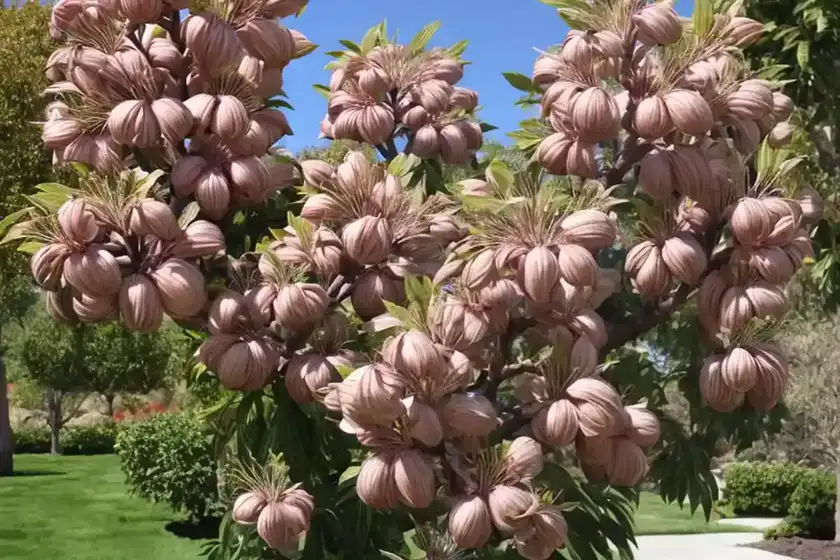
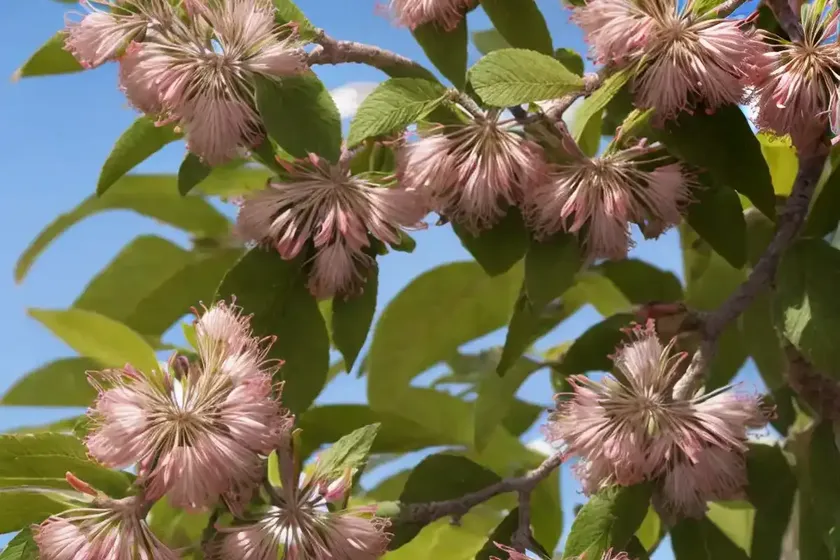
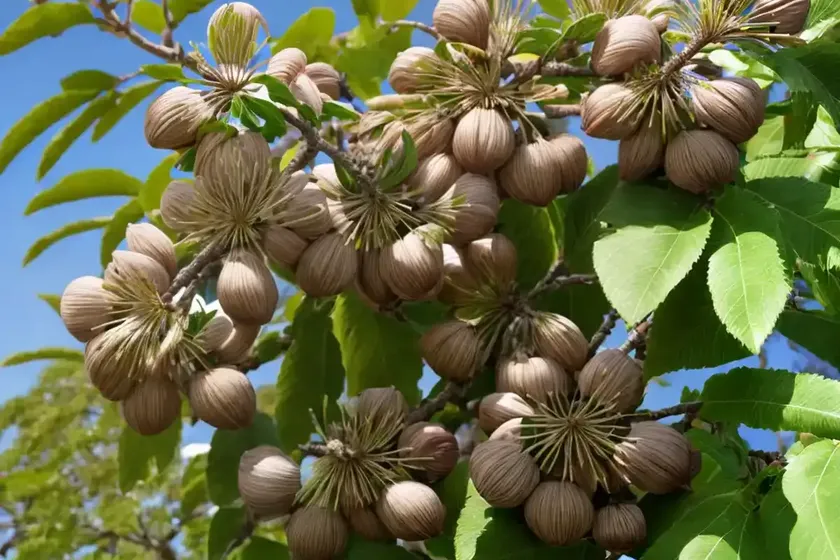
Aesculus californica, commonly known as California Buckeye, is a deciduous tree native to California and southwestern Oregon in the United States. This tree has great cultural, ecological, and botanical significance and is a popular choice for native landscaping. In this article, we will explore the characteristics, cultivation, and uses of Aesculus californica, along with its ecological importance and interesting fun facts.
What is Aesculus Californica (California Buckeye)?
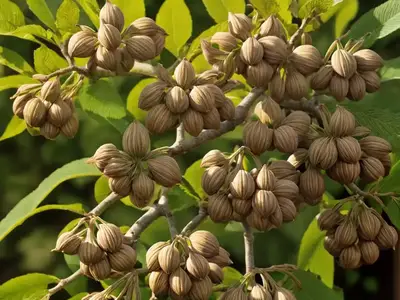
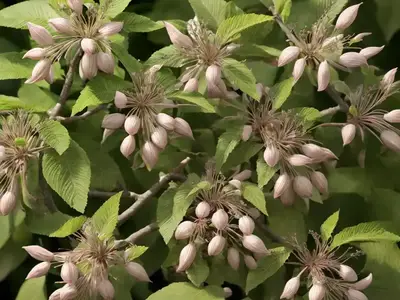
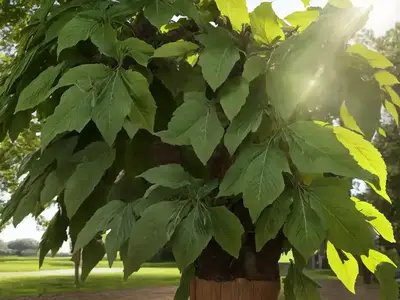
Aesculus californica, a member of the Sapindaceae family, is a species of buckeye that typically grows 10-15 meters in height. It is known for its stunning, palmately compound leaves and the distinctive appearance of its large, pear-shaped nuts. The tree boasts a spreading canopy, making it an attractive choice for gardens and landscapes.
Key Takeaways – Aesculus californica (California Buckeye)
- Scientific Classification:
- Family: Sapindaceae
- Genus: Aesculus
- Species: californica
- Common Names:
- California Buckeye
- Native Range:
- California and southwestern Oregon
Characteristics of Aesculus Californica
The California Buckeye tree displays several notable characteristics, making it a valuable addition to landscapes and native plant gardens.
California Buckeye Tree Facts
- Typically grows 10-15 meters in height
- Palmately compound leaves
- Large, pear-shaped nuts
- Spread of the canopy makes it an attractive choice for landscapes
- Deciduous tree with stunning foliage throughout the year
California Buckeye Plant Care
Proper care and maintenance are crucial for the successful growth and development of Aesculus californica. Let’s delve into some essential aspects of caring for this magnificent tree.
Culture
Aesculus californica, when planted in its preferred conditions, can thrive and adorn the landscape with its striking features. Understanding its cultural requirements is essential for successful cultivation.
Uses
The uses of the California Buckeye extend beyond visual appeal. This versatile tree offers various applications and benefits, making it a valuable addition to both natural and cultivated landscapes.
- Landscaping:
- Provides shade and enhances the visual appeal of gardens and parks
- Wildlife Habitat:
- Attracts pollinators and contributes to the ecological balance of its native habitat
- Medicinal Properties:
- Historically used by indigenous peoples for medicinal purposes
- Symbolism:
- Holds cultural and symbolic significance in native California folklore and traditions
Water
Proper watering is essential for the health and vitality of the California Buckeye tree. Understanding its specific water requirements is crucial for successful cultivation.
Sunlight
Aesculus californica has specific sunlight needs to thrive and display its magnificent foliage. Understanding its sunlight requirements is essential for successful cultivation.
Fertilizer
Fertilization plays a key role in the healthy growth and development of Aesculus californica. Understanding its fertilizer needs is crucial for successful cultivation.
Soil
The soil is a vital component of a tree’s environment and significantly impacts its growth and overall health. Understanding the soil preferences of Aesculus californica is essential for successful cultivation.
Pruning
Pruning is a critical aspect of tree care and contributes to its overall health, appearance, and longevity. Proper pruning practices for Aesculus californica are essential for its successful cultivation.
Propagation
Understanding the different propagation methods for Aesculus californica is crucial for expanding its presence and ensuring its genetic diversity.
Container Popularity and Common Uses
Aesculus californica is often used in container gardening and landscaping due to its attractive features and adaptability. Exploring its potential uses in containers adds variety and beauty to garden spaces.
Container Common Diseases
When grown in containers, Aesculus californica may be susceptible to certain diseases. Understanding these common diseases is essential for effective disease management.
Disease Diagnosis
Identification of diseases affecting Aesculus californica is crucial for implementing timely and targeted treatment measures. Proper diagnosis facilitates the maintenance of tree health and vitality.
Common Pests
Pest infestations can pose a threat to the health and vigor of Aesculus californica. Understanding the common pests affecting this tree is essential for effective pest management.
Botanist’s Tips
Insightful tips from botanists and horticulturists can offer valuable guidance for the successful cultivation and maintenance of Aesculus californica.
Fun Facts about Aesculus Californica
Aesculus californica holds several intriguing and fascinating qualities that enhance its appeal and value in landscapes and natural ecosystems.
External Resources
For additional information, resources, and guidance on Aesculus californica, consider exploring the following links:
In conclusion, Aesculus californica, or California Buckeye, stands as a remarkable and significant species with cultural, ecological, and botanical significance. Understanding its characteristics, cultivation requirements, and uses is essential for appreciating and conserving this valuable native tree.
The information presented in this article offers a comprehensive overview of Aesculus californica, providing insights into its care, uses, and ecological importance. Whether admired in natural habitats or cultivated in gardens and landscapes, the California Buckeye tree remains an emblem of California’s botanical richness and natural heritage.