Red Maple (Acer Rubrum ‘Autumn Flame’)
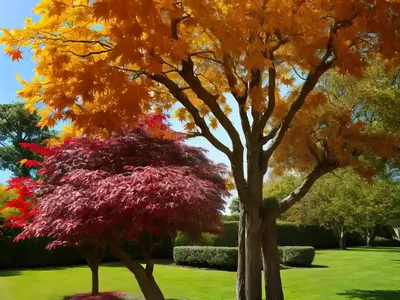
The red maple, scientifically known as Acer rubrum ‘Autumn Flame’, is a stunning and versatile tree that is prized for its fiery red foliage in the fall..
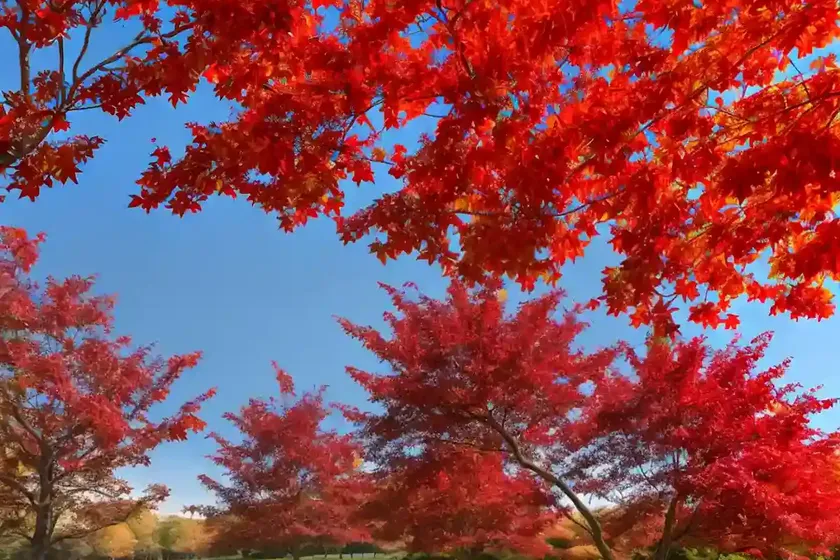
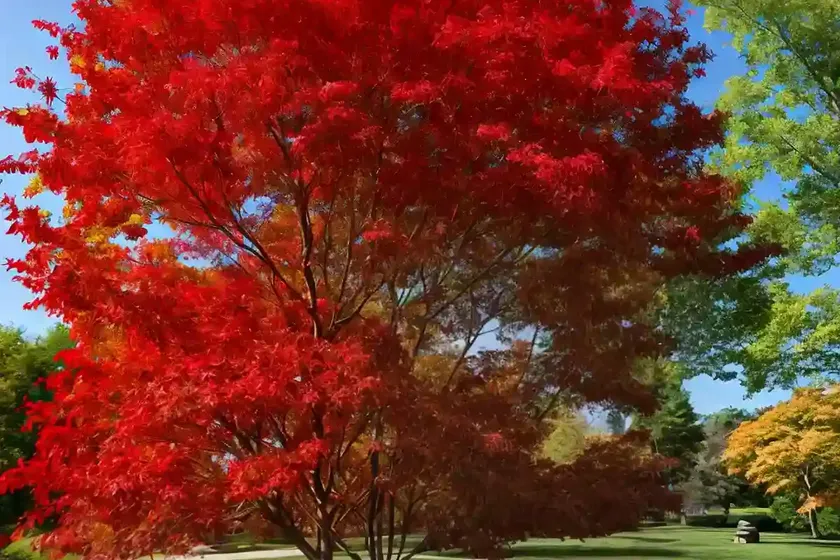
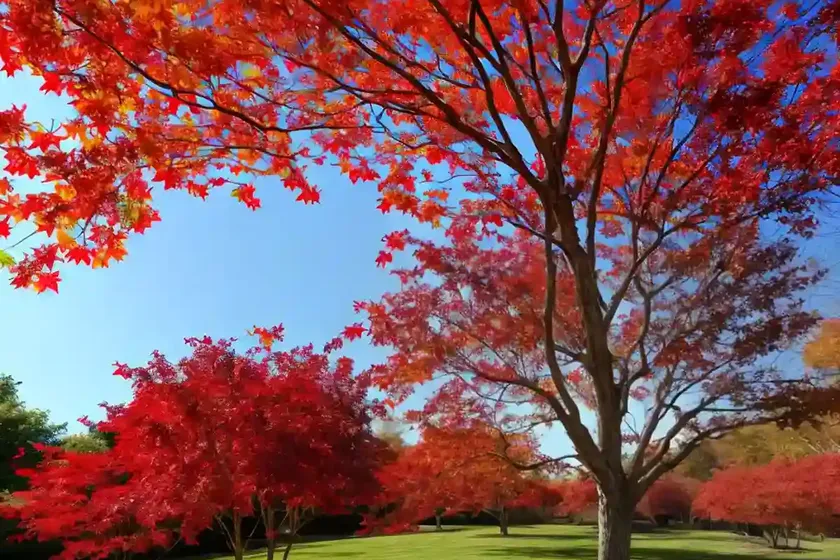
The red maple, scientifically known as Acer rubrum ‘Autumn Flame’, is a stunning and versatile tree that is prized for its fiery red foliage in the fall. This native North American tree is cherished for its brilliant colors and adaptability to various environmental conditions. In this comprehensive guide, we will explore the various aspects of this remarkable tree, including its culture, uses, care requirements, and much more.
What is Red Maple (Acer rubrum ‘Autumn Flame’)?
The red maple is a deciduous tree belonging to the Aceraceae family, native to eastern North America. It is popular for its vibrant red foliage, which gives it the name “red maple.” The ‘Autumn Flame’ cultivar is particularly renowned for its intense red to orange fall color, making it a sought-after choice for landscaping and ornamental purposes.
Key Takeaways – Red Maple (Acer rubrum ‘Autumn Flame’)
Culture
- Adaptable to various soil types
- Thrives in moist, well-drained soil
- Tolerant of urban pollution
Uses
- Ornamental tree in landscaping
- Provides shade and aesthetic appeal
Water
- Requires regular watering, especially during the establishment phase
- Drought-tolerant once established
Sunlight
- Prefers full sun to partial shade
- Thrives in open, sunny locations
Fertilizer
- Benefits from annual fertilization in early spring
- Balanced fertilizer with a slow-release formula is ideal
Soil
- Well-drained, slightly acidic soil is optimal
- Tolerant of a wide range of soil textures
Pruning
- Prune in late winter to early spring
- Remove dead or damaged branches
Propagation
- Can be propagated from seeds or cuttings
- Best results with fresh seeds or softwood cuttings
Container Popularity
- Suited for container planting in large containers
- Ensure adequate moisture and root space in containers
Common Diseases
- Susceptible to leaf spot diseases and canker
- Proper sanitation and cultural practices aid in disease prevention
Disease Diagnosis
- In-depth diagnosis may require examination by a plant pathologist
- Look for characteristic symptoms and patterns
Common Pests
- Vulnerable to aphids, scale insects, and caterpillars
- Proper pest management and monitoring are essential
Botanist’s Tips
- Regularly monitor for pests and diseases
- Incorporate diverse planting to support biodiversity
Fun Facts
- Red maple is the state tree of Rhode Island, chosen for its beauty and adaptability
- The tree’s red flowers make it a vital early-season nectar source for bees
Links to External Resources
For more information on red maple trees, check out these helpful external resources:
– The United States National Arboretum – Acer rubrum ‘Autumn Flame’
– Missouri Botanical Garden – Acer rubrum ‘Autumn Flame’
Red Maple Tree: A Closer Look
Description
The red maple, Acer rubrum ‘Autumn Flame’, is a medium to large-sized tree that typically grows to a height of 40 to 60 feet and a spread of 30 to 40 feet. It features a broad, rounded crown and a relatively rapid growth rate. The leaves are opposite, simple, and palmately-lobed with three to five lobes. The characteristic red flowers bloom in dense clusters in early spring, creating a captivating display.
Benefits of Red Maple
The red maple tree offers numerous benefits, making it a valuable addition to landscapes:
– Stunning fall foliage in shades of red, orange, and yellow
– Shade provider for gardens, parks, and residential areas
– Wildlife attraction due to the abundant seeds and nectar
Growing Red Maple Trees
When it comes to cultivating red maple trees, there are several key considerations to keep in mind:
Red Maple Leaf Colors
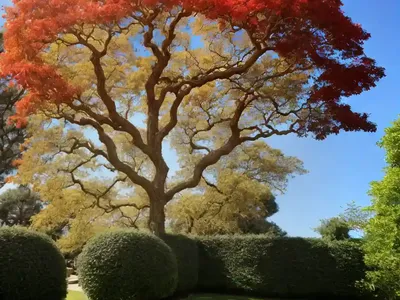
The ‘Autumn Flame’ cultivar is particularly renowned for its vivid fall colors that transition from deep red to brilliant orange, adding a striking visual element to the landscape.
Acer rubrum Characteristics
The red maple is characterized by its adaptability, versatility, and striking foliage, making it a popular choice for various landscaping applications.
Red Maple Tree Care
Proper care and maintenance play a crucial role in ensuring the health and vigor of red maple trees. Regular watering, fertilization, and monitoring for pests and diseases are essential components of care.
Best Soil for Red Maple
Red maple trees thrive in well-drained, slightly acidic soil, but they are also adaptable to varied soil types, including clay and loam.
Red Maple Tree Diseases
While red maples are generally resilient, they are susceptible to certain diseases, including leaf spot and canker diseases. Implementing preventive measures and early intervention are key to maintaining tree health.
Red Maple Tree Pruning
Pruning is an important aspect of red maple tree maintenance, aiding in the removal of dead or diseased branches and shaping the tree for optimal growth and appearance.
Red Maple Tree Landscaping
The stunning foliage, adaptability, and moderate size of red maple trees make them well-suited for various landscaping purposes, including shade trees, ornamental plantings, and urban green spaces.
Red Maple Tree: Environmental Impact
Florida Red Maple
In Florida, the red maple is a prominent native tree, cherished for its adaptability and brilliant fall colors. It serves as a valuable addition to natural and urban landscapes throughout the state.
Red Maple Tree Size
The moderate size of the red maple tree makes it suitable for a wide range of settings, from residential yards to urban parks and commercial landscapes.
Red Maple Tree Planting
When planting red maple trees, it is important to consider location, soil preparation, and adequate spacing to ensure the long-term health and vitality of the trees.
Red Maple Tree for Shade
The broad, dense canopy of the red maple tree makes it an excellent choice for providing shade in outdoor spaces, offering relief during hot summer months.
Red Maple Tree for Small Spaces
While moderately sized, red maple trees may be suitable for smaller landscapes and can be managed through pruning to maintain an appropriate size.
Red Maple Tree for Fall Color
One of the most beloved features of red maple trees is their stunning fall foliage, which adds a vibrant burst of color to landscapes during the autumn season.
Red Maple Tree in Winter
During the winter months, the bare branches of red maple trees add structure and interest to the landscape, especially when framed against a backdrop of snow.
Red Maple Tree in Spring
In spring, the red maple bursts into bloom, with clusters of vibrant red flowers creating a picturesque display that signals the arrival of the new season.
Red Maple Tree in Summer
In summer, the lush green foliage of the red maple provides cooling shade and a verdant backdrop for outdoor activities and gatherings.
Red Maple Tree for Wildlife
Red maple trees play a vital role in supporting wildlife, providing food and habitat for various birds, insects, and small mammals.
Red Maple Tree for Birds
The seeds of red maple trees are a valuable food source for birds, attracting a diverse array of species, including finches, woodpeckers, and warblers.
Red Maple Tree for Bees
The early spring blooms of the red maple tree offer essential nectar for bees, serving as an important food source during the early growing season.
Red Maple Tree for Butterflies
The nectar-rich flowers of the red maple tree attract butterflies, contributing to the overall biodiversity and ecological balance of the landscape.
Red Maple Tree for Gardens
Red maple trees are a valuable addition to gardens, providing beauty, shade, and ecological benefits, while enhancing the overall aesthetic appeal of the landscape.
Red Maple Tree for Urban Spaces
Due to its adaptability and tolerance of urban conditions, the red maple tree is a popular choice for urban greening initiatives and street plantings.
Red Maple Tree for Landscaping
With its striking foliage and adaptable nature, the red maple tree is a versatile and valuable addition to a wide range of landscaping projects, from residential gardens to large-scale public parks.
Red Maple Tree for Windbreaks
The dense canopy and moderate size of red maple trees make them effective windbreaks, helping to reduce erosion and protect landscapes from strong winds.
Red Maple Tree for Erosion Control
The robust root system of red maple trees assists in soil stabilization, making them an asset in erosion-prone areas and landscapes requiring slope stabilization.
Red Maple Tree for Privacy
When strategically planted, red maple trees can create natural screens and privacy barriers, adding seclusion and tranquility to outdoor spaces.
Red Maple Tree for Hedges
With proper pruning and maintenance, red maple trees can be shaped into attractive hedges, providing both functional and aesthetic benefits in the landscape.
Red Maple Tree for Screening
Red maple trees are well-suited for screening and deflecting views, making them a valuable addition to landscapes that require visual separation and definition of space.
Red Maple Tree for Street Plantings
The adaptability and urban tolerance of red maple trees make them an excellent choice for street plantings, enhancing the beauty and ecological function of urban environments.
Red Maple Tree for Residential Areas
From front yards to backyard gardens, red maple trees are a popular choice for residential landscapes, adding seasonal interest and natural beauty to outdoor spaces.
Red Maple Tree in Traditional Gardens
The striking foliage and adaptability of red maple trees make them an ideal choice for traditional gardens, where they can serve as focal points or anchor plantings.
Planting Red Maple in Containers
While not the typical choice, red maple trees can thrive in large containers, providing an opportunity to enjoy their beauty and benefits in constrained urban spaces and patios.
Red Maple Tree Diseases and Pests
Common diseases and pests that affect red maple trees include leaf spot diseases, canker, aphids, scale insects, and caterpillars. Regular monitoring and preventive measures are key to maintaining tree health.
Red Maple Tree Pruning Techniques
Proper pruning techniques are essential for maintaining the health, appearance, and structural integrity of red maple trees, ensuring their long-term vitality and beauty.
Red Maple Tree Maintenance
Regular maintenance, including watering, fertilization, and pest management, is crucial for the overall health and well-being of red maple trees, contributing to their longevity and vigor.
Red Maple Tree Growth Rate
Red maple trees exhibit a moderate to rapid growth rate, establishing themselves relatively quickly and providing timely shade and aesthetic appeal in landscapes.
Red Maple Tree Lifespan
With proper care, red maple trees can live for several decades, offering long-term beauty and ecological benefits to the landscape.
Red Maple Tree Root System
The root system of red maple trees is typically fibrous and shallow, making them adaptable to various soil conditions and suitable for urban environments.
Red Maple Tree Bark
The bark of red maple trees is smooth and light gray when young, developing furrows and ridges as the tree matures, adding texture and interest to its appearance.
Red Maple Tree Leaf Shape
The leaves of red maple trees are simple and palmately-lobed, with three to five lobes, creating an attractive and distinctive foliage texture in the landscape.
Red Maple Tree Leaf Drop
In the fall, red maple trees undergo a dramatic leaf color change before shedding their foliage, marking the transition to the winter season.
Conclusion
The red maple tree, particularly the ‘Autumn Flame’ cultivar, is a spectacular addition to landscapes, offering stunning seasonal color, ecological benefits, and versatile uses. Whether planted for its ornamental value, shade provision, or environmental impact, the red maple stands out as an enduring and cherished tree species.
With its adaptability, striking foliage, and numerous benefits, the red maple tree continues to captivate plant enthusiasts, nature lovers, and landscape professionals, securing its place as an icon of North American flora.
Through careful cultivation, maintenance, and appreciation, the red maple tree thrives, bringing timeless beauty and ecological vitality to landscapes across its native range and beyond.
As we celebrate the intrinsic beauty and value of the red maple tree, let us continue to foster a deep appreciation for its contributions to our outdoor spaces, natural environments, and collective well-being.
Remember, by embracing and nurturing the red maple tree, we honor not only its natural splendor but also the interconnected web of life that flourishes in its welcoming presence.
References
- United States National Arboretum. (n.d.). Acer rubrum ‘Autumn Flame’. https://usna.usda.gov/PhotoGallery/DetailPg.aspx?rec=221&img=0
- Missouri Botanical Garden. (n.d.). Acer rubrum ‘Autumn Flame’. https://www.missouribotanicalgarden.org/PlantFinder/PlantFinderDetails.aspx?kempercode=a566