Aesculus Glabra (Ohio Buckeye)
Introduction Aesculus glabra, commonly known as the Ohio Buckeye, is a species of Aesculus native to the Midwest and Upper South regions of the United.
Introduction
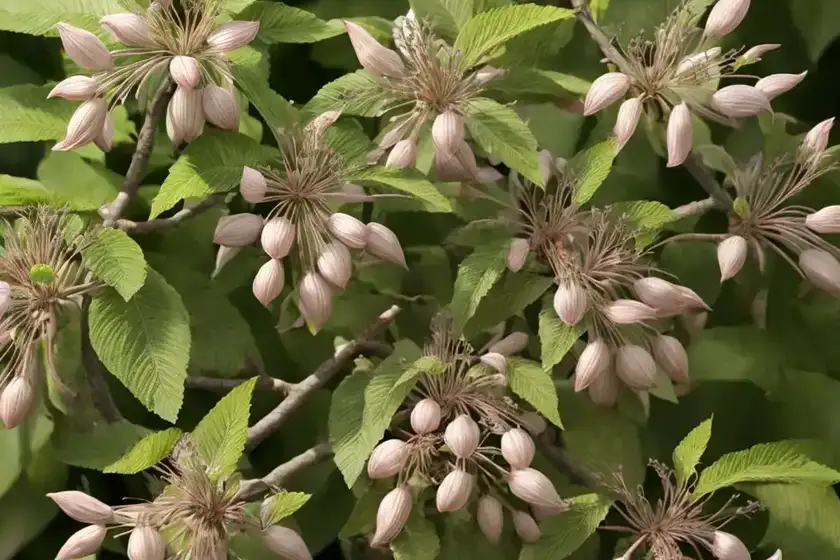
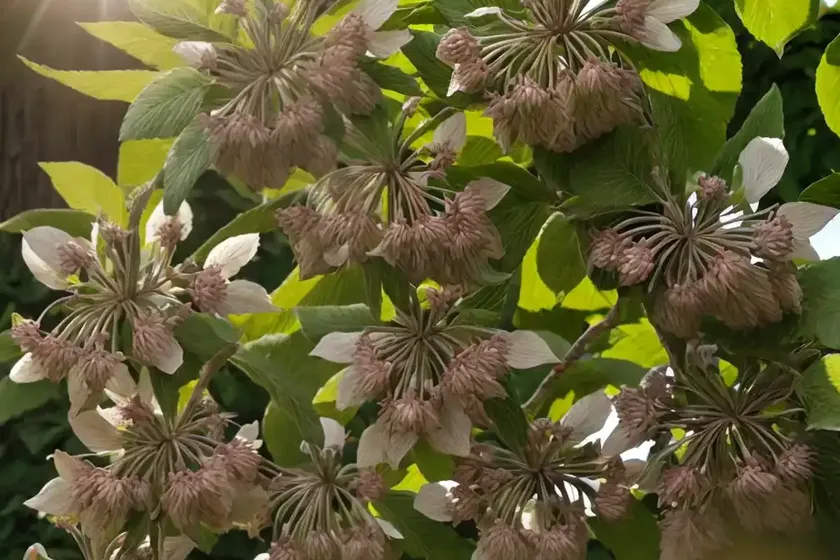
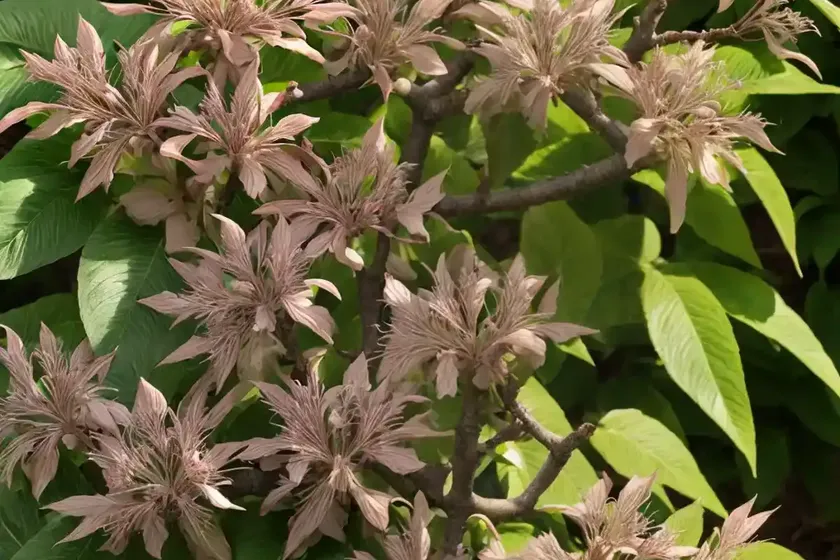
Aesculus glabra, commonly known as the Ohio Buckeye, is a species of Aesculus native to the Midwest and Upper South regions of the United States. This deciduous tree is known for its striking appearance, distinctive leaves, and conker-like fruits. In this comprehensive guide, we will explore the key characteristics of Aesculus glabra, its cultural requirements, uses, and maintenance, as well as its ecological importance and potential in landscape design.
Key Takeaways
- Aesculus glabra, also called the Ohio Buckeye tree, is a deciduous species native to the Midwest and Upper South regions of the United States.
- The tree features palmately compound leaves and produces spherical, spiny fruits, which are often referred to as “buckeyes.”
- Aesculus glabra is valued for its ornamental qualities, wildlife support, and potential medicinal uses.
- Cultivating Aesculus glabra requires consideration of its water, sunlight, soil, and fertilization needs, as well as appropriate pruning and propagation techniques.
- The Ohio Buckeye tree is susceptible to certain diseases and pests, necessitating regular monitoring and management.
Plant Name: Aesculus Glabra (Ohio Buckeye)
- Culture
- Uses
- Water
- Sunlight
- Fertilizer
- Soil
- Pruning
- Propagation
- Container Planting
- Popularity
- Common Diseases
- Common Pests
- Botanist’s Tips
- Fun Facts
- Links to External Resources
What Is Aesculus Glabra (Ohio Buckeye)?
Aesculus glabra, commonly known as the Ohio Buckeye, is a deciduous tree belonging to the Sapindaceae family. It is native to the central and eastern United States, where it is often found in moist, well-drained woods and along stream banks. The species typically reaches heights of 40 to 60 feet, and occasionally up to 80 feet, with a spread of around 40 to 50 feet.
Aesculus Glabra Facts
- Scientific Name: Aesculus glabra
- Common Name: Ohio Buckeye
- Family: Sapindaceae
- Native Habitat: Midwest and Upper South regions of the United States
- Height: 40 to 60 feet, occasionally up to 80 feet
- Spread: 40 to 50 feet
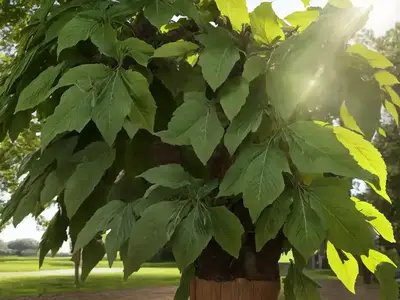
- Foliage: Palmately compound leaves
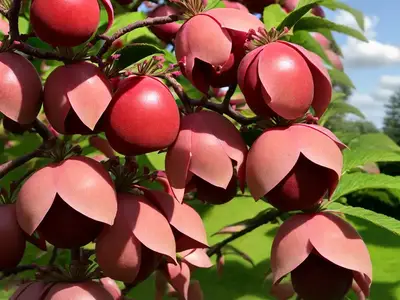
- Fruits: Spherical, spiny buckeyes
Aesculus Glabra Characteristics
- Striking palmately compound leaves
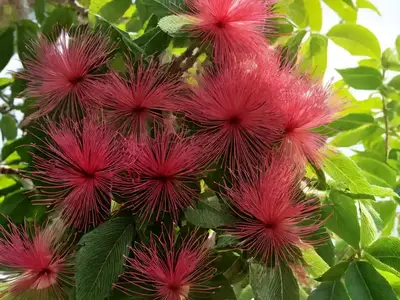
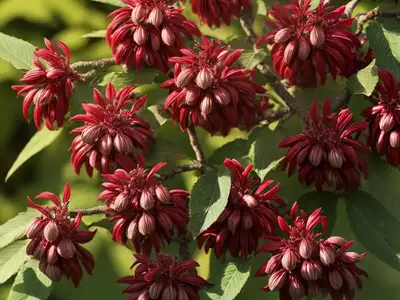
- Showy, erect panicles of yellow-green flowers
- Spherical, spiny fruits resembling buckeyes
- Gray-brown bark with distinctive ridges and furrows
- Rich green foliage transitioning to a striking yellow in the fall
Ohio Buckeye Tree Care
- Requires moist, well-drained soil
- Thrives in full sun to partial shade
- Requires minimal fertilization
- Susceptible to specific diseases and pests
- Supports diverse wildlife and pollinators
Culture
Cultivating Aesculus glabra requires an understanding of its specific cultural requirements to ensure its optimal growth and vitality.
Water
Aesculus glabra thrives in moist conditions, making it well-suited to areas with regular rainfall and adequate drainage. While the tree demonstrates some tolerance to periods of drought, consistent moisture is essential for its healthy development, particularly during the establishment phase.
Sunlight
The Ohio Buckeye tree favors full sun to partial shade, thriving in locations that receive at least six hours of direct sunlight each day. While it can tolerate partial shade, maximizing sun exposure typically results in more robust growth and enhanced foliage density.
Fertilizer
In general, Aesculus glabra does not have high fertilizer requirements. However, the application of a balanced, slow-release fertilizer in early spring can support its growth and vigor, particularly in nutrient-deficient soils. Care should be taken to avoid excessive fertilization, which can lead to imbalanced growth and potential susceptibility to pests and diseases.
Soil
The Ohio Buckeye tree flourishes in moist, slightly acidic to neutral soils with good drainage. It is adaptable to various soil types, including loamy, sandy, or clay soils, but it thrives in fertile, humus-rich substrates. While the species exhibits some tolerance to periodic flooding, waterlogged soil should generally be avoided to prevent root suffocation and potential disease issues.
Uses
Aesculus glabra offers diverse applications and benefits, ranging from its ornamental value in landscapes to potential uses in wildlife support and traditional medicine.
Ornamental Value
The Ohio Buckeye tree is highly prized for its ornamental qualities, particularly in the autumn when its striking foliage transitions to vibrant shades of yellow and gold. Its distinctive palmately compound leaves and erect panicles of yellow-green flowers contribute to its aesthetic appeal, making it a standout addition to parks, urban landscapes, and larger residential properties.
Wildlife Support
Aesculus glabra plays a crucial role in supporting diverse wildlife, serving as a valuable food source for several species. The nuts or “buckeyes” are consumed by squirrels and other small mammals, while the tree’s blossoms serve as a nectar source for bees and other pollinators. Furthermore, its dense canopy provides nesting sites for birds and shelter for various wildlife.
Medicinal Uses
Beyond its ecological significance, certain parts of Aesculus glabra have been historically utilized in traditional medicine, albeit with caution due to the toxic compounds present in the seeds. Among the potential medicinal applications, the tree’s bark has been employed in herbal remedies, although consultation with healthcare professionals is essential before considering any therapeutic use of the plant.
Water
Maintaining an appropriate watering regimen is essential for promoting the health and vigor of Aesculus glabra.
General Watering Guidelines
- Newly planted Ohio Buckeye trees require regular watering in their initial establishment phase to support root development and overall growth.
- Once established, adequate moisture should be maintained, particularly during dry spells or in regions with irregular rainfall.
- Mulching around the base of the tree can help conserve soil moisture and reduce the frequency of watering, while also inhibiting weed growth and maintaining a more consistent soil temperature.
Sunlight
Providing optimal sunlight conditions is essential for maximizing the growth and ornamental value of Aesculus glabra.
Sun Requirements
- Aesculus glabra thrives in full sun to partial shade, favoring sites with at least six hours of direct sunlight per day.
- While it can tolerate partial shade, the tree typically exhibits more robust growth and foliage density when cultivated in sunnier locations.
Shading Considerations
- When planting the Ohio Buckeye, particularly in warmer climates, consideration should be given to mitigating excessive heat stress through appropriate shading or siting to prevent leaf scorch and minimize moisture loss.
Fertilizer
Understanding the specific fertilization needs of Aesculus glabra is crucial for maintaining its health and promoting vigorous growth.
Fertilization Guidelines
- A balanced, slow-release fertilizer can be applied in early spring to support the growth and vitality of the Ohio Buckeye tree.
- Prior to fertilization, a soil test can provide valuable insights into any existing nutrient deficiencies, enabling targeted and efficient fertilization practices.
Fertilizer Application Tips
- Care should be taken to avoid excessive fertilization, as this can lead to imbalanced growth and potential susceptibility to pests and diseases.
- Organic fertilizers or compost can also be incorporated into the soil around the base of the tree to enhance soil fertility and microbial activity.
Soil
The selection of an appropriate soil type and the maintenance of good soil conditions are critical for the successful cultivation of Aesculus glabra.
Soil Type
- Aesculus glabra thrives in moist, well-drained soils with a slightly acidic to neutral pH. While it demonstrates adaptability to various soil types, including loamy, sandy, or clay soils, it performs best in fertile, humus-rich substrates.
Soil Drainage
- Adequate drainage is essential to prevent waterlogging, which can lead to root suffocation and potential disease issues. In heavier clay soils, soil amendments or raised beds can aid in improving drainage and preventing water accumulation around the tree’s roots.
Pruning
Pruning is an essential horticultural practice for maintaining the health, structure, and aesthetic appeal of Aesculus glabra.
Pruning Goals
- Pruning aims to eliminate dead, damaged, or diseased branches, as well as to shape the tree and promote optimal branching structure.
- Additionally, the removal of lower branches can enhance air circulation and light penetration within the canopy, reducing the risk of foliar diseases.
Pruning Techniques
- Pruning should be conducted during the dormant season to minimize stress on the tree and to allow for the examination of the tree’s structure without the obstruction of foliage.
- Care should be taken to make clean, precise cuts to prevent unnecessary damage and potential entry points for pathogens.
Propagation
Propagating Aesculus glabra offers the opportunity to cultivate new trees and expand the presence of this distinctive species in various landscapes.
Propagation Methods
- Aesculus glabra can be propagated through several methods, including seed propagation, softwood or hardwood cuttings, and grafting techniques.
Seed Propagation
- Collection of mature buckeye fruits
- Treatment to break seed dormancy
- Sowing seeds in a suitable propagation medium
Cuttings
- Selection and preparation of healthy cuttings
- Application of rooting hormone to encourage root development
- Establishment of cuttings in a well-draining propagation medium
Grafting
- Selection of compatible rootstock
- Matching of scion and rootstock
- Proper grafting and subsequent care to promote successful union and growth
Container Planting
Cultivating Aesculus glabra in containers offers an opportunity to enjoy the ornamental beauty of the Ohio Buckeye tree in a more confined space.
Container Considerations
- Selecting a sizable container with adequate drainage holes is essential to accommodate the tree’s root system and facilitate proper moisture management.
- Using a well-draining, nutrient-rich growing medium is crucial for promoting the health and vitality of the tree in a containerized environment.
Container Care
- Regular monitoring of moisture levels is necessary, particularly during periods of elevated temperatures or reduced rainfall.
- Containerized trees may have increased susceptibility to temperature fluctuations, necessitating appropriate insulation during colder months.
Popularity
Aesculus glabra, or the Ohio Buckeye tree, is valued for its aesthetic appeal and ecological significance, contributing to its popularity in various horticultural and conservation contexts.
Landscape Use
- The striking foliage, showy flowers, and distinctive fruits of Aesculus glabra make it a sought-after addition to parks, residential landscapes, and public gardens.
- Its adaptability to different soil types and tolerance of urban conditions further enhance its appeal in landscape design.
Ecological Significance
- The Ohio Buckeye tree plays a vital role in supporting diverse wildlife, serving as a food source for small mammals and a habitat for birds.
- Its contribution to biodiversity and ecosystem health underscores its significance in conservation and ecological restoration efforts.
Common Diseases
Aesculus glabra is susceptible to certain diseases, necessitating proactive management and preventive measures to minimize potential impacts on its health.
Anthracnose
- Causal Agent: Fungal pathogens such as Guignardia aesculi and Apiognomonia buckeye
- Symptoms: Irregularly shaped lesions on leaves, which may enlarge and lead to defoliation under severe infection
- Management: Removal of infected plant material, improved air circulation, and application of fungicidal treatments as necessary
Leaf Blotch
- Causal Agent: The fungus Phyllosticta aesculi
- Symptoms: Circular to irregular leaf lesions with distinct margins and potential premature leaf drop
- Management: Raking and disposing of fallen leaves to reduce disease inoculum, fostering good sanitation practices
Common Pests
Aesculus glabra is vulnerable to certain pests that can impact its foliage and overall vigor, requiring vigilant monitoring and appropriate management.
Japanese Beetle
- Symptoms: Skeletonized leaves and noticeable feeding damage on foliage
- Management: Handpicking of adults, application of traps, and targeted insecticide treatments if necessary
Scale Insects
- Symptoms: Presence of small, immobile scales on twigs and branches, accompanied by sticky honeydew secretion
- Management: Pruning of heavily infested plant parts, application of horticultural oil during the dormant season for control
Botanist’s Tips
- Regularly monitor Aesculus glabra for signs of diseases and pests, particularly during periods of environmental stress or changes in weather.
- When pruning, ensure that proper sterilization of cutting tools is practiced to prevent the spread of diseases between trees.
- Consider the potential ecological impacts of planting Aesculus glabra, including its support for wildlife and contribution to local biodiversity.
Fun Facts
- The term “buckeye” is derived from Native American folklore, referencing the resemblance of the tree’s seeds to the eye of a buck deer.
- Aesculus glabra is the state tree of Ohio and is prominently featured in various cultural and historical contexts within the region.
- The tree’s flowers are a valuable nectar source for honeybees and contribute to the production of quality honey in certain regions.
Links to External Resources
For additional information on Aesculus glabra and its cultivation, the following resources can provide valuable insights:
– USDA Plant Profile for Aesculus glabra
– Ohio State University Extension – Ohio Buckeye
– Missouri Botanical Garden – Aesculus glabra
– Lady Bird Johnson Wildflower Center – Aesculus glabra
By incorporating the essential cultural practices, potential uses, and ecological significance of Aesculus glabra, it is possible to foster the health and vitality of the Ohio Buckeye tree while appreciating its unique qualities and contributions to the natural world. Whether utilized in landscape design, conservation endeavors, or for its ornamental appeal, Aesculus glabra stands as an emblem of regional identity and a cherished component of the natural environment.