Acer Shirasawanum ‘Moonrise’ (Full Moon Maple)
Introduction Plants play a pivotal role in our lives, not only by providing essential oxygen but also by adding beauty to our surroundings. One such plant.

Introduction
Plants play a pivotal role in our lives, not only by providing essential oxygen but also by adding beauty to our surroundings. One such plant that captivates the attention of plant enthusiasts and botanists alike is Acer shirasawanum ‘Moonrise’, commonly known as the Full Moon Maple. This exquisite tree exhibits unique characteristics and requires specific care to thrive. In this comprehensive guide, we will delve into the various aspects of this magnificent tree, from its cultural requirements to common diseases and pests, and everything in between.
What is Acer shirasawanum ‘Moonrise’ (Full Moon Maple)?
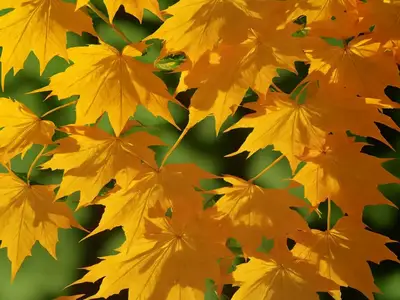
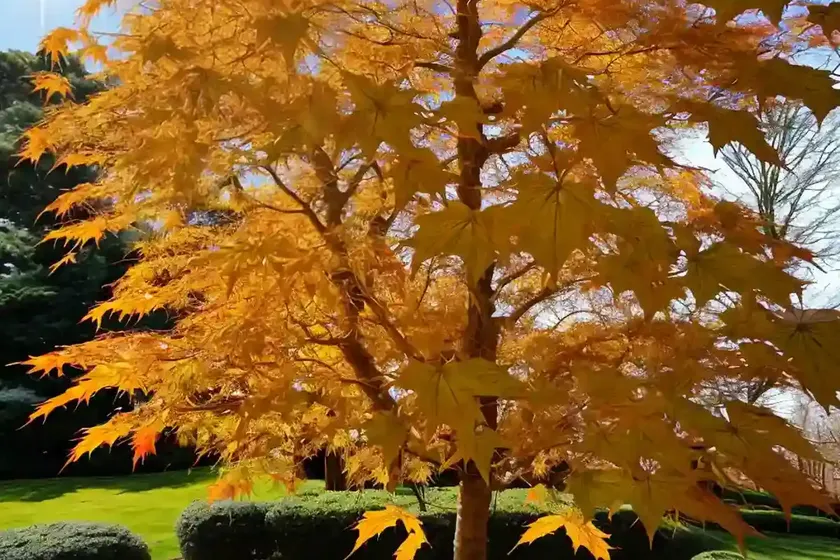
Acer shirasawanum ‘Moonrise’, belonging to the family Aceraceae, is a deciduous tree. This ornamental tree is native to Japan and is renowned for its striking, palmate leaves and vibrant seasonal foliage colors, making it an esteemed addition to gardens and landscapes. The Full Moon Maple is recognized for its exceptional foliage, with leaves that resemble those of the hemp plant, adding a unique charm to its appearance.
This tree is distinguished by its compact size, typically growing to a height of 15-20 feet, with an equally impressive spread. The Full Moon Maple’s slow growth rate and manageable size make it an ideal choice for small gardens or as a container tree. Its unique attributes and adaptability make it highly sought after by gardeners and landscapers around the world.
Key Takeaways: Acer shirasawanum ‘Moonrise’ (Full Moon Maple)
Culture
The culture of Acer shirasawanum ‘Moonrise’ encompasses various aspects, from its preferred soil type to its specific pruning requirements. Understanding the tree’s cultural needs is crucial for ensuring its optimal growth and overall health.
-
Soil Preferences: The Full Moon Maple thrives in well-draining, acidic soil, ideally with a pH range of 5.5 to 6.5. Additionally, it benefits from organic-rich soil with good moisture retention capabilities.
-
Sunlight Requirements: While the tree prefers partial shade, it also tolerates full sun, especially in regions with milder climates. However, protection from harsh afternoon sun is advisable to prevent leaf scorch.
-
Water Needs: Adequate and consistent moisture is essential, particularly during the tree’s establishment phase. However, it is important to avoid waterlogged soil, which can lead to root rot.
-
Fertilizer Recommendations: Using a balanced, slow-release fertilizer in early spring can provide the necessary nutrients for healthy growth. Additionally, incorporating organic mulch around the base of the tree aids in moisture retention and gradual nutrient release.
-
Pruning Techniques: Pruning is primarily aimed at shaping the tree, removing dead or crossing branches, and maintaining an open canopy structure. It is recommended to prune the tree during its dormant season to minimize sap bleeding.
Uses
The Full Moon Maple offers a multitude of uses, ranging from its ornamental value in landscapes to its ecological significance and potential for container gardening.
-
Landscaping: Acer shirasawanum ‘Moonrise’ serves as a striking focal point in various landscape settings, including woodland gardens, Japanese-themed gardens, and even as standalone specimens. Its vibrant foliage colors make it a sought-after addition to landscape designs.
-
Container Gardening: Due to its compact size, the Full Moon Maple is well-suited for container gardening, allowing individuals with limited garden space to enjoy its beauty on patios, balconies, and terraces.
-
Wildlife Habitat Value: In addition to its aesthetic appeal, the tree contributes to the ecosystem by attracting beneficial wildlife, such as birds and pollinators, further enhancing its environmental significance.
Popularity
The growing popularity of Acer shirasawanum ‘Moonrise’ is evident in the increasing number of gardeners and enthusiasts seeking this extraordinary tree. Its unique attributes and captivating beauty have contributed to its widespread recognition and demand in the horticultural industry.
Full Moon Maple Pruning Tips
Pruning is a fundamental aspect of caring for Acer shirasawanum ‘Moonrise’, and when done correctly, it promotes optimal growth, shape, and overall health of the tree. Prior to beginning the pruning process, it is essential to understand the key considerations and best practices associated with Full Moon Maple pruning.
Pruning Objectives
The primary objectives of pruning the Full Moon Maple are focused on maintaining its structural integrity, removing any damaged or diseased branches, and enhancing its aesthetic appeal. Furthermore, shaping the tree to achieve a balanced canopy and open framework is vital for its long-term health and visual appeal.
Best Time for Pruning
The ideal time to prune Acer shirasawanum ‘Moonrise’ is during its dormant period in late winter to early spring. Pruning during this time minimizes sap loss and reduces the risk of pest infestations or diseases associated with open wounds. It is important to avoid pruning in late spring and early summer, as the tree may experience excessive sap bleeding.
Pruning Techniques
When pruning the Full Moon Maple, it is recommended to use clean, sharp tools to make precise cuts and minimize damage to the tree. Essential pruning techniques include:
-
Removal of Dead or Diseased Branches: Identifying and removing any dead, damaged, or diseased branches is crucial for the tree’s overall health and vitality.
-
Thinning the Canopy: Thinning out overcrowded or crossing branches helps improve air circulation and light penetration, reducing the risk of fungal diseases and promoting healthy growth.
-
Shaping and Controlling Growth: Pruning can be used to shape the tree and control its growth, ensuring a well-balanced and visually appealing silhouette.
-
Minimizing Stress on the Tree: Care should be taken to avoid excessively pruning the tree, as this can lead to stress and adversely impact its vigor. It is important to strike a balance between maintaining its natural form and achieving desired aesthetics.
Common Pruning Mistakes to Avoid
While pruning provides numerous benefits, it is important to be mindful of potential mistakes that can compromise the Full Moon Maple’s health and appearance.
-
Over-pruning: Excessive removal of branches can weaken the tree and lead to a loss of its natural form. Caution should be exercised to maintain a balanced approach to pruning.
-
Pruning at the Wrong Time: Pruning during the tree’s active growth phase can result in increased sap bleeding and susceptibility to pests and diseases. It is essential to adhere to the recommended dormant pruning period.
-
Improper Wound Dressing: Unlike some tree species, Full Moon Maples do not require wound dressing or sealants after pruning cuts. Allowing natural healing processes to take place without the use of such products is advisable.
Final Considerations
In conclusion, understanding the significance of proper pruning techniques and timing is imperative for the long-term health and aesthetic appeal of Acer shirasawanum ‘Moonrise’. By adhering to best practices and avoiding common pruning mistakes, gardeners can effectively enhance the tree’s beauty while ensuring its vitality and resilience.
Acer shirasawanum ‘Moonrise’ Varieties
The Full Moon Maple, Acer shirasawanum ‘Moonrise’, boasts several notable varieties that further accentuate its allure and diversity. Each variety exhibits unique characteristics, ranging from foliage color variations to growth habits, providing enthusiasts with an array of options to suit their specific preferences and landscape designs.
Varieties with Unique Foliage Colors
-
‘Autumn Moon’: This variety is revered for its vibrant and ever-changing foliage colors, transitioning from stunning oranges and reds in the fall to green with hints of red in the summer.
-
‘Red Dawn’: With leaves that emerge in shades of pink and orange, gradually maturing to rich green with red undertones, ‘Red Dawn’ is a captivating variety that adds a touch of elegance to any garden.
-
‘Jordan’: Recognized for its deeply dissected, finely lobed leaves, ‘Jordan’ presents an exquisite display of red and orange tones throughout the growing season, creating a striking visual impact.
Varieties with Unique Growth Habits
-
‘Green Cascade’: As its name suggests, this variety showcases a cascading growth habit, making it an ideal choice for cascading over walls or along slopes, adding a graceful and dynamic element to the landscape.
-
‘Autumn Moon’: Alongside its remarkable foliage, the ‘Autumn Moon’ variety features a compact and rounded growth habit, making it well-suited for small gardens and limited spaces.
-
‘Golden Full Moon’: Renowned for its stunning golden-yellow foliage, this variety exhibits an upright and broadly spreading growth habit, creating a bold presence in the landscape.
Varieties with Unique Leaf Shapes
-
‘Munn 001’: With deeply divided, almost star-shaped leaves, ‘Munn 001’ presents an intricate and distinct leaf shape, further enhancing the tree’s visual appeal and ornamental value.
-
‘Aureum’: Displaying a delicate and lacy appearance, ‘Aureum’ features deeply dissected leaves with a light green hue, adding a touch of elegance to its overall aesthetic.
-
‘Kawaii’: This variety showcases small, deeply lobed leaves with serrated edges, creating a charming and dainty foliage display that sets it apart from other Full Moon Maple varieties.
Environmental Considerations
When selecting a variety of Acer shirasawanum ‘Moonrise, it is essential to consider environmental factors such as climate, soil conditions, and available space. By choosing a variety that aligns with the specific environmental characteristics of the planting site, gardeners can ensure the tree’s successful establishment and long-term vitality.
Best Conditions for Full Moon Maple Growth
Optimal conditions play a pivotal role in the successful growth and development of Acer shirasawanum ‘Moonrise’. By understanding and providing the best conditions for this exquisite tree, gardeners can ensure its vigor, resilience, and exceptional ornamental value.
Ideal Soil Type
The Full Moon Maple thrives in well-draining, acidic soil with a pH range of 5.5 to 6.5. Additionally, the soil should be rich in organic matter to promote nutrient availability and moisture retention. Soil that is too compact or poorly draining can lead to root diseases and overall stress on the tree.
Suitable Sunlight Exposure
While Acer shirasawanum ‘Moonrise’ prefers partial shade, it also tolerates full sun, particularly in regions with milder climates. However, providing protection from intense afternoon sun and ensuring adequate shade during hot summer months is crucial to prevent leaf scorch and maintain the tree’s overall health.
Adequate Watering
Consistent and adequate moisture is essential for the Full Moon Maple, especially during its establishment phase and periods of drought. It is important to ensure that the soil remains evenly moist, without becoming waterlogged, which can lead to root rot and other issues.
Climate Considerations
The Full Moon Maple thrives in temperate climates and is well-suited for growing zones with moderate temperatures, such as USDA zones 5 to 8. In regions with harsh winters, providing winter protection, such as mulching around the base of the tree, can help safeguard the tree from extreme cold and frost damage.
Seasonal Care
Adapting care practices according to seasonal changes is crucial for the tree’s well-being. This includes providing winter protection, adjusting watering routines during dry spells, and incorporating mulch to conserve soil moisture and regulate soil temperature.
Selecting Companion Plants
Choosing suitable companion plants that complement the Full Moon Maple and thrive in similar environmental conditions can enhance the overall appeal of the landscape. Consider incorporating shade-loving perennials, woodland plants, and other ornamental trees that harmonize with the Full Moon Maple’s aesthetic and cultural requirements.
By creating an environment that aligns with the optimal conditions for Acer shirasawanum ‘Moonrise’, gardeners can cultivate a thriving and visually captivating specimen, enriching their outdoor spaces with its exceptional beauty and charm.
Acer shirasawanum ‘Moonrise’ Planting Guide
Planting Acer shirasawanum ‘Moonrise’ is a rewarding endeavor that requires careful consideration of various factors to ensure the successful establishment and long-term health of this striking tree. By following a comprehensive planting guide, gardeners can create an optimal environment for the Full Moon Maple to thrive and showcase its unique attributes.
Site Selection
Choosing the right planting site is essential for the tree’s long-term well-being. Consider the following factors when selecting the site for Acer shirasawanum ‘Moonrise’:
-
Sunlight: Determine the tree’s sunlight requirements and select a site that provides the appropriate level of shade or sun exposure, based on the tree’s preferences and environmental considerations.
-
Soil Quality: Assess the soil type and quality to ensure it meets the Full Moon Maple’s preferences for well-draining, acidic soil with good moisture retention capabilities.
-
Space and Proximity to Other Plants: Take into account the tree’s mature size and ensure that it has adequate space to grow and develop its canopy without being overcrowded by other plants or structures.
-
Climate Considerations: Consider the local climate, including temperature, precipitation, and seasonal variations, to ensure that the site aligns with the tree’s hardiness and adaptability.
Planting Process
Follow these essential steps to plant Acer shirasawanum ‘Moonrise’:
-
Prepare the Planting Hole: Dig a hole that is twice as wide and just as deep as the tree’s root ball, ensuring that the sides are gently sloped to encourage root expansion.
-
Amend the Soil: If the existing soil is not well-draining or lacks organic matter, consider incorporating compost or peat moss to improve its texture and nutrient content.
-
Remove the Tree from its Container: Carefully remove the tree from its container, gently loosen the roots, and inspect for any signs of root damage or disease.
-
Position the Tree: Place the tree in the center of the planting hole, ensuring that the top of the root ball aligns with the surrounding soil level.
-
Backfill and Water: Fill the hole with soil and gently tamp it down to eliminate air pockets. Water the tree thoroughly to settle the soil and hydrate the roots.
-
Mulch Application: Apply a layer of organic mulch around the base of the tree, extending it to the tree’s drip line to conserve soil moisture and regulate temperature.
Aftercare and Maintenance
Provide ongoing care and maintenance following the planting process to support the tree’s establishment and growth:
-
Watering: Maintain regular watering to keep the soil evenly moist, especially during the tree’s initial establishment period and during dry spells.
-
Monitoring Growth and Health: Regularly monitor the tree for signs of growth, leaf development, and overall health. Address any issues promptly to prevent potential setbacks.
-
Mulch Renewal: Periodically replenish the mulch layer to maintain adequate coverage and ensure its effectiveness in conserving soil moisture and regulating temperature.
-
Seasonal Adjustments: Adapt care practices according to seasonal changes, such as providing winter protection and adjusting watering routines during periods of drought or excessive rainfall.
By following a thorough planting guide and providing attentive care, gardeners can establish Acer shirasawanum ‘Moonrise’ with the best possible foundation for its long-term vitality and ornamental beauty.
Full Moon Maple Leaf Color
The exquisite foliage of Acer shirasawanum ‘Moonrise’ is a defining feature that sets it apart as an extraordinary ornamental tree. The tree’s leaves undergo remarkable color changes throughout the seasons, captivating onlookers with their vibrant and diverse hues.
Spring Foliage
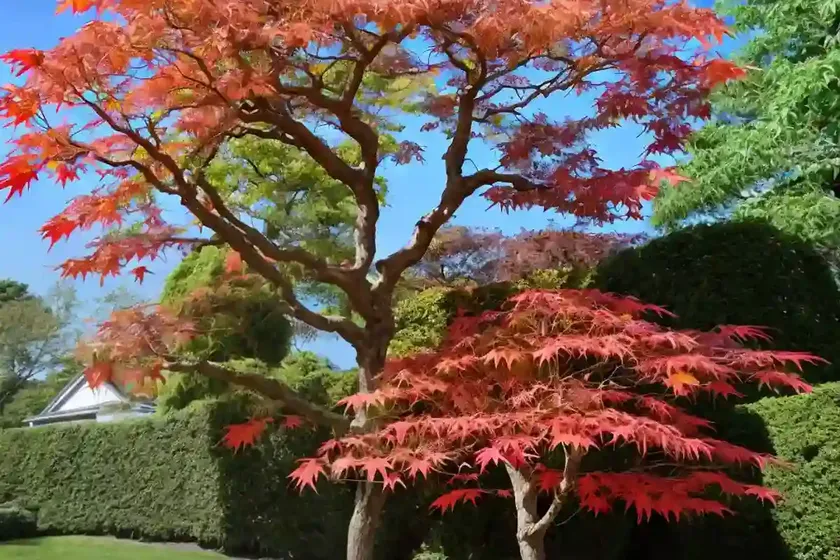
In spring, as new growth emerges, the leaves of the Full Moon Maple exhibit stunning colors, often ranging from vibrant oranges and reds to creamy yellow tones. This vibrant display adds a lively and enchanting element to the landscape, signaling the tree’s awakening from its winter dormancy.
Summer Foliage
During the summer months, the foliage of Acer shirasawanum ‘Moonrise’ transitions to shades of green with beautiful red undertones. The leaves maintain a lush and verdant appearance, contributing to a dynamic and visually appealing canopy.
Fall Foliage
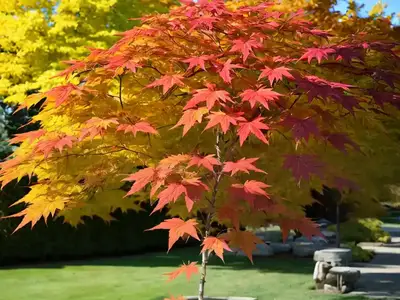
The most captivating display occurs in the fall when the Full Moon Maple’s leaves transform into an impressive array of colors, including fiery oranges, rich reds, and buttery yellows. This striking autumnal display is a cherished feature of the tree, enhancing the landscape with its vibrant and multicolored foliage.
Foliage Variations in Different Varieties
Various varieties of Acer shirasawanum ‘Moonrise’ exhibit unique foliage color variations, ranging from deep purples and oranges to brilliant golds and reds. Each variety presents a distinct and captivating display, adding diversity and intrigue to the landscape throughout the seasons.
By understanding the remarkable color changes in Acer shirasawanum ‘Moonrise’, gardeners can appreciate and harness the tree’s ornamental value, creating visually dynamic and captivating outdoor spaces.
Acer shirasawanum ‘Moonrise’ Landscaping Ideas
Incorporating Acer shirasawanum ‘Moonrise’ into landscape designs offers an array of creative opportunities to enhance outdoor spaces with its exceptional beauty, structure, and seasonal appeal. Utilizing this striking tree in various landscaping ideas allows gardeners to showcase its ornamental value and integrate it harmoniously into diverse garden settings.
Woodland Garden Settings
The Full Moon Maple thrives in woodland garden settings, where its partial shade preferences and vibrant foliage colors complement the dappled light and natural surroundings. Incorporating Acer shirasawanum ‘Moonrise’ alongside other shade-loving plants, such as ferns, hostas, and woodland wildflowers, creates a serene and enchanting woodland garden display.
Japanese-themed Gardens
As a native of Japan, Acer shirasawanum ‘Moonrise’ is an ideal choice for Japanese-themed gardens, where its graceful form and captivating foliage bring an authentic and picturesque element to the design. Using the tree as a focal point or in combination with other Japanese garden elements, such as stone lanterns and tranquil water features, creates a tranquil and contemplative ambiance.
Specimen Planting
Planting Acer shirasawanum ‘Moonrise’ as a standalone specimen in the garden allows the tree to command attention and showcase its distinctive features. Whether positioned amidst a lush lawn or featured in a dedicated garden bed, the Full Moon Maple’s unique foliage colors and graceful form create a captivating focal point that anchors and elevates the landscape design.
Container Gardening
The compact size and ornamental value of the Full Moon Maple make it well-suited for container gardening, where it can be showcased on patios, balconies, and terraces. Pairing Acer shirasawanum ‘Moonrise’ with complementary flowering plants or ornamental grasses in containers adds a touch of elegance and visual interest to small outdoor spaces.
Seasonal Accents
Integrating Acer shirasawanum ‘Moonrise’ into seasonal landscaping displays allows for dynamic and ever-changing visual appeal. Utilize the tree’s vibrant spring, summer, and fall foliage colors to create captivating seasonal accents that infuse the landscape with lively and engaging elements throughout the year.
By exploring diverse landscaping ideas and incorporating Acer shirasawanum ‘Moonrise’ into garden designs, enthusiasts can harness the tree’s ornamental potential and create captivating outdoor spaces that delight and inspire.
Full Moon Maple Diseases and Pests
While Acer shirasawanum ‘Moonrise’ is