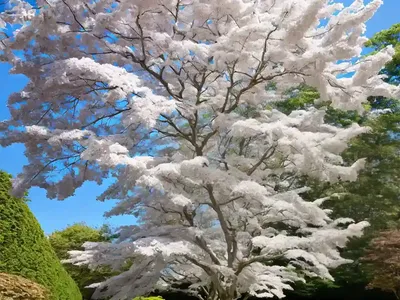
Acer Triflorum (Three-Flowered Maple)
As a plant scientist, I am excited to delve into the world of plants and explore the fascinating characteristics of Acer triflorum, commonly known as the.


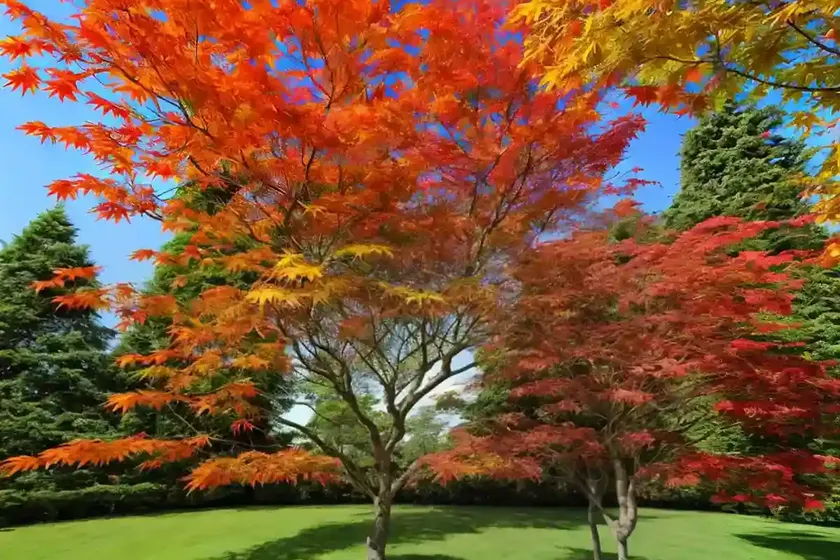
Acer triflorum (Three-Flowered Maple)
As a plant scientist, I am excited to delve into the world of plants and explore the fascinating characteristics of Acer triflorum, commonly known as the Three-Flowered Maple. This species belongs to the genus Acer, which encompasses a diverse array of trees and shrubs known for their stunning foliage and ornamental value. In this comprehensive guide, you will gain insights into the key aspects of Acer triflorum, including its description, cultivation requirements, uses, and much more.
What is Acer triflorum?
Acer triflorum is a deciduous tree that is native to East Asia, including regions of China and Korea. It is commonly cultivated for its striking foliage, which undergoes remarkable color changes throughout the seasons. The name “Three-Flowered Maple” is derived from the tree’s inflorescences, which consist of clusters of three flowers. This species is highly valued for its aesthetic appeal and its ability to thrive in various environmental conditions.
Key Takeaways – Acer triflorum
Let’s take a closer look at the essential characteristics and attributes of Acer triflorum that make it a noteworthy species for horticulturists, landscape enthusiasts, and nature lovers alike.
Characteristics
- Acer triflorum is a deciduous tree with a moderate growth rate, reaching a height of approximately 25 to 30 feet at maturity.
- The foliage of Acer triflorum is characterized by trifoliate compound leaves, meaning each leaf is composed of three leaflets. The leaves exhibit an attractive green color during the growing season and undergo striking color changes in the fall, transitioning to vivid shades of orange, red, and purple.
- The bark of Acer triflorum is another distinctive feature, developing an exfoliating texture that reveals shades of gray, brown, and orange, adding visual interest to the tree’s appearance.
- Its small, inconspicuous flowers are arranged in clusters of three, hence the species name “triflorum,” and they typically appear in spring.
- Acer triflorum is known for its adaptability and resilience, making it suitable for various landscapes, including urban environments.
Now that we have explored the fundamental characteristics of Acer triflorum, let’s delve into the specific aspects related to its cultivation, uses, and maintenance.
Cultivation
Soil Requirements
When cultivating Acer triflorum, it is crucial to provide well-draining soil that is rich in organic matter. The tree is adaptable to a range of soil types, including loamy and sandy soils. However, it is essential to avoid waterlogged conditions, as excessive moisture can lead to root rot and other issues.
Sun Exposure
Acer triflorum thrives in locations with full to partial sun exposure. It performs best in areas that receive ample sunlight, which promotes healthy growth and vibrant foliage. While the tree can tolerate some shade, optimal sunlight exposure is preferred to encourage robust development.
Water Needs
In terms of water requirements, Acer triflorum prefers moderate moisture levels. During the establishment phase, regular watering is essential to support root establishment. Once the tree is well-established, it exhibits good drought tolerance, reducing the need for frequent watering. However, during prolonged dry spells, supplemental watering may be necessary to maintain its vitality.
Hardiness
Acer triflorum is renowned for its cold hardiness, making it suitable for regions with diverse climates. It is capable of withstanding harsh winter conditions, including frost and freezing temperatures. This attribute contributes to its versatility, as it can thrive in temperate and cold climates.
Uses
Landscape Design
Acer triflorum is prized for its ornamental attributes, making it a sought-after choice for landscape design. The tree’s striking foliage, captivating bark texture, and remarkable fall coloration make it a captivating addition to gardens, parks, and residential landscapes. It can be showcased as a focal point specimen or used in group plantings to enhance visual interest.
Urban Gardening
Due to its adaptability and tolerance to environmental stressors, Acer triflorum is well-suited for urban gardening and greening initiatives. It can flourish in urban settings, contributing to the enhancement of green spaces and the promotion of biodiversity within city environments.
Wildlife Habitat
The ecological significance of Acer triflorum extends to its role as a habitat tree for various wildlife species. Birds are particularly attracted to the tree, utilizing it for nesting sites and seeking shelter within its branches. The tree’s ecological value is further amplified by its potential to support pollinators and beneficial insects, contributing to overall ecosystem health.
Maintenance
Pruning
Pruning is an essential aspect of Acer triflorum maintenance, primarily aimed at shaping the tree and removing any damaged or diseased branches. It is advisable to conduct pruning during the dormant season to minimize stress on the tree and promote healthy regrowth. Additionally, periodic removal of deadwood and selective trimming can enhance the tree’s overall appearance and longevity.
Propagation
Acer triflorum can be propagated through various methods, including seed propagation and vegetative techniques such as hardwood cuttings. When propagating from seeds, it is important to collect ripe seeds and provide appropriate stratification to break dormancy and stimulate germination. Vegetative propagation methods involve taking cuttings from desirable individuals and employing specialized horticultural practices to encourage root development.
Container Popularity
While Acer triflorum is primarily suited for outdoor cultivation in spacious landscapes, it can also be grown in containers under the right conditions. This allows gardening enthusiasts with limited space to enjoy the beauty of this species on patios, balconies, and other confined settings. When growing Acer triflorum in containers, it is essential to select a spacious pot that provides ample room for root expansion and ensure proper drainage to prevent waterlogging.
Common Diseases
Disease Diagnosis
Acer triflorum is generally resilient to many common plant diseases, but it can be susceptible to certain ailments under unfavorable conditions. It is essential to monitor the tree for symptoms of foliar diseases, such as anthracnose and powdery mildew, which may occur in high humidity or overly wet conditions. Proper cultural practices, including adequate airflow and plant spacing, can mitigate the risk of disease development.
Common Pests
Pest Prevention
While Acer triflorum is relatively pest-resistant, it may encounter occasional pest issues, including aphids and scale insects. Regular inspection of the tree’s foliage and stems can help in early detection of pest infestations, enabling prompt intervention through targeted pest management strategies. Natural predators and beneficial insects can also contribute to pest control within the ecosystem.
Botanist’s Tips
Soil Enrichment
To promote optimal growth and development of Acer triflorum, enriching the soil with compost or organic amendments can enhance its overall vigor and resilience. This practice improves soil structure, fertility, and microbial activity, fostering a supportive environment for the tree’s root system.
Seasonal Care
Throughout the year, it is beneficial to provide seasonal care tailored to the specific requirements of Acer triflorum. This includes adequate watering during dry periods, mulching to conserve soil moisture and regulate temperature, and strategic fertilization to supply essential nutrients for robust growth.
Fun Facts
- The name Acer is derived from a Latin word meaning “sharp” or “bitter,” which alludes to the sap produced by some species within the genus.
- Acer triflorum is sought after by bonsai enthusiasts due to its elegant foliage and bark characteristics, which lend themselves well to miniature tree cultivation.
- In traditional medicine, certain parts of Acer triflorum have been utilized for their purported therapeutic properties, reflecting the cultural significance of the species.
Links to External Resources
As a plant scientist, it is essential to stay informed about the latest research, educational resources, and botanical organizations that contribute to the advancement of plant science. The following links provide valuable insights into Acer triflorum and its place within the broader botanical realm:
- Royal Horticultural Society – Acer triflorum
- United States Department of Agriculture – Plant Profile: Acer triflorum
- Missouri Botanical Garden – Acer triflorum
- American Conifer Society – Acer triflorum
In conclusion, Acer triflorum, or the Three-Flowered Maple, stands as a captivating and versatile species that holds cultural, ecological, and aesthetic significance. Its unique attributes and resilience make it a compelling subject of study for plant scientists and a cherished addition to diverse landscapes worldwide. By comprehensively understanding its characteristics, cultivation requirements, and ecological contributions, we can foster a deeper appreciation for the intrinsic value of Acer triflorum within the botanical tapestry.
References
– Leif K. (2020). How to Grow and Care for Acer Triflorum (Three-Flowered Maple). GardenBeast
– Sherald J.L., Hitz K., and Tattar T.A. (1991). Foliar Diseases of Landscape Trees in Kentucky. University of Kentucky Cooperative Extension Service
– Gilman E.F. and Watson D.G. (1993). Acer triflorum: Three-Flowered Maple. University of Florida Institute of Food and Agricultural Sciences
This comprehensive guide offers valuable insights into the essential characteristics, cultivation requirements, and ecological contributions of Acer triflorum, providing a holistic understanding of this remarkable species. Whether you are a horticulture enthusiast, a landscape designer, or a botany aficionado, the allure of Acer triflorum transcends boundaries and beckons for appreciation within the realm of plant science.