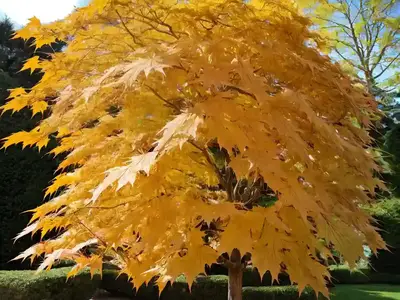
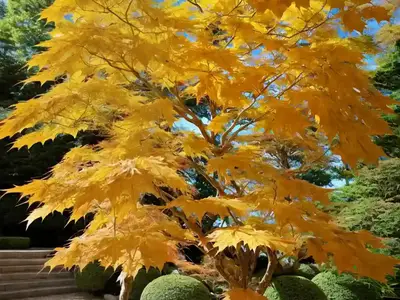
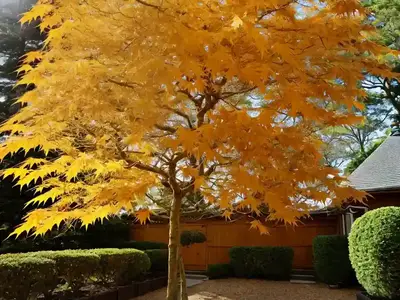
Acer Shirasawanum ‘Autumn Moon’ (Full Moon Maple)
Welcome to the fascinating world of plants! As a plant scientist, it is my pleasure to delve into the intricate details of one of the most captivating and.
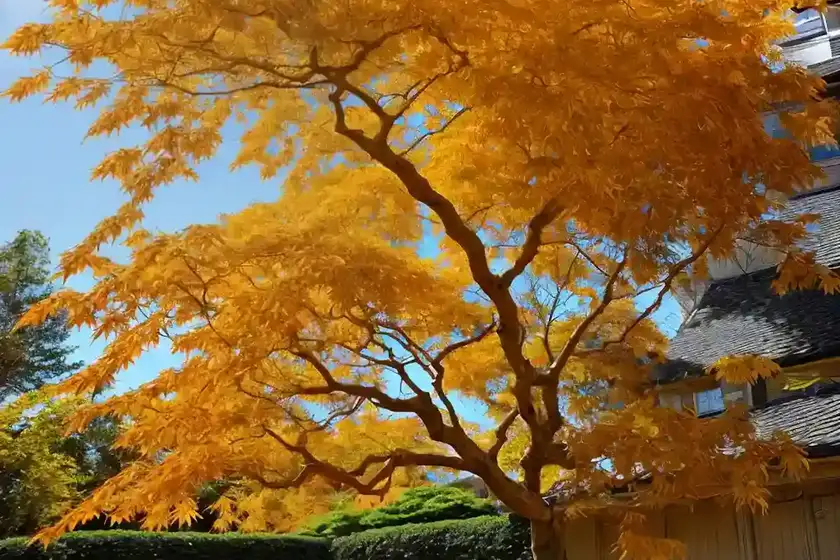
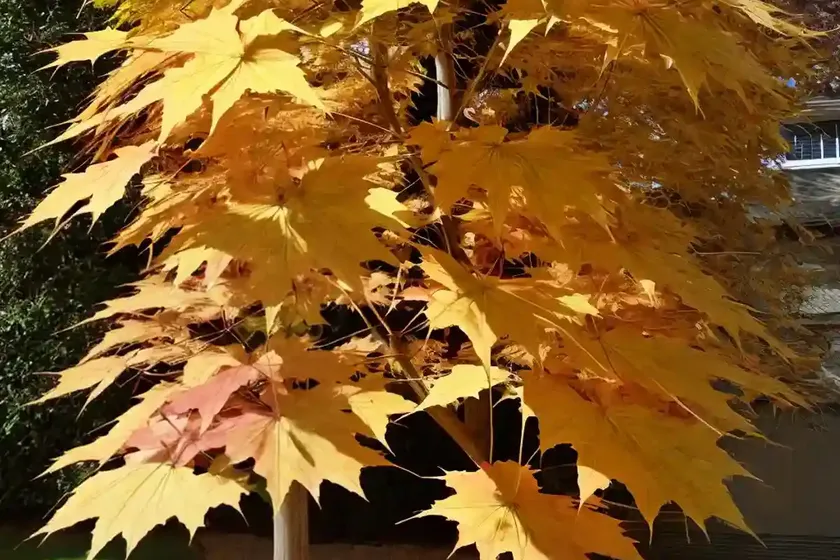
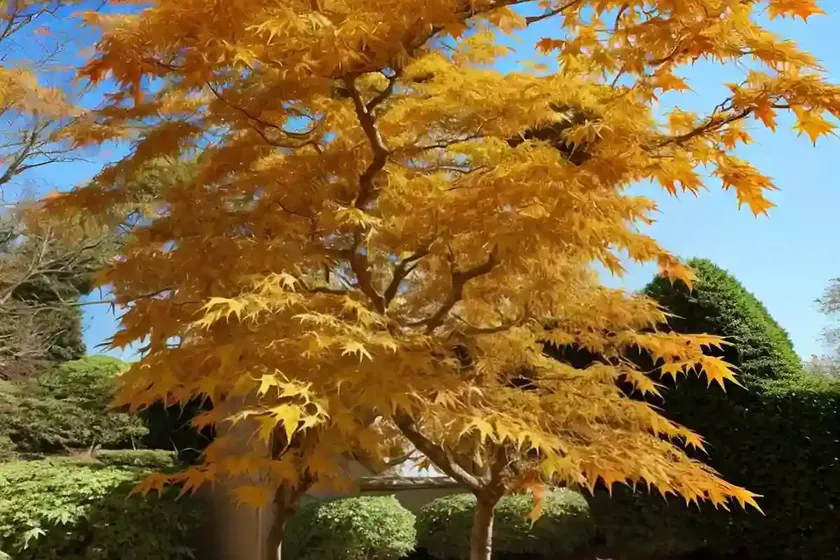
Welcome to the fascinating world of plants! As a plant scientist, it is my pleasure to delve into the intricate details of one of the most captivating and visually stunning plant species, Acer shirasawanum ‘Autumn Moon’ (Full Moon Maple). This extraordinary plant is celebrated for its radiant foliage, exquisite form, and versatile uses in landscaping and gardening.
What is Acer shirasawanum ‘Autumn Moon’?
Acer shirasawanum ‘Autumn Moon’, commonly known as the Full Moon Maple, is a spectacular and highly sought-after ornamental tree that belongs to the Aceraceae family. Native to Japan, this deciduous tree is renowned for its vibrant and dramatic foliage, which undergoes stunning color transformations throughout the seasons. The unique characteristics of Acer shirasawanum ‘Autumn Moon’ make it a prized addition to gardens, parks, and urban landscapes.
Key Takeaways – Acer shirasawanum ‘Autumn Moon’ (Full Moon Maple)
Before we delve into the intricate specifics, let’s first understand the key takeaways of the Full Moon Maple. This will provide a comprehensive overview of the plant and its essential attributes.
- Scientific Name: Acer shirasawanum ‘Autumn Moon’
- Common Name: Full Moon Maple
- Family: Aceraceae
- Origin: Japan
- Foliage: Striking, multi-colored leaves
- Growth Habit: Small to medium-sized deciduous tree
- Uses: Ornamental landscaping, garden focal point
Now, let’s embark on a journey to uncover the cultural requirements, uses, maintenance tips, and fascinating aspects of Acer shirasawanum ‘Autumn Moon’.
Culture
Understanding the cultural requirements of Acer shirasawanum ‘Autumn Moon’ is fundamental to ensuring its optimal growth and development. This encompasses various aspects such as water, sunlight, fertilizer, soil, and pruning techniques.
Water
Proper watering is crucial for the health and vitality of Acer shirasawanum ‘Autumn Moon’. The tree thrives in moist, well-drained soil that retains adequate moisture without becoming waterlogged. During the growing season, regular watering is essential to support the tree’s vigor and ensure its foliage remains lush and vibrant. Additionally, it’s important to monitor soil moisture levels, especially during dry periods, and adjust the watering frequency accordingly.
Sunlight
Acer shirasawanum ‘Autumn Moon’ excels when provided with partial shade to full sun. However, in regions with intense and prolonged summer heat, providing some protection from the harsh afternoon sun can prevent leaf scorch and maintain the overall health of the tree. The dappled shade of a woodland setting can also be ideal for this exquisite Japanese maple variety.
Fertilizer
Fertilization plays a vital role in nourishing Acer shirasawanum ‘Autumn Moon’ and promoting its vigorous growth. A balanced, slow-release fertilizer formulated for acid-loving plants is recommended. Applying the fertilizer in early spring, before the tree’s foliage fully emerges, can enhance its overall performance and support the development of healthy leaves and strong branches.
Soil
The Full Moon Maple thrives in well-drained, acidic soil with a pH range of 5.5 to 6.5. Incorporating organic matter, such as compost or peat moss, into the soil can improve its structure and fertility. Additionally, maintaining a layer of organic mulch around the base of the tree can help conserve soil moisture, regulate temperature, and suppress weed growth.
Uses
Acer shirasawanum ‘Autumn Moon’ is prized for its ornamental value and versatile uses in landscaping, gardens, and urban environments. Its striking foliage and graceful form make it an enchanting focal point, adding beauty and charm to any setting.
Landscape Ornament
The picturesque beauty of Acer shirasawanum ‘Autumn Moon’ makes it a coveted choice for ornamental planting. Whether as a standalone specimen or integrated into mixed plantings, its vibrant foliage and elegant silhouette contribute to breathtaking landscape designs. From Japanese-inspired gardens to modern architectural settings, the Full Moon Maple proves to be an enchanting presence.
Foliage Accent
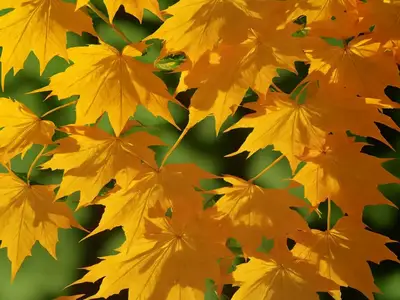
The captivating foliage of Acer shirasawanum ‘Autumn Moon’ serves as a captivating focal point, drawing attention with its vivid hues and unique leaf structure. Its distinct seasonal color changes add drama and interest to the landscape, creating an ever-evolving canvas of natural artistry.
Urban Greenery
In urban and suburban landscapes, the Full Moon Maple offers a refreshing touch of greenery and natural elegance. Planted along streets, in parks, or within civic spaces, it enhances the visual appeal of the environment and provides a soothing connection to nature amid the bustling cityscape.
Pruning
Proper pruning is essential for maintaining the health, form, and aesthetic appeal of Acer shirasawanum ‘Autumn Moon’. Pruning should be conducted with care and consideration for the tree’s natural growth pattern and specific requirements.
Pruning Goals
- Training: Shaping the young tree to establish a desirable form and structure.
- Thinning: Removing overcrowded or crossing branches to improve air circulation and light penetration.
- Deadwood Removal: Eliminating dead, diseased, or damaged branches to enhance the overall health and appearance of the tree.
- Size Control: Managing the size of the tree to suit its designated space and prevent overcrowding.
Pruning Techniques
When pruning Acer shirasawanum ‘Autumn Moon’, it is crucial to use clean, sharp tools and make precise cuts to minimize stress and damage to the tree. Additionally, pruning should be performed during the dormant season to mitigate the potential for sap bleeding and ensure the tree’s swift recovery.
Propagation
The propagation of Acer shirasawanum ‘Autumn Moon’ enables enthusiasts and horticulturists to propagate new plants and expand the presence of this captivating variety. While propagation methods such as seed germination and grafting are viable options, the Full Moon Maple is primarily propagated through the following techniques:
- Softwood Cuttings: Utilizing young, tender shoots for propagation during the growing season.
- Air Layering: Encouraging the growth of roots on a stem while it is still attached to the parent plant, allowing the rooted section to be separated and planted as a new tree.
Propagation Considerations
When propagating Acer shirasawanum ‘Autumn Moon’, it is important to ensure favorable environmental conditions, such as adequate moisture, warmth, and protection from extremes, to support the successful establishment of the new plants. Furthermore, selecting healthy, disease-free plant material is essential for generating robust and vigorous progeny.
Container Popularity
The versatility of Acer shirasawanum ‘Autumn Moon’ extends to its adaptability to container cultivation. This attribute makes it a desirable choice for those seeking to integrate its magnificent presence into patios, courtyards, and other confined spaces.
Container Selection
When cultivating the Full Moon Maple in containers, choosing a spacious, well-drained container that allows for adequate root expansion is crucial. Additionally, ensuring the container has sufficient drainage holes to prevent waterlogging is imperative for the tree’s well-being.
Care Requirements
Container-grown Acer shirasawanum ‘Autumn Moon’ requires regular monitoring to assess soil moisture levels and maintain optimal growing conditions. Adequate watering, fertilization, and protection from extreme temperature fluctuations are essential for the tree’s sustained health and vitality.
Design Applications
The container cultivation of the Full Moon Maple presents diverse design opportunities, allowing for its incorporation into various outdoor settings, such as terraces, balconies, and urban gardens. The striking foliage and compact growth habit of this Japanese maple variety lend themselves beautifully to container gardening, enriching confined spaces with natural elegance.
Common Diseases
While Acer shirasawanum ‘Autumn Moon’ is generally resilient, it can be susceptible to certain diseases that may compromise its health and appearance. Understanding these potential ailments is crucial for preemptive measures and effective management.
Disease Diagnosis
- Anthracnose: This fungal disease can manifest as leaf spots, defoliation, and twig dieback, particularly in wet and humid conditions.
- Verticillium Wilt: A soil-borne fungal disease that can lead to wilting, leaf scorch, and ultimately, the decline of the tree’s health.
- Tar Spot: Characterized by the development of black, tar-like spots on the leaves, which can affect the aesthetic appeal of the tree.
Disease Management
Implementing preventive measures, such as proper sanitation, promoting good air circulation, and avoiding over-watering, can help mitigate the risk of disease occurrence. Additionally, swift intervention through targeted fungicidal treatments and cultural practices is essential for addressing any disease issues that may arise.
Common Pests
The Full Moon Maple is relatively resistant to pest infestations but may occasionally encounter certain pests that can affect its vigor and aesthetic quality.
Pest Identification
- Aphids: These small, sap-sucking insects can congregate on the foliage, causing distortion and discoloration of the leaves.
- Scale Insects: Often found on the branches of the tree, scale insects can weaken the tree’s overall health through their feeding activities.
Pest Control
Natural predators, such as ladybugs and parasitic wasps, can contribute to the control of aphid populations. In cases of severe infestations, targeted insecticidal treatments may be necessary to manage pest populations and preserve the tree’s well-being.
Botanist’s Tips
To further enrich your understanding of Acer shirasawanum ‘Autumn Moon’ and optimize its growth and care, consider the following expert recommendations and insights.
- Seasonal Observation: Embrace the mesmerizing changes in the tree’s foliage color and texture across the seasons, which offer a captivating spectacle of natural beauty.
- Environmental Adaptability: Recognize the tree’s adaptability to various environmental conditions and its notable resilience during inclement weather.
Fun Facts
Uncover some delightful and intriguing facts about Acer shirasawanum ‘Autumn Moon’ that enhance its charm and allure.
- The name “Autumn Moon” alludes to the breathtaking display of the tree’s foliage during the autumn season, when it radiates warm, golden hues reminiscent of the harvest moon.
- The unique leaf shape and delicate texture of Full Moon Maple foliage contribute to its enchanting visual appeal, inviting admiration and fascination from enthusiasts and nature lovers alike.
Intrigued by the remarkable beauty and versatility of Acer shirasawanum ‘Autumn Moon’? Let’s now explore external resources and further expand your knowledge of this extraordinary plant.
Links to External Resources
To deepen your appreciation and understanding of Acer shirasawanum ‘Autumn Moon’ and its diverse aspects, I recommend exploring the following resources:
- Royal Horticultural Society – Acer shirasawanum ‘Autumn Moon’
- Missouri Botanical Garden – Full Moon Maple
- North Carolina State University – Japanese Maples for the Landscape
- American Conifer Society – Full Moon Maple Tree
Through these valuable resources, you can delve deeper into the botanical intricacies, horticultural practices, and aesthetic appreciation of Acer shirasawanum ‘Autumn Moon’, extending your fascination with this captivating plant.
In conclusion, Acer shirasawanum ‘Autumn Moon’ (Full Moon Maple) stands as a testament to the enchanting beauty and remarkable adaptability of ornamental trees. Its vibrant foliage, striking form, and versatile uses in garden and landscape settings render it an esteemed presence that captivates and inspires all who encounter it.
I hope this exploration into the world of Acer shirasawanum ‘Autumn Moon’ has enlightened and invigorated your appreciation for this magnificent plant. Until next time, keep discovering, learning, and reveling in the wonders of the botanical realm!
Disclaimer: The botanical and horticultural information provided in this blog post is intended for educational and informational purposes. For specific guidance and advice regarding the cultivation and care of Acer shirasawanum ‘Autumn Moon’, consult with qualified horticultural professionals and reference authoritative horticultural resources.