Octopus Tree (Schefflera Actinophylla)
Plants are an essential and captivating part of our natural world. They not only provide us with oxygen, food, and medicine but also contribute to the.
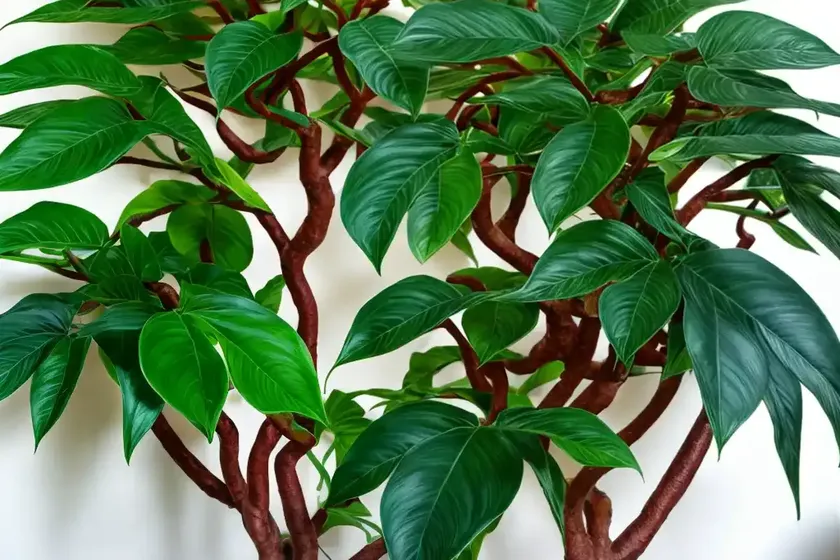
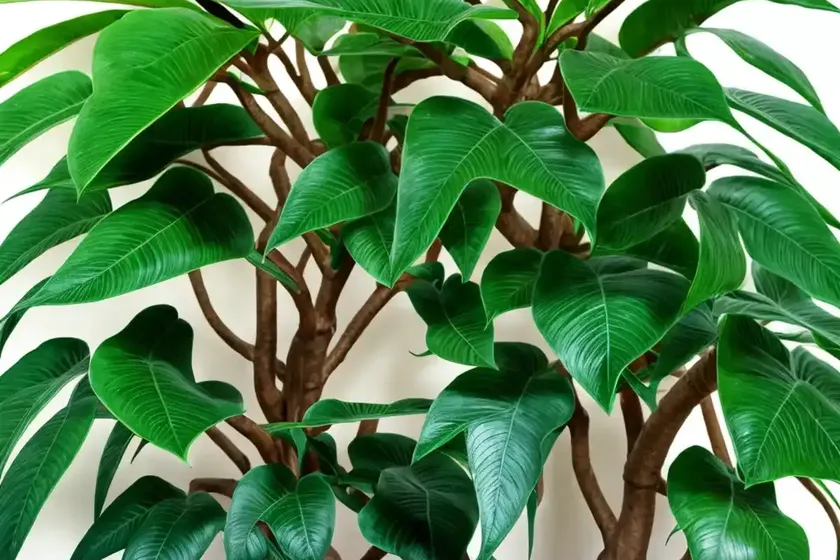
Plants are an essential and captivating part of our natural world. They not only provide us with oxygen, food, and medicine but also contribute to the overall beauty of our environment. Within the realm of plant species, one particularly intriguing specimen is the Octopus Tree, scientifically known as Schefflera actinophylla. With its unique appearance and a plethora of practical and ornamental uses, this tropical and subtropical tree has gained popularity among plant enthusiasts and horticulturists alike.
In this comprehensive guide, we will explore the mesmerizing species of Schefflera actinophylla, diving into its culture, uses, growth requirements, common diseases, and much more. Whether you’re an experienced gardener, a plant novice, or simply an admirer of the natural world, this blog post aims to provide invaluable insights into the world of the Octopus Tree.
- What is the Octopus Tree (Schefflera actinophylla)?
- Key Takeaways
- Octopus Tree (Schefflera actinophylla)
- Culture
- Uses
- Water
- Sunlight
- Fertilizer
- Soil
- Pruning
- Propagation
- Container Popularity
- Common Diseases
- Disease Diagnosis
- Common Pests
- Botanist’s Tips
- Fun Facts
- Links to External Resources
What is the Octopus Tree (Schefflera actinophylla)?
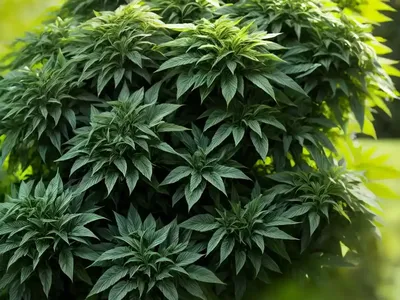
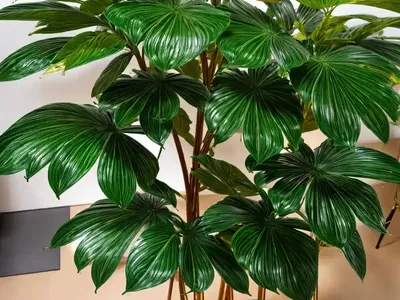
Octopus tree (Schefflera actinophylla), also known as the umbrella tree, is a species of flowering plant in the family Araliaceae. Native to Australia, New Guinea, and Java, this evergreen tree is known for its impressive, palmately compound leaves and its striking appearance, resembling the outstretched limbs of an octopus, hence its common name.
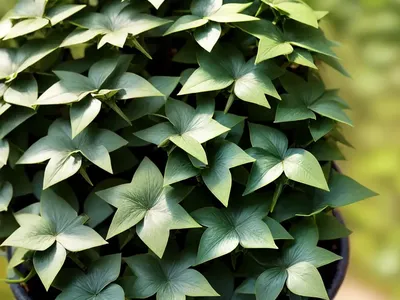
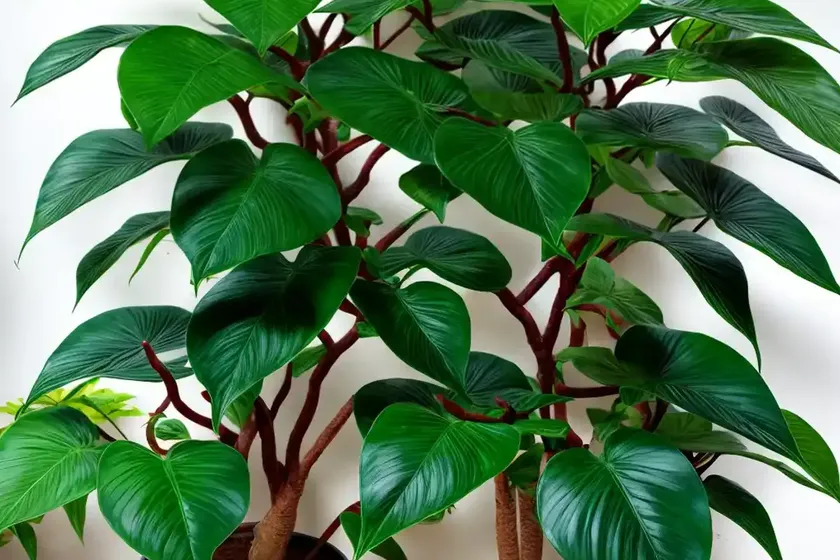
The tree features dark green, glossy leaves radiating from a central point, creating a canopy that bears a resemblance to an umbrella or the outstretched arms of an octopus, hence its vivid moniker. It can reach heights of up to 15 meters in its natural habitat, forming a majestic presence in tropical and subtropical landscapes.
Key Takeaways
Octopus Tree (Schefflera actinophylla)
- The Schefflera actinophylla, commonly named the Octopus tree, is a tropical and subtropical tree native to Australia, New Guinea, and Java.
- It is characterized by its palmately compound leaves that radiate from a central point, resembling the outstretched arms of an octopus.
- The tree can grow up to 15 meters in height and forms an impressive and expansive canopy, making it an eye-catching addition to any landscape or garden.
Now that we have a basic understanding of what the Octopus tree is, let’s delve into the various facets of cultivating and caring for this captivating plant.
Culture
Uses
The Octopus tree holds various practical and aesthetic purposes, making it a versatile and valuable addition to any garden or indoor space.
- Ornamental Purposes: Due to its striking appearance and expansive canopy, the Schefflera actinophylla is often used as an ornamental addition to landscapes, gardens, and indoor spaces, adding a touch of tropical elegance.
- Shade Provider: With its wide-reaching canopy, the tree is an excellent natural shade provider, making it an ideal choice for outdoor spaces requiring relief from the sun.
- Air Purification: Like many other plants, the Octopus tree contributes to air purification and can help improve indoor air quality, making it an excellent choice for interior decor.
Water
Proper watering is essential to the health and vitality of the Octopus tree. Understanding its water requirements is crucial for fostering optimal growth and preventing common issues such as root rot or dehydration.
- Watering Needs: The Schefflera actinophylla thrives best in moist but well-drained soil. It is important to water the tree thoroughly when the top inch of the soil feels dry, ensuring that the roots receive adequate hydration without becoming waterlogged.
Sunlight
As with most plants, sunlight plays a pivotal role in the growth and development of the Octopus tree. Understanding its light requirements is essential for providing an optimal environment for the tree to flourish.
- Light Requirements: The Octopus tree thrives in bright, indirect light. While it can tolerate some degree of shade, providing it with ample natural light will result in healthier growth and more vibrant foliage.
Fertilizer
Proper fertilization is key to ensuring that the Octopus tree receives the essential nutrients it needs to thrive.
- Fertilizing Schedule: The tree benefits from regular applications of a balanced, water-soluble fertilizer during the growing season (spring and summer). This helps to provide the necessary nutrients for robust growth and vibrant foliage.
Soil
The soil composition and quality are crucial factors in the successful cultivation of Schefflera actinophylla.
- Best Soil Type: The Octopus tree thrives in well-draining, nutrient-rich soil. A high-quality potting mix with good drainage characteristics is recommended for container-grown specimens. For outdoor cultivation, a fertile and well-draining soil with a slightly acidic to neutral pH is ideal.
Pruning
Pruning is an essential aspect of maintaining the health, aesthetics, and shape of the Octopus tree.
- Pruning Guide: Regular pruning can help control the size and shape of the tree, encourage branching, and remove any dead or diseased foliage. It’s essential to use clean and sharp pruning tools to ensure precise cuts and minimize the risk of damage or disease transmission.
Propagation
The propagation of the Octopus tree offers the opportunity to expand your plant collection and share this captivating species with others.
- Propagating Methods: Schefflera actinophylla can be propagated through stem cuttings and air layering. Both methods have proven to be effective in producing new plants with characteristics identical to the parent tree.
Container Popularity
The Octopus tree has gained significant popularity as a choice for container gardening, both indoors and outdoors.
- Indoor Decor: Due to its striking appearance and air-purifying qualities, the Schefflera actinophylla is a popular choice for indoor decor, adding a touch of tropical elegance to homes and offices.
- Outdoor Ambiance: When grown in containers, the tree can be used to create lush and vibrant outdoor settings on patios, balconies, and verandas, offering a taste of tropical beauty in more confined spaces.
Common Diseases
Disease Diagnosis
Understanding and identifying common diseases affecting the Octopus tree is pivotal in implementing timely and effective treatments.
- Leaf Spot: Fungal infections can lead to leaf spots, characterized by small, dark spots on the foliage. Proper airflow and avoiding overhead watering can help prevent this issue.
- Root Rot: Overwatering or poorly draining soil can lead to root rot, which manifests as yellowing or wilting foliage. Adjusting watering practices and ensuring proper soil drainage are crucial in preventing this disease.
Common Pests
Pest infestations can pose a threat to the health and appearance of the Octopus tree. Recognizing the signs of common pests and implementing appropriate pest control measures is essential for safeguarding the tree’s well-being.
- Spider Mites: These tiny pests can cause stippling and discoloration on the foliage. Regularly inspecting the undersides of leaves and using natural predators or horticultural oils can help control spider mite infestations.
Botanist’s Tips
For enthusiasts and horticulturists looking to cultivate and care for the Octopus tree, here are some expert tips for success:
- Humidity Control: The Schefflera actinophylla thrives in moderately humid environments. In indoor settings, misting the foliage or using a humidifier can help maintain adequate humidity levels.
- Adequate Drainage: Ensuring proper drainage for container-grown specimens is crucial in preventing waterlogged soil and subsequent root issues.
- Regular Monitoring: Regularly inspecting the tree for signs of pests, diseases, or environmental stress can help address issues promptly and maintain the tree’s health.
Fun Facts
- The Schefflera actinophylla is not only a visually striking plant but also offers potential benefits in terms of air purification and humidity regulation, making it a multi-functional addition to any space.
- Its unique appearance and versatility make it a popular choice for both novice and seasoned plant enthusiasts alike.
With its striking appearance, ornamental value, and practical uses, the Octopus tree continues to enchant and captivate plant enthusiasts, adding a touch of tropical allure to indoor and outdoor spaces alike.
Links to External Resources
For further information on the cultivation and care of Schefflera actinophylla, the following resources provide valuable insights and practical tips:
- Schefflera Actinophylla Care Guide – The Spruce
- Growing Schefflera Actinophylla Indoors – Gardening Know How
- Octopus Tree: A Statement Plant for Your Home – Houseplant Central
- Caring for Schefflera Actinophylla – Plantophiles
- Schefflera Actinophylla: An Easy-To-Maintain Houseplant – Bloomscape Blog
- Octopus Tree (Schefflera Actinophylla) – University of Florida, Center for Landscape Conservation and Ecology
The realm of Schefflera actinophylla transcends its captivating appearance, offering practical benefits, ornamental value, and a fascinating subject of study for plant enthusiasts and scientists alike. Whether it adorns your living space, embellishes your garden, or becomes a focal point for research, the Octopus tree continues to stand out as a truly remarkable and versatile plant species.