Yew (Taxus x media ‘Beanpole’): A Comprehensive Guide
Yew plants are popular choices for landscaping and gardens, known for their aesthetic appeal and versatility. Among the numerous yew plant varieties, Taxus x media ‘Beanpole’ stands out for its unique characteristics and uses. In this guide, we will explore everything you need to know about the yew (Taxus x media ‘Beanpole’), including its culture, uses, maintenance, and much more.
What is Yew (Taxus x media ‘Beanpole’)?
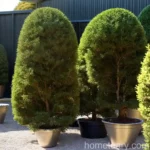
The Taxus x media ‘Beanpole’ is a cultivar of the yew plant, scientifically known as Taxus x media. This evergreen shrub boasts an upright, columnar growth habit, making it an excellent choice for vertical accents in gardens and landscapes. The ‘Beanpole’ variety is prized for its dense, narrow form, which makes it ideal for creating hedges, screens, and focal points in outdoor settings.
Key Takeaways – Yew (Taxus x media ‘Beanpole’)
Before we delve deeper into the specifics of the ‘Beanpole’ yew plant, let’s look at some key takeaways that will guide our exploration of its culture, uses, and maintenance:
- Plant Name: Yew (Taxus x media ‘Beanpole’)
- Height and Spread: Up to 15-20 feet in height and 3-4 feet in spread
- Growth Rate: Slow to moderate
- Sunlight: Partial to full sun
- Soil: Well-drained soil, adaptable to various soil types
- Water: Moderate watering needs once established
- Uses: Hedges, screens, vertical accents, landscaping focal points
- Maintenance: Pruning for shape and size control, disease and pest management
With these key points in mind, we can now explore the specifics of cultivating and caring for the yew (Taxus x media ‘Beanpole’).
Culture
Cultivating the yew (Taxus x media ‘Beanpole’) entails understanding its specific requirements regarding water, sunlight, soil, fertilizer, and pruning. Let’s break down each of these cultural aspects in detail:
Uses
Yew (Taxus x media ‘Beanpole’) offers a range of uses in landscaping and garden design. Some of its notable applications include:
- Hedges: The dense, upright growth habit of ‘Beanpole’ yew makes it an excellent choice for creating formal hedges. Its narrow form allows for the development of well-defined hedge lines, adding structure to outdoor spaces.
- Vertical Accents: Planted as singular specimens or in groups, ‘Beanpole’ yew serves as a striking vertical accent in gardens and landscapes. Its slender profile creates visual interest and can be strategically positioned to draw attention to specific areas.
- Screens: When planted in rows, ‘Beanpole’ yew acts as an effective visual barrier, providing privacy and defining boundaries within outdoor settings.
- Focal Points: Due to its distinctive columnar growth, the ‘Beanpole’ variety can be used as a focal point in landscape designs, drawing the eye upward and adding a sense of vertical dimension to the scenery.
These diverse uses make yew (Taxus x media ‘Beanpole’) a versatile and valuable addition to various outdoor settings.
Water
Proper watering is essential for the health and vitality of yew (Taxus x media ‘Beanpole’). While the plant demonstrates moderate drought tolerance once established, regular watering is crucial, especially during its initial establishment phase. Here are some guidelines for watering ‘Beanpole’ yew:
- Establishment Phase: Newly planted ‘Beanpole’ yew specimens require regular watering to facilitate root establishment. Providing deep, thorough watering sessions at least twice a week during the growing season is recommended.
- Mature Plants: Once established, yew (Taxus x media ‘Beanpole’) requires moderate watering. This typically entails providing moisture when the soil begins to dry out, focusing on maintaining adequate soil moisture without overwatering.
- Signs of Overwatering: It’s important to monitor the plant for signs of overwatering, such as waterlogged soil and wilting despite sufficient moisture. Adjusting the watering frequency based on environmental conditions and the plant’s specific needs is crucial for its overall health.
Sunlight
The ‘Beanpole’ yew thrives in partial to full sun conditions, making it adaptable to a range of light intensities. However, considerations for sun exposure include:
- Full Sun: When planted in full sun, ‘Beanpole’ yew exhibits optimal growth and foliage density, contributing to its visual appeal and structural integrity.
- Partial Sun: While yew (Taxus x media ‘Beanpole’) tolerates partial sun conditions, it may exhibit slightly reduced growth and foliage density compared to specimens planted in full sun. Nevertheless, it remains a viable option for areas with limited sunlight.
Understanding the sunlight preferences of ‘Beanpole’ yew allows for informed placement within the landscape, ensuring that it receives the appropriate light conditions for its development.
Fertilizer
Fertilizing yew (Taxus x media ‘Beanpole’) can help maintain its vigor and overall health. When considering fertilizer application, it’s important to take into account the nutrient requirements of the plant and the timing of fertilization:
- Nutrient Requirements: Yew (Taxus x media ‘Beanpole’) benefits from balanced, slow-release fertilizers formulated for woody plants. These fertilizers should offer a blend of essential macro and micronutrients to support the plant’s growth and development.
- Timing: Fertilization can be carried out in early spring, before the onset of new growth, to provide the plant with essential nutrients for the growing season. Care should be taken to avoid late-season fertilization, which can stimulate late growth that may be susceptible to winter damage.
By adhering to an appropriate fertilization schedule and selecting the right fertilizer products, yew (Taxus x media ‘Beanpole’) can receive the necessary nutrients to thrive in its growing environment.
Soil
Yew (Taxus x media ‘Beanpole’) exhibits adaptability to various soil types, provided that the soil is well-drained and offers favorable growing conditions. Key considerations for soil include:
- Well-Drained Soil: The ‘Beanpole’ yew thrives in well-drained soils, as excessive moisture retention can lead to root issues and overall decline. Amending heavy or poorly draining soils with organic matter can improve soil structure and drainage, promoting optimal growing conditions for the plant.
- pH Preferences: Yew plants, including ‘Beanpole’ varieties, prefer slightly acidic to neutral soil pH levels ranging from 6.0 to 7.5. Monitoring and adjusting soil pH as needed can help create a suitable growing environment for the plant.
Understanding the soil requirements of yew (Taxus x media ‘Beanpole’) is essential for providing an ideal foundation for its growth and development.
Pruning
Pruning plays a crucial role in shaping and maintaining the form of yew (Taxus x media ‘Beanpole’), enabling it to fulfill its intended landscape and garden design roles effectively. Consider the following guidelines for pruning ‘Beanpole’ yew:
- Pruning Timing: Pruning can be conducted in early spring or late winter to maintain the desired shape and size of the plant. This timeframe allows for the removal of any damaged or overgrown branches while accommodating new growth during the upcoming growing season.
- Shape Control: ‘Beanpole’ yew can be pruned to achieve a specific form, such as a narrow columnar shape for formal hedges or standalone vertical accents. Regular shaping ensures that the plant maintains its intended visual impact within the landscape.
- Branch Removal: Removing dead, diseased, or damaged branches is crucial for the overall health and appearance of the plant. Additionally, thinning out dense growth can promote better air circulation and light penetration within the canopy.
By implementing strategic pruning practices, yew (Taxus x media ‘Beanpole’) can be showcased to its full potential while supporting its long-term health.
Propagation
Propagating yew (Taxus x media ‘Beanpole’) involves methods such as cuttings and seed germination. Each approach offers unique considerations and techniques for successful propagation:
- Cuttings: Propagating ‘Beanpole’ yew from cuttings involves selecting semi-hardwood or hardwood cuttings from healthy, established plants. These cuttings can be rooted in a suitable growing medium under controlled environmental conditions to encourage the development of new roots and subsequent growth.
- Seed Germination: Yew seeds can also be used for propagation, although this method requires patience due to the slow germination and initial growth of yew seedlings. Strategic seed preparation and cultivation practices can improve the success rate of yew seed germination.
Understanding the propagation methods for yew (Taxus x media ‘Beanpole’) facilitates the expansion of its presence within a landscape or garden, offering opportunities for new plantings and design enhancements.
Container Popularity
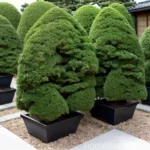
In addition to its uses in outdoor landscapes, yew (Taxus x media ‘Beanpole’) has gained popularity as a container plant for various settings, including patios, entryways, and urban environments. Some factors contributing to its container popularity include:
- Compact Growth: The upright, narrow form of ‘Beanpole’ yew lends itself well to container culture, allowing for vertical accents and space-efficient plantings.
- Versatile Design Applications: Container-grown ‘Beanpole’ yew can be used to create focal points, privacy screens, or accents within outdoor living spaces, providing flexibility in design and layout.
- Adaptability: When provided with suitable growing conditions and maintenance, yew (Taxus x media ‘Beanpole’) can thrive in containers, offering benefits for small gardens, urban settings, and areas with limited planting space.
These factors contribute to the increasing use of yew (Taxus x media ‘Beanpole’) as a container plant, expanding its presence beyond traditional garden settings.
Common Diseases
While yew (Taxus x media ‘Beanpole’) is known for its durability, it can be susceptible to certain diseases that require vigilance and management. Common diseases affecting yew plants include:
- Phytophthora Root Rot: This soil-borne disease can lead to root rot and decline in yew plants, causing symptoms such as wilting, yellowing foliage, and eventual dieback. Implementing proper soil drainage and cultural practices can help mitigate the impact of Phytophthora root rot.
- Needle Blight: Fungal pathogens can cause needle blight in yew plants, resulting in browning and shedding of foliage. Pruning infected branches and promoting good air circulation can aid in managing needle blight and preventing its spread.
By staying attuned to common yew plant diseases and their associated symptoms, proactive measures can be taken to safeguard the health and vitality of ‘Beanpole’ yew specimens.
Disease Diagnosis
Diagnosing diseases in yew (Taxus x media ‘Beanpole’) involves a vigilant approach to identifying symptoms and implementing appropriate management strategies. Key steps in disease diagnosis include:
- Symptom Recognition: It’s important to familiarize oneself with the visual symptoms of common yew diseases, such as changes in foliage color, texture, and overall appearance.
- Pathogen Identification: Understanding the causal agents of yew plant diseases, such as fungi or soil-borne pathogens, enables targeted management approaches tailored to specific disease threats.
- Cultural and Chemical Control Measures: Implementing cultural practices, such as proper watering and pruning, and considering chemical control options when necessary, can aid in mitigating disease impact and preventing recurrence.
By developing a proactive stance toward disease diagnosis and management, the overall health and longevity of yew (Taxus x media ‘Beanpole’) can be preserved within the landscape.
Common Pests
Yew (Taxus x media ‘Beanpole’) can encounter pest challenges that require attention and intervention to prevent damage and maintain plant vigor. Some common pests affecting yew plants include:
- Scale Insects: These tiny pests can infest yew plants, causing symptoms such as honeydew secretion, leaf yellowing, and stunted growth. Targeted insecticidal treatments and regular inspection can aid in scale insect control.
- Spider Mites: These arachnids can feed on yew foliage, leading to stippling, webbing, and overall decline. Implementing practices to promote natural predator populations and using horticultural oils can help manage spider mite infestations.
Understanding the pest profile of yew (Taxus x media ‘Beanpole’) enables proactive pest control and long-term preservation of the plant’s health and aesthetics.
Botanist’s Tips
From a botanist’s perspective, cultivating and caring for yew (Taxus x media ‘Beanpole’) involves several key tips and recommendations to ensure its success within a landscape or garden setting:
- Site Selection: When considering planting locations, prioritize well-drained, fertile soil with adequate sunlight exposure to support the growth and vitality of ‘Beanpole’ yew specimens.
- Pruning Best Practices: Emphasize regular, strategic pruning to maintain the desired form and shape of yew (Taxus x media ‘Beanpole’), promoting its aesthetic appeal and structural integrity within the landscape.
- Vigilant Monitoring: Engage in regular monitoring of yew plants for signs of disease, pest infestations, and environmental stress, allowing for timely intervention and corrective measures when necessary.
By incorporating botanist’s tips into the cultivation and care of yew (Taxus x media ‘Beanpole’), individuals can promote its overall health and visual impact within outdoor environments.
Fun Facts
To further appreciate the distinctiveness of yew (Taxus x media ‘Beanpole’), consider the following fun facts about this remarkable plant:
- Ancient Symbolism: The yew tree has held symbolic significance in various cultures and traditions, often associated with longevity, strength, and rebirth.
- Toxicity: Yew plants, including ‘Beanpole’ varieties, contain toxic compounds in their foliage and seeds, making them unsuitable for consumption and requiring caution when planted in areas accessible to pets and livestock.
- Historical Uses: Yew wood has historically been used for crafting longbows, showcasing its durability and flexibility as a material.
These fun facts provide additional insight into the rich botanical and cultural heritage of yew plants, enriching the appreciation of their presence in outdoor settings.
Links to External Resources
For further exploration of yew (Taxus x media ‘Beanpole’) and related topics, consider the following external resources:
- American Conifer Society – Yew (Taxus x media) Varieties
- Royal Horticultural Society – Taxus x media ‘Beanpole’ Information
- The Spruce – Growing Yew Plants in the Landscape
These resources offer valuable insights, practical tips, and in-depth information to support the cultivation, uses, and care of yew (Taxus x media ‘Beanpole’) within diverse outdoor settings.
In conclusion, the yew (Taxus x media ‘Beanpole’) stands as a captivating and versatile plant with a wealth of uses and attributes that enrich outdoor landscapes and gardens. By understanding its culture, uses, maintenance requirements, and botanist’s tips, individuals can cultivate and care for ‘Beanpole’ yew with confidence and appreciation for its enduring contributions to the botanical tapestry of outdoor environments.