Wood Sage (Salvia x sylvestris ‘Rose Queen’): A Comprehensive Guide
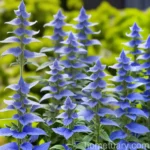
In the world of gardening and horticulture, the wood sage plant, scientifically known as Salvia x sylvestris ‘Rose Queen’, holds a special place. This versatile perennial with its stunning rose-pink flowers has been cherished by gardeners, landscapers, and nature enthusiasts for its aesthetic appeal and ecological value. In this comprehensive guide, we will delve into the various aspects of wood sage and understand how to care for it, its uses, growth habits, and much more.
What is Wood Sage (Salvia x sylvestris ‘Rose Queen’)?
Wood sage, Salvia x sylvestris ‘Rose Queen’, is a cultivar of the Salvia sylvestris species, commonly known as wood sage or meadow sage. Belonging to the mint family Lamiaceae, this herbaceous perennial is native to Europe and western Asia. The ‘Rose Queen’ variety is particularly popular for its stunning rose-pink flowers that bloom abundantly during the summer months, attracting pollinators and adding vibrant color to gardens and landscapes.
Key Takeaways – Wood Sage (Salvia x sylvestris ‘Rose Queen’)
- Plant Name: Wood Sage (Salvia x sylvestris ‘Rose Queen’)
- Botanical Classification: Salvia x sylvestris
- Common Name: Rose Queen Wood Sage
- Type: Herbaceous perennial
- Flower Color: Rose-pink
- Cultural Significance: Ornamental, ecological value, medicinal uses
- Growth Habit: Clump-forming, upright stems, aromatic foliage
- Hardiness Zone: USDA Zones 4-8
- Water Needs: Moderate
- Sunlight Requirement: Full sun to partial shade
- Soil Type: Well-draining, fertile soil
- Uses: Ornamental gardens, pollinator gardens, medicinal herb
- Common Pests: Aphids, spider mites
- Common Diseases: Powdery mildew, root rot
- Propagation: Seeds, division, cuttings
- Special Features: Wildlife attraction, aromatic foliage, long blooming period
Now, let’s explore each aspect of wood sage in detail to understand how to cultivate and care for this beautiful perennial.
Culture
Culturally, wood sage holds significance as an ornamental plant and has been cultivated for its aesthetic appeal and ecological value. Its vibrant rose-pink flowers and aromatic foliage make it a popular choice for various landscaping and gardening purposes.
Uses
Ornamental Value
The ‘Rose Queen’ wood sage is primarily grown for its ornamental value, adding bursts of color to garden beds, borders, and pollinator gardens. Its long blooming period and attractive flowers make it an eye-catching addition to any landscape.
Medicinal Uses
In addition to its ornamental value, wood sage has historical uses in traditional medicine. Its leaves are known to have medicinal properties and have been used to make herbal teas for a variety of health benefits.
Water
Wood sage prefers moderate watering, and the soil should be kept evenly moist, especially during its active growing season. However, it is important to avoid overwatering, as it may lead to root rot and other moisture-related issues.
Sunlight
In terms of sunlight requirements, wood sage thrives in full sun to partial shade. It performs best in locations where it receives at least 6-8 hours of direct sunlight per day. In regions with hot summers, providing some afternoon shade can be beneficial.
Fertilizer
Wood sage is not particularly demanding when it comes to fertilizer. A balanced, slow-release fertilizer applied in spring can help support healthy growth and abundant flowering. It’s important to follow the recommended application rates to avoid over-fertilization.
Soil
The ideal soil for wood sage is well-draining and fertile. It thrives in loamy or sandy soils with a slightly acidic to neutral pH. Incorporating organic matter into the soil before planting can improve its fertility and drainage, promoting robust growth.
Pruning
Pruning plays a crucial role in maintaining the health and vigor of wood sage. Here are some key aspects to consider when pruning this perennial:
- Deadheading: Removing spent flowers encourages continuous blooming and prevents self-seeding, especially if a more controlled growth habit is desired.
- Spring Pruning: In early spring, cutting back the previous year’s growth to a few inches above the ground helps stimulate new growth and maintains a tidy appearance.
Propagation
Wood sage can be propagated through various methods, including seeds, division, and cuttings.
- Seeds: Collecting and sowing seeds in well-prepared seed beds in late spring can yield new plants that will bloom in the following year.
- Division: Dividing mature clumps in early spring or fall is a reliable way to propagate wood sage and rejuvenate older plants.
- Cuttings: Taking stem cuttings in late spring or early summer and rooting them in a suitable growing medium can also result in new plants.
Container Popularity
Wood sage is well-suited for container gardening, particularly for individuals with limited garden space or those looking to create portable displays of color and fragrance. When grown in containers, it’s important to select a pot with good drainage and provide adequate care to ensure the plant’s health and vitality.
Container Planting Guide
When planting wood sage in containers, consider the following tips:
- Select a container that is large enough to accommodate the plant’s root system and has drainage holes at the bottom.
- Use a well-draining potting mix with a balanced blend of organic matter and perlite or sand.
- Place the container in a location that provides the appropriate sunlight exposure for wood sage’s growth requirements.
- Water the plant thoroughly, allowing excess water to drain out of the container, and avoid waterlogging the soil.
- Fertilize the plant sparingly, following the recommended application rates for potted plants.
Common Diseases and Pests
Like any other plant, wood sage is susceptible to certain diseases and pests. Being aware of these potential issues can help in early detection and effective management.
Disease Diagnosis
Powdery Mildew
Powdery mildew, a fungal disease, can affect wood sage, manifesting as a powdery white growth on the foliage. To prevent the spread of powdery mildew, it’s important to provide adequate air circulation and avoid overhead watering.
Root Rot
Excessive moisture, especially in poorly-drained soils, can lead to root rot in wood sage. Symptoms include wilting, yellowing foliage, and a foul odor from the roots. Improving soil drainage and adjusting watering practices are essential for prevention.
Common Pests
Aphids
Aphids are common pests that may infest wood sage, often congregating on the undersides of leaves and causing damage through their feeding activity. Insecticidal soaps or horticultural oils can be used to control aphid populations.
Spider Mites
Spider mites are tiny arachnids that can suck the sap from wood sage leaves, causing stippling and discoloration. Regularly inspecting the plant and using appropriate miticides can help manage spider mite infestations.
Botanist’s Tips
As a botanist, here are some additional tips and insights for cultivating and appreciating wood sage:
- Companion Plants: Consider planting wood sage alongside other pollinator-friendly perennials and herbs to create a vibrant and biodiverse garden.
- Wildlife Attraction: The nectar-rich flowers of wood sage attract bees, butterflies, and other pollinating insects, contributing to the overall biodiversity of the garden.
- Landscaping Ideas: Incorporate wood sage into mixed borders, cottage gardens, and naturalistic landscapes for its visual appeal and ecological benefits.
Fun Facts
- The specific epithet “sylvestris” in the botanical name Salvia x sylvestris translates to “of the woods” in Latin, reflecting its natural habitat and growth habits.
- Wood sage has been historically used in herbal medicine for its purported medicinal properties, adding to its cultural and historical significance.
Links to External Resources
For further information and resources related to wood sage (Salvia x sylvestris ‘Rose Queen’), refer to the following links:
- Royal Horticultural Society – Salvia x sylvestris ‘Rose Queen’
- Missouri Botanical Garden – Salvia x sylvestris ‘Rose Queen’
In conclusion, wood sage (Salvia x sylvestris ‘Rose Queen’) stands out as a charming and versatile perennial, offering both aesthetic and ecological benefits to gardens and landscapes. By understanding its cultural significance, growth requirements, propagation methods, and pest management strategies, enthusiasts and horticulturists can effectively cultivate and appreciate this beautiful plant in their own green spaces. Whether it’s the vibrant display of rose-pink flowers or its value as a pollinator-friendly species, wood sage undoubtedly enriches the biodiversity and visual appeal of any garden.
Remember, each wood sage plant has its own unique story to tell, and by cultivating and caring for it, we become part of its ever-unfolding narrative in the world of plants and gardens.