Witch Hazel (Hamamelis x intermedia ‘Double Gold’) – A Complete Guide
Witch hazel, scientifically known as Hamamelis x intermedia ‘Double Gold’, is a captivating shrub that enthralls gardeners with its unique characteristics. From its golden winter blooms to its medicinal uses, this plant has become a beloved addition to landscapes across the world. In this comprehensive guide, we will explore every aspect of witch hazel – from its culture and uses to its propagation and common diseases. Join me on this journey as we unravel the captivating world of witch hazel.
What is Witch Hazel (Hamamelis x intermedia ‘Double Gold’)?
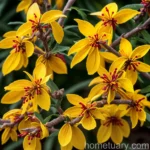
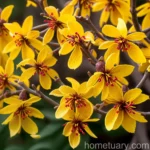
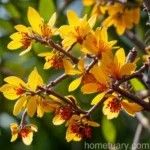
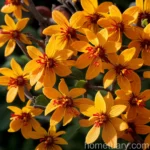
Witch hazel is a deciduous shrub known for its fascinating yellow, spidery flowers that bloom in the depths of winter. It belongs to the genus Hamamelis, consisting of several species that are native to North America and Asia. The specific cultivar, ‘Double Gold’, is revered for its double-petaled, golden blooms that emit a delightful fragrance, attracting attention even in the coldest months.
The mesmerizing display of golden blossoms against the backdrop of winter snow is truly a sight to behold, making witch hazel a prized addition to cold-climate gardens. Its ornamental value and practical uses have cemented its place as a notable plant for those seeking winter interest, coupled with captivating visual appeal.
Key Takeaways – Witch Hazel (Hamamelis x intermedia ‘Double Gold’)
Let’s delve into the key takeaways of this remarkable plant, summarizing its features and attributes:
- Winter Blooming: Witch hazel blooms during the winter, adding vibrant color to the landscape when most plants are dormant.
- Fragrant Flowers: The flowers of ‘Double Gold’ witch hazel emit a delightful fragrance, enhancing the sensory experience of the garden.
- Medicinal Uses: The leaves, bark, and twigs of witch hazel have been used traditionally for their medicinal properties, particularly in skincare and herbal remedies.
- Gold Foliage: In addition to its golden flowers, ‘Double Gold’ displays stunning yellow foliage in autumn, offering multi-seasonal interest.
- Cold Tolerance: Witch hazel exhibits exceptional cold tolerance, thriving in chilly climates and providing vital sustenance for pollinators during winter.
- Low Maintenance: This shrub is relatively low maintenance, making it an attractive choice for gardeners seeking easy-care plants with exceptional visual impact.
Now that we have outlined the core characteristics of witch hazel, let’s proceed to explore the plant’s culture, uses, and maintenance requirements in detail.
Culture
Water
Witch hazel thrives in moist, well-drained soil. It is essential to provide sufficient water, especially during the establishment phase. Once established, witch hazel exhibits good drought tolerance, but regular watering during extended dry spells can promote optimal growth and floral display.
Sunlight
For best performance, ‘Double Gold’ witch hazel should be planted in a location that receives partial to full sun. While it can tolerate partial shade, placing it in a site with ample sunlight promotes vigorous growth and abundant flowering.
Fertilizer
These shrubs typically do not require heavy fertilization. A balanced fertilizer applied in spring, before the onset of new growth, can support healthy development. It is crucial to follow recommended dosages to prevent over-fertilization, which can adversely impact the plant.
Soil
Witch hazel thrives in slightly acidic to neutral soil with good drainage. Amending the soil with organic matter can enhance its moisture-retention capacity while maintaining proper drainage – a crucial factor for the plant’s overall health.
Uses
Ornamental
Witch hazel is primarily valued for its ornamental attributes. Its golden, fragrant blooms and vibrant autumn foliage make it a stunning addition to any garden, particularly in regions with cold winters. ‘Double Gold’ contributes to winter interest, infusing the landscape with warmth and color during the season’s starkness.
Medicinal
Traditionally, witch hazel has been revered for its medicinal properties. The plant’s bark, leaves, and twigs are processed to yield a natural astringent, often utilized in skincare products, herbal remedies, and traditional medicine. The astringent properties of witch hazel make it a popular ingredient in toners and topical solutions, offering soothing and anti-inflammatory effects.
Pruning
Pruning is essential to maintain the health and aesthetics of ‘Double Gold’ witch hazel. This should ideally be done immediately after flowering to avoid disrupting the following year’s bloom cycle. Removing dead or diseased branches, shaping the shrub, and light pruning to encourage a full form are typical objectives of witch hazel pruning.
Propagation
Witch hazel can be propagated through various methods, including:
- Seed Propagation: Though it is possible to grow witch hazel from seed, this method is relatively slow and unpredictable due to the plant’s long germination period.
- Softwood Cuttings: Taking softwood cuttings in early summer and providing the right environmental conditions can yield successful propagation.
- Layering: Air layering or ground layering can be employed to encourage rooting in select branches of the parent plant, resulting in new, independent shrubs.
Container Popularity
The versatility of witch hazel makes it a popular choice for container gardening. Its compact size and stunning seasonal displays add vibrancy to outdoor spaces, courtyards, and patios. Additionally, the fragrance emitted by its blooms can infuse outdoor seating areas with a delightful aroma, enhancing the overall ambiance.
Container Common Diseases
While witch hazel is relatively resistant to serious diseases, it may be susceptible to a few common issues. These include:
- Powdery Mildew: Humid conditions can lead to powdery mildew, resulting in a powdery white coating on leaves, causing them to distort and curl.
- Leaf Spot: Fungal infections can cause unsightly spots on the leaves, affecting the overall aesthetic appeal of the plant.
- Root Rot: Overly wet or poorly drained soil can lead to root rot, potentially causing significant damage to the plant’s root system.
Disease Diagnosis
Diagnosing diseases in witch hazel involves closely inspecting the plant for signs of fungal infections, distorted growth, and leaf abnormalities. If any unusual symptoms are observed, it is advisable to consult with a plant healthcare professional to determine the underlying issue and implement appropriate treatment measures.
Common Pests
Witch hazel is generally resistant to severe pest infestations. Common pests that may target this shrub include:
- Aphids: These small, sap-sucking insects can cluster on the leaves and stems, potentially impacting the plant’s vigor and causing leaf distortion.
- Scale Insects: Scale insects can attach themselves to witch hazel, feeding on its sap and potentially weakening the plant over time.
Botanist’s Tips
To ensure the optimal health and performance of ‘Double Gold’ witch hazel, consider the following botanist’s tips:
- Ample Sunlight: Provide the shrub with sufficient sunlight to promote robust growth and abundant flowering.
- Regular Inspection: Periodically inspect the plant for signs of pests or diseases, addressing any issues promptly to prevent their escalation.
- Balanced Watering: Maintain a balanced watering regimen, providing adequate moisture without excessively saturating the soil.
- Pruning Care: Exercise care and precision while pruning to maintain the plant’s natural form and enhance its long-term vitality.
Fun Facts
Historical Significance
- Witch hazel has a rich history of traditional uses among indigenous North American communities, who valued its medicinal properties and practical applications.
Wildlife Attraction
- The vibrant blooms of ‘Double Gold’ witch hazel attract pollinators, contributing to the ecological diversity of the garden and supporting local wildlife.
Links to External Resources
For further exploration of witch hazel and related topics, consider the following external resources:
- Royal Horticultural Society – Witch Hazel
- University of Florida IFAS Extension – Witch Hazel Production and Use
- Missouri Botanical Garden – Hamamelis x intermedia ‘Double Gold’
- American Botanical Council – Witch Hazel Monograph
As we conclude this comprehensive guide, it is evident that ‘Double Gold’ witch hazel captivates enthusiasts with its captivating blooms, medicinal allure, and ornamental value. Whether incorporated into the landscape for its visual appeal or cherished for its historical significance and practical uses, this remarkable shrub continues to enchant and inspire a diverse array of gardening enthusiasts and herbalists.