Plant Scientist’s Guide: Common Witch Hazel (Hamamelis virginiana)
Witch hazel (Hamamelis virginiana) is a beloved shrub admired for both its delicate, fragrant flowers and its medicinal properties. As a plant scientist, I’m passionate about exploring the characteristics, cultivation, and uses of various plant species. In this comprehensive guide, we’ll delve into the world of common witch hazel, thoroughly discussing its culture, uses, diseases, pests, and essential botanical tips.
What is the Common Witch Hazel (Hamamelis virginiana)?
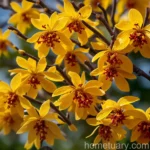
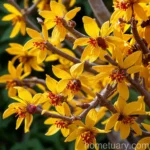
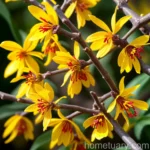
Common witch hazel (Hamamelis virginiana) is a deciduous shrub or small tree native to North America, particularly the eastern United States and Canada. This plant belongs to the Hamamelidaceae family and is renowned for its striking, spidery flowers that bloom in the late fall or early winter. The botanical name “Hamamelis” is derived from the Greek words “hama” (together) and “melon” (fruit), alluding to the simultaneous occurrence of maturing fruit and blooming flowers on the plant.
Key Takeaways – Common Witch Hazel (Hamamelis virginiana)
Before delving into the cultivation and uses of common witch hazel, let’s highlight the key takeaways about this notable plant:
- Scientific Name: Hamamelis virginiana
- Family: Hamamelidaceae
- Characteristics: Deciduous shrub or small tree, fragrant flowers, medicinal properties
Now, let’s explore the intricacies of cultivating and caring for common witch hazel.
Culture
Cultivating common witch hazel requires thoughtful consideration of its environmental and care needs to ensure optimal growth and vitality. Here are specific aspects to consider when nurturing this remarkable plant.
Water
Common witch hazel generally prefers moist, well-drained soil and moderate watering. However, it is crucial to maintain an appropriate balance, as the plant can be sensitive to excessive moisture. During dry periods, regular watering is essential to keep the soil consistently moist but not waterlogged.
Sunlight
When it comes to sunlight requirements, common witch hazel can thrive in various light conditions. It shows adaptability to both partial shade and full sun, making it suitable for a range of garden environments. However, a location with partial shade and some protection from intense midday sun is often ideal, especially in warmer climates.
Fertilizer
In terms of fertilization, common witch hazel usually does not demand a rigorous feeding regimen. A balanced, slow-release fertilizer applied in the early spring can effectively support the plant’s growth and overall health. It’s vital to avoid over-fertilization, as this can lead to excessive leaf development at the expense of flowering.
Soil
Common witch hazel prefers well-drained, slightly acidic to neutral soil. Loamy or sandy soils with good fertility are typically well-suited for the plant. Given its adaptability, it can also thrive in moderately compacted soil, though ensuring adequate drainage remains paramount.
Pruning
Pruning common witch hazel primarily aims to maintain its shape and promote flowering. The best time for pruning is shortly after flowering, as this allows ample time for new growth to develop and mature before the onset of winter. When pruning, it’s important to remove dead or damaged branches, as well as any growth that appears to hinder the plant’s natural form.
Uses
The uses of common witch hazel are as diverse as they are fascinating, encompassing ornamental, medicinal, and skincare applications. From its traditional role in Native American medicine to its modern incorporation in beauty products, this plant offers a rich tapestry of usage.
Ornamental
From a horticultural perspective, common witch hazel serves as an exceptional ornamental plant, adding an enchanting touch to gardens and landscapes, especially during the late fall and winter. Its fragrant, spidery flowers exude a captivating allure and make for delightful cut flowers that infuse indoor spaces with their pleasant scent.
Medicinal
Common witch hazel boasts a long-standing history of medicinal use. Various parts of the plant, including its bark, leaves, and twigs, have been utilized to create tinctures, extracts, and topical treatments renowned for their astringent, anti-inflammatory, and soothing properties. A popular application involves using witch hazel extract as a natural remedy for skin irritation, minor wounds, and hemorrhoids due to its calming and healing effects.
Skincare
In the realm of skincare, witch hazel has gained widespread acclaim for its astringent and toning properties. It features prominently in cosmetic and skincare products, such as toners, cleansers, and astringents, where it helps refine pores, balance oil production, and promote overall skin health. Furthermore, its anti-inflammatory attributes make it an effective aid for conditions like acne, eczema, and sunburn.
Propagation
The propagation of common witch hazel can be accomplished through several methods, including seeds, cuttings, and layering. Each approach offers distinct advantages and considerations for successful propagation.
Seeds
Propagation from seeds necessitates patience, as germination can be slow and irregular. However, collecting seeds from mature witch hazel fruits and sowing them in a well-prepared seedbed can eventually yield new plants with genetic diversity, making it an appealing method for propagation and conservation efforts.
Cuttings
Utilizing semi-hardwood cuttings from healthy, mature witch hazel branches presents an effective means of propagation. By selecting and preparing suitable cuttings and providing appropriate conditions for rooting, gardeners can successfully establish new plants that faithfully retain the desired traits and characteristics of the parent plant.
Layering
Layering involves encouraging a stem or branch of the parent plant to form roots while still attached, after which it can be separated to create a new, independent plant. This method offers a streamlined and dependable way to propagate common witch hazel, particularly for individuals seeking simplicity and a high success rate.
Container Popularity
In addition to thriving in garden landscapes, common witch hazel exhibits remarkable adaptability to container cultivation, making it an appealing choice for those with limited outdoor space, such as urban and apartment dwellers.
Containers
When growing common witch hazel in containers, it is essential to select a spacious, well-draining pot that accommodates the plant’s root system and provides room for growth. Using high-quality, well-aerated potting mix specifically formulated for woody plants can foster healthy development and minimize the risk of waterlogging.
Common Diseases
Despite its overall resilience, common witch hazel can be susceptible to certain diseases that warrant vigilance and proactive management to maintain its well-being. Understanding these potential ailments and their characteristics is crucial for effective disease prevention and control.
Disease Diagnosis
Common witch hazel may be vulnerable to various fungal diseases, including powdery mildew, leaf spot, and honey fungus. Additionally, it can experience bacterial issues like crown gall, which manifest as abnormal growths and nodules on the plant stems and roots. Regular monitoring of the plant’s foliage, stems, and overall appearance can aid in early disease detection and timely intervention.
Common Pests
In its natural environment and cultivated settings, common witch hazel may encounter pests that pose challenges to its vigor and vitality. Recognizing these potential adversaries and practicing preventive measures is instrumental in safeguarding the plant from pest-related harm.
Botanist’s Tips
As a plant scientist, I offer the following tips to enhance the growth, health, and aesthetic appeal of common witch hazel:
- Ample Moisture: While common witch hazel appreciates consistent moisture, be cautious not to overwater, as this can lead to root rot and other complications.
- Prudent Pruning: Conduct routine pruning with care, aiming to maintain the plant’s natural form and encourage balanced growth and flowering.
- Regular Inspection: Routinely inspect the plant for signs of diseases, pests, or environmental stress, taking prompt action to address any issues detected.
- Appropriate Feeding: Employ a balanced, slow-release fertilizer to support the plant’s nutritional needs without risking excessive foliage growth at the expense of flowering.
Fun Facts
Before concluding our exploration of common witch hazel, let’s savor a few captivating fun facts about this remarkable plant:
- Longevity: Common witch hazel can live for decades, with some specimens reaching an impressive age of 100 years or more.
- Winter Appeal: Its late-blooming flowers, vibrant fall foliage, and unique seed capsules contribute to the plant’s appeal, especially during the winter months when the landscape may otherwise appear dormant.
- Native American Tradition: Native Americans historically utilized various parts of the plant for medicinal and ceremonial purposes, recognizing its cultural and practical significance.
Links to External Resources
For further in-depth exploration of common witch hazel and its multifaceted attributes, here are valuable external resources for enthusiasts, gardeners, and plant aficionados:
- The American Witch-Hazel Society
- USDA Plants Database – Hamamelis virginiana
- Royal Horticultural Society – Witch Hazels
- Missouri Botanical Garden – Hamamelis virginiana
In conclusion, common witch hazel stands as a captivating and versatile plant, celebrated for its ornamental beauty, medicinal prowess, and cultural significance. From its exquisite flowers to its therapeutic properties, this exceptional shrub continues to enchant and inspire those who appreciate the wonders of the natural world.
As we embrace the diverse uses and alluring characteristics of common witch hazel, we are drawn to its enduring charm and remarkable contributions to horticulture, wellness, and botanical heritage. Whether adorning the garden or serving as a healing ally, this esteemed plant enriches our lives and deepens our connection to the captivating realm of nature.