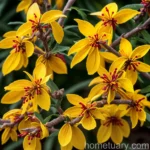
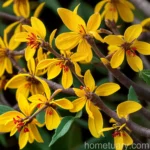
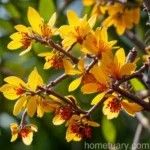
Ozark Witch Hazel (Hamamelis vernalis ‘Washington Park’)
What is a Plant?
Plants are living organisms that belong to the kingdom Plantae, encompassing a wide variety of species, from tiny mosses to towering trees. They are autotrophic, meaning they can produce their own food through the process of photosynthesis. Plants play a crucial role in supporting life on Earth by releasing oxygen, providing food, and serving as habitats for numerous organisms.
Ozark Witch Hazel (Hamamelis vernalis ‘Washington Park’)
Ozark witch hazel, scientifically known as Hamamelis vernalis ‘Washington Park’, is a captivating deciduous shrub renowned for its striking, fragrant flowers that bloom during the winter season. Native to the Ozark Plateau, this plant belongs to the family Hamamelidaceae and is popular for its resistance to cold weather, making it an excellent choice for gardens in colder climates. Its unique flowering habit during the winter makes it an intriguing addition to any landscape, providing a burst of color and fragrance when most other plants remain dormant.
Key Takeaways – Ozark Witch Hazel (Hamamelis vernalis ‘Washington Park’)
Culture
- Family: Hamamelidaceae
- Genus: Hamamelis
- Species: Hamamelis vernalis
- Cultivar: Washington Park
- Origin: Native to the Ozark Plateau
Uses
- Ornamental: The beautiful, fragrant flowers make this plant highly sought after for ornamental purposes.
- Medicinal: Witch hazel, extracted from the bark and leaves of certain species in the Hamamelis genus, is known for its medicinal properties, including its use as an astringent and for skincare.
Water
Ozark witch hazel prefers consistently moist, well-drained soil. While it is essential to keep the soil moist, it is equally important to ensure that the plant does not sit in standing water, as this can lead to root rot.
Sunlight
Ideally, this shrub should be planted in a location that receives partial shade to full sun. However, it can tolerate a range of light conditions, making it adaptable to various landscapes.
Fertilizer
When it comes to fertilizing, a balanced, slow-release fertilizer can be applied in early spring to support healthy growth and encourage prolific flowering.
Soil
Well-drained, acidic to neutral soil is optimal for this plant. Amending the soil with organic matter can improve its texture and nutrient content, promoting vigorous growth.
Pruning
Pruning is best carried out after flowering to shape the shrub and remove any dead or damaged branches. It is important to prune selectively to maintain its natural form and encourage the growth of new flowering wood.
Propagation
The propagation of Ozark witch hazel can be achieved through methods such as softwood cuttings, division, or layering. Softwood cuttings are typically taken in early summer and propagated in a moist, soilless medium under controlled conditions.
Container Popularity
Given its compact size and attractive winter blooms, Ozark witch hazel is well-suited for container planting, allowing it to be appreciated up close on patios, decks, or in small outdoor spaces.
Common Diseases and Pests
Diseases
- Leaf Spot: Fungal diseases such as leaf spot may occur under favorable conditions, resulting in dark spots on the leaves. Proper air circulation and appropriate watering can help mitigate this issue.
- Powdery Mildew: This fungal disease can manifest as a white, powdery substance on the leaves, affecting the plant’s overall health. Adequate spacing and maintaining good air circulation can assist in preventing powdery mildew.
Pests
- Aphids: These small, sap-sucking insects can infest Ozark witch hazel, causing damage to the leaves and tender shoots. Natural predators such as ladybugs can help control aphid populations.
- Spider Mites: These tiny arachnids can feed on plant sap, leading to stippled, discolored leaves. Regularly spraying the plant with water can deter spider mites.
Botanist’s Tips
- The distinct, fragrant flowers of Ozark witch hazel make it a valuable addition to winter gardens, where it can be admired for its beauty and early bloom time.
- When planting multiple witch hazel shrubs, consider selecting a variety of cultivars to enjoy a diverse range of flower colors and bloom times.
- As a native plant, Ozark witch hazel can serve as an essential component of wildlife gardens, providing habitat and food for local wildlife, including pollinators.
- Incorporate this species into mixed borders and woodland gardens to create visually appealing and seasonally dynamic landscapes.
Fun Facts
- The name “witch hazel” is believed to have originated from “wych,” an old English word that means “bend,” in reference to the plant’s bendable branches.
- The bark and leaves of certain witch hazel species, including Hamamelis virginiana, have been traditionally used for medicinal purposes by indigenous peoples and early settlers in North America.
Links to External Resources
For further information on Ozark witch hazel and related topics, consider exploring the resources below:
- The American Witch-Hazel (Hamamelis virginiana): Discover more about the native American witch-hazel and its characteristics.
- Propagating Shrubs by Softwood Cuttings: Learn about the method of propagating shrubs through softwood cuttings.
Plant Name: “Ozark Witch Hazel (Hamamelis vernalis ‘Washington Park’)”
The Ozark witch hazel, known by its botanical name Hamamelis vernalis ‘Washington Park’, is a captivating and versatile shrub that offers much to the landscape, from its early winter blooms to its adaptability in various growing conditions. Whether utilized for ornamental purposes, as a medicinal resource, or as part of a wildlife-friendly garden, this native plant deserves consideration for its unique characteristics and valuable contributions to garden spaces.
Ozark witch hazel care | Hamamelis vernalis Washington Park | Varieties of witch hazel plants | Witch hazel shrub | Growing witch hazel in gardens | Winter blooming plants | Native plants for landscaping | Cold hardy witch hazel | Fragrant plants for gardens | Early blooming shrubs | Witch hazel plant facts | Hamamelis vernalis species | Unique flowering plants | Witch hazel tree | Ornamental shrubs for landscapes | Winter garden plants | Witch hazel pruning tips | Washington Park witch hazel variety | Seasonal flowering plants | Deer resistant plants | Witch hazel medicinal uses | Hamamelis vernalis cultivation | Drought tolerant shrubs | Aromatic plants for gardens | Witch hazel hybrid varieties | Native Missouri plants | Spring blooming shrubs | Witch hazel pruning techniques | Fragrant winter flowers | Hamamelis vernalis growth habits | Witch hazel plant care tips | Fall blooming shrubs | Shade tolerant plants | Witch hazel landscaping ideas | Washington Park witch hazel characteristics | Winter flowering shrubs | Low maintenance plants | Witch hazel plant symbolism | Hamamelis vernalis propagation | Native woodland plants | Witch hazel uses in skincare | Dwarf witch hazel varieties | Fragrant shrubs for gardens | Hamamelis vernalis growing conditions | Edible plants from witch hazel family | Witch hazel flower morphology | Native plants for pollinators | Witch hazel blooming season | Hamamelis vernalis landscape design | Drought resistant plants