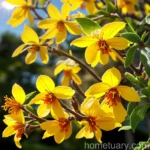
All About Witch Hazel (Hamamelis japonica ‘Canary Yellow’)
Witch hazel (Hamamelis japonica ‘Canary Yellow’) is a visually striking and botanically fascinating plant that captivates the interest of many gardening enthusiasts. In this blog post, we will delve into the diverse aspects of this unique shrub, covering its culture, uses, care requirements, and much more. Whether you are a seasoned gardener or a curious beginner, this comprehensive guide aims to provide you with a profound understanding of witch hazel and how to cultivate and appreciate this splendid plant.
What is Witch Hazel (Hamamelis japonica ‘Canary Yellow’)?
Witch hazel (Hamamelis japonica ‘Canary Yellow’) is a deciduous shrub that belongs to the Hamamelidaceae family. This cultivar is esteemed for its vibrant yellow flowers and its enduring attractiveness throughout the colder months. It is a variety of Japanese witch hazel, celebrated for its remarkable floral display and the aromatic allure of its blooms.
The genus Hamamelis encompasses several species and hybrid varieties, with each offering unique characteristics and ornamental traits. Witch hazels are renowned for their remarkable ability to flower during the winter, defying the dormancy that typically envelops the landscape. The canary yellow blooms of Hamamelis japonica ‘Canary Yellow’ contribute to a burst of color against the backdrop of the wintery environment, making it a cherished addition to gardens seeking a pop of brightness during the colder seasons.
Key Takeaways – Witch Hazel (Hamamelis japonica ‘Canary Yellow’)
Before delving deeper into the intricacies of cultivating and caring for witch hazel (Hamamelis japonica ‘Canary Yellow’), let’s explore the key takeaways associated with this captivating plant.
Culture
- Witch hazel thrives in temperate climates, particularly those with distinct seasons.
- It is renowned for its ability to flower during winter, adding vibrancy to the winter landscape.
- The shrub is a popular choice for gardens due to its visually appealing blooms and intriguing fragrance.
Uses
- Witch hazel is utilized in various applications, including ornamental landscaping, herbal remedies, and fragrance production.
- The flowers are often employed in traditional medicine and skincare products, owing to their astringent and soothing properties.
Water Requirements
Sufficient and consistent moisture is essential for the optimal growth and vigor of witch hazel (Hamamelis japonica ‘Canary Yellow’). When assessing the water needs of this plant, consider the following guidelines:
- Regular Watering: During its active growing season, witch hazel benefits from regular watering to maintain adequate soil moisture. Ensure that the soil remains consistently moist but not waterlogged.
- Dry Periods: Even though witch hazel appreciates moist conditions, it is crucial to avoid waterlogged soil, particularly during the winter months. Allow the plant to experience brief dry periods to prevent root rot and other moisture-related issues.
Sunlight Requirements
Witch hazel (Hamamelis japonica ‘Canary Yellow’) exhibits distinct preferences when it comes to sunlight exposure, necessitating appropriate light conditions for robust growth and prolific flowering:
- Partial Shade to Full Sun: Witch hazel flourishes when grown in partial shade to full sun. It appreciates dappled sunlight during the hottest part of the day, especially in regions with intense summer heat.
- Winter Sun: The plant’s winter flowering behavior is enhanced when it receives exposure to winter sun, encouraging the development of abundant and vibrant blooms during the colder months.
Fertilizer
Fertilizing witch hazel can significantly contribute to its overall health and flowering performance. Here are some essential fertilizer considerations:
- Balanced Fertilizer: Apply a balanced, slow-release fertilizer in early spring to provide the plant with essential nutrients for the growing season. A fertilizer with an N-P-K ratio of 10-10-10 or similar is suitable for witch hazel.
- Organic Amendments: Incorporating organic matter, such as well-rotted compost or aged manure, into the soil around the base of the plant can contribute to its long-term vitality and resilience.
Soil
Witch hazel (Hamamelis japonica ‘Canary Yellow’) thrives in well-draining, organically rich soils that offer a conducive environment for its roots to develop and flourish:
- Acidic Soil: The plant prefers slightly acidic soil with a pH level in the range of 5.5 to 6.5. If the soil in your garden is not naturally acidic, consider amending it with organic materials or suitable soil acidifiers to create an ideal growing substrate for the witch hazel.
- Soil Structure: Opt for soil that retains moisture while preventing waterlogging. A loamy, well-draining soil type is optimal for supporting the healthy growth and development of this shrub.
Pruning
Pruning is a critical aspect of witch hazel care, influencing its overall appearance, health, and flowering performance. Proper pruning practices can help shape the plant, remove dead or damaged branches, and stimulate prolific blooming.
Propagation
Witch hazel can be propagated through various methods, including:
- Seed Propagation: Growing witch hazel from seeds offers an opportunity to experience the plant’s unique developmental stages, though it requires patience and a longer timeframe for maturity.
- Cutting Propagation: Propagating witch hazel through stem cuttings is a popular and effective technique to replicate the desirable traits of the parent plant.
Container Popularity
Witch hazel (Hamamelis japonica ‘Canary Yellow’) is commonly cultivated in containers and planters, offering a versatile and manageable option for gardeners aiming to showcase its beauty in various settings:
- Patio Gardens: Container-grown witch hazel serves as an enchanting addition to patio gardens, where its alluring blooms and compact growth habit can be prominently displayed and admired.
- Urban Landscapes: In urban settings with limited space, witch hazel in containers adds a touch of nature and elegance, contributing to the aesthetic appeal of balconies, courtyards, and other confined areas.
Container Common Diseases
When growing witch hazel in containers, it is essential to be mindful of potential diseases that may affect the plant’s health and vitality:
- Root Rot: Overly moist or poorly draining soil can lead to root rot in container-grown witch hazel. Monitor the soil moisture levels and ensure adequate drainage to mitigate the risk of this detrimental condition.
- Fungal Diseases: Containers can sometimes promote fungal diseases due to moisture retention and reduced air circulation. Maintain proper spacing between plants and provide adequate ventilation to minimize the risk of fungal infections.
Disease Diagnosis
Diagnosing and addressing diseases affecting witch hazel is crucial for safeguarding its well-being and preventing the spread of infections. Common diseases that may afflict witch hazel include:
- Powdery Mildew: A fungal disease that manifests as powdery white spots on the leaves, leading to leaf distortion and decreased plant vigor. Fungicidal treatments and proper sanitation can help manage and prevent powdery mildew.
Common Pests
Pest infestations can compromise the health and aesthetics of witch hazel plants, necessitating vigilant monitoring and appropriate pest management strategies:
- Aphids: These small, sap-sucking insects can congregate on the undersides of leaves and cause leaf distortion and yellowing. Insecticidal soaps and horticultural oils are effective in controlling aphid populations while minimizing harm to beneficial insects.
Botanist’s Tips
For aspiring botanists and gardening enthusiasts seeking to deepen their understanding of witch hazel, here are several valuable tips to consider:
- Species Diversity: Explore the diverse species and cultivars of witch hazel to appreciate the wide array of colors, fragrances, and growth habits available within this captivating genus.
- Seasonal Interest: Embrace witch hazel for its remarkable ability to provide seasonal interest, particularly during the winter months. Select varieties that exhibit unique traits to enhance the visual appeal of your garden throughout the year.
Fun Facts
Uncover intriguing fun facts about witch hazel that contribute to its botanical allure and cultural significance:
- Medicinal History: Witch hazel has a rich history of traditional medicinal uses, with indigenous cultures and early settlers employing it for a variety of therapeutic purposes, ranging from skin ailments to respiratory conditions.
- Aromatic Extracts: The distillation of witch hazel leaves and bark yields a fragrant extract renowned for its astringent and anti-inflammatory properties, making it a staple in skincare and cosmetic formulations.
Links to External Resources
Explore additional resources and insightful information about witch hazel through the following external links:
The captivating allure of witch hazel (Hamamelis japonica ‘Canary Yellow’) extends beyond its striking appearance, encompassing a rich tapestry of botanical attributes, cultural significance, and practical applications. By delving into the nuanced facets of this exceptional shrub, you can gain a profound appreciation for its role in the natural world and the enrichment it brings to gardens and landscapes worldwide. Whether you seek to cultivate witch hazel for its visual splendor, medicinal properties, or historical resonance, the journey of exploring and nurturing this extraordinary plant is one filled with discovery, fascination, and enduring admiration.