Wingstem Plant (Verbesina alternifolia)
Plants play a crucial role in our ecosystem. Not only do they provide us with oxygen and food, but they also offer numerous environmental benefits. Among the diverse range of plants found in nature, the wingstem plant (Verbesina alternifolia) holds particular significance due to its unique features and versatile uses.
In this comprehensive guide, we will delve into the world of Verbesina alternifolia, exploring its cultural significance, uses, growth requirements, maintenance techniques, and much more. Whether you are a seasoned botanist, a gardening enthusiast, or simply someone eager to expand their knowledge of plants, this article is designed to bring you closer to the captivating world of the wingstem plant.
What is Verbesina alternifolia?
Verbesina alternifolia, colloquially known as wingstem or yellow ironweed, is a herbaceous perennial plant belonging to the Asteraceae family. This species is native to eastern and central North America and can typically be found in moist woodlands, along riverbanks, and in open meadows. The plant derives its common name, “wingstem,” from its distinctive winged stems that add a unique visual allure to its appearance.

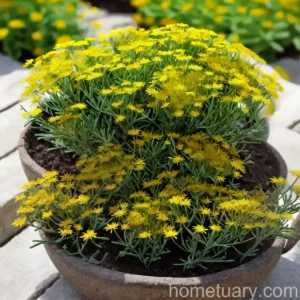
Image: Verbesina alternifolia
The wingstem plant is renowned for its elegant clusters of small, yellow, daisy-like flowers that bloom throughout the late summer and early fall. These blossoms not only contribute to the plant’s aesthetic appeal but also attract various pollinators, including bees and butterflies, thereby playing a vital role in supporting local ecosystems.
Key Takeaways: Verbesina alternifolia
Before delving deeper into the nuances of wingstem plant care and cultivation, let’s first outline the key takeaways about Verbesina alternifolia:
- Botanical Name: Verbesina alternifolia
- Common Names: Wingstem, yellow ironweed
- Plant Type: Herbaceous perennial
- Native Range: Eastern and central North America
- Flowering Period: Late summer to early fall
- Distinctive Feature: Winged stems
- Ecosystem Role: Attracts pollinators and supports local wildlife
- Cultural Uses: Medicinal properties and ornamental landscaping
Now that we have established a foundational understanding of Verbesina alternifolia, let’s dive into the intricacies of its cultivation and maintenance.
Culture
Water
Verbesina alternifolia thrives in moist to moderately wet soil conditions. Adequate watering is essential, particularly during the plant’s establishment phase and periods of drought. However, the soil should not become waterlogged, as excessive moisture can lead to root rot and other detrimental effects. Regular monitoring of soil moisture levels is crucial, and watering should be adjusted based on environmental conditions.
Sunlight
The wingstem plant demonstrates a preference for partial to full sunlight exposure. While it can tolerate some shade, providing the plant with ample sunlight significantly promotes healthy growth and abundant flowering. When selecting a planting location, it is advisable to choose an area with good exposure to sunlight, taking into account the local climate and microclimate considerations.
Fertilizer
In general, Verbesina alternifolia does not require high levels of fertilization. However, incorporating organic matter into the soil during the planting phase can enhance the plant’s nutrient retention and overall vigor. Additionally, a balanced, slow-release fertilizer can be applied in early spring to provide the necessary nutrients for robust growth and prolific flowering.
Soil
The wingstem plant thrives in well-drained, fertile soil with a slightly acidic to neutral pH range. It is essential to avoid waterlogged or compacted soil, as this can impede root development and lead to various stress-related issues. A loamy or sandy soil type with good moisture retention properties is ideal for cultivating Verbesina alternifolia.
Pruning
Pruning Verbesina alternifolia primarily involves the removal of dead or damaged foliage and spent flower heads. This practice not only maintains the plant’s aesthetic appeal but also contributes to its overall health and vigor. Pruning should be conducted in late fall or early spring, allowing the plant to prepare for its upcoming growth cycle without the burden of unnecessary vegetative matter.
Propagation
Seed Propagation
The wingstem plant can be propagated from seeds, a process that can be initiated either indoors or directly in the garden. To germinate the seeds indoors, they should be sown in a well-draining seed starting mixture and kept in a warm, bright location until germination occurs. Once the seedlings have developed, they can be transplanted into their permanent outdoor location.
Division
Division is another viable propagation method for Verbesina alternifolia. This process involves separating the plant’s rhizomatous roots into distinct sections and replanting them in new locations. It is advisable to conduct division in early spring to coincide with the plant’s natural growth cycle and allow the divided segments to establish themselves before the onset of summer.
Container Popularity
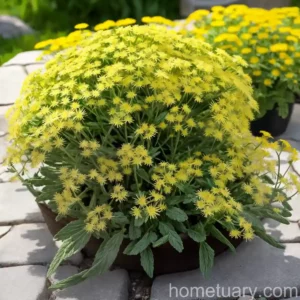
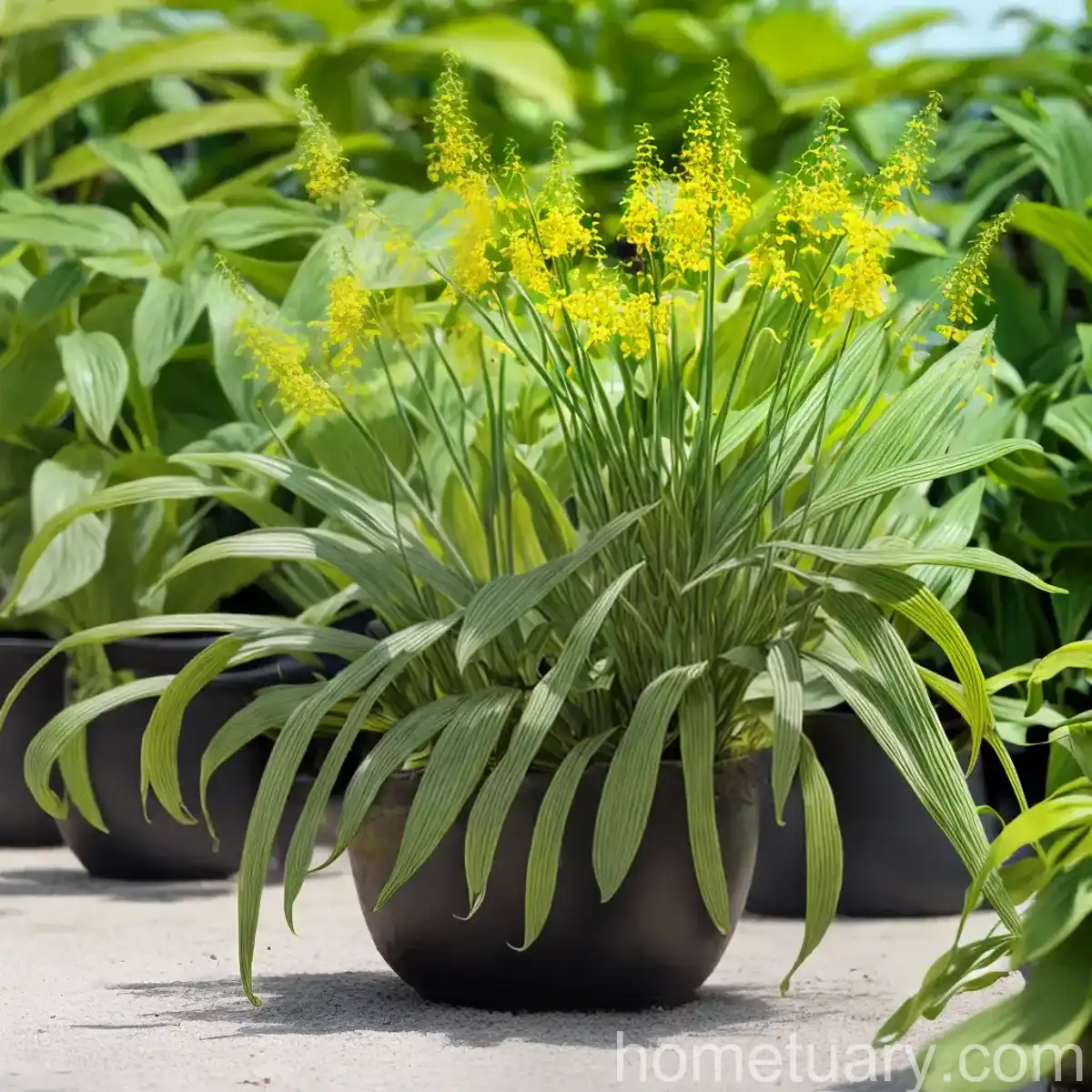
Although Verbesina alternifolia is naturally suited for outdoor cultivation in garden beds and naturalistic landscapes, it can also be grown in containers. This presents an excellent opportunity for individuals with limited outdoor space to enjoy the plant’s visual appeal and ecological benefits. When cultivating the wingstem plant in containers, it is important to select a pot with ample drainage and provide the necessary growing conditions, including adequate sunlight and proper watering.
Common Diseases
Verbesina alternifolia is generally resilient against most common plant diseases, particularly when grown in optimal conditions and provided with proper care. However, certain environmental stressors or unfavorable growing conditions can render the plant susceptible to issues such as:
- Powdery Mildew: A fungal infection characterized by the development of powdery white spots on the plant’s foliage, which can hinder its photosynthetic processes.
- Root Rot: Caused by excessive moisture or waterlogged soil, leading to the decay of the plant’s roots and subsequent decline in overall health.
- Leaf Spot: Manifests as dark, irregular spots on the plant’s foliage, often caused by bacterial or fungal pathogens and exacerbated by prolonged periods of high humidity.
Disease Diagnosis
Diagnosing potential diseases or health issues in Verbesina alternifolia requires a keen eye for observing the plant’s physical symptoms and an understanding of common plant ailments. Regular visual inspections of the foliage, stems, and overall plant condition can aid in the early detection of any emerging issues.
Additionally, it is beneficial to monitor environmental factors such as humidity levels, soil moisture, and air circulation, as these can significantly influence the plant’s susceptibility to diseases. If symptoms of disease or decline are observed, prompt action should be taken to address the underlying causes and mitigate further damage.
Common Pests
While Verbesina alternifolia is relatively resistant to many common pests, it may occasionally encounter challenges from certain insect intruders. Some of the common pests that may affect the wingstem plant include:
- Aphids: Small, sap-sucking insects that can congregate on the plant’s tender shoots and buds, often leading to distortion and discoloration of the affected tissue.
- Spider Mites: Microscopic arachnids that infest the plant’s foliage, causing stippling and webbing, ultimately weakening the plant and reducing its vigor.
- Caterpillars: Larval stages of various moth and butterfly species that may feed on the plant’s leaves, potentially causing defoliation and aesthetic damage.
Botanist’s Tips
- When designing a landscape or garden layout, consider incorporating Verbesina alternifolia into naturalistic plantings, rain gardens, or wildlife-friendly habitats to capitalize on its ecological benefits and aesthetic appeal.
- Regularly monitor the plant’s growing conditions and adjust cultural practices as necessary to ensure optimal growth and longevity.
- Encourage biodiversity by fostering a healthy ecosystem around the wingstem plant, providing a thriving environment for pollinators and beneficial insects.
Fun Facts
To further appreciate the uniqueness of Verbesina alternifolia, here are some fascinating facts about this captivating species:
- The winged stems of Verbesina alternifolia serve as an adaptation for enhancing seed dispersal, particularly in windy conditions, contributing to the plant’s natural propagation strategies.
- Yellow ironweed, another common name for Verbesina alternifolia, is derived from the distinctive yellow hue of the plant’s flowers and its tendency to grow in iron-rich soils.
- In traditional herbal medicine, certain Native American tribes used preparations derived from the wingstem plant for various medicinal purposes, including treatments for skin ailments and fevers.
Links to External Resources
For further exploration and in-depth information about Verbesina alternifolia, I recommend referring to the following external resources:
As we journey through the realm of Verbesina alternifolia, we uncover the profound interconnectedness between plants and their surrounding ecosystems. From its ecological contributions to its resilience and aesthetic qualities, the wingstem plant exemplifies nature’s intricate beauty and functionality, offering a profound source of inspiration and admiration for plant enthusiasts and conservationists alike. Whether adorning garden landscapes, supporting local wildlife, or serving as a beacon of natural resilience, the wingstem plant continues to captivate and enrich our understanding of the botanical world.
As we continue to explore and safeguard the rich diversity of plant species such as Verbesina alternifolia, we contribute to the preservation of our natural heritage and the sustainability of our planet’s ecosystems. Let us embrace the wisdom and beauty of wingstem and stand as stewards of its enduring legacy on Earth.