“tartarian aster (Aster tataricus)”: A Comprehensive Guide to Cultivation and Care
Introduction
Plants play a crucial role in our environment, providing food, oxygen, and beauty to the world around us. As a plant scientist, I am constantly inspired by the diversity and resilience of the plant kingdom. In this comprehensive guide, we will delve into the world of the tartarian aster (Aster tataricus), exploring its cultivation, care, and remarkable characteristics.
What is “tartarian aster” (Aster tataricus)?
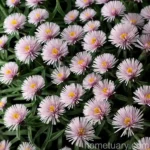
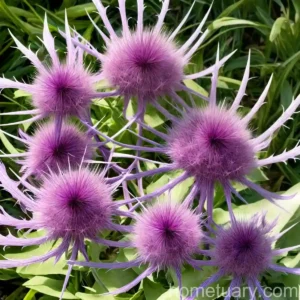
Tartarian aster, scientifically known as Aster tataricus, is a herbaceous perennial plant belonging to the Asteraceae family. This striking plant is native to East Asia, including regions such as Russia, China, Korea, and Japan. It is characterized by its tall, erect stems, adorned with clusters of vibrant purple, daisy-like flowers that bloom in late summer and early fall. The tartarian aster is also renowned for its ornamental foliage, adding a touch of elegance to gardens and landscapes.
Key Takeaways – Tartarian Aster (Aster tataricus)
- Botanical Name: Aster tataricus
- Common Name: Tartarian aster
- Plant Type: Herbaceous perennial
- Flower Color: Violet-purple
- Blooming Season: Late summer to early fall
- Native Habitat: East Asia
- USDA Hardiness Zones: 4-8
- Mature Height: 3-6 feet
- Sunlight: Full sun to partial shade
- Soil Type: Well-draining, fertile soil
- Watering: Moderate, consistent moisture
- Uses: Ornamental, wildlife-friendly
Now, let’s dive deeper into the cultivation and care of tartarian aster, exploring its cultural requirements, uses, maintenance, and more.
Culture
Water
Tartarian aster thrives in moderately moist soil, making consistent watering essential for its growth and flowering. When it comes to watering, it is important to strike a balance, avoiding waterlogging while ensuring the soil does not dry out completely. During periods of low rainfall, supplemental watering may be necessary, particularly in warmer climates.
Sunlight
This resilient perennial plant prefers full sun to partial shade, requiring at least 6-8 hours of sunlight daily to thrive. When cultivated in a location with ample sunlight, tartarian aster rewards gardeners with prolific blooms and vigorous growth. However, it can also tolerate some shade, particularly in hotter climates where protection from intense afternoon sun may be beneficial.
Fertilizer
Aster tataricus benefits from a balanced, all-purpose fertilizer applied in early spring as new growth emerges. A slow-release fertilizer can provide the necessary nutrients to support healthy foliage and abundant flowering. It is important to follow the manufacturer’s instructions regarding the application and dosage of the fertilizer to prevent overfeeding, which can lead to excessive foliage at the expense of flowers.
Soil
The ideal soil for tartarian aster is well-draining, fertile, and rich in organic matter. This perennial plant thrives in loamy, slightly acidic to neutral soil with good moisture retention capabilities. Prior to planting, amending the soil with compost can enhance its structure and fertility, creating a favorable growing environment for the tartarian aster.
Pruning
Pruning is an important aspect of tartarian aster maintenance, contributing to its overall health, appearance, and flowering performance. In late winter or early spring, it is recommended to cut back the previous year’s growth to encourage new shoots and maintain a compact, tidy habit. Additionally, deadheading spent flowers promotes continuous blooming and prevents the plant from expending energy on seed production.
Propagation
Tartarian aster can be propagated through various methods, including division, seed sowing, and stem cuttings. Here are some propagation tips for expanding your tartarian aster collection:
- Division: In early spring or fall, divide mature clumps of tartarian aster, ensuring each division has both roots and shoots. Replant the divisions in well-prepared soil and provide adequate moisture during the establishment period.
- Seed Sowing: Collect ripe seeds from the spent flowers and sow them in a seed-starting mix in late winter. Keep the soil consistently moist and provide warmth and sunlight for successful germination.
- Stem Cuttings: Take 4-6 inch stem cuttings in early summer, removing the lower leaves and placing the cuttings in a well-draining rooting medium. Provide humidity and warmth to support root development, and transplant the rooted cuttings into individual pots once established.
Container Popularity
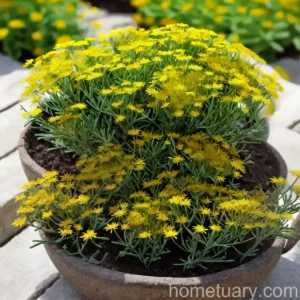
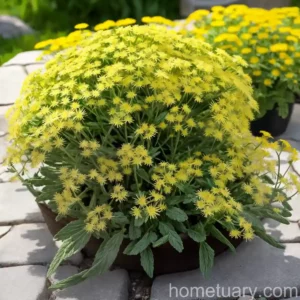
Tartarian aster is well-suited for container cultivation, allowing gardeners to enjoy its beauty on patios, balconies, and other outdoor spaces. When grown in containers, it is important to select a spacious pot with good drainage, using a high-quality potting mix that provides adequate aeration and moisture retention. Regular watering and fertilization are crucial for container-grown tartarian aster, as potted plants are more vulnerable to fluctuations in soil moisture and nutrient availability.
Uses
This resilient and attractive perennial plant offers a multitude of uses in garden landscaping and beyond. Let’s explore the versatile applications of tartarian aster:
Garden Ornament
Tartarian aster serves as a captivating focal point in mixed perennial borders, cottage gardens, and naturalistic landscapes. Its towering stature and profusion of violet-purple flowers add a touch of elegance and color to the outdoor environment, particularly when planted in mass or combined with complementary perennial species.
Pollinator Attraction
The nectar-rich flowers of tartarian aster attract a variety of pollinators, including bees, butterflies, and other beneficial insects. By incorporating this plant into garden designs, gardeners can support local pollinator populations and contribute to overall ecosystem health.
Cut Flower
The striking blooms of tartarian aster make it a desirable cut flower for fresh floral arrangements. Harvesting the flowers at their peak and arranging them in vases allows individuals to bring the beauty of the outdoors into their homes, creating stunning indoor displays.
Wildlife Habitat
In addition to attracting pollinators, tartarian aster provides habitat and food for wildlife, including birds and small mammals. The dense foliage and seeds produced by the plant contribute to the biodiversity of the landscape, fostering a dynamic and thriving ecosystem.
Common Diseases
While tartarian aster is generally resilient to diseases, it may occasionally encounter challenges that compromise its health and appearance. Understanding common diseases and their prevention is essential for maintaining the vigor of this beloved perennial plant. Some common diseases that may affect tartarian aster include:
- Powdery Mildew: A fungal disease characterized by a powdery white coating on the leaves, typically caused by warm, humid conditions and poor air circulation. To prevent powdery mildew, maintain adequate spacing between plants, provide good air circulation, and avoid overhead watering.
- Leaf Spot: Leaf spot diseases, caused by various fungi, bacteria, or environmental stress, can lead to the development of unsightly spots or lesions on the foliage. Improving air circulation, practicing proper watering techniques, and removing and disposing of infected plant material can help manage leaf spot diseases.
- Root Rot: Excessive soil moisture or poor drainage can contribute to the development of root rot, a condition that affects the root system and can lead to wilting, yellowing foliage, and overall decline. To prevent root rot, ensure proper soil drainage and avoid overwatering the plant.
Disease Diagnosis
Diagnosing diseases in tartarian aster involves careful observation of the plant’s physical symptoms, including changes in foliage color, texture, and overall growth. Additionally, environmental factors such as humidity, temperature, and moisture levels should be taken into consideration when assessing potential disease issues. If there are concerns about the health of the plant, consulting with a local gardening expert or extension service can provide valuable insights and guidance for disease management.
Common Pests
Tartarian aster is relatively resistant to pest infestations; however, a few potential insect pests may pose occasional challenges to its well-being. Some common pests that may affect tartarian aster include:
- Aphids: These small, soft-bodied insects feed on plant sap, causing distortion of new growth and the development of sticky honeydew. Natural predators, such as ladybugs and lacewings, can help control aphid populations, and insecticidal soaps or horticultural oils can be used for management if necessary.
- Spider Mites: These tiny arachnids can cause stippling or discoloration of the leaves, particularly in hot, dry conditions. Regularly spraying the foliage with water and maintaining adequate humidity can help deter spider mite infestations.
- Slugs and Snails: These mollusks can feed on the foliage of tartarian aster, leaving behind ragged edges and holes in the leaves. Applying physical barriers, such as copper tape or diatomaceous earth, and removing hiding spots can aid in slug and snail control.
Botanist’s Tips
As a botanist, I would like to offer some valuable tips for cultivating and caring for tartarian aster, based on my expertise and experience working with this remarkable plant:
- Mulching: Applying a layer of organic mulch around the base of the plant can help conserve soil moisture, suppress weed growth, and provide insulation during temperature fluctuations.
- Companion Planting: Pairing tartarian aster with companion plants that share similar cultural requirements and harmonious aesthetics can create visually pleasing and ecologically beneficial plant combinations.
- Seasonal Care: Engaging in seasonal maintenance tasks, such as dividing clumps, rejuvenating mature plants, and monitoring for pests and diseases, contributes to the long-term health and vitality of tartarian aster.
Fun Facts
- In traditional Chinese medicine, extracts from Aster tataricus have been used for their potential medicinal properties, including anti-inflammatory and immune-enhancing effects.
- Tartarian aster is a magnet for butterflies, adding an enchanting element to butterfly gardens and wildlife-friendly landscapes.
- The species name “tataricus” refers to the plant’s association with the Tatar people, who historically inhabited regions of Eurasia.
Links to External Resources
For further exploration of tartarian aster (Aster tataricus) and related topics, I recommend the following external resources:
- The American Horticultural Society
- Royal Horticultural Society – Tartarian Aster
- Missouri Botanical Garden – Aster tataricus
In conclusion, tartarian aster (Aster tataricus) stands as a captivating and resilient addition to gardens, contributing to the diversity of plant life and the beauty of natural landscapes. By understanding its cultural preferences, uses, and maintenance requirements, gardeners can cultivate this remarkable plant with confidence, reaping the rewards of its enchanting blooms and ecological contributions.
Remember, each plant has its own story to tell and gifts to offer, and it is our role as stewards of the natural world to appreciate, celebrate, and safeguard the botanical wonders that enrich our lives. Happy gardening!
Keywords: Aster tataricus benefits, Tartarian aster plant care, Aster tataricus growing tips, Tartarian aster plant characteristics, Aster tataricus medicinal properties, How to propagate tartarian aster, Aster tataricus garden uses, Tartarian aster plant varieties, Aster tataricus cultivation guide, Tartarian aster landscaping ideas, Aster tataricus planting instructions, Tartarian aster plant diseases, Aster tataricus wildlife attracting, Tartarian aster plant maintenance, Aster tataricus flowering season, Tartarian aster herbal remedies, Aster tataricus drought tolerance, Tartarian aster companion plants, Aster tataricus pollinator-friendly, Tartarian aster plant identification, Aster tataricus garden design, Tartarian aster container gardening, Aster tataricus soil requirements, Tartarian aster plant pruning, Aster tataricus pest control, Tartarian aster plant propagation, Aster tataricus natural habitat, Tartarian aster plant symbolism, Aster tataricus winter care, Tartarian aster plant landscaping, Aster tataricus water requirements, Tartarian aster plant arrangements, Aster tataricus garden maintenance, Tartarian aster plant uses, Aster tataricus shade tolerance, Tartarian aster plant borders, Aster tataricus drought-resistant plant, Tartarian aster plant wildlife habitat, Aster tataricus sun exposure, Tartarian aster plant fertilization, Aster tataricus herbal uses, Tartarian aster plant pest resistance, Aster tataricus seasonal care, Tartarian aster plant display, Aster tataricus ornamental features, Tartarian aster plant diseases prevention, Aster tataricus wildlife garden, Tartarian aster plant landscape design, Aster tataricus botanical information, Tartarian aster plant arrangement ideas