Giant Solomon’s Seal (Polygonatum Biflorum Var. Commutatum)
Giant Solomon’s seal (Polygonatum biflorum var. commutatum) is a native perennial plant that thrives in woodland settings and shade gardens. This.
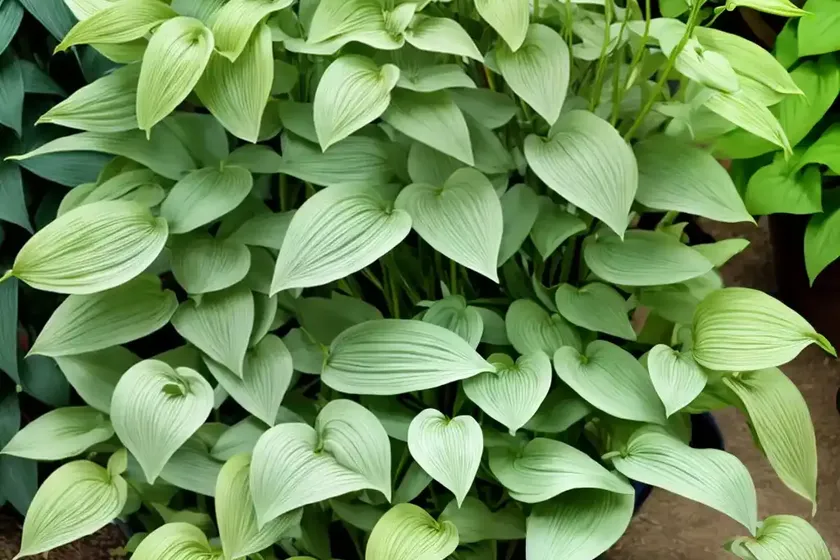
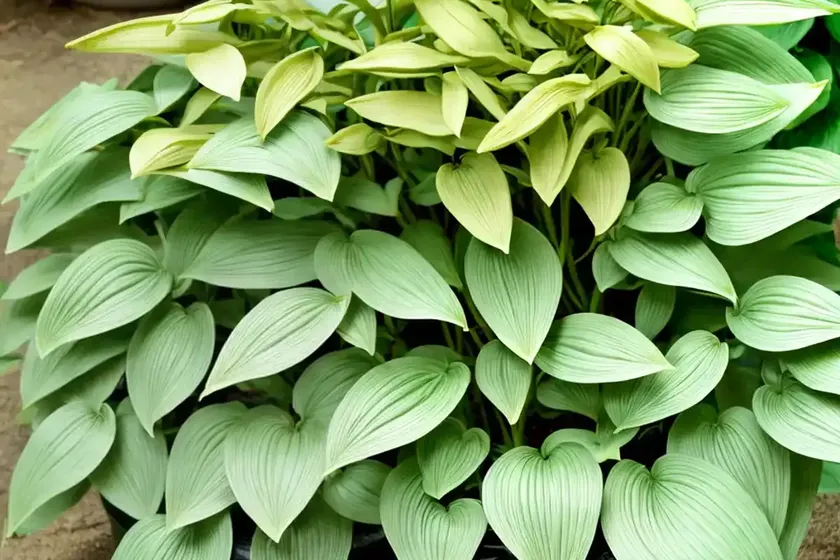
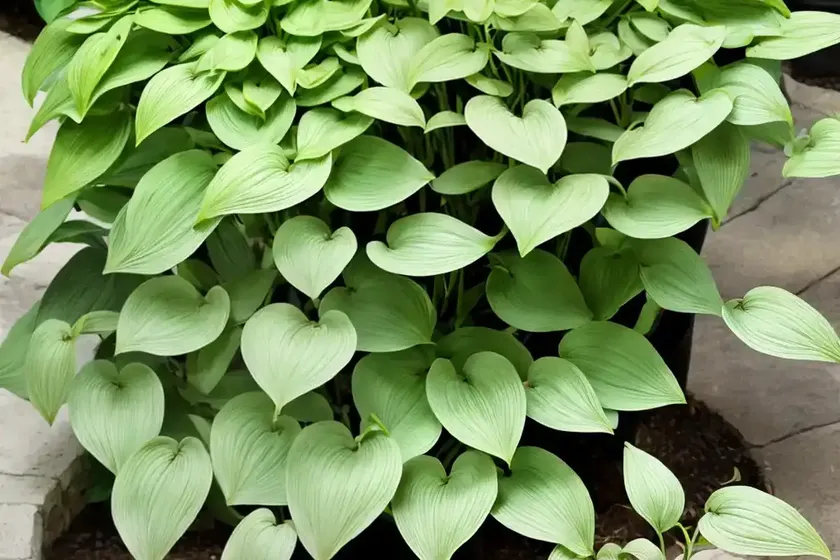
Giant Solomon’s seal (Polygonatum biflorum var. commutatum) is a native perennial plant that thrives in woodland settings and shade gardens. This ornamental plant is known for its graceful arching stems, delicate bell-shaped flowers, and attractive foliage. In this comprehensive guide, we will explore the culture, uses, and care requirements of this enchanting plant, along with practical tips for successful cultivation.
What is Plant: Giant Solomon’s Seal (Polygonatum Biflorum Var. Commutatum)?
Giant Solomon’s seal is a rhizomatous herbaceous perennial plant belonging to the Asparagaceae family. It is native to North America, particularly the eastern and central regions of the United States. This species is commonly found in moist woodlands, along stream banks, and in shaded ravines.
Key Takeaways:
- Latin Name: Polygonatum biflorum var. commutatum
- Common Names: Solomon’s seal plant, Giant Solomon’s seal
- Family: Asparagaceae
- Habitat: Woodlands, shaded areas
- Flowering: Spring
- Foliage: Deciduous, attractive arching stems
- Special Features: Rhizomatous growth, bell-shaped flowers
Let’s delve into the specific requirements and recommendations for successfully cultivating and caring for giant Solomon’s seal.
Culture
Cultivating giant Solomon’s seal requires an understanding of its natural habitat and the conditions it thrives in.
Uses
Giant Solomon’s seal is primarily cultivated for its ornamental value. It is favored for its graceful appearance and ability to thrive in shaded environments, making it a popular choice for woodland gardens and shaded landscapes. Additionally, this plant can be used to add visual interest to naturalized areas and as a groundcover in partially shaded locations.
Water
Adequate moisture is crucial for the successful growth of giant Solomon’s seal. As a woodland plant, it thrives in soil that is consistently moist but well-drained. During periods of dry weather, it’s important to provide supplemental watering to ensure optimal growth and flowering.
Sunlight
Giant Solomon’s seal is well-suited for shaded environments and does not tolerate direct sunlight well. It thrives in partial to full shade, making it an excellent choice for gardens with limited sunlight, such as those surrounded by tall trees or buildings.
Fertilizer
While giant Solomon’s seal generally does not have high nutritional requirements, it can benefit from a light application of balanced, organic fertilizer in early spring. This can help promote healthy growth and enhance the plant’s overall vigor.
Soil
The plant prefers rich, organic soils that are well-drained and consistently moist. Incorporating organic matter into the soil can improve its structure and provide essential nutrients for the plant’s growth.
Pruning
Pruning requirements for giant Solomon’s seal are minimal. Remove any damaged or yellowing foliage as needed, and cut back the stems to ground level in late fall or early spring to encourage new growth.
Propagation
Giant Solomon’s seal can be propagated through division, typically in early spring or late fall when the plant is dormant. Divide mature clumps, ensuring that each division has well-developed rhizomes and ample roots. This method can help rejuvenate established plantings and expand the presence of this enchanting species in the garden.
Container Popularity
While giant Solomon’s seal is typically grown in garden beds, it can also thrive in large containers, provided that the growing conditions are well-maintained. Containers offer the flexibility to create beautiful woodland-themed displays on patios, balconies, or in shaded areas that may not have suitable soil for direct planting.
Container Common Diseases
In container settings, giant Solomon’s seal may be susceptible to certain diseases, including:
- Powdery Mildew: This fungal disease can manifest as a powdery white coating on the leaves, negatively impacting the plant’s overall health and vigor.
Disease Diagnosis
When observing signs of disease, it’s essential to promptly diagnose the issue to implement appropriate measures. Proper ventilation, adequate spacing between plants, and careful monitoring can help mitigate disease development in containers.
Common Pests
While giant Solomon’s seal is relatively resistant to pests, it can occasionally be impacted by:
- Slugs and Snails: These herbaceous perennials are particularly vulnerable to damage from slugs and snails, especially in moist, shaded environments.
Botanist’s Tips
- Plant giant Solomon’s seal in groups or clusters to create a naturalistic woodland display, mimicking its native habitat.
- Mulch around the base of the plant to help retain soil moisture and suppress weed growth. Organic materials such as leaf litter and shredded bark are ideal choices.
- Monitor the plant for signs of stress during hot and dry periods, and provide supplemental watering as needed to maintain soil moisture levels.
Fun Facts
- Giant Solomon’s seal is often sought after by native plant enthusiasts and those aiming to create woodland gardens that mimic natural ecosystems.
- The species’ graceful arching stems and dangling flowers add an ethereal quality to shaded areas, captivating the attention of gardeners and nature enthusiasts alike.
Links to External Resources
For additional information on giant Solomon’s seal, refer to the following resources:
- The Plant List – Polygonatum Biflorum
- Missouri Botanical Garden – Polygonatum Biflorum Var. Commutatum
- North Carolina Extension Gardener Plant Toolbox – Giant Solomon’s Seal
In conclusion, giant Solomon’s seal is an enchanting woodland plant that adds beauty and elegance to shaded landscapes. By understanding its cultural requirements and implementing suitable care practices, gardeners can successfully cultivate and appreciate this native perennial plant. Whether used as a groundcover, accent plant, or focal point in a woodland garden, giant Solomon’s seal enriches outdoor spaces and provides a captivating glimpse of nature’s charm.
Keywords:
1. Polygonatum biflorum var. commutatum
2. Solomon’s seal plant
3. Giant Solomon’s seal
4. Polygonatum biflorum
5. Variegated Solomon’s seal
6. Native Solomon’s seal
7. Shade-loving plants
8. Woodland plants
9. Perennial plants
10. Native wildflowers
11. Ornamental plants
12. Forest floor plants
13. Native plant species
14. Polygonatum genus
15. Wild plant species
16. Giant Solomon’s knot
17. Plant with rhizomes
18. Shade garden plants
19. Spring blooming plants
20. Woodland groundcover plants
21. Rhizomatous plants
22. Appalachian wildflowers
23. Native forest plants
24. Native Appalachian plants
25. Spring garden plants
26. Ornamental woodland plants
27. Giant false Solomon’s seal
28. Woodland undergrowth plants
29. Native shade plants
30. Native plant garden
31. Native plant landscaping
32. Native plant biodiversity
33. Native plant conservation
34. Native plant restoration
35. Native plant gardener
36. Native plant cultivation
37. Native plant enthusiasts
38. Native plant nurseries
39. Native plant propagation
40. Native plant ecology
41. Native plant habitat
42. Native plant pollinators
43. Native plant wildlife
44. Native plant conservationists
45. Native plant education
46. Native plant preservation
47. Native plant diversity
48. Native plant restorationists
49. Native plant garden design
50. Native plant research