Crown Beard (Verbesina Helianthoides)
Crown beard, or Verbesina helianthoides, is a captivating plant that is cherished for its striking appearance, easy maintenance, and ecological.
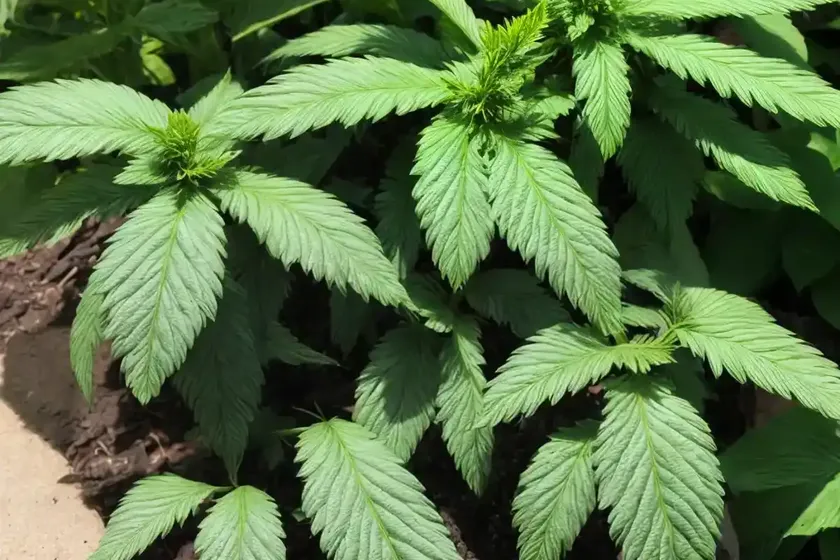
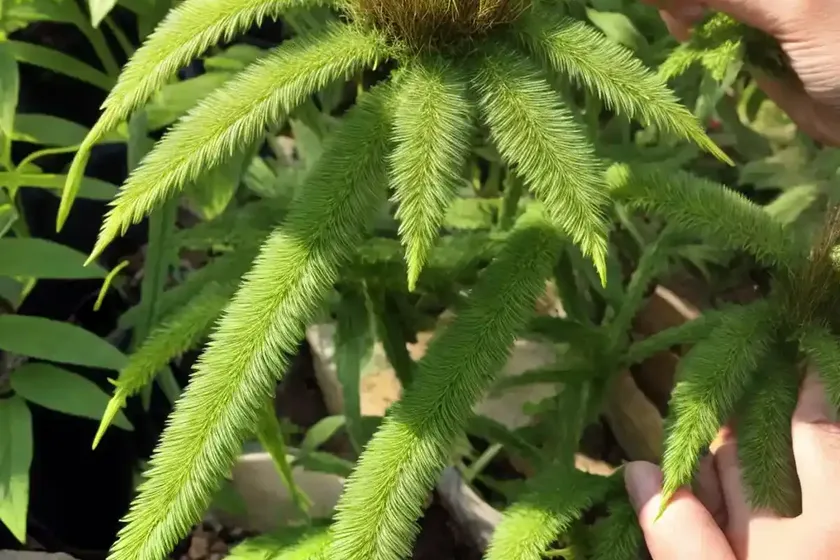
Crown beard, or Verbesina helianthoides, is a captivating plant that is cherished for its striking appearance, easy maintenance, and ecological significance. In this comprehensive guide, we will delve into every aspect of this marvelous plant, including its culture, uses, growth requirements, and maintenance. Whether you are a beginner or an experienced gardener, this extensive resource will equip you with all the essential knowledge and practical tips to successfully cultivate and care for the crown beard plant.
What is Crown Beard (Verbesina helianthoides)?
Verbesina helianthoides, commonly known as crown beard, is a herbaceous perennial plant belonging to the Asteraceae family. This native North American wildflower is predominantly found in the central and eastern regions of the United States. Crown beard is renowned for its resilience and adaptability, thriving in a variety of natural habitats, including prairies, woodlands, and open fields.
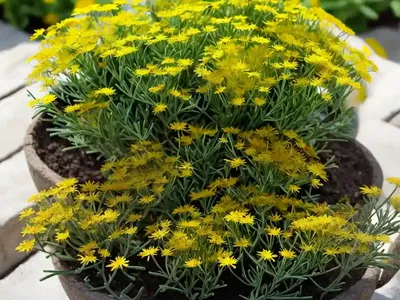
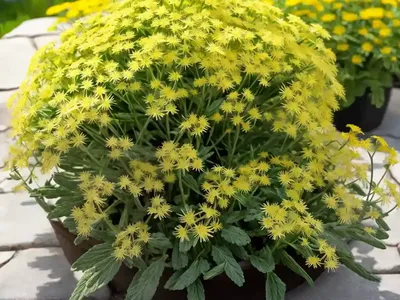
This plant boasts numerous slender, branching stems that can reach heights of up to five feet, adorned with elongated, lance-shaped leaves and clusters of radiant, daisy-like flowers. The blooms exhibit a captivating display of yellow and cream hues, creating a stunning spectacle during the flowering season.
Key Takeaways – Crown Beard (Verbesina helianthoides)
Before we delve deeper into the specific aspects of crown beard cultivation and care, let’s outline the key takeaways of this remarkable plant:
- Verbesina helianthoides: Scientific name for crown beard
- Crown beard plant: A resilient herbaceous perennial
- Growing Verbesina helianthoides: Adaptable plant suitable for various habitats
- Crown beard care: Minimal maintenance requirements
- Verbesina helianthoides characteristics: Striking appearance and vibrant flowers
- Crown beard flowering season: Abundant blooms during specific times of the year
- Verbesina helianthoides benefits: Ecological and ornamental significance
- Crown beard gardening tips: Practical insights for successful cultivation
- Verbesina helianthoides uses: Ecological, horticultural, and potential medicinal applications
- Crown beard medicinal properties: Investigating potential health benefits
Now, let’s explore each of these aspects in detail to gain a comprehensive understanding of crown beard cultivation and its multifaceted characteristics.
Culture
Understanding the cultural preferences of crown beard is crucial for its successful cultivation. This includes factors such as water requirements, sunlight exposure, soil conditions, and suitable companion plants that can enhance its growth and blooming potential. Let’s delve into these aspects below.
Water
Crown beard is renowned for its exceptional drought tolerance, making it an ideal choice for water-efficient landscaping and xeriscaping projects. While it can withstand periods of dryness, especially once established, regular watering is beneficial, particularly during prolonged dry spells to promote healthy growth and abundant flowering. However, it is crucial to ensure proper drainage to prevent waterlogged conditions, which can be detrimental to the plant’s overall health.
Sunlight
In terms of sunlight requirements, crown beard thrives in full sun to partial shade conditions. It exhibits optimal growth and flowering when exposed to at least six hours of direct sunlight daily. In regions with intense summer heat, providing some afternoon shade can prevent stress and preserve the plant’s vigor. When grown in partial shade, it is essential to ensure that the surrounding environment allows for ample airflow to prevent moisture-related issues and fungal diseases.
Fertilizer
Crown beard is known for its resilience and adaptability to various soil conditions, often thriving in nutrient-deficient environments. However, incorporating a balanced, organic fertilizer in the spring can enhance flowering and overall plant vigor. Opt for a slow-release fertilizer with a balanced NPK ratio to provide essential nutrients gradually throughout the growing season. Avoid excessive fertilization, as it can lead to lush foliage at the expense of flowering.
Soil
This plant showcases remarkable adaptability to a wide range of soil types, including sandy, loamy, and clay soils. However, it thrives in well-draining, moderately fertile soil with a slightly acidic to neutral pH. Amending the soil with organic matter, such as compost or well-rotted manure, can improve its structure and nutrient content. Additionally, maintaining good soil moisture balance is crucial, as excessively dry or waterlogged conditions can hinder the plant’s growth and flowering.
Pruning
Crown beard generally requires minimal pruning, particularly in naturalized or wildflower garden settings. However, removing spent flower heads after the blooming period can promote tidiness and potentially encourage additional blooms. Additionally, dead or damaged stems can be pruned in late winter or early spring to rejuvenate the plant and maintain its overall appearance. Avoid extensive pruning, as crown beard typically exhibits a graceful, natural form without significant intervention.
Propagation
The propagation of crown beard can be achieved through various methods, including seed sowing, division, and cuttings. Each approach offers unique advantages and considerations, allowing for flexibility in expanding or sharing this captivating plant.
Seed Sowing
Crown beard readily self-seeds in favorable conditions, allowing for natural propagation in garden settings. Collecting mature seeds from the plant after the flowering season and sowing them in prepared beds or containers can yield new seedlings. Ensure that the seeds are sown at the appropriate depth and provide consistent moisture for germination. The resulting seedlings can be transplanted to their designated locations once they have developed adequate root systems.
Division
Division is an effective method for propagating established crown beard plants and controlling their spread. This approach involves carefully dividing the plant’s clumps, ensuring that each division contains viable roots and shoots. Early spring, just as new growth emerges, or late summer, are ideal times for dividing crown beard. Transplant the divisions to desired locations and provide appropriate care to promote their establishment and subsequent growth.
Cuttings
Propagation through stem cuttings can be a reliable method for generating new crown beard plants with specific characteristics. Select healthy, non-flowering stems and take cuttings during the active growing season. Remove the lower leaves from the cuttings and plant them in well-draining, moist potting mix. Provide consistent moisture and appropriate environmental conditions to facilitate root development. Once rooted, the cuttings can be transplanted to their permanent locations.
Container Popularity
Crown beard’s resilience, striking appearance, and ecological significance make it an attractive choice for container gardening. Whether grown on patios, balconies, or in small garden spaces, this versatile plant can thrive in containers with proper care and maintenance. The following considerations are essential for successfully cultivating crown beard in containers:
-
Container Size: Select a spacious container that accommodates the plant’s mature size and provides ample root room. Ensure that the container has drainage holes to prevent waterlogging.
-
Potting Mix: Utilize a well-draining, nutrient-rich potting mix tailored for flowering perennials. Consider adding organic matter to improve the soil’s structure and water retention capabilities.
-
Watering: Monitor the soil moisture regularly and water the plant as needed to maintain consistent, adequate moisture levels. Container-grown plants may dry out more quickly than those in the ground, necessitating frequent watering during dry periods.
-
Sunlight: Position the container in a location that receives sufficient sunlight, as per the plant’s sunlight requirements. Provide partial shade in regions with intense heat to prevent stress.
-
Fertilization: Apply a balanced, slow-release fertilizer to the container mix in spring to support healthy growth and blooming. Avoid excessive fertilization, as it can lead to potential imbalances and excessive foliage growth.
By incorporating these essential considerations and providing attentive care, crown beard can thrive and flourish in container gardening settings, adding vibrant beauty and ecological value to various outdoor spaces.
Common Diseases
While crown beard is generally resilient to many pests and diseases, it can occasionally encounter specific issues that impact its health and appearance. Understanding the common diseases that affect this plant is crucial for timely intervention and effective management.
Disease Diagnosis
Identifying the symptoms and causal agents of common crown beard diseases is essential for implementing targeted control measures. Some of the notable diseases that can affect this plant include:
-
Powdery Mildew: This fungal disease manifests as powdery, whitish patches on the leaves, stems, and flowers, often causing deformation and reduced vigor. It thrives in humid conditions, necessitating improved air circulation and proactive management.
-
Root Rot: Excessive soil moisture or poor drainage can lead to root rot, resulting in wilting, yellowing foliage, and overall decline. Addressing soil drainage issues and moderating watering practices is crucial to prevent and mitigate root rot.
-
Rust: Rust diseases manifest as orange, yellow, or brown pustules on the undersides of leaves, often leading to premature leaf drop and diminished plant vigor. Providing adequate airflow and removing infected plant material can aid in disease management.
Common Pests
While crown beard is relatively resistant to pest infestations, it can occasionally attract certain insects that may impact its overall health. Some of the common pests that may affect this plant include:
-
Aphids: These small, sap-sucking insects can cluster on tender shoot tips and undersides of leaves, causing distortion and stunted growth. Regular monitoring and the application of insecticidal soaps can help manage aphid infestations.
-
Spider Mites: These microscopic pests can infest crown beard, causing stippling, webbing, and overall decline. Implementing natural predators or applying horticultural oils can aid in controlling spider mite populations.
By staying vigilant and promptly addressing any signs of disease or pest issues, gardeners can maintain the health and beauty of crown beard plants, ensuring their continued vitality and ornamental value.
Botanist’s Tips
To further enrich your knowledge of crown beard and enhance your gardening experience, consider the following botanist’s tips and insights:
-
Wildlife Attraction: Crown beard’s vibrant blooms and nectar-rich flowers attract various pollinators, including butterflies, bees, and beneficial insects. By incorporating this plant into your garden, you can create a pollinator-friendly habitat and contribute to the conservation of native wildlife.
-
Naturalized Landscapes: Due to its resilience and adaptability, crown beard is a valuable addition to naturalized landscapes, prairie restoration projects, and native plant gardens. Its ability to thrive without extensive intervention makes it a low-maintenance, environmentally beneficial choice.
-
Companion Planting: Consider incorporating complementary native plants, such as aster, goldenrod, and coneflowers, alongside crown beard to create visually stunning and ecologically rich garden compositions. This approach can foster biodiversity and support native ecosystems.
-
Seasonal Interest: The architectural form and vibrant flowers of crown beard lend themselves to all-season interest in the garden. Its graceful silhouette in winter and striking blooms in summer make it an enduring and captivating landscape feature.
By integrating these botanist’s tips into your gardening practices, you can maximize the ecological and aesthetic potential of crown beard, creating thriving, biodiverse landscapes that contribute to the broader ecosystem.
Fun Facts
To deepen your appreciation for crown beard and its fascinating attributes, here are some captivating fun facts about this remarkable plant:
-
Historical Significance: Native American tribes historically utilized crown beard for various medicinal and cultural purposes, including treatments for skin ailments and weaving materials.
-
Ecological Value: Crown beard serves as a valuable nectar and pollen source for numerous pollinators, contributing to the health and resilience of local ecosystems and wildlife.
-
Adaptability: This plant’s ability to thrive in various soil types and environmental conditions highlights its resilience and adaptability, making it an enduring landscape choice.
-
Botanical Diversity: Crown beard belongs to the diverse Asteraceae family, which encompasses a wide array of ornamental and economically significant plant species, including sunflowers and daisies.
By embracing these fun facts, you can develop a deeper connection to crown beard and its rich botanical heritage, fostering a deeper appreciation for its role in natural ecosystems and horticultural landscapes.
Links to External Resources
For additional insights and resources on crown beard (Verbesina helianthoides), explore the following external links:
- North Carolina State University Extension: Verbesina helianthoides
- Lady Bird Johnson Wildflower Center: Crown Beard
- Missouri Botanical Garden: Verbesina helianthoides
- USDA Plants Database: Verbesina helianthoides
These reputable resources offer valuable information, images, and botanical details to further enrich your understanding of crown beard and inspire your gardening endeavors.
In conclusion, crown beard (Verbesina helianthoides) stands as a captivating and ecologically significant plant, offering diverse horticultural, ornamental, and ecological benefits. By embracing its resilient nature, vibrant blooms, and multifaceted applications, gardeners can cultivate and cherish this remarkable plant while contributing to the preservation of native biodiversity and pollinator habitats. Whether integrated into naturalized landscapes, traditional gardens, or container settings, crown beard remains a symbol of botanical resilience and natural beauty, enriching outdoor spaces and fostering interconnected ecosystems.
Remember, as you embark on your journey with crown beard, prioritize conservation, sustainable practices, and the promotion of native plant diversity, ultimately contributing to the well-being of the environment and local wildlife. By honoring the innate beauty and ecological significance of crown beard, you play a vital role in preserving botanical heritage and fostering a thriving, biodiverse landscape for future generations.