Wine Raspberry (Rubus Phoenicolasius): A Comprehensive Guide to Cultivation and Care
Table of Contents
- Introduction: What is a Wine Raspberry (Rubus Phoenicolasius)?
- Cultivation of Wine Raspberry
- Getting Started with Wine Raspberry
- Sunlight and Water Requirements
- Soil and Fertilization
- Care and Maintenance
- Pruning and Propagation
- Container Gardening
- Disease Management
- Useful Tips and Fun Facts
- Botanist’s Tips
- Fun Facts about Wine Raspberry
- Links to External Resources
1. Introduction: What is a Wine Raspberry (Rubus Phoenicolasius)?
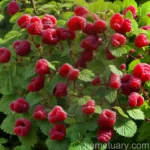
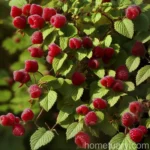
Wine Raspberry, scientifically known as Rubus phoenicolasius, is a species of raspberry native to Asia. It is a vigorous, rambling shrub that produces delicious, wine-colored berries. This plant belongs to the Rosaceae family, which includes several economically important fruit crops such as apples, pears, and strawberries. Wine Raspberry is highly valued for its ornamental and culinary attributes, making it a popular choice for home gardeners and commercial growers alike.
2. Cultivation of Wine Raspberry
Getting Started with Wine Raspberry
To succeed in growing healthy and productive Wine Raspberry plants, it is essential to understand their specific cultural requirements.
Sunlight and Water Requirements
- Sunlight: Wine Raspberry plants thrive in full sun to partial shade. They require a minimum of 6-8 hours of direct sunlight per day for optimal fruit production.
- Water: Adequate and consistent soil moisture is crucial for the growth and fruiting of Wine Raspberry. These plants perform best in well-draining soil that is kept consistently moist but not waterlogged. Irregular watering can lead to issues such as fruit cracking and poor berry development.
Soil and Fertilization
The soil composition and fertility play a significant role in the overall health and productivity of Wine Raspberry plants.
-
Soil: Wine Raspberry prefers slightly acidic to neutral soil with a pH range of 5.5 to 7.0. A loamy, well-draining soil with high organic matter content is ideal for these plants. Proper soil preparation before planting is essential to ensure the long-term success of Wine Raspberry cultivation.
-
Fertilization: A balanced fertilizer, such as a 10-10-10 NPK formulation or a suitable organic alternative, should be applied in early spring as new growth begins. Additionally, a side dressing of compost or well-rotted manure can be beneficial during the growing season to provide a slow release of nutrients to the plants.
3. Care and Maintenance
Pruning and Propagation
Proper pruning and propagation techniques are essential for maintaining the vigor and productivity of Wine Raspberry plants.
-
Pruning: Pruning is a fundamental practice that helps in controlling the size and shape of Wine Raspberry plants, promoting air circulation, and facilitating easy harvest. It is advisable to prune Wine Raspberry in the late winter or early spring to remove dead, damaged, or weak canes and to thin the plant for better light penetration and air circulation.
-
Propagation: Wine Raspberry plants can be propagated through various methods, including tip layering, division, and stem cuttings. Tip layering, where the tip of a growing cane is bent to the ground and covered with soil to encourage root formation, is one of the most common and effective propagation techniques for this species.
Container Gardening
Wine Raspberry can also be successfully grown in containers, making it a versatile option for urban or space-constrained gardeners. When growing Wine Raspberry in containers, consider the following tips:
-
Container Size: Choose a large container with a minimum diameter of 18-24 inches to accommodate the spreading nature of Wine Raspberry roots and canes.
-
Soil and Drainage: Use a well-draining, lightweight potting mix and ensure proper drainage by providing drainage holes at the bottom of the container.
-
Watering and Fertilization: Container-grown Wine Raspberry plants may require more frequent watering and fertilization compared to those in the ground. Monitor soil moisture closely and feed with a balanced liquid fertilizer according to the recommended guidelines.
Disease Management
Wine Raspberry plants are susceptible to certain diseases, and proper disease management practices are crucial for maintaining plant health and productivity.
-
Common Diseases: Wine Raspberry may be affected by fungal diseases such as anthracnose, botrytis, and powdery mildew, as well as viral infections like raspberry mosaic. Additionally, root rot and crown gall can pose significant threats to the plants, especially in poorly drained or waterlogged soil.
-
Disease Diagnosis: Regular monitoring of the plants for any signs of foliar or stem lesions, wilting, yellowing, or stunting is essential for early disease detection. Prompt action, such as removing and destroying infected plant material, implementing cultural controls, or using approved fungicides, can help in managing and preventing the spread of diseases.
4. Useful Tips and Fun Facts
Botanist’s Tips
-
Wine Raspberry berries are a rich source of antioxidants, vitamins, and dietary fiber, making them a valuable addition to a healthy diet.
-
To encourage vigorous growth and high fruit yield, apply a thick layer of mulch around Wine Raspberry plants to conserve moisture, suppress weeds, and provide a steady supply of organic matter to the soil.
Fun Facts about Wine Raspberry
-
The wine-colored berries of Rubus phoenicolasius are not only a tasty treat for humans but also attract a wide variety of wildlife, including birds and small mammals, due to their sweet and juicy nature.
-
The mature canes of Wine Raspberry develop distinctive reddish-brown bark, adding ornamental interest to the landscape, especially in the winter months.
5. Links to External Resources
For further information on Wine Raspberry (Rubus Phoenicolasius) cultivation and care, consider exploring the following external resources:
- Wine Raspberry Cultivation Guide
- Benefits of Wine Raspberry Consumption
- Managing Common Pests and Diseases in Wine Raspberry
- Recipes Using Wine Raspberry
- Wine Raspberry in Herbal Medicine
- Wine Raspberry Plant Propagation Techniques
In conclusion, Wine Raspberry (Rubus Phoenicolasius) is an attractive, flavorful, and versatile plant that can be a delightful addition to any garden or landscape. By following the recommended cultural practices and staying vigilant against potential challenges, enthusiasts can cultivate healthy, bountiful Wine Raspberry plants and savor the unique pleasures they offer.