Rubus ‘Latham’ (Summer Bearing Raspberry): A Complete Guide
Raspberries are a delightful addition to any garden, and the Rubus ‘Latham’ variety, in particular, is a standout choice for those who are looking to cultivate summer-bearing raspberries. In this comprehensive guide, we will explore the characteristics, culture, uses, and care tips for Rubus ‘Latham’ (Summer Bearing Raspberry). From understanding its growth habits to disease resistance and even delicious recipe ideas, this guide covers everything you need to know about growing and enjoying this delectable fruit.
What is Rubus ‘Latham’?
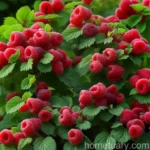
Rubus ‘Latham’ is a summer-bearing raspberry variety that produces deliciously sweet and juicy berries. This cultivar is known for its exceptional fruit quality and high yield. The Rubus genus encompasses a diverse group of plants, including raspberries, blackberries, and their hybrids. Raspberries belong to the rose family, Rosaceae, and are prized for their edible fruit and ornamental value.
Rubus ‘Latham’ Description
- Family: Rosaceae
- Genus: Rubus
- Variety: Latham
- Type: Summer Bearing Raspberry
Key Takeaways – Rubus ‘Latham’ (Summer Bearing Raspberry)
Before we delve into the details of growing and caring for Rubus ‘Latham’, let’s highlight some key takeaways about this raspberry variety.
- Characteristics: Large, sweet, and juicy berries
- Growth Habit: Summer-bearing, erect canes
- Uses: Fresh consumption, jams, jellies, and desserts
- Disease Resistance: Moderate to high resistance to common raspberry diseases
- Garden Benefits: Edible landscaping, wildlife attraction, and aesthetic appeal
- Cultural Popularity: Widely grown by home gardeners and commercial producers
Now, let’s dive deeper into the specifics of cultivating and nurturing Rubus ‘Latham’ in your garden.
Culture of Rubus ‘Latham’
Cultivating Rubus ‘Latham’ successfully requires an understanding of its cultural requirements, including water, sunlight, soil, and maintenance practices.
Uses
Rubus ‘Latham’ has versatile uses, making it a valuable addition to any garden. Here are some common uses of Latham Raspberry:
- Fresh consumption
- Culinary purposes: Jams, jellies, pies, and desserts
- Edible landscaping
- Wildlife attraction (birds are particularly fond of raspberries)
Water
Watering Routine: Raspberries, including Rubus ‘Latham’, benefit from consistent moisture during the growing season. It’s essential to keep the soil evenly moist, especially during flowering and fruit development.
Sunlight
Sunlight Needs: Raspberries thrive in full sun. When selecting a planting location for Rubus ‘Latham’, ensure it receives at least 6-8 hours of direct sunlight daily for optimal growth and fruit production.
Fertilizer
Fertilization: Apply a balanced fertilizer in early spring as new growth emerges. Additionally, a side-dressing of compost or well-rotted manure around the base of the plants can provide essential nutrients throughout the growing season.
Soil
Soil Requirements: Well-drained, loamy soil with a slightly acidic to neutral pH (pH 5.5-6.5) is ideal for growing Rubus ‘Latham’. Adding organic matter to the soil can improve its structure and fertility.
Pruning
Pruning Schedule: Regular pruning is essential for managing the canes and promoting fruit production. After harvesting, remove the canes that bore fruit and train the new canes for the following year’s harvest.
Propagation of Rubus ‘Latham’
Methods
Rubus ‘Latham’ can be propagated through several methods, including:
- Tip Layering: Encouraging the tips of the canes to root while still attached to the mother plant.
- Division: Separating and replanting the suckers that emerge from the base of the plants.
Container Popularity
While Rubus ‘Latham’ can be successfully grown in containers, it’s essential to select large containers to accommodate its growth habit and ensure proper drainage. Container-grown raspberries can be especially suitable for urban and small-space gardens.
Disease Resistance and Management
Raspberry plants, including Rubus ‘Latham’, may face various diseases, but proper care and maintenance can help mitigate these issues.
Common Diseases
- Gray Mold (Botrytis): Caused by the fungus Botrytis cinerea, this disease leads to gray, fuzzy mold on the berries and canes.
- Anthracnose: Caused by the fungus Elsinoe veneta, anthracnose affects the canes and causes sunken, dark lesions.
Disease Diagnosis
It’s crucial to monitor the plants for any signs of diseases, such as wilting, discoloration, or unusual growth patterns. Timely intervention with appropriate treatments can help prevent the spread of diseases.
Common Pests
Raspberry plants are susceptible to various pests, including:
- Raspberry Beetle (Byturus tomentosus)
- Spider Mites
- Fruitworms
Implementing pest management strategies, such as regular monitoring and the use of insecticidal soaps or neem oil, can help protect Rubus ‘Latham’ from pest infestations.
Botanist’s Tips for Cultivating Rubus ‘Latham’
As a plant scientist, I recommend the following tips for successful cultivation of Rubus ‘Latham’:
-
Prune Regularly: Proper pruning is crucial for maintaining the health and productivity of Rubus ‘Latham’. Remove dead, diseased, or damaged canes each year, and thin out new canes to encourage vigorous growth and abundant fruiting.
-
Mulch Application: Applying a thick layer of organic mulch around the base of the plants can help conserve moisture, suppress weeds, and improve soil structure.
-
Support Systems: Utilize trellises or support systems to manage the canes and facilitate air circulation, which can reduce the risk of diseases.
-
Companion Planting: Consider planting aromatic herbs and flowers near Rubus ‘Latham’ to attract beneficial insects and enhance the overall garden ecosystem.
Fun Facts about Rubus ‘Latham’
- The name “Rubus” is derived from the Latin word for “bramble” or “blackberry.”
- Raspberries are not true berries but rather aggregate fruits, composed of many drupelets closely arranged around a central core.
Links to External Resources
For additional information about Rubus ‘Latham’ and raspberry cultivation, explore these resources: