Wax Plant (Hoya Pubicalyx)
Plants have this unique ability to brighten up any space with their natural charm. Among the myriad of plant varieties that adorn our homes and gardens.
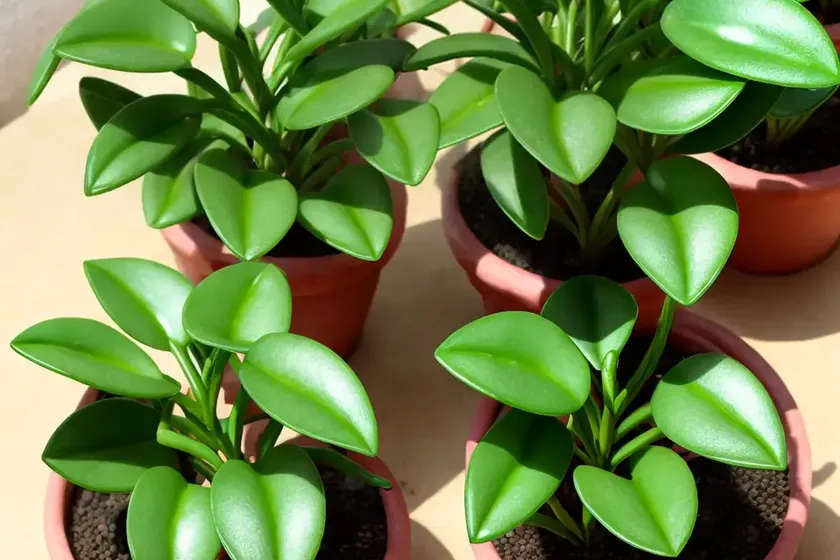
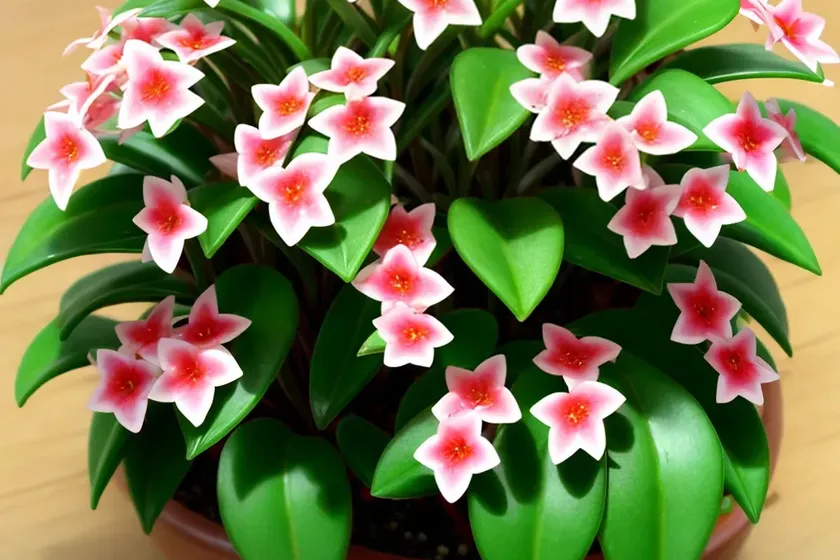
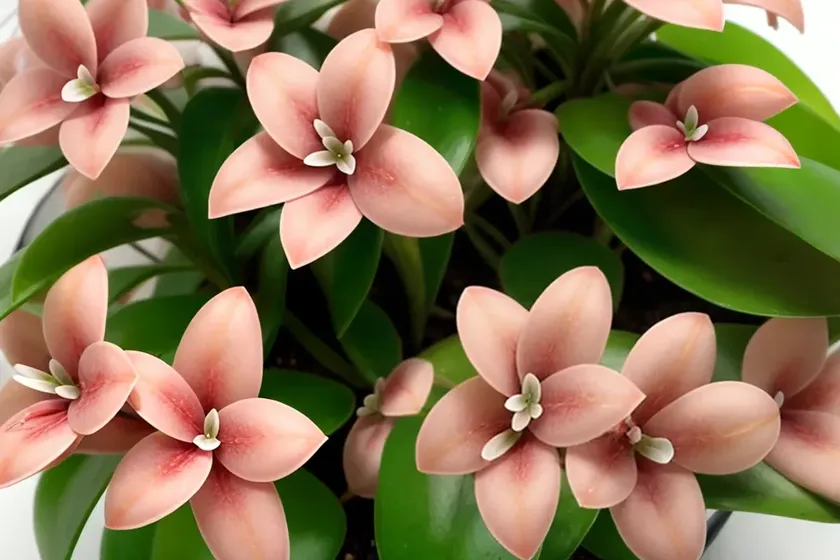
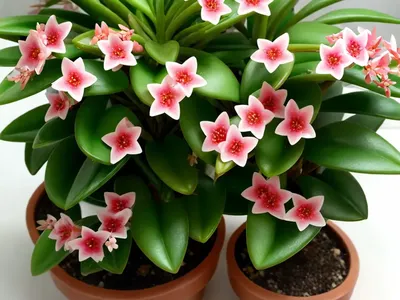
Plants have this unique ability to brighten up any space with their natural charm. Among the myriad of plant varieties that adorn our homes and gardens, the Wax Plant, scientifically known as Hoya Pubicalyx, stands out as a popular choice for plant enthusiasts. This resilient and low-maintenance plant is admired for its waxy, star-shaped flowers and thick, succulent-like leaves. In this comprehensive care guide, we will delve into the various aspects of Wax Plant care, including propagation, soil requirements, light and water needs, common pests and diseases, and much more.
What is a Wax Plant (Hoya Pubicalyx)?
Wax Plant, native to the Philippines, is a species of the Hoya genus, which consists of over 200 tropical plants in the Apocynaceae family. The name “Hoya” is derived from the botanist Thomas Hoy, who was a friend of the Duke of Northumberland and the first to cultivate the plant in England. The specific epithet “pubicalyx” comes from the Latin words “pubes,” meaning “down” or “hairy,” and “calyx,” referring to the sepals of a flower, describing the fuzzy nature of the flower clusters.
The distinguishing features of the Wax Plant include its perennial nature, twining vines that produce clusters of star-shaped flowers, and thick, leathery leaves. The flowers typically appear in shades of pink, red, or purple, and they exude a sweet, pleasant fragrance, making them highly attractive to pollinators and humans alike.
As a low-maintenance plant with remarkable resilience, the Wax Plant is suitable for both indoor and outdoor cultivation, making it a versatile and popular choice among horticulturists and plant enthusiasts.
Key Takeaways – Wax Plant (Hoya Pubicalyx)
Before diving into the specifics of caring for the Wax Plant, let’s summarize the key takeaways:
- Botanical Name: Hoya Pubicalyx
- Common Name: Wax Plant
- Cultural Uses: Ornamental plant, suitable for indoor and outdoor cultivation
- Water: Moderate watering, allowing the soil to dry between waterings
- Sunlight: Indirect, bright light; protection from harsh afternoon sun
- Fertilizer: Balanced liquid fertilizer during the growing season
- Soil: Well-draining, aerated soil mix
- Pruning: Minimal pruning, primarily to control the size and shape of the plant
- Propagation: Easily propagated from stem cuttings in water or soil
- Container: Well-draining pots or hanging baskets
- Popularity: Widely popular as an ornamental houseplant
- Common Diseases: Potential susceptibility to powdery mildew, root rot
- Common Pests: Mealybugs, aphids, spider mites
- Fun Facts: Aerial roots enable the plant to climb and adhere to surfaces; nectar-producing flowers attract a variety of pollinators
Culture
Wax Plants have gained significant popularity as ornamental houseplants due to their attractive, waxy flowers and relatively low maintenance needs. Their ability to tolerate a range of light and watering conditions makes them versatile and well-suited for both experienced and novice plant enthusiasts.
Uses
Wax Plants are predominantly cultivated for their ornamental value, brightening up indoor spaces with their charming flowers and glossy leaves. While primarily considered a houseplant, Wax Plants can also thrive outdoors in warmer climates, provided they are shielded from direct sunlight and harsh weather conditions. Furthermore, their trailing vines make them ideal for hanging baskets or as climbing plants along supports and trellises.
Water
For optimal growth, Wax Plants require moderate watering, allowing the soil to partially dry out between waterings. Overwatering can lead to root rot and other potential complications, while underwatering may result in stunted growth and reduced flowering. Striking a balance is crucial in maintaining healthy, vibrant Wax Plants.
Sunlight
In their natural habitat, Wax Plants thrive in dappled sunlight beneath the forest canopy. As such, they prefer bright, indirect light when cultivated indoors. Placing them near a north- or east-facing window can provide them with the ideal light conditions, while protecting them from the intense, direct rays of the afternoon sun, which can scorch their leaves.
Fertilizer
During the growing season, typically from spring to early fall, Wax Plants benefit from regular fertilization with a balanced liquid fertilizer diluted to half-strength. This supports healthy growth and flowering, ensuring that the plant receives essential nutrients for its vigorous development.
Soil
Wax Plants require well-draining soil to prevent waterlogging and maintain the aeration of the roots. A suitable soil mix includes a combination of peat moss, perlite, and coarse sand, promoting optimal drainage while retaining adequate moisture for the plant’s needs.
Pruning
Pruning requirements for Wax Plants are minimal, primarily involving the removal of dead or damaged stems or controlling the plant’s size and shape. Additionally, periodic pruning can help encourage branching and promote a fuller, more robust plant.
Propagation
One of the distinct advantages of Wax Plants is their ease of propagation. Stem cuttings taken from healthy, mature plants can be rooted in water before being transferred to a suitable potting mix. This straightforward propagation method allows plant enthusiasts to expand their collection or share Wax Plants with friends and family.
Container
When selecting a container for a Wax Plant, it is crucial to prioritize adequate drainage to prevent waterlogging. Well-draining pots or hanging baskets, featuring drainage holes at the bottom, are ideal for maintaining the plant’s overall health and avoiding potential root-related issues.
Popularity
The Wax Plant’s popularity as an ornamental houseplant has surged in recent years, largely due to its resilience and minimal care requirements. Its charming flowers, glossy leaves, and trailing vines make it an attractive addition to any indoor space, fostering a serene and natural ambiance.
Common Diseases
While relatively hardy, Wax Plants may be susceptible to certain diseases, with powdery mildew and root rot posing potential threats. General care practices, regular monitoring, and prompt intervention can help prevent and manage these issues effectively.
Disease Diagnosis
Diagnosing potential diseases affecting Wax Plants involves observing the appearance of the plant, including the leaves, stems, and flowers. Symptoms such as powdery white patches on the leaves, wilting, or discolored foliage may indicate underlying diseases, prompting necessary action to address the concerns.
Common Pests
In addition to diseases, Wax Plants may also attract common pests such as mealybugs, aphids, and spider mites. Regular inspection and the prompt implementation of pest management strategies can help mitigate the impact of these unwanted visitors on the plant’s health.
Botanist’s Tips
Plant enthusiasts and botanists alike recommend providing consistent care tailored to the Wax Plant’s specific needs, including optimal lighting, watering, and propagation practices. Moreover, incorporating suitable support structures for climbing varieties and ensuring appropriate humidity levels can further enhance the plant’s growth and well-being.
Fun Facts
- Wax Plants produce beautiful, star-shaped flowers with a distinct waxy texture and sweet fragrance, making them highly attractive to pollinators.
- The plant’s trailing vines and aerial roots enable them to climb and adhere to various surfaces, adding a touch of natural elegance to any space.
- Wax Plants are known for their air-purifying qualities, contributing to improved indoor air quality by removing toxins and impurities.
- With proper care, Wax Plants can bloom prolifically throughout the year, rewarding plant enthusiasts with an abundance of exquisite flowers.
Now that we have a comprehensive understanding of the key aspects of caring for Wax Plants, let’s explore each of these elements in greater detail to ensure the successful cultivation and enjoyment of these charming, waxy wonders.
Wax Plant Care: A Detailed Guide
Wax Plant Varieties
Hoya Pubicalyx showcases a range of captivating varieties, each offering unique foliage, flower colors, and growth habits. The following are some popular Hoya Pubicalyx varieties:
- Hoya Pubicalyx ‘Pink Silver’: This variety displays glossy, deep green leaves marbled with silver markings, complemented by pink and dark red flowers.
- Hoya Pubicalyx ‘Red Button’: Recognized for its compact growth and distinctive red-colored flowers, this variety is a favorite among plant enthusiasts.
- Hoya Pubicalyx ‘Royal Hawaiian Purple’: With its rich, vibrant purple flowers and contrasting green leaves, this variety adds a regal touch to any collection.
Each variety brings its own unique charm and characteristics, contributing to the overall appeal of the Hoya Pubicalyx species.
Wax Plant Propagation
Propagating Wax Plants is a rewarding endeavor, offering the opportunity to expand one’s plant collection and share the beauty of these captivating species with others. The following methods can be employed for successful propagation:
- Stem Cuttings: Select healthy, non-flowering stems and cut them into several segments, ensuring that each cutting possesses at least one node. Place the cuttings in a suitable rooting medium, such as water or a well-draining potting mix, and provide the necessary care until they develop roots.
- Layering: This method involves encouraging the plant to produce roots along the stems while they are still attached to the parent plant. Once roots have developed, the new plant can be separated and potted independently, allowing it to thrive on its own.
By following these propagation techniques, plant enthusiasts can propagate Wax Plants with relative ease, expanding their collection and sharing the joy of these charming, waxy wonders.
Wax Plant Watering
Watering Requirements: Proper watering practices are crucial to the health and vitality of Wax Plants. Follow these guidelines to ensure optimal watering:
- Moderate Watering: Water the plant thoroughly, allowing excess water to drain away. Once the top inch of the soil dries out, it is time to water again. Avoid overwatering, as this can lead to root rot and other complications.
- Consistent Moisture: While it is essential to allow the soil to partially dry between waterings, maintaining consistent moisture levels is beneficial for the plant’s growth and overall well-being.
By adhering to these watering practices, plant enthusiasts can provide the ideal conditions for the healthy development of their Wax Plants, leading to lush foliage and prolific flowering.
Hoya Pubicalyx Care Tips
Effectively caring for Hoya Pubicalyx involves understanding its specific needs and providing tailored care to promote its growth and overall well-being. Consider the following care tips when cultivating these captivating plants:
- Optimal Light Conditions: Provide bright, indirect light while protecting the plant from direct afternoon sun, which can scorch the leaves. North- or east-facing windows are ideal for maintaining suitable light levels.
- Balanced Fertilization: During the growing season, apply a balanced liquid fertilizer at half-strength to support healthy growth and flowering. Avoid overfertilization, as this can adversely affect the plant’s vitality.
- Proper Soil Mix: Utilize a well-draining soil mix containing components such as peat moss, perlite, and coarse sand to ensure adequate drainage and promote healthy root development.
By incorporating these care tips into the routine care of Hoya Pubicalyx, plant enthusiasts can ensure the successful cultivation and enjoyment of these captivating species.
Wax Plant Soil Requirements
Ideal Soil Mix: The following characteristics are essential for an ideal soil mix for Wax Plants:
- Well-Draining: Ensure that the soil mix is well-draining to prevent waterlogging and maintain proper aeration around the roots.
- Moisture Retention: While promoting optimal drainage, the soil mix should also retain adequate moisture to support the plant’s hydration needs.
- Aeration: Incorporate components such as perlite and coarse sand to facilitate proper aeration, promoting healthy root development.
Selecting and maintaining a suitable soil mix is crucial in fostering the robust growth and well-being of Wax Plants, ensuring they receive the necessary support for their development.
Hoya Pubicalyx Pruning
Pruning Practices: To maintain the health and aesthetics of Hoya Pubicalyx, follow these pruning practices:
- Minimal Pruning: Limit pruning to the removal of dead or damaged stems and the regulation of the plant’s size and shape.
- Encourage Branching: Periodic pruning can stimulate branching and encourage the development of a fuller, more robust plant.
By incorporating these pruning practices, plant enthusiasts can ensure that their Hoya Pubicalyx plants remain healthy, vibrant, and visually appealing.
Wax Plant Light Requirements
Indoor Lighting: Create the ideal lighting conditions for Wax Plants with the following considerations:
- Indirect, Bright Light: Position the plant where it receives bright, indirect light, such as near a north- or east-facing window, while avoiding direct exposure to harsh afternoon sun.
By providing the appropriate lighting, both indoors and outdoors, Wax Plants can thrive and display their full potential, showcasing lush foliage and an abundance of charming flowers.
Hoya Pubicalyx Potting
Potting Recommendations: When potting Hoya Pubicalyx, consider the following guidelines:
- Well-Draining Containers: Select pots or hanging baskets with adequate drainage holes to prevent waterlogging and maintain optimal soil moisture levels.
- Adequate Space: Choose a pot that allows sufficient space for the plant’s root system to grow and develop, promoting its overall health and vigor.
By adhering to these potting recommendations, plant enthusiasts can provide the ideal growing environment for Hoya Pubicalyx, supporting its growth and vitality.
Wax Plant Temperature Needs
Ideal Temperature Range: Wax Plants thrive within a specific temperature range, which typically falls within the following parameters:
- Warmth: Maintain temperatures above 60°F (16°C) to ensure the plant’s well-being and growth, avoiding exposure to cold drafts and sudden temperature fluctuations.
- Avoiding Extremes: Protect the plant from extreme temperatures and environmental conditions, which can adversely affect its overall health and vitality.
By maintaining suitable temperature levels, plant enthusiasts can ensure the successful cultivation of Wax Plants, providing them with the ideal growing environment to thrive and flourish.
Hoya Pubicalyx Fertilizing
Fertilization Practices: When fertilizing Hoya Pubicalyx, follow these recommendations for optimal results:
- Balanced Fertilizer: Apply a balanced liquid fertilizer at half-strength during the growing season, supporting the plant’s growth, flowering, and overall well-being.
- Avoid Overfertilization: Exercise caution to prevent overfertilizing, as excessive nutrient levels can negatively impact the plant’s health and vitality.
By implementing appropriate fertilization practices, plant enthusiasts can provide Hoya Pubicalyx with the essential nutrients for robust growth and abundant flowering, enhancing the overall appeal of these captivating plants.
Wax Plant Growth Habits
Vining Nature: Recognize and accommodate the vining growth habits of Wax Plants with the following considerations:
- Support Structures: Provide suitable support structures, such as trellises or moss poles, for climbing varieties, allowing them to exhibit their natural vining tendencies.
- Trailing Vines: Embrace the trailing nature of Wax Plants by incorporating hanging baskets, which showcase their elegant, cascading vines and charming, waxy flowers.
By understanding and accommodating the natural growth habits of Wax Plants, plant enthusiasts can create a visually appealing and supportive environment for these captivating species to thrive.
Hoya Pubicalyx Blooms
Flowering Characteristics: Enjoy the exquisite blooms of Hoya Pubicalyx with the following insights:
- Fragrant Flowers: Appreciate the sweet, pleasant fragrance emitted by the star-shaped flowers, which adds to their overall allure and charm.
- Vibrant Colors: Revel in the array of pink, red, and purple hues displayed by the captivating flowers, enhancing the visual appeal of the plant.
By nurturing the plant and providing appropriate care, plant enthusiasts can enjoy the delightful blooms of Hoya Pubicalyx, accentuating their indoor or outdoor spaces with natural elegance.
Wax Plant Trailing Varieties
Trailing Foliage: Accommodate the trailing nature of Wax Plants with the following considerations:
- Hanging Baskets: Showcase the plant’s elegant, cascading vines and charming, waxy flowers by incorporating hanging baskets, which highlight their natural beauty and trailing tendencies.
- Support Structures: For climbing varieties, provide suitable support structures such as trellises or moss poles, enabling the plant to exhibit its inherent vining habits.
By embracing the trailing varieties of Wax Plants, plant enthusiasts can create visually stunning displays, enriching their indoor or outdoor spaces with natural elegance.
Hoya Pubicalyx Indoor Gardening
Indoor Care: Successfully cultivate Hoya Pubicalyx in indoor settings with the following considerations:
- Ideal Lighting: Provide bright, indirect light near north- or east-facing windows, ensuring optimal growing conditions while protecting the plant from harsh afternoon sun.
- Moderate Watering: Maintain consistent moisture levels by watering the plant thoroughly, allowing the top inch of the soil to partially dry between waterings.
By effectively caring for Hoya Pubicalyx in indoor settings, plant enthusiasts can create vibrant, natural displays, enhancing the visual appeal and ambiance of their living spaces.
Wax Plant Humidity Needs
Humidity Maintenance: Support the humidity needs of Wax Plants with the following considerations:
- Regular Misting: Encourage healthy foliage and flowering by regularly misting the plant with water to increase ambient humidity levels, especially in drier environments.
- Avoiding Dry Conditions: Shield the plant from excessively dry conditions, particularly in heated indoor settings, which can adversely affect its overall health and growth.
By maintaining suitable humidity levels, plant enthusiasts can support the well-being and vibrancy of Wax Plants, fostering lush foliage and abundant flowering.
Hoya Pubicalyx Common Problems
Potential Issues: Recognize and address common problems that may affect Hoya Pubicalyx with the following insights:
- Disease Susceptibility: Be vigilant for potential issues such as powdery mildew and root rot, implementing necessary measures to prevent and manage these concerns effectively.
- Pest Control: Monitor the plant for common pests such as mealybugs, aphids, and spider mites, employing appropriate pest management strategies to mitigate their impact on the plant’s health.
By promptly addressing common problems, plant enthusiasts can safeguard the health and vitality of Hoya Pubicalyx, nurturing these captivating plants to their full potential.
Wax Plant Toxic to Pets
Pet Considerations: Recognize the potential toxicity of Wax Plants to pets, taking the necessary precautions to ensure their safety and well-being:
- Toxic Components: Be aware that the sap and components of Wax Plants can be toxic to pets if ingested, and take appropriate measures to prevent access to these plants in pet-inhabited spaces.
By prioritizing pet safety and awareness, plant enthusiasts can create a harmonious environment that supports the health and well-being of both their plants and their beloved pets.
Hoya Pubicalyx Flowering Tips
Flowering Enhancement: Promote abundant flowering in Hoya Pubicalyx with the following tips:
- Consistent Care: Provide consistent care, including optimal lighting, watering, and fertilization, to support the plant’s flowering potential and overall well-being.
- Suitable Conditions: Create a suitable growing environment with the ideal temperature, humidity, and light levels to encourage prolific flowering and vibrant, appealing blooms.
By incorporating these flowering tips, plant enthusiasts can enjoy the charming and captivating blooms of Hoya Pubicalyx, enhancing the visual appeal and natural elegance of their indoor or outdoor spaces.
Wax Plant Hanging Baskets
Hanging Basket Displays: Showcase the elegant, trailing vines and charming, waxy flowers of Wax Plants in hanging baskets with the following considerations