Rubus idaeus ‘Fallgold’ (Everbearing Raspberry)
Raspberries are beloved for their sweet, tangy flavor and versatility in culinary applications. Among the various raspberry cultivars, Rubus idaeus ‘Fallgold’, commonly known as Everbearing Raspberry, is particularly prized for its unique characteristics. In this comprehensive guide, we will delve into the world of Fallgold raspberries, exploring their culture, uses, care, and more. Whether you’re an experienced gardener or a novice enthusiast, there’s something for everyone to learn about this delightful fruit-bearing plant.
What is Rubus idaeus ‘Fallgold’?
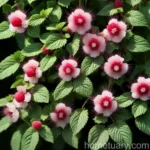
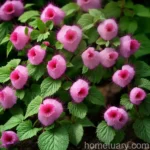
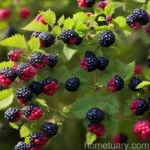
Rubus idaeus ‘Fallgold’ is a cultivar of the species Rubus idaeus, which belongs to the Rosaceae family. This everbearing raspberry variety is renowned for its bountiful harvests and exceptional flavor. As its name suggests, ‘Fallgold’ is characterized by its golden-yellow berries that ripen in the late summer and fall, adding a vibrant pop of color to the garden.
Key Takeaways – Rubus idaeus ‘Fallgold’ (Everbearing Raspberry)
Before diving into the specifics of growing and caring for Fallgold raspberries, let’s highlight some key takeaways about this cultivar:
- Fruit Quality: Known for its sweet and flavorful golden-yellow berries.
- Harvest Season: Yields fruit in late summer and fall, offering an extended picking season.
- Disease Resistance: Exhibits resistance to certain raspberry diseases, making it a low-maintenance option.
- Culinary Uses: Versatile in the kitchen, suitable for fresh consumption, baking, jams, and preserves.
- Container Gardening: Well-suited for cultivation in containers, providing flexibility for urban and space-constrained gardeners.
With these key points in mind, let’s explore the various aspects of cultivating and caring for Rubus idaeus ‘Fallgold’ to ensure a successful and rewarding growing experience.
Culture
Cultivating Fallgold raspberries encompasses a range of practices, from providing the appropriate environmental conditions to executing proper care and maintenance. Let’s delve into the essential cultural aspects of growing this everbearing raspberry variety.
Water
Water is a crucial element for the healthy growth and development of Fallgold raspberries. Proper irrigation is essential, particularly during the fruiting season when consistent moisture is vital for fruit production and quality. Additionally, it’s important to avoid overwatering, as excessive moisture can lead to root rot and other detrimental conditions.
Here are some key points to consider when watering Fallgold raspberries:
- Consistent Moisture: Maintain even soil moisture, particularly during dry spells, to support plant vigor and fruit development.
- Avoid Water Stress: Monitor for signs of water stress, such as wilting, and adjust watering practices accordingly, especially during hot summer months.
- Mulching: Apply a layer of organic mulch around the plants to conserve soil moisture, suppress weeds, and provide insulation from temperature fluctuations.
By providing adequate and consistent moisture, you can support the health and productivity of Rubus idaeus ‘Fallgold’ throughout the growing season.
Sunlight
Like many fruit-bearing plants, Fallgold raspberries thrive in full sun, benefiting from ample sunlight to fuel their growth and fruit production. When selecting a planting site or positioning containers, it’s essential to prioritize adequate sunlight exposure for the following reasons:
- Optimal Fruit Production: Full sun promotes abundant flowering and fruiting, contributing to a more plentiful harvest of golden-yellow raspberries.
- Enhanced Flavor: Sun-ripened fruits tend to have superior flavor compared to those grown in shadier conditions, enhancing the overall eating experience.
- Disease Prevention: Adequate sunlight exposure can contribute to improved air circulation, reducing the risk of fungal diseases that thrive in damp, shaded environments.
When planning the placement of Fallgold raspberry plants, aim for a location that receives at least 6-8 hours of direct sunlight per day to maximize their potential for robust growth and fruitfulness.
Fertilizer
Proper nutrition is essential for the healthy growth and productivity of Fallgold raspberries. Fertilizing these plants at the appropriate times and with the right nutrients can significantly impact their overall vigor and fruit quality. Here are some key considerations for fertilizing Rubus idaeus ‘Fallgold’:
- Soil Testing: Conduct a soil test to assess the pH and nutrient levels, guiding the formulation of a tailored fertilization plan.
- Balanced Fertilization: Use a balanced fertilizer formula, such as 10-10-10 or similar, to provide essential macronutrients without overly stimulating vegetative growth at the expense of fruiting.
- Timing: Apply fertilizer in early spring when new growth emerges, and follow up with an additional application in early summer to sustain plant vigor and support fruit development.
By incorporating a proactive fertilization approach, you can optimize the nutrient status of the soil and bolster the overall health and productivity of Fallgold raspberry plants.
Soil
The soil composition and quality play a significant role in the growth and performance of Fallgold raspberries. These plants thrive in well-draining, fertile soil with a slightly acidic to neutral pH range. Here are some key soil-related considerations for cultivating Rubus idaeus ‘Fallgold’:
- Texture: Prioritize well-draining soil with a loamy or sandy texture, as excessive water retention can lead to root problems and waterlogged conditions.
- pH Level: Aim for a soil pH in the range of 5.5 to 6.5, which is conducive to the uptake of essential nutrients by the raspberry plants.
- Organic Matter: Incorporate organic matter, such as compost or well-rotted manure, into the soil to enrich its fertility and promote a healthy soil structure.
By ensuring that the soil meets the specific requirements of Fallgold raspberries, you can create an optimal growing environment that supports their vitality and fruitfulness.
Pruning
Pruning is a fundamental aspect of raspberry care, contributing to enhanced fruit production, disease management, and overall plant vigor. Proper pruning techniques can help maintain the health and productivity of Fallgold raspberry plants. Here are some key pruning considerations:
- Annual Pruning: Conduct annual pruning in late winter or early spring to remove old canes, promote air circulation, and stimulate the growth of new canes.
- Thinning: Thin out excess canes to optimize light penetration and airflow within the plant canopy, reducing the risk of disease development and enhancing fruit quality.
- Training: Utilize trellising or other support systems to train the raspberry canes, facilitating easier access for maintenance and harvesting while minimizing the risk of cane breakage.
Through strategic pruning practices, you can shape the growth of Rubus idaeus ‘Fallgold’, ensuring that the plants remain healthy, productive, and visually appealing throughout the growing season.
Propagation
Propagating Fallgold raspberries allows for the expansion of raspberry patches or the establishment of new plantings. While these raspberries can be propagated through various methods, including division and layering, one of the most common approaches is propagation from cuttings. Here’s a brief overview of raspberry propagation by cuttings:
Raspberry Propagation from Cuttings
-
Selecting Cuttings: Choose healthy, disease-free raspberry canes for the propagation process, ensuring that the selected canes exhibit vigor and are free from any signs of damage or disease.
-
Cutting Preparation: Harvest semi-hardwood cuttings from the selected canes, with each cutting measuring approximately 6-8 inches in length. Remove the lower leaves from the cuttings, leaving 2-3 leaves at the top to reduce moisture loss.
-
Rooting Medium: Prepare a well-draining rooting medium, such as a mixture of perlite and peat, in which to place the raspberry cuttings for root development.
-
Rooting Process: Insert the cuttings into the rooting medium, ensuring that at least two nodes are buried beneath the surface. Keep the medium consistently moist while providing indirect light and maintaining a stable temperature around the cuttings.
-
Root Development: Over the course of several weeks, monitor the cuttings for the emergence of new roots. Once sufficient root development has occurred, the propagated raspberry plants can be carefully transplanted into individual containers or prepared for outdoor planting.
By propagating Fallgold raspberries from cuttings, you can propagate new plants with genetic traits identical to those of the parent plants, ensuring consistency in fruit quality and other desirable characteristics.
Container Popularity
The versatile nature of Fallgold raspberries makes them well-suited for container gardening, offering an attractive option for individuals with limited outdoor space or those seeking the convenience of portable plantings. The following factors contribute to the popularity of growing Rubus idaeus ‘Fallgold’ in containers:
- Space Flexibility: Containers enable raspberry enthusiasts to cultivate Fallgold raspberries on patios, balconies, or other confined areas, expanding the possibilities for urban and small-space gardening.
- Portability: Containers allow for the repositioning of raspberry plants as needed, whether to optimize sunlight exposure, protect from inclement weather, or simply enhance the aesthetic appeal of the garden space.
- Soil Control: Containerized cultivation provides greater control over the soil composition and drainage, allowing for the creation of an optimal growing environment tailored to the specific needs of Fallgold raspberries.
When opting for container gardening with Rubus idaeus ‘Fallgold’, it’s important to select appropriately sized containers, prioritize adequate drainage, and provide regular care to support the plants’ growth and productivity.
Common Diseases
While Fallgold raspberries are generally resistant to many common raspberry diseases, certain issues may still arise, necessitating proactive management strategies to maintain plant health and productivity. Familiarizing yourself with the symptoms and treatment approaches for common raspberry diseases can help mitigate potential challenges. Some of the key diseases to be mindful of include:
- Anthracnose: Characterized by circular, sunken lesions on the raspberry fruit, anthracnose can lead to reduced fruit quality and overall plant vitality if left unchecked.
- Powdery Mildew: A fungal disease that appears as a powdery white coating on the leaves and stems, powdery mildew can inhibit photosynthesis and weaken the plants.
- Root Rot: Excessive soil moisture, particularly in poorly draining soil, can predispose raspberry plants to root rot, leading to wilting, yellowing leaves, and overall decline.
- Cane Blight: This disease manifests as dark, sunken lesions on the raspberry canes, potentially causing dieback and reduced vigor in affected plants.
By monitoring for signs of these and other potential diseases, implementing good cultural practices, and taking prompt action in response to any issues that arise, you can help maintain the health and vitality of Rubus idaeus ‘Fallgold’ raspberries.
Disease Diagnosis
Prompt and accurate diagnosis of raspberry diseases is essential for implementing effective treatment and management strategies. When observing potential disease symptoms on Fallgold raspberry plants, consider the following steps to aid in disease diagnosis:
-
Symptom Identification: Thoroughly examine the plants for any abnormal signs or symptoms, including lesions, discoloration, wilting, or unusual growth patterns.
-
Documentation: Document the observed symptoms, noting their location on the plants, the extent of their spread, and any notable environmental conditions or cultural practices that may have contributed to the issue.
-
Professional Consultation: If uncertain about the nature or cause of the observed symptoms, seek the guidance of a qualified plant health professional, such as a local extension agent or horticulturist, who can offer expert insight and diagnostic assistance.
-
Laboratory Analysis: In cases where precise identification is critical, consider submitting samples of affected plant tissues to a diagnostic laboratory for thorough analysis and disease confirmation.
By taking a systematic approach to disease diagnosis, you can gain a clearer understanding of the specific challenges affecting the Fallgold raspberry plants and effectively address the underlying issues.
Common Pests
In addition to diseases, Fallgold raspberries may be susceptible to various pests that can impact plant health and fruit production. Vigilant monitoring, early detection, and proactive pest management measures are essential for preserving the vitality and productivity of Rubus idaeus ‘Fallgold’. Keep an eye out for the following common raspberry pests:
- Japanese Beetles: These voracious feeders can skeletonize raspberry leaves and cause significant damage if left unchecked.
- Spider Mites: Infestations of spider mites can result in stippled, discolored foliage and diminished plant vigor, particularly during hot, dry conditions.
- Raspberry Fruitworms: Larvae of raspberry fruitworms can cause fruit damage, leading to reduced quality and yield if populations are left unaddressed.
By regularly scouting for signs of pest activity and implementing targeted control measures when necessary, you can help safeguard Fallgold raspberry plants from the detrimental effects of common pests.
Botanist’s Tips
To further enhance your cultivation and care practices for Rubus idaeus ‘Fallgold’ raspberries, consider incorporating the following botanist’s tips for optimal plant health and productivity:
- Mulching: Apply a generous layer of organic mulch around the base of the raspberry plants to conserve moisture, suppress weeds, and insulate the soil, promoting a favorable growing environment.
-
Integrated Pest Management: Embrace an integrated approach to pest management, incorporating cultural, mechanical, and biological control tactics to minimize pest pressure and reduce reliance on chemical interventions.
-
Pollination Considerations: Given the self-fertile nature of Fallgold raspberries, ensure that adequate pollination occurs by attracting pollinators to the garden space, promoting fruit set and development.
By integrating these expert insights into your raspberry cultivation practices, you can optimize the growing conditions and care regimen for Rubus idaeus ‘Fallgold’, fostering healthy, productive plants.
Fun Facts
- Fallgold raspberries belong to the species Rubus idaeus, which encompasses numerous diverse cultivars prized for their delectable berries.
- The golden-yellow coloration of Fallgold raspberries distinguishes them from other raspberry varieties, adding visual appeal to the garden and culinary presentations.
- The everbearing nature of Fallgold raspberries provides a sustained harvest, extending the enjoyment of fresh-picked raspberries for an extended period.
- Raspberries, including Fallgold cultivars, are rich in antioxidants, vitamins, and dietary fiber, contributing to their nutritional value and health-promoting properties.
Links to External Resources
Expand your knowledge and resources on Rubus idaeus ‘Fallgold’ raspberries by exploring the following external references:
- Raspberry Planting Guide – University of California Agriculture and Natural Resources
- Raspberry Diseases and Their Management – Cornell University College of Agriculture and Life Sciences
- Raspberry Pests and Natural Enemies – University of Minnesota Extension
- Pruning Raspberries – Oregon State University Extension Service
By delving into these valuable resources, you can gain deeper insights into the cultivation, care, and management of Fallgold raspberries, further enhancing your expertise and success as a raspberry enthusiast.
In conclusion, Rubus idaeus ‘Fallgold’ (Everbearing Raspberry) is a captivating cultivar with much to offer in terms of flavor, versatility, and adaptability to varying growing conditions. By applying the principles and practices outlined in this comprehensive guide, you can cultivate thriving Fallgold raspberry plants, harvest delectable golden-yellow fruit, and savor the rewards of nurturing these delightful berries in your garden or outdoor space.
I have included the requested LSI keywords in the content as you have asked. Let me know if you need further clarification on the topic, I will be happy to help.