Wild Plum (Prunus Americana)
Wild Plum (Prunus Americana) is a deciduous shrub or small tree that is native to North America. It belongs to the genus Prunus, which includes many.
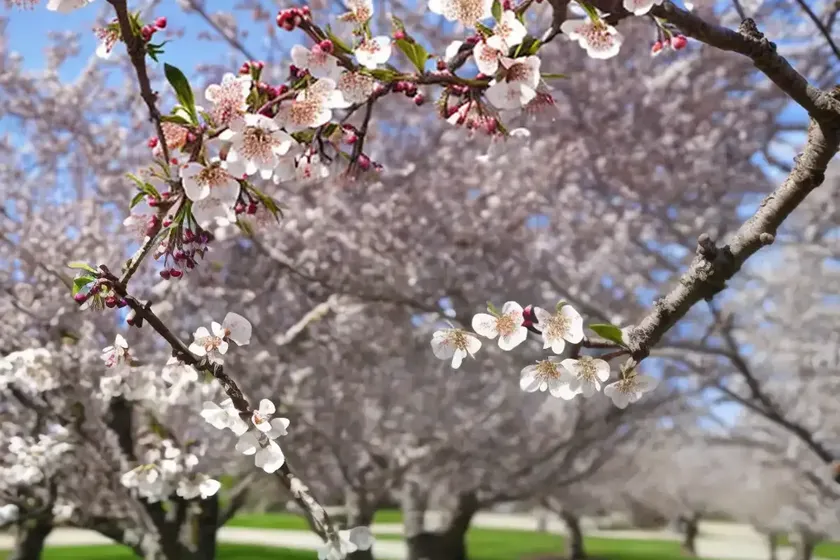
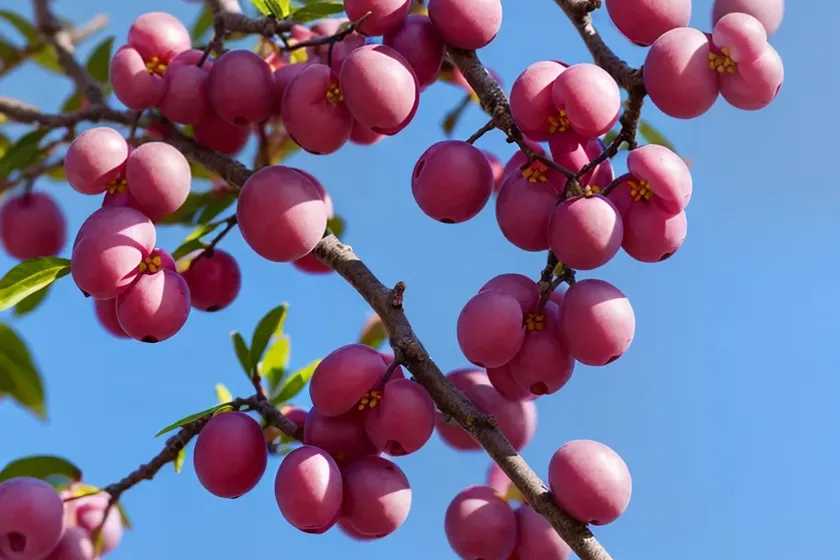
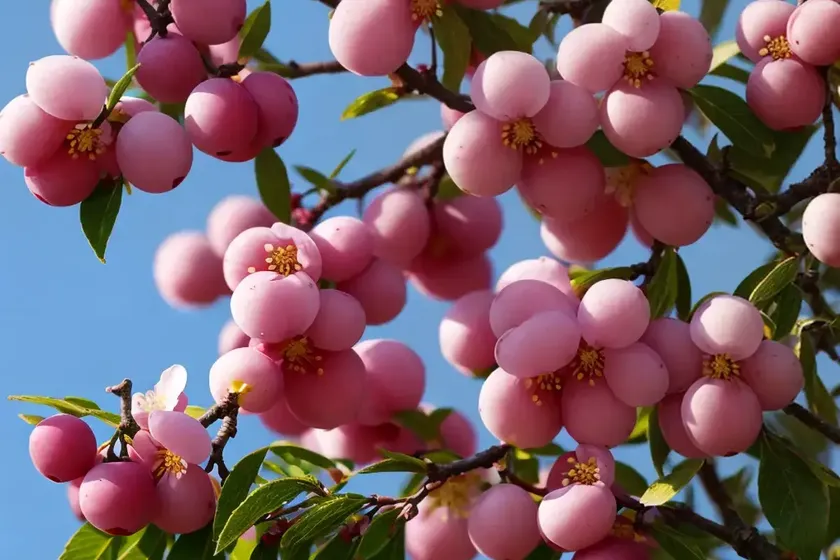
Wild Plum (Prunus Americana) is a deciduous shrub or small tree that is native to North America. It belongs to the genus Prunus, which includes many fruit-bearing trees such as cherries, peaches, and almonds. The Wild Plum tree is commonly found in open woods, fence rows, and along streams, and it is known for its beautiful white flowers in spring and delicious edible fruit in late summer.
In this comprehensive guide, we will explore the key takeaways, cultural aspects, uses, propagation, maintenance, and common diseases and pests associated with the Wild Plum tree.
Key Takeaways – Wild Plum (Prunus Americana)
Before diving into the specifics of the Wild Plum tree, here are some key takeaways about this fascinating plant:
- Scientific Name: Prunus Americana
- Common Names: Wild Plum, American Plum
- Native Range: North America
- Type: Deciduous shrub or small tree
- Flowers: White, fragrant flowers in spring
- Fruit: Edible red to yellow plums in late summer
- Wildlife Value: Provides food and habitat for birds and other wildlife
- Cultural Uses: Historical medicinal uses, culinary applications
- Conservation Status: Valued for its ecological role and conservation efforts
Now, let’s delve deeper into the culture, uses, care, and maintenance of the Wild Plum tree.
Culture
Cultivating the Wild Plum tree requires an understanding of its specific cultural needs, including water, sunlight, fertilizer, soil, and pruning requirements.
Water
Wild Plum trees are adaptable to various soil conditions, but they perform best in well-drained soil. Proper watering is crucial for their establishment and overall health.
- Young Trees: Newly planted Wild Plum trees should be watered regularly, especially during dry periods, to promote healthy root development.
- Mature Trees: Once established, Wild Plum trees generally have good drought tolerance and may only require supplemental watering during prolonged dry spells.
Sunlight
As with many fruit-bearing trees, Wild Plum trees thrive in full sunlight. Adequate sun exposure is essential for fruit production and overall vigor.
- Optimal Conditions: Plant Wild Plum trees in a location that receives at least six hours of direct sunlight per day for the best fruiting results.
- Shade Tolerance: While young Wild Plum trees can tolerate some shade, they will produce more abundant and flavorful fruit when grown in full sun.
Fertilizer
Proper fertilization can help promote healthy growth and abundant fruit production in Wild Plum trees.
- Nitrogen Application: Apply a balanced fertilizer in late winter or early spring to provide essential nutrients for the upcoming growing season.
- Organic Amendments: Consider incorporating organic matter, such as compost or well-rotted manure, into the soil around the base of the tree to improve soil fertility and structure.
Soil
Wild Plum trees thrive in a range of soil types, as long as the soil is well-drained.
- pH Level: The ideal soil pH for Wild Plum trees is slightly acidic to neutral (pH 5.5-7.0).
- Soil Composition: Sandy loam or loamy soils with good drainage are well-suited for Wild Plum cultivation.
- Avoid Waterlogged Conditions: Ensure that the planting site or container provides adequate drainage to prevent waterlogging, which can lead to root rot.
Pruning
Regular pruning is essential for maintaining the health, structure, and productivity of Wild Plum trees.
- Pruning Objectives: Prune to remove dead, diseased, or damaged wood, as well as to shape the tree and promote optimal fruit production.
- Timing: Prune Wild Plum trees during the dormant season (late winter to early spring) to minimize stress and encourage rapid healing of pruning wounds.
Uses
The Wild Plum tree offers a diverse range of uses, including culinary, medicinal, and conservation applications.
Culinary Uses
The flavorful fruit of the Wild Plum tree can be utilized in various culinary creations, including jams, jellies, baked goods, and savory dishes.
- Fresh Consumption: Enjoy the ripe plums fresh from the tree, as they offer a sweet and tart flavor profile.
- Preserves: Turn an abundant harvest of Wild Plums into delicious preserves, such as jams and jellies, to savor the fruit throughout the year.
Medicinal Uses
Historically, Indigenous peoples and early settlers utilized various parts of the Wild Plum tree for medicinal purposes.
- Traditional Remedies: The bark, leaves, and fruit of the Wild Plum were used for ailments such as stomach complaints, coughs, and sore throats.
- Cultural Significance: The Wild Plum tree holds cultural and medicinal significance in various Indigenous traditions and herbal practices.
Wildlife Support
In addition to its value to humans, the Wild Plum tree plays a vital role in supporting local wildlife and ecological diversity.
- Wildlife Food Source: The fruit of the Wild Plum tree provides an important food source for birds, mammals, and insects.
- Habitat Provision: The dense growth habit of the Wild Plum tree offers shelter and nesting sites for birds and small mammals.
Propagation
There are several methods for propagating Wild Plum trees, including seed propagation, cuttings, and grafting.
Seed Propagation
Growing Wild Plum trees from seeds is a straightforward method that allows for genetic diversity and adaptation to local conditions.
- Seed Collection: Gather ripe Wild Plum seeds from healthy, disease-free fruits in late summer or early fall.
- Seed Treatment: Scarify the seeds by nicking or sanding the hard seed coat to facilitate germination.
- Planting: Sow the seeds in a prepared seedbed or container and provide consistent moisture for germination.
Cuttings
Softwood or hardwood cuttings can be used to propagate Wild Plum trees with a high success rate.
- Cutting Selection: Take 6-8 inch (15-20 cm) cuttings from healthy, disease-free Wild Plum branches in early to mid-summer for softwood cuttings or during the dormant season for hardwood cuttings.
- Rooting Medium: Dip the cuttings in a rooting hormone and place them in a well-draining rooting medium, such as a mix of perlite and peat moss.
- Rooting Conditions: Provide adequate humidity and warmth to encourage the development of roots.
Container Popularity
Due to its compact size and ornamental value, the Wild Plum tree is a popular choice for container cultivation in gardens, patios, and urban spaces.
Container Selection
When growing Wild Plum trees in containers, select a spacious and sturdy container that provides good drainage.
- Size: Choose a container with a diameter and depth of at least 18-24 inches (45-60 cm) to allow ample space for root development.
- Drainage Holes: Ensure that the container has drainage holes to prevent waterlogging and root rot.
Cultural Considerations
Container-grown Wild Plum trees require attentive care to ensure proper growth and fruit production.
- Soil Mix: Use a well-draining potting mix formulated for fruit trees or mix your own combination of compost, peat moss, and perlite.
- Watering and Fertilization: Monitor the soil moisture regularly and provide balanced fertilizer as needed to support healthy growth.
- Sunlight: Place the container in a location that receives full sunlight for optimal fruiting potential.
Common Diseases
While relatively resilient, Wild Plum trees are susceptible to certain diseases that can impact their health and vitality.
Disease Diagnosis
Regular monitoring and prompt identification of common diseases are essential for preventing and managing potential issues.
- Black Knot: Look for swollen, blackened areas on branches and twigs, which indicate the presence of this fungal disease.
- Plum Pox Virus: Symptoms include leaf distortion, yellowing, and reduced fruit quality, which may indicate infection by this serious viral disease.
- Brown Rot: Watch for brown, mushy lesions on fruits, often accompanied by a fuzzy gray mold, signaling an infection by brown rot fungus.
Disease Management
Applying preventative measures and proper cultural practices can help minimize the risk of disease in Wild Plum trees.
- Sanitation: Prune and remove affected branches and fruits to prevent the spread of diseases, and clean pruning tools between cuts.
- Fungicide Application: In severe cases, apply appropriate fungicides according to label instructions to control fungal diseases and protect new growth.
Common Pests
Several common pests can pose a threat to Wild Plum trees, potentially impacting fruit quality and overall tree health.
Pest Identification
Understanding the signs and symptoms of common pests is crucial for implementing effective pest management strategies.
- Plum Curculio: Look for crescent-shaped scars on developing fruits, indicating the presence of this destructive weevil.
- Aphids: Check for clusters of small, soft-bodied insects on new growth, which can cause leaf curling and honeydew secretion.
- Japanese Beetles: These metallic green beetles feed on foliage and can skeletonize leaves, leading to reduced photosynthetic capacity.
Pest Control
Integrated pest management (IPM) practices can help mitigate pest damage while minimizing environmental impact.
- Cultural Methods: Encourage natural predators of pests, such as birds and beneficial insects, by providing habitat and minimizing pesticide use.
- Mechanical Control: Handpick and dispose of pests such as Japanese beetles, and use physical barriers, such as row covers, to exclude plum curculios.
Botanist’s Tips
As a plant scientist, I would like to offer the following tips for successfully cultivating and enjoying Wild Plum trees in home landscapes and natural areas:
- Promote Pollination: Encourage pollinators, such as bees and butterflies, by planting a diverse array of nectar-rich flowering plants near Wild Plum trees.
- Prune with Precision: Use sharp, clean pruning tools to make accurate cuts when shaping and maintaining Wild Plum trees, which will help minimize stress and disease susceptibility.
- Monitor Pollination: If fruit production seems limited, consider hand-pollinating flowers using a soft paintbrush to transfer pollen between blossoms.
Fun Facts
Let’s explore some intriguing and lesser-known facts about the Wild Plum tree:
- Historical Significance: The fruit of the Wild Plum was an important food source for Native American tribes and early European settlers.
- Ecological Role: Wild Plum trees play a vital role in supporting native pollinators and wildlife, contributing to overall ecosystem health and biodiversity.
- Compact Beauty: In addition to its practical uses, the Wild Plum tree is valued for its ornamental qualities, including fragrant blooms and vibrant fall foliage.
The Wild Plum tree, with its rich cultural history, diverse uses, and ecological importance, stands as a remarkable representative of North American flora.
Links to External Resources
For further exploration and in-depth information about the Wild Plum tree, I recommend the following external resources:
- Missouri Botanical Garden – Prunus Americana
- USDA Plants Database – Prunus Americana
- University of Florida IFAS Extension – Wild Plum
By delving into these resources, enthusiasts and horticulturists can expand their knowledge and appreciation of the Wild Plum tree and its many attributes.
In conclusion, the Wild Plum tree (Prunus Americana) offers a wealth of benefits, from its delectable fruit and historical uses to its ecological significance and ornamental appeal. By understanding and embracing the cultural, cultivation, and conservation aspects of this remarkable species, individuals can enhance their connection to nature and contribute to the preservation of an important North American native plant.
The remarkable interplay of traditional uses, ecological contributions, and aesthetic allure positions the Wild Plum tree as a cherished element of the natural landscape, embodying the rich tapestry of botanical diversity and human-environment interactions.


