Plum Tree (Prunus Domestica)
Plum trees (Prunus domestica) are deciduous fruit plants belonging to the Rosaceae family. They are renowned for their delectable fruits and are cultivated.
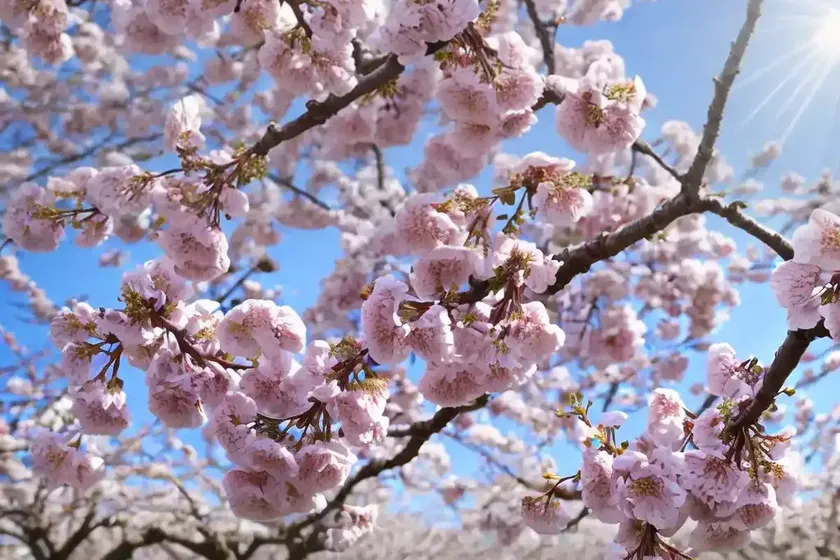
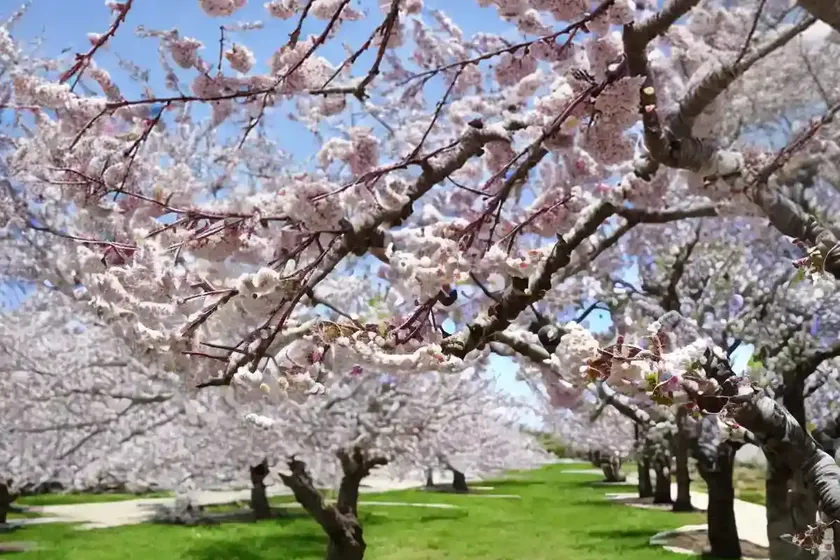
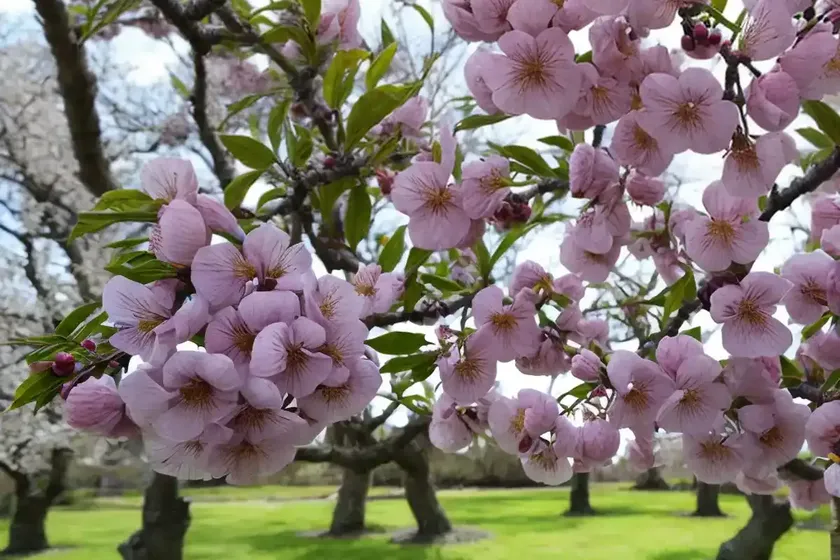
Plum trees (Prunus domestica) are deciduous fruit plants belonging to the Rosaceae family. They are renowned for their delectable fruits and are cultivated worldwide for their commercial and home garden uses. With a wide range of varieties, plum trees offer an array of fruit colors, flavors, and uses, making them a popular addition to orchards and home landscapes.
In this comprehensive guide, we will delve into the culture, uses, care, and maintenance of Plum Trees (Prunus domestica), including their water and sunlight requirements, soil conditions, fertilization needs, common pests and diseases, pruning techniques, propagation methods, and fascinating fun facts.
What is Prunus domestica?
Prunus domestica, commonly known as plum or European plum, is a species of the family Rosaceae, native to regions across Europe, Asia, and the Mediterranean. This fruit-bearing tree is renowned for its juicy and succulent fruits which come in an array of colors including red, purple, yellow, and green, offering a delightful variety of flavors.
Plum trees thrive in temperate climates and are widely cultivated for their rich, delicious fruits that can be eaten fresh, dried into prunes, or used in various culinary applications such as jams, jellies, and desserts. With a diverse range of cultivars, Prunus domestica offers an abundance of fruit varieties, each with unique characteristics and uses.
Key Takeaways: Plum Tree (Prunus domestica)
Here are the key takeaways that we will cover in this guide:
- Culture of Plum Trees (Prunus domestica)
- Uses of Plum Trees (Prunus domestica)
- Water Requirements for Plum Trees (Prunus domestica)
- Sunlight Needs for Plum Trees (Prunus domestica)
- Fertilization of Plum Trees (Prunus domestica)
- Soil Conditions for Plum Trees (Prunus domestica)
- Pruning Techniques for Plum Trees (Prunus domestica)
- Propagation of Plum Trees (Prunus domestica)
- Growing Plum Trees in Containers
- Popularity of Plum Trees (Prunus domestica)
- Common Diseases in Plum Trees (Prunus domestica)
- Diagnosis and Treatment of Plum Tree Diseases
- Common Pests Affecting Plum Trees (Prunus domestica)
- Botanist’s Tips for Healthy Plum Trees (Prunus domestica)
- Fun Facts about Plum Trees (Prunus domestica)
Now, let’s explore each of these facets in detail.
Culture of Plum Trees (Prunus domestica)
Plum trees are relatively easy to grow and maintain. They flourish in temperate climatic conditions and are adaptable to a wide range of soil types, making them suitable for cultivation in various regions. They typically require a chilling period to produce a bountiful harvest, making them well-suited to regions with distinct seasons.
Uses
The uses of plum trees extend beyond their delicious fruits. They also have ornamental value with their beautiful blossoms in spring, making them a picturesque addition to home landscapes. Additionally, plum wood is valued for its use in woodworking and crafting.
Water
Proper watering is crucial for the establishment and growth of plum trees. Adequate moisture is required, especially during the budding and fruit development stages. However, overwatering should be avoided to prevent waterlogged roots, which can lead to root rot and other detrimental conditions.
Sunlight
Plum trees thrive in full sunlight, requiring at least 6-8 hours of direct sun exposure daily for optimal growth and fruit production. Adequate sunlight ensures the development of vibrant foliage and the ripening of flavorful fruits.
Fertilizer
Fertilization plays a vital role in the health and productivity of plum trees. As heavy feeders, plum trees benefit from regular fertilization to ensure robust growth and abundant fruiting. A balanced fertilizer application in spring, before flowering, and after harvest, helps meet the tree’s nutritional requirements.
Soil
Plum trees prefer well-drained, fertile, loamy soils with a slightly acidic to neutral pH. They are adaptable to a wide range of soil types, provided that the soil does not stay waterlogged for prolonged periods. Regular soil testing can help determine the need for any amendments such as lime or sulfur to achieve the ideal pH range.
Pruning
Pruning is essential for maintaining the health, shape, and productivity of plum trees. Pruning in late winter or early spring helps stimulate new growth, enhances fruiting, and promotes an open canopy structure, which facilitates better air circulation and light penetration.
Propagation
Plum trees can be propagated through various methods such as hardwood cuttings, softwood cuttings, and grafting. Each method has its advantages and is suitable for different circumstances, allowing for the expansion of plum tree populations with desired characteristics.
Container Popularity
Plum trees can also be grown in containers, making them an excellent choice for urban gardens, patios, and small spaces. Container-grown plum trees require well-draining soil, regular watering, and adequate sunlight to thrive and produce fruits.
Common Diseases
Plum trees are susceptible to various diseases, including fungal infections and bacterial diseases. Anthracnose, brown rot, and powdery mildew are among the common diseases that can affect plum trees, compromising their health and fruit production.
Disease Diagnosis
Early detection and accurate diagnosis of diseases are crucial for implementing effective control measures. Monitoring for symptoms such as leaf spotting, fruit rot, and wilting can help identify potential diseases and take prompt action to mitigate their impact.
Common Pests
Pests such as aphids, plum curculio, and plum moth pose significant threats to plum trees, causing damage to fruits, leaves, and overall tree health. Effective pest management strategies are essential to minimize pest damage and protect the productivity of plum trees.
Botanist’s Tips
Here are some tips from botanists to ensure the health and vigor of plum trees:
- Regular Monitoring: Keep a close eye on the development of fruits, foliage, and overall tree health to detect any issues early.
- Pruning Practices: Adhere to proper pruning techniques and schedules to maintain the desired tree structure and promote fruiting.
- Soil Testing: Conduct periodic soil tests to assess nutrient levels and pH, and make necessary amendments to optimize soil conditions.
- Integrated Pest Management: Implement an integrated approach to pest management, incorporating cultural, biological, and chemical control methods as needed.
- Fruit Thinning: Thin excessive fruit clusters to promote larger, higher-quality fruits and reduce the strain on the tree.
Fun Facts
As we delve into the world of plum trees, let’s explore some intriguing and delightful fun facts about these fruit-bearing beauties:
- The plum tree is often associated with longevity, and in some cultures, it is a symbol of good fortune and prosperity.
- Plum trees are among the first fruit trees to bloom in the spring, showcasing an array of delicate blossoms that adorn the landscape with their beauty.
- The versatile fruits of plum trees can be enjoyed fresh, dried as prunes, or used in a wide array of culinary delights, ranging from jams and preserves to delectable desserts.
- Plum trees have been cultivated for centuries, with a rich history and cultural significance in various traditions and folklore around the world.
- The wood of plum trees is highly valued in woodworking for crafting furniture, musical instruments, and decorative items due to its fine grain and lustrous appearance.
It’s evident that plum trees offer not only luscious fruits but also ornamental beauty, historical significance, and commercial value, making them an alluring addition to gardens and orchards.
Links to External Resources
For further information on growing, caring for, and enjoying plum trees, explore the following external resources:
- Plum Tree Care and Growing Guide – The Old Farmer’s Almanac
- Prunus domestica – Plum, European Plum – University of Florida IFAS Extension
- Growing Plum Trees – Missouri Botanical Garden
- How to Prune Plum Trees – BBC Gardeners’ World Magazine
- Plum Pests and Diseases – Royal Horticultural Society (RHS)


