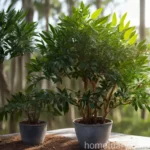
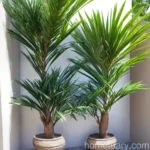
White Seringa (Kirkia acuminata): A Comprehensive Plant Care Guide
Plants have always played a crucial role in our lives, not only as a source of food and oxygen but also for their aesthetic and therapeutic values. Among the diverse range of plant species, the White Seringa (Kirkia acuminata) stands out as a remarkable plant with its unique characteristics and extensive uses. In this comprehensive plant care guide, we will delve into the specifics of caring for the White Seringa, its cultural significance, uses, preferred growing conditions, and much more. Let’s explore the world of the White Seringa and gain a deep understanding of its horticultural importance.
What is the White Seringa (Kirkia acuminata)?
The White Seringa, scientifically known as Kirkia acuminata, is a species of flowering plant native to Southern Africa. It belongs to the family Kirkiaceae and is renowned for its beautiful white flowers and distinctive foliage. The plant is an evergreen tree or shrub that can reach impressive heights, adding a majestic presence to any landscape or garden.
Key Takeaways – White Seringa (Kirkia acuminata)
To provide a comprehensive understanding of the White Seringa, let’s explore its key takeaways, including its cultural significance, uses, preferred growing conditions, and more.
Culture
- The White Seringa holds significant cultural importance in Southern Africa, where it is revered for its ornamental and medicinal properties.
- It is often used in traditional ceremonies and rituals for its symbolic significance and aesthetic appeal.
Uses
- The plant has diverse uses, including its application in traditional medicine for its medicinal properties.
- The White Seringa is also valued for its ornamental beauty and is commonly used in landscaping and garden design.
Water
- The plant has moderate water requirements and thrives in well-draining soil with regular watering.
- During the growing season, it is important to ensure consistent soil moisture, while allowing the soil to dry out slightly between watering sessions.
Sunlight
- The White Seringa thrives in full sunlight to partial shade, requiring adequate sunlight for robust growth and prolific flowering.
- When grown in shaded areas, it may exhibit reduced flowering and overall growth vigor.
Fertilizer
- Fertilizing the White Seringa with a balanced, slow-release fertilizer during the growing season can support healthy growth and abundant flowering.
- It is essential to follow recommended fertilization practices to avoid excessive fertilizer application, which can lead to adverse effects on the plant.
Soil
- The plant prefers well-draining, loamy soil with a slightly acidic to neutral pH range for optimal growth.
- Amending the soil with organic matter can improve soil structure and provide essential nutrients for the White Seringa.
Pruning
- Pruning is essential to maintain the desired shape and size of the White Seringa, as well as to remove dead or diseased branches.
- Pruning should be carried out during the dormant season to minimize stress on the plant and encourage vigorous growth in the following season.
Propagation
- The White Seringa can be propagated through seeds or semi-hardwood cuttings, with each method offering unique advantages and challenges.
- Propagation should be conducted with care and attention to ensure successful establishment of new plants.
Container Popularity
- The White Seringa is well-suited for container gardening, allowing individuals with limited space to enjoy its beauty on patios, balconies, or indoor settings.
- Container-grown White Seringa plants require proper care and maintenance to thrive in confined spaces.
Common Diseases
- The plant may be susceptible to certain diseases, including fungal infections and root rot, especially under conditions of excessive moisture or poor air circulation.
- Implementing proactive disease management measures is crucial to protect the White Seringa from potential threats.
Disease Diagnosis
- Identifying and diagnosing diseases affecting the White Seringa requires a keen eye for symptom recognition and an understanding of common plant diseases.
- Timely intervention and appropriate treatment strategies are essential to mitigate the impact of diseases on the plant’s health.
Common Pests
- Pests such as aphids, scale insects, and caterpillars may pose a threat to the White Seringa, impacting its overall growth and vitality.
- Integrated pest management techniques can effectively control pest infestations and minimize damage to the plant.
Botanist’s Tips
- Botanical enthusiasts can enhance their understanding and appreciation of the White Seringa by delving into its botanical classification, growth habits, and ecological interactions.
- Observing the plant in its natural habitat and studying its botanical features can provide valuable insights into its ecology and evolutionary adaptations.
Fun Facts
The White Seringa is a fascinating plant with a rich history and intriguing characteristics. Here are some fun facts about this remarkable species:
- The plant’s white, star-shaped flowers emit a delicate fragrance, attracting pollinators and adding an enchanting aura to the surroundings.
- In traditional medicine, various parts of the White Seringa are used to prepare remedies for ailments such as fever, stomach complaints, and respiratory issues.
Links to External Resources
To further expand your knowledge of the White Seringa, consider exploring the following external resources:
- White Seringa: A Botanical Overview
- Traditional Uses of Kirkia acuminata in Southern African Cultures
- Growing and Caring for White Seringa Plants
- Recognizing and Managing Diseases of White Seringa
Now that we have delved into the key takeaways of the White Seringa, let’s explore each aspect in greater detail to equip you with the knowledge and skills to care for this remarkable plant.
Plant Name: White Seringa (Kirkia acuminata)
In this section, we will provide an in-depth exploration of each aspect related to the White Seringa, addressing the specific keywords provided and offering valuable insights into the plant’s characteristics, care requirements, and cultural significance.
White Seringa Plant Care
Caring for the White Seringa involves understanding its unique needs and providing optimal growing conditions to support its health and vitality. From water and sunlight requirements to soil preferences and pest management, let’s explore the essential aspects of White Seringa plant care in detail.
Kirkia acuminata Planting Tips
Planting the White Seringa requires careful consideration of its growth habits, environmental preferences, and soil requirements. By following specific planting tips, you can ensure successful establishment and robust growth of this remarkable plant species.
How to Grow White Seringa
To grow the White Seringa successfully, it is essential to understand the fundamental principles of its growth and development. By providing the right conditions and attentive care, you can nurture the plant to reach its full ornamental and ecological potential.
White Seringa Plant Characteristics
The White Seringa exhibits a range of distinctive characteristics, from its foliage and flowers to its growth habits and ecological interactions. Understanding these plant characteristics is crucial for appreciating and caring for this unique species.
Kirkia acuminata Maintenance Guide
Maintaining the health and vigor of the White Seringa involves ongoing care and attention to its specific needs. By following a comprehensive maintenance guide, you can support the plant’s long-term well-being and optimize its ornamental value.
White Seringa Plant Varieties
While the White Seringa is primarily recognized for its species-specific traits, there may be distinct varieties or cultivars that offer unique features or adaptations. Exploring different White Seringa plant varieties can provide valuable insights into the plant’s diversity and potential for cultivation.
Kirkia acuminata Diseases
Understanding the diseases that may affect the White Seringa is crucial for implementing effective disease management strategies. By identifying common diseases and their symptoms, you can protect the plant from potential threats and ensure its long-term health.
Pruning White Seringa Plant
Pruning is an essential aspect of White Seringa plant care, enabling you to shape the plant, remove damaged or diseased branches, and promote healthy growth. By mastering pruning techniques specific to the White Seringa, you can enhance the plant’s aesthetic appeal and longevity.
Kirkia acuminata Sunlight Requirements
Sunlight plays a pivotal role in the growth and flowering of the White Seringa. Understanding the specific sunlight requirements of the plant is essential for selecting an ideal growing location and optimizing its overall performance.
White Seringa Watering Needs
Watering is a critical aspect of White Seringa care, as it directly impacts the plant’s hydration, nutrient uptake, and overall well-being. By addressing the plant’s specific watering needs, you can support healthy growth and vibrant flowering.
Kirkia acuminata Soil Preferences
The soil composition and pH level significantly influence the White Seringa’s growth and development. Understanding the plant’s soil preferences is essential for creating an optimal growing environment and promoting its long-term vitality.
Best Fertilizer for White Seringa
Selecting the right fertilizer for the White Seringa is essential for providing essential nutrients and supporting robust growth. By choosing a suitable fertilizer and following recommended application practices, you can enhance the plant’s overall health and ornamental value.
Kirkia acuminata Propagation Methods
Propagation is a key aspect of plant cultivation, allowing you to propagate new White Seringa plants from seeds or cuttings. By mastering propagation methods specific to the plant, you can expand its presence and share its beauty with others.
White Seringa in Landscaping
The White Seringa holds significant potential for landscaping, offering ornamental beauty, fragrant flowers, and distinctive foliage. By incorporating the plant into landscaping designs, you can create captivating outdoor spaces with a touch of natural elegance.
Kirkia acuminata as a Garden Plant
When cultivated as a garden plant, the White Seringa can serve as a focal point, offering year-round interest and adding a sense of tranquility to garden settings. Understanding its role as a garden plant can guide you in creating captivating garden spaces with the plant’s presence.
White Seringa Pests and Control
Pest management is critical for protecting the White Seringa from potential threats posed by insects and pests. By implementing effective pest control measures, you can safeguard the plant’s health and ensure its long-term resilience.
Kirkia acuminata Companion Plants
Companion planting offers opportunities to enhance the White Seringa’s growing environment and create harmonious plant combinations. By selecting compatible companion plants, you can create dynamic and visually appealing garden settings.
White Seringa Plant Growth Habits
Understanding the growth habits of the White Seringa is essential for anticipating its size, form, and developmental patterns. By familiarizing yourself with the plant’s growth habits, you can plan and manage its growth trajectory effectively.
Kirkia acuminata Seasonality
The White Seringa exhibits distinct seasonal changes in growth, flowering, and physiological processes. Understanding its seasonality is vital for adjusting care practices and celebrating the plant’s unique characteristics throughout the year.
White Seringa Indoor Care Tips
For individuals cultivating the White Seringa in indoor settings, specific care tips are essential for supporting its growth and ensuring its adaptation to indoor conditions. By following indoor care guidelines, you can enjoy the plant’s beauty within the comfort of indoor spaces.
Kirkia acuminata Outdoor Cultivation
Outdoor cultivation of the White Seringa involves creating a suitable growing environment that aligns with the plant’s environmental preferences and horticultural requirements. By optimizing outdoor cultivation practices, you can foster the plant’s natural vitality and floral abundance.
Medicinal Properties of White Seringa
The White Seringa exhibits medicinal properties that have been recognized and utilized in traditional medicine. Exploring the plant’s medicinal significance can provide valuable insights into its cultural importance and potential therapeutic applications.
Kirkia acuminata Wildlife Benefits
The White Seringa supports diverse forms of wildlife through its flowers, foliage, and ecological interactions. Understanding the plant’s wildlife benefits can contribute to conservation efforts and promote ecological harmony in natural habitats.
White Seringa Floral Arrangements
The plant’s striking white flowers make it a desirable choice for floral arrangements, adding a touch of elegance and natural beauty to various settings. By incorporating White Seringa flowers into floral arrangements, you can create captivating and meaningful displays.
Kirkia acuminata Species Information
Delving into the specific species information of the White Seringa enriches your understanding of its taxonomic classification, genetic diversity, and evolutionary adaptations. Exploring species information can provide a deeper insight into the plant’s biological significance.
White Seringa Botanical Classification
The White Seringa’s botanical classification offers a systematic framework for understanding its taxonomic relationships, morphological features, and botanical distinctions. Exploring its botanical classification can deepen your appreciation of the plant’s evolutionary context.
Kirkia acuminata Habitat Requirements
Understanding the White Seringa’s habitat requirements is essential for creating suitable growing conditions that mimic its natural environment. By aligning with the plant’s habitat preferences, you can optimize its growth and support its ecological contributions.
White Seringa Native Range
The native range of the White Seringa provides insights into its geographic distribution, ecological associations, and regional significance. Exploring the plant’s native range can foster an appreciation for its natural heritage and ecological role in specific regions.
Kirkia acuminata Drought Tolerance
The White Seringa’s ability to withstand drought conditions is a valuable adaptation that enhances its resilience in arid environments. Understanding its drought tolerance can guide you in providing appropriate care and support during periods of water scarcity.
White Seringa Soil pH Preferences
The plant’s soil pH preferences play a crucial role in its nutrient uptake and overall physiological functions. By understanding its soil pH preferences, you can create an ideal soil environment that fosters healthy growth and vitality.
Kirkia acuminata Pruning Techniques
Mastering specific pruning techniques tailored to the White Seringa is essential for shaping the plant, managing its size, and promoting vigorous growth. By applying effective pruning techniques, you can maintain the plant’s ornamental value and overall health.
White Seringa Container Gardening
Container gardening offers opportunities to cultivate the White Seringa in confined spaces, such as patios, balconies, or indoor settings. By embracing container gardening, you can bring the plant’s beauty and charm into smaller outdoor or indoor environments.
Kirkia acuminata Common Names
The White Seringa is known by various common names in different regions, reflecting its cultural significance and local associations. Exploring its common names can provide insights into the plant’s diverse cultural connections and regional prominence.
White Seringa Pollen Production
The pollen production of the White Seringa plays a crucial role in its reproductive success and pollination dynamics. Understanding its pollen production can offer valuable insights into its ecological relationships and reproductive strategies.
Kirkia acuminata Deciduous Characteristics
While the White Seringa is an evergreen plant, certain characteristics may exhibit deciduous behavior under specific environmental conditions or seasonal variations. Understanding its deciduous characteristics contributes to a comprehensive understanding of the plant’s growth patterns.
White Seringa Cold Hardiness
The cold hardiness of the White Seringa establishes its ability to withstand low temperatures and frost, contributing to its adaptability in diverse climatic conditions. Understanding its cold hardiness can guide you in selecting suitable growing locations and providing protective measures during cold periods.
Kirkia acuminata Root System
The root system of the White Seringa plays a vital role in nutrient uptake, stability, and overall plant health. Understanding its root system provides valuable insights into optimal planting techniques and soil management practices.
White Seringa Leaf Morphology
The leaf morphology of the White Seringa offers distinctive characteristics that contribute to its ornamental appeal and ecological functions. Exploring its leaf morphology provides insights into the plant’s adaptive traits and aesthetic qualities.
Kirkia acuminata Flower Color Variations
While the White Seringa is known for its white flowers, variations in flower color may occur due to genetic diversity or hybridization. Understanding flower color variations enriches your appreciation of the plant’s floral diversity and potential breeding opportunities.
White Seringa Natural Habitat
The White Seringa’s natural habitat encompasses specific ecological niches, climatic conditions, and associations with other plant and animal species. Exploring its natural habitat provides a deeper understanding of the plant’s ecological context and evolutionary adaptations.
Kirkia acuminata Wildlife Interactions
The interactions between the White Seringa and wildlife species contribute to ecological dynamics and biodiversity conservation. Understanding its wildlife interactions enhances your appreciation of the plant’s ecological role and habitat significance.
White Seringa Fragrance
The fragrance of the White Seringa’s flowers adds an enchanting sensory dimension to its ornamental appeal. Exploring the plant’s fragrance enhances your sensory connection to its beauty and ecological interactions with pollinators.
Kirkia acuminata Bloom Time
The bloom time of the White Seringa marks a significant period of floral abundance and natural spectacle. Understanding its bloom time allows you to anticipate and celebrate the plant’s flowering display throughout the growing season.
White Seringa Landscape Design Ideas
Incorporating the White Seringa into landscape designs offers opportunities for creating captivating outdoor environments with a touch of natural elegance. By exploring landscape design ideas, you can enrich outdoor spaces with the plant’s ornamental charm.
Kirkia acuminata Ornamental Value
The White Seringa’s ornamental value extends beyond its floral display, encompassing its foliage, growth habits, and overall aesthetic appeal. Recognizing its ornamental value enhances your ability to utilize the plant in diverse landscaping and garden settings.
White Seringa Seed Propagation
Seed propagation is a fundamental method for expanding the presence of the White Seringa, offering opportunities for creating new plant populations and conserving genetic diversity. Mastering seed propagation methods enriches your horticultural skills and contributes to plant conservation efforts.
Kirkia acuminata Growth Rate
Understanding the growth rate of the White Seringa provides insights into its developmental trajectory and potential for rapid or steady growth. By recognizing its growth rate, you can anticipate the plant’s size and plan for its long-term management.
White Seringa Climate Preferences
The White Seringa exhibits specific climate preferences that align with its native range and ecological adaptations. Understanding its climate preferences guides you in selecting suitable growing locations and providing optimal care under diverse climatic conditions.
Kirkia acuminata Uses in Traditional Medicine
The traditional medicinal uses of the White Seringa hold cultural significance and therapeutic value in various regional contexts. Exploring its uses in traditional medicine enriches your understanding of the plant’s cultural heritage and healing properties.
White Seringa Cultural Significance
The cultural significance of the White Seringa extends into diverse cultural traditions, folklore, and symbolic associations. Recognizing its cultural significance deepens your appreciation of the plant’s historical importance and enduring relevance in human societies.
Now that we have thoroughly explored the key aspects of the White Seringa, from its plant care requirements to its cultural significance and ecological contributions, you are equipped with a comprehensive understanding of this remarkable species. By incorporating this knowledge into your plant care practices and horticultural endeavors, you can cultivate and appreciate the White Seringa with confidence and admiration for its unique qualities.
In conclusion, the White Seringa (Kirkia acuminata) stands as a symbol