Tropical Milkweed (Asclepias curassavica): A Complete Guide
In the world of gardening and landscaping, few plants are as beloved and beneficial as the tropical milkweed (Asclepias curassavica). Also known as Mexican butterfly weed, blood flower, and scarlet milkweed, this vibrant perennial adds not only beauty but also serves as a crucial pollinator plant.
In this comprehensive guide, we will delve into the characteristics, care tips, uses, propagation methods, and much more about the tropical milkweed. Whether you are a seasoned gardener or a novice plant enthusiast, this guide will equip you with the knowledge and skills necessary to grow and nurture this stunning plant successfully.
What is Plant: Tropical Milkweed (Asclepias curassavica)
Tropical milkweed (Asclepias curassavica) is a perennial plant that belongs to the Asclepiadoideae subfamily within the Apocynaceae family. Originating from Mexico, Central America, and South America, this plant has become a popular choice in gardens across the world due to its striking appearance and its importance as a host and nectar plant for various pollinators, especially monarch butterflies.
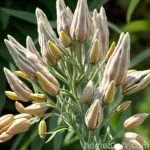
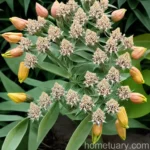
Asclepias curassavica is characterized by its upright growth habit and lance-shaped, glossy green leaves. The plant produces clusters of colorful, star-shaped flowers that come in hues of red, orange, and yellow. Its vibrant blooms, along with its ability to attract and sustain pollinators, make it a valuable addition to any garden or natural habitat.
Key Takeaways – Tropical Milkweed (Asclepias curassavica)
Culture
- Scientific Name: Asclepias curassavica
- Common Names: Mexican butterfly weed, blood flower, scarlet milkweed
- Family: Apocynaceae
- Hardiness Zones: 8-11
- Type: Perennial
Uses
- Garden Design: Borders, butterfly gardens, pollinator gardens
- Wildlife Support: Attracts monarch butterflies, bees, and other pollinators
- Ornamental: Vibrant blooms add color and visual interest to the landscape
- Educational: Ideal for teaching about the lifecycle of butterflies and the importance of pollinator plants
Water
- Watering Frequency: Regular watering, especially during dry periods
- Soil Moisture: Well-draining soil to prevent waterlogging
Sunlight
- Light Requirements: Full sun (6-8 hours per day)
- Partial Shade: Can tolerate some shade, but best flowering in full sun
Fertilizer
- Fertilization: Light feeding with a balanced, slow-release fertilizer in spring
- Organic Matter: Incorporating compost into the soil before planting can enhance growth
Soil
- Soil Type: Well-draining, fertile soil
- pH Level: Slightly acidic to neutral (pH 6.5-7.5)
Pruning
- Pruning Needs: Regular deadheading to promote continuous blooming
- Fall Cleanup: Cut back the plant in late fall to remove dead foliage
Propagation
- Propagation Methods: Seeds, stem cuttings
- Seed Harvesting: Allow seed pods to mature and collect seeds for propagation
- Cutting Propagation: Root cuttings in a well-draining medium
Container
- Container Size: Deep containers to accommodate the plant’s deep root system
- Soil in Containers: Well-draining, high-quality potting mix
- Watering: Ensure consistent moisture levels in the container
Popularity
- Garden Appeal: Adds vibrant color and attracts butterflies
- Adaptability: Grows well in various climates and soil types
- Monarch Conservation: Critical plant for supporting monarch butterfly populations
Common Diseases
- Fungal Diseases: Powdery mildew, root rot
- Preventive Measures: Adequate air circulation, well-draining soil, and proper watering
Disease Diagnosis
- Symptoms: White powdery spots on leaves, wilting, yellowing foliage
- Treatment: Fungicidal sprays or organic remedies like neem oil
Common Pests
- Aphids: Sap-sucking pests that can distort new growth
- Milkweed Bugs: Feeds on sap and seeds of the plant
- Prevention: Natural predators, like ladybugs or proper plant maintenance, can help control pest populations
Botanist’s Tips
- Monarch Butterfly Habitat: Incorporating tropical milkweed into your garden can provide critical support for monarch butterflies throughout their lifecycle.
- Companion Plants: Consider planting other nectar-rich and pollinator-friendly plants to create a diverse and thriving ecosystem in your garden.
- Overwintering: In areas with frost, cut back the plant and add a layer of mulch to protect the roots during winter.
Fun Facts
- The latex sap of the tropical milkweed contains toxic cardiac glycosides, which serve as a defense mechanism against herbivores.
- Monarch butterflies lay eggs exclusively on milkweed plants, making tropical milkweed an essential host plant for these iconic insects.
- The vibrant blooms of Asclepias curassavica not only attract butterflies but also add a pop of color to any landscape.
Links to External Resources
Asclepias curassavica benefits, Tropical milkweed care tips, Growing Tropical Milkweed, Asclepias curassavica characteristics, Tropical milkweed plant care, Propagating Asclepias curassavica, Tropical milkweed habitat, Best conditions for Tropical Milkweed, Asclepias curassavica varieties, Tropical milkweed species, Asclepias curassavica propagation methods, Tropical milkweed gardening, Asclepias curassavica pests and diseases, Tropical milkweed plant family, Asclepias curassavica flowers, Tropical milkweed planting guide, Asclepias curassavica lifecycle, Tropical milkweed for monarch butterflies, Asclepias curassavica common names, Winter care for Tropical Milkweed, Asclepias curassavica medicinal properties, Tropical milkweed and wildlife, Asclepias curassavica drought tolerance, Tropical milkweed as a nectar source, Asclepias curassavica garden uses, Tropical milkweed seed collection, Asclepias curassavica native range, Tropical milkweed planting season, Asclepias curassavica pruning techniques, Tropical milkweed container gardening, Asclepias curassavica soil requirements, Tropical milkweed in butterfly gardens, Asclepias curassavica gardening tips, Tropical milkweed water requirements, Asclepias curassavica wildlife habitat, Tropical milkweed pollinators, Asclepias curassavica seeds for sale, Tropical milkweed and monarch migration, Asclepias curassavica companion plants, Tropical milkweed indoor cultivation, Asclepias curassavica flower colors, Tropical milkweed transplantation guide, Asclepias curassavica plant description, Tropical milkweed tolerance to heat, Asclepias curassavica butterfly attractant, Tropical milkweed and beneficial insects, Asclepias curassavica in garden borders, Tropical milkweed and milkweed bugs, Asclepias curassavica flower arrangements, Tropical milkweed as a food source.
In this comprehensive guide to tropical milkweed (Asclepias curassavica), we have explored the various aspects of cultivating and caring for this remarkable plant. Its significance as a nectar source for monarch butterflies and other pollinators, coupled with its ornamental beauty, makes it a valuable addition to any garden. By understanding the specific needs of Asclepias curassavica and following the recommended practices, gardeners can contribute to the conservation of monarch butterflies while enjoying a stunning display of colorful blooms in their outdoor spaces. Whether you are a seasoned gardener or a novice enthusiast, cultivating tropical milkweed can be a rewarding and impactful endeavor.
Remember, by supporting pollinator-friendly plants like tropical milkweed, you play a vital role in preserving the delicate balance of nature and contributing to the health and biodiversity of our ecosystems.
References
- Borkin, S. (2015). Importance of tropical milkweed. University of Florida IFAS Extension. Link
- Hayes, A. (2018). Monarch butterfly and Asclepias resources. Xerces Society for Invertebrate Conservation. Link
- Oberhauser, K. (2011). Gardening for monarchs. Monarch Joint Venture. Link
- Satterfield, D. A., Maerz, J. C., Altizer, S. (2015). Loss of migratory behaviour increases infection risk for a butterfly host. Variability and Regulation of Animal Migrations in a Changing World. Link