Rue (Ruta Graveolens)
Plants have always been an integral part of human life. They offer beauty, sustenance, and even healing properties. Rue (Ruta graveolens) is one such plant.
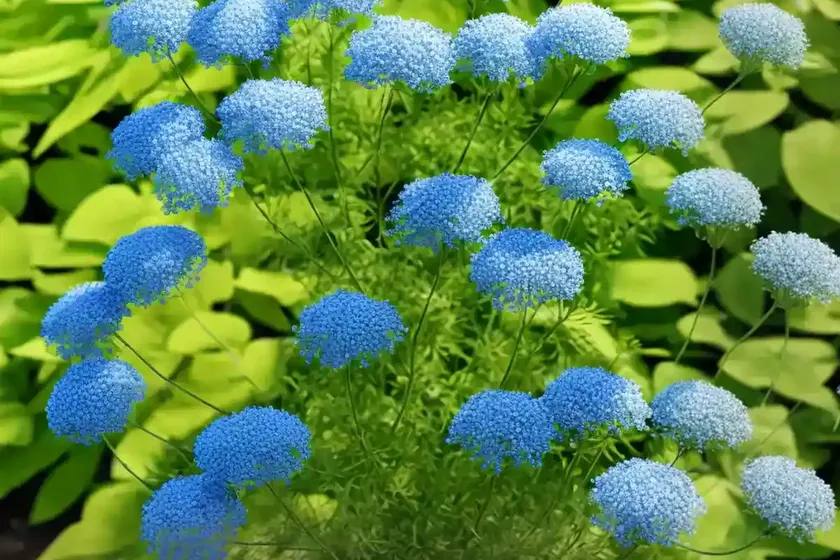

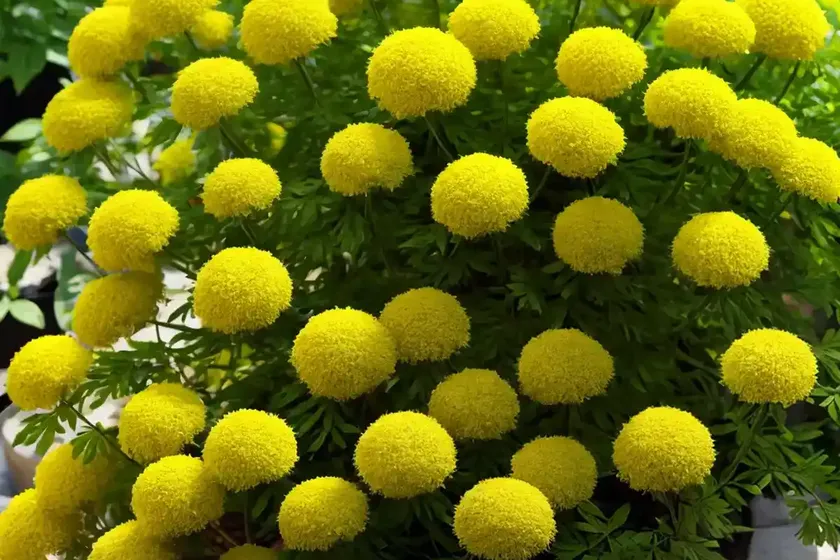
Plants have always been an integral part of human life. They offer beauty, sustenance, and even healing properties. Rue (Ruta graveolens) is one such plant that has made its mark in history as a valuable herb with a range of traditional and medicinal uses. In this comprehensive guide, we will explore the captivating world of Rue, from its cultural significance to its cultivation and health benefits.
What is Rue (Ruta graveolens)?
Rue (Ruta graveolens), also known as Rue herb, is a perennial herb that belongs to the Rutaceae family. This aromatic plant has a long history of use both as a culinary herb and a medicinal plant. It is native to the Balkan Peninsula, southeastern Europe, and the Middle East, and has been widely cultivated and naturalized in other regions due to its valuable properties.
The plant is characterized by bluish-green foliage and small, yellow flowers arranged in terminal clusters. The leaves of Rue exude a pungent and strong odor when crushed, giving the plant its distinctive aroma. Rue is known for its bitter taste and has been utilized in various traditional systems of medicine for its therapeutic effects.
Key Takeaways – Rue (Ruta graveolens)
Before diving deeper into the world of Rue, let’s take a look at the key takeaways that we will cover in this extensive guide:
- Ruta graveolens: Exploring the botanical details and characteristics of the Rue herb.
- Medicinal properties of Ruta graveolens: Unraveling the therapeutic potential of Rue in traditional medicine.
- Growing Rue (Ruta graveolens): Understanding the essential factors for cultivating healthy Rue plants.
- Rue plant benefits: Discovering the numerous benefits offered by Rue in various aspects, including health and wellness.
- Rue essential oil: Exploring the extraction and uses of Rue essential oil.
- Rue plant care guide: Providing insights into the proper care and maintenance of Rue plants.
- Rue plant folklore and myths: Delving into the cultural and symbolic significance of Rue in folklore and mythology.
- Disease diagnosis: Identifying and addressing common diseases that may affect Rue plants.
- Botanist’s tips: Learning valuable tips and tricks from plant experts for successfully growing and utilizing Rue.
- Links to external resources: Providing additional references and sources for further exploration of Rue (Ruta graveolens).
Now, let’s embark on a journey to uncover the enchanting world of Rue and gain a comprehensive understanding of its cultivation, uses, and cultural significance.
Culture
Understanding the cultural significance of Rue is essential to grasp the profound role this plant has played in various societies throughout history. Rue has been revered for its medicinal properties, symbolic meanings, and ritualistic uses in different cultures, making it an intriguing subject of study for ethnobotanists and historians. The rich cultural heritage associated with Rue has contributed to its continued cultivation and utilization in contemporary times.
Uses
Rue has been utilized in diverse ways across different cultures, ranging from medicinal applications to symbolic and spiritual uses. Let’s explore some of the prominent uses of Rue in various cultural contexts:
-
Medicinal Use: Rue has historically been used as a medicinal herb to treat a wide range of ailments, including digestive issues, menstrual disorders, and respiratory problems. Its bitter and aromatic leaves are rich in bioactive compounds that offer therapeutic benefits.
-
Symbolic and Spiritual Significance: Rue has been associated with symbolic meanings and spiritual beliefs in many cultures. It has been used in rituals, ceremonies, and superstitious practices to ward off evil spirits, provide protection, and bring good luck.
-
Culinary Purposes: In some regions, Rue has been employed as a culinary herb to add flavor to dishes. However, its use in cooking is less common compared to its medicinal and symbolic significance.
-
Aromatic Properties: The strong and distinct aroma of Rue has also led to its use in perfumery and aromatherapy, where it is valued for its fragrance and potential therapeutic effects.
By understanding the multifaceted uses of Rue, we can appreciate its cultural significance and the valuable role it has played in different aspects of human life.
Water
Proper watering is crucial for the health and vitality of Rue plants. Understanding the water requirements of Rue (Ruta graveolens) is essential to ensure optimal growth and prevent water-related issues that may affect the plant’s well-being.
Watering Guidelines for Rue
-
Established Plants: Once Rue plants are established, they generally have moderate water needs. However, during periods of prolonged drought or extreme heat, it is important to provide supplemental watering to prevent the soil from drying out completely.
-
Avoid Waterlogging: While Rue requires consistent moisture, it is important to avoid waterlogging the soil, as excessive moisture can lead to root rot and other detrimental conditions. Ensure that the soil has good drainage to prevent water accumulation around the roots.
-
Morning Watering: Watering Rue in the morning allows the foliage to dry out during the day, reducing the risk of fungal diseases. Additionally, morning watering helps the plant utilize the moisture efficiently throughout the day.
-
Observing Plant Response: Monitor the plant’s response to watering. If the leaves appear wilted or the soil feels dry to the touch, it may indicate the need for watering. However, avoid overwatering, as it can lead to root problems and compromise the plant’s health.
By adhering to appropriate watering practices, we can maintain the proper moisture levels for Rue plants, supporting their growth and overall well-being.
Sunlight
Sunlight is an essential factor that greatly influences the growth and development of Rue plants. Understanding the sunlight requirements of Rue (Ruta graveolens) is important for providing the optimal conditions for robust and healthy growth.
Sunlight Needs for Rue
-
Full Sun to Partial Shade: Rue plants thrive in locations that receive full sun to partial shade. They require at least 6 hours of direct sunlight per day to develop strong and vibrant foliage.
-
Protection from Intense Afternoon Sun: In regions with hot and intense afternoon sun, providing some protection or shade during the hottest part of the day can benefit Rue plants and prevent leaf scorching.
-
Indoor Cultivation: For indoor cultivation, placing Rue plants near south-facing windows or in locations with ample sunlight exposure can help fulfill their sunlight requirements.
-
Optimizing Sunlight Exposure: Positioning Rue plants in well-suited locations outdoors and providing adequate sunlight exposure indoors is crucial for promoting healthy growth and the development of aromatic foliage.
By ensuring that Rue plants receive adequate sunlight, we can support their photosynthetic processes, enhance essential oil production, and encourage overall vigor and resilience.
Fertilizer
Fertilization plays a vital role in providing Rue plants with essential nutrients to support their growth, flowering, and overall health. Understanding the appropriate fertilization practices for Rue (Ruta graveolens) is crucial for optimizing the plant’s nutritional intake and promoting robust development.
Fertilization Recommendations for Rue
-
Balanced Fertilizer: Applying a balanced, all-purpose fertilizer with a relatively equal ratio of nitrogen, phosphorus, and potassium can support the overall nutritional needs of Rue plants. Consider using a fertilizer with an N-P-K ratio of 10-10-10 or similar proportions.
-
Spring Application: In the spring, as Rue plants begin actively growing, applying a light layer of fertilizer around the base of the plants can provide the necessary nutrients to support their initial growth phase.
-
Avoid Excessive Nitrogen: While nitrogen is important for foliage development, excessive nitrogen levels can lead to overly lush growth at the expense of essential oil production. It is important to strike a balance to encourage both healthy foliage and aromatic compounds.
-
Organic Fertilizers: For those preferring organic options, organic fertilizers such as compost, well-rotted manure, or organic plant-based fertilizers can be beneficial for providing natural and slow-release nutrients to the soil.
By adopting appropriate fertilization practices, we can ensure that Rue plants receive the essential nutrients they require for robust growth, strong aromatic foliage, and potential flower production.
Soil
The choice of soil and its characteristics greatly influence the growth, health, and overall performance of Rue plants. Understanding the optimal soil requirements for Rue (Ruta graveolens) is essential for creating a suitable growing environment that supports the plant’s specific needs.
Soil Preferences for Rue
-
Well-Draining Soil: Rue plants thrive in well-draining soil that allows excess moisture to percolate away from the roots. Avoid waterlogged or compacted soils, as they can lead to root problems and hinder the plant’s growth.
-
Neutral to Alkaline pH: Rue plants prefer soils with a neutral to slightly alkaline pH range of around 6.5 to 7.5. Amending overly acidic soils with lime or other alkaline amendments can help create a more favorable growing environment for Rue.
-
Rich in Organic Matter: Incorporating organic matter such as compost, well-rotted manure, or peat moss into the soil can enhance its fertility, improve moisture retention, and provide essential nutrients to support Rue plant growth.
-
Container Cultivation: For container-grown Rue plants, using a well-draining potting mix that is specifically formulated for herbs or perennials can offer the necessary structure and aeration for healthy root development.
By selecting and preparing suitable soil for Rue plants, we can create an environment that fosters optimal growth, ensures proper root function, and supports the plant’s overall well-being.
Pruning
Pruning is an important aspect of care for Rue plants, as it helps maintain their shape, encourage bushier growth, and remove dead or damaged foliage. Understanding the proper pruning techniques for Rue (Ruta graveolens) is essential for promoting the plant’s vitality and overall appearance.
Pruning Guidelines for Rue
-
Spring Pruning: In the spring, as new growth emerges, lightly pruning Rue plants can help stimulate branching and initiate new growth. Remove any dead, diseased, or leggy stems to encourage a more compact and vigorous form.
-
Pruning After Flowering: After the flowering period, pruning can help maintain the plant’s shape and remove spent flowerheads, promoting a tidy appearance and potentially encouraging a second flush of blooms.
-
Avoid Over-pruning: While periodic pruning is beneficial, it is important to avoid excessive or severe pruning, as it can stress the plant and lead to reduced vigor and potential susceptibility to environmental stressors.
-
Sanitize Pruning Tools: When pruning Rue or any other plants, ensure that pruning tools are properly sanitized to prevent the spread of diseases. Disinfecting tools with a diluted bleach solution or rubbing alcohol can help maintain plant health.
By incorporating proper pruning practices, we can promote the overall health and aesthetics of Rue plants, supporting their natural growth habits and enhancing their ornamental and aromatic qualities.
Propagation
Propagating Rue can be an exciting endeavor for both experienced gardeners and beginners alike. Understanding the various propagation methods for Rue (Ruta graveolens) is important for expanding plant populations and sharing this captivating herb with others.
Propagation Techniques for Rue
-
Seed Propagation: Propagating Rue from seeds is a common method that allows for the production of new plants. Sowing fresh Rue seeds in well-prepared soil in the spring or fall can yield viable seedlings for cultivation.
-
Division: Dividing established Rue plants is another propagation method that involves carefully separating the plant into smaller sections, each with its own root system, and transplanting them to new locations for continued growth.
-
Root Cuttings: Propagating Rue from root cuttings involves taking sections of the plant’s roots and encouraging them to develop new shoots. Root cuttings can be utilized to propagate multiple new plants from a single parent plant.
-
Softwood Cuttings: Taking softwood cuttings from young, tender stems of Rue and providing them with suitable conditions for rooting can be a successful method for producing new plantlets.
By exploring and implementing various propagation techniques, we can expand the presence of Rue plants in gardens, landscapes, and herbal medicine gardens, contributing to the conservation and appreciation of this remarkable herb.
Container Popularity
Rue has gained popularity among gardeners for its suitability for container cultivation. Its ornamental and aromatic qualities, along with its traditional and medicinal uses, make it an appealing choice for container gardening enthusiasts. The compact growth habit and aesthetic appeal of Rue make it well-suited for container cultivation, allowing it to thrive in various settings such as patios, balconies, and indoor spaces.
Advantages of Growing Rue in Containers
-
Space-Saving: Growing Rue in containers is an excellent option for individuals with limited garden space. It allows individuals to cultivate Rue in urban settings, small gardens, or indoor environments where space is a premium.
-
Portability: Container-grown Rue plants can be easily moved or relocated, providing flexibility in terms of changing the plant’s position to optimize sunlight exposure, temperature conditions, or aesthetic considerations.
-
Herb Gardens: Rue is a valuable addition to herb gardens and can be grown alongside other culinary and medicinal herbs in containers, creating a convenient and accessible herb collection for culinary and wellness purposes.
-
Aesthetic Appeal: The ornamental qualities of Rue, including its bluish-green foliage, compact growth habit, and aromatic leaves, make it an attractive choice for container gardens, adding visual interest and fragrance to outdoor and indoor spaces.
By harnessing the advantages of container cultivation, individuals can enjoy the beauty, fragrance, and potential benefits of Rue in diverse settings, utilizing its versatile attributes to enhance their living spaces.
Common Diseases
Like all plants, Rue (Ruta graveolens) is susceptible to certain diseases and health issues that may affect its growth and vitality. Understanding the common diseases that can impact Rue plants is important for proactive management and effective intervention to support plant health.
Disease Diagnosis
-
Powdery Mildew: Powdery mildew is a fungal disease that can affect Rue plants, manifesting as white powdery growth on the foliage. It thrives in conditions of high humidity and poor air circulation.
-
Leaf Spot: Leaf spot diseases can occur on Rue, leading to the development of necrotic spots on the leaves. These diseases are often caused by fungal or bacterial pathogens and can result in leaf yellowing and premature leaf drop.
-
Root Rot: Excessive moisture or poorly draining soil can lead to root rot in Rue plants, causing the roots to become waterlogged and susceptible to fungal infections. Symptoms include wilting, yellowing foliage, and a general decline in plant health.
-
Aphid Infestations: Aphids are common pests that can cause damage to Rue plants by feeding on the foliage and excreting honeydew, leading to the development of sooty mold and potential weakening of the plant.
By recognizing the symptoms and signs of common diseases that may affect Rue plants, gardeners and plant enthusiasts can implement timely and appropriate management practices to mitigate the impact and promote plant recovery.
Common Pests
Pest infestations can pose a threat to the health and vitality of Rue plants, necessitating vigilant monitoring and management strategies to protect the plants from potential damage. Understanding the common pests that may affect Rue (Ruta graveolens) is crucial for proactive pest control and integrated pest management.
Common Pests Affecting Rue
-
Aphids: Aphids are soft-bodied insects that can feed on the sap of Rue plants, causing damage to the leaves, buds, and stems. Controlling aphids through natural predators, insecticidal soaps, or horticultural oils can help manage infestations.
-
Whiteflies: Whiteflies are tiny, winged insects that can congregate on the undersides of Rue leaves and feed on plant sap. Their presence can lead to reduced plant vigor, stippling on the foliage, and the transmission of viral diseases.
-
Spider Mites: Spider mites are common pests that can infest Rue plants, causing stippling, discoloration, and webbing on the foliage. Regularly inspecting the undersides of leaves and utilizing insecticidal treatments can help manage spider mite populations.
-
Slugs and Snails: These mollusks can feed on the foliage and tender shoots of Rue plants, leading to irregular and ragged feeding damage. Implementing physical barriers, traps, or environmentally friendly slug and snail baits can help control their presence.
By actively monitoring for common pests and promptly addressing infestations through targeted pest management practices, plant enthusiasts can safeguard the health and vigor of Rue plants, ensuring their continued growth and ornamental appeal.
Botanist’s Tips
To cultivate vigorous and prodigious Rue plants, it is valuable to heed the advice and insights of experienced botanists and horticultural experts. Drawing upon their knowledge and expertise can facilitate the successful cultivation and utilization of Rue (Ruta graveolens) in various settings.
Botanist’s Recommendations for Rue Care
-
Provide Well-Draining Soil: Selecting a well-draining soil mix or amending the soil with sand or perlite can promote healthy root development and minimize the risk of moisture-related issues.
-
Avoid Over-fertilization: While providing balanced fertilization is important, avoid over-fertilizing Rue plants, as excessive nitrogen levels can lead to lush growth at the expense of aromatic qualities.
-
Pruning Guidance: Prune Rue plants judiciously, removing dead or diseased foliage, and encouraging bushier growth to maintain an attractive and manageable form.
-
Monitor for Pests and Diseases: Regularly inspect Rue plants for signs of pests and diseases, addressing issues promptly to prevent widespread damage and preserve plant health.
By incorporating the recommendations and guidance of botanical experts, individuals can enhance their proficiency in caring for Rue plants, creating an environment conducive to the plant’s vitality and sustainable growth.
Fun Facts
Discovering intriguing and captivating facts about Rue adds to the allure and fascination surrounding this remarkable herb. Let’s delve into some fun and compelling facts that highlight the unique and distinctive traits of Rue (Ruta graveolens).
Fascinating Aspects of Rue
-
Historical Significance: Rue has a rich history of use in various cultures, where it has been esteemed for its medicinal, culinary, and symbolic properties for centuries.
-
Mythological Connections: Rue is associated with several mythological and folklore beliefs, often being linked to protection, purification, and warding off negative influences.
-
Aromatic Qualities: The intensely aromatic leaves of Rue are known for their distinct fragrance, contributing to the plant’s use in perfumery and aromatic applications.
-
Therapeutic Uses: Rue has been utilized in traditional medicine systems for its potential health benefits, including digestive support and respiratory wellness.
-
Ornamental Appeal: The bluish-green foliage and delicate yellow flowers of Rue bestow it with ornamental value, making it an attractive addition to gardens and landscapes.
By uncovering these fun and captivating facts about Rue, we can deepen our appreciation for this remarkable herb and gain insight into its diverse attributes and cultural significance.
Links to External Resources
For individuals keen on delving further into the world of Rue (Ruta graveolens) and expanding their knowledge through external resources, we have curated a selection of valuable references and sources for additional exploration.
- Rue (Ruta graveolens) – Herbal Medicine: Overview and Benefits
- [Cultivation and Traditional Uses of Ruta graveolens](https://www.researchgate.net/publication/273328312_Cultivation_and_traditional_uses


