Nikau Palm (Rhopalostylis Sapida)
As a plant scientist and enthusiast, I am excited to delve into the fascinating world of the Nikau Palm, scientifically known as Rhopalostylis sapida. This.

Introduction
As a plant scientist and enthusiast, I am excited to delve into the fascinating world of the Nikau Palm, scientifically known as Rhopalostylis sapida. This stunning palm species is renowned for its majestic appearance and versatile uses in various landscaping and horticultural applications. Throughout this extensive guide, we will explore the cultivation, characteristics, uses, and maintenance of the Nikau Palm, providing valuable insights for both novice gardeners and seasoned plant enthusiasts.
What is the Nikau Palm (Rhopalostylis sapida)?
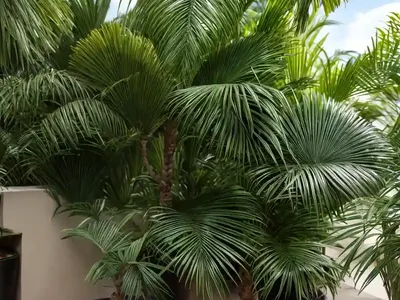
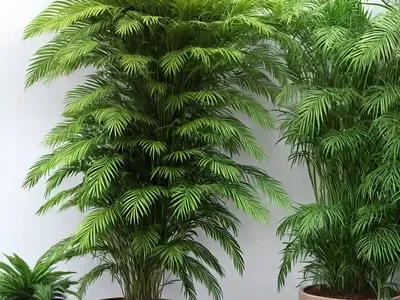
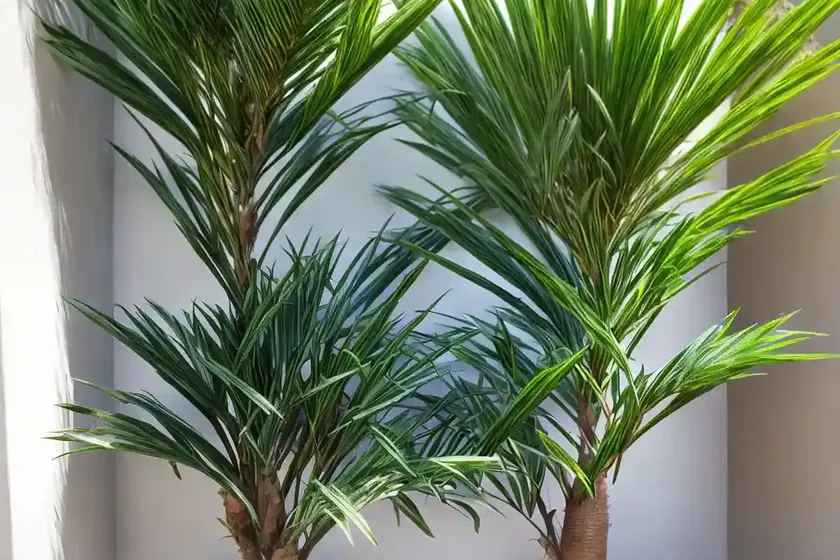
The Nikau Palm, also known by its scientific name Rhopalostylis sapida, is an iconic New Zealand native palm species belonging to the family Arecaceae. It is renowned for its distinctively graceful fronds and elegant trunk, making it a sought-after ornamental plant in landscaping and gardening endeavors. The Nikau Palm is characterized by its spectacular foliage, which consists of vibrant green arching fronds, adding a touch of tropical elegance to various environments.
As a slow-growing but long-lived palm, Rhopalostylis sapida can reach impressive heights over time, presenting a striking sight with its slender trunk and lush canopy of fern-like leaves. Its adaptability to a range of growing conditions, coupled with its aesthetic appeal, has contributed to its popularity in both tropical and temperate regions as a cherished ornamental plant.
Key Takeaways – Nikau Palm (Rhopalostylis sapida)
Before delving into the specific aspects of cultivating and caring for the Nikau Palm, it is essential to underscore the key takeaways associated with this remarkable plant species. Below, I have outlined the primary highlights of the Nikau Palm’s culture, uses, and maintenance requirements for quick reference:
Culture
- Origin: Indigenous to New Zealand
- Growth Rate: Slow
- Hardiness: Suitable for tropical and temperate climates
Uses
- Ornamental Value: Aesthetic appeal in gardens and landscapes
- Shade Provider: Can create shade in outdoor spaces
- Indigenous Cultural Significance: Holds cultural importance in New Zealand
Maintenance
- Water: Moderate watering requirements
- Sunlight: Thrives in partial to full sun
- Soil: Well-draining and fertile soil is ideal
- Fertilizer: Periodic fertilization for optimal growth
- Pruning: Minimal pruning required
- Propagation: Can be propagated from seeds or offshoots
Now that we have established an overview of the Nikau Palm, let’s delve into each of these aspects in detail to gain a comprehensive understanding of cultivating and caring for Rhopalostylis sapida.
Culture
Water
One of the critical considerations in successfully maintaining the Nikau Palm is its water requirements. As with most palm species, overwatering can be detrimental to the health of the plant, leading to root rot and other moisture-related issues. Conversely, inadequate watering can result in dehydration and stunted growth. Therefore, it is essential to strike a balance and ensure that the palm receives consistent, moderate moisture levels.
Sunlight
The Nikau Palm thrives in environments that offer ample sunlight, making it suitable for both indoor and outdoor cultivation. When grown outdoors, it flourishes in partial to full sun, taking advantage of the natural light to fuel its photosynthetic processes and promote robust growth. In indoor settings, placing the palm near a bright, sunny window can facilitate its development and maintain its vibrant foliage.
Soil
The choice of soil plays a pivotal role in the health and vitality of the Nikau Palm. Well-draining soil with a fertile composition is ideal for promoting healthy root development and overall growth. A combination of loam, sand, and organic matter can create the perfect growing medium for Rhopalostylis sapida, ensuring that it has access to essential nutrients while allowing excess moisture to drain away efficiently.
Fertilizer
Periodic fertilization is recommended to provide the Nikau Palm with the necessary nutrients for sustained growth and vitality. A balanced, slow-release fertilizer formulated specifically for palms can be applied during the growing season to enrich the soil and support the palm’s nutrient requirements. Care should be taken to follow the manufacturer’s recommendations regarding application rates and frequency to prevent overfertilization.
Pruning
The Nikau Palm typically requires minimal pruning, primarily limited to the removal of dead or damaged fronds. This practice not only enhances the palm’s visual appeal by eliminating unsightly foliage but also promotes air circulation, which is beneficial for overall plant health. Pruning should be carried out with sharp, sterile tools to prevent the transmission of diseases and ensure clean cuts that facilitate efficient healing.
Propagation
Rhopalostylis sapida can be propagated through various methods, including seed propagation and offshoot division. Propagating the Nikau Palm from seeds requires patience and attentiveness to create optimal germination conditions. Offshoot division, on the other hand, involves carefully separating and transplanting the young shoots that develop at the base of mature palms, effectively generating new plants.
Container Popularity
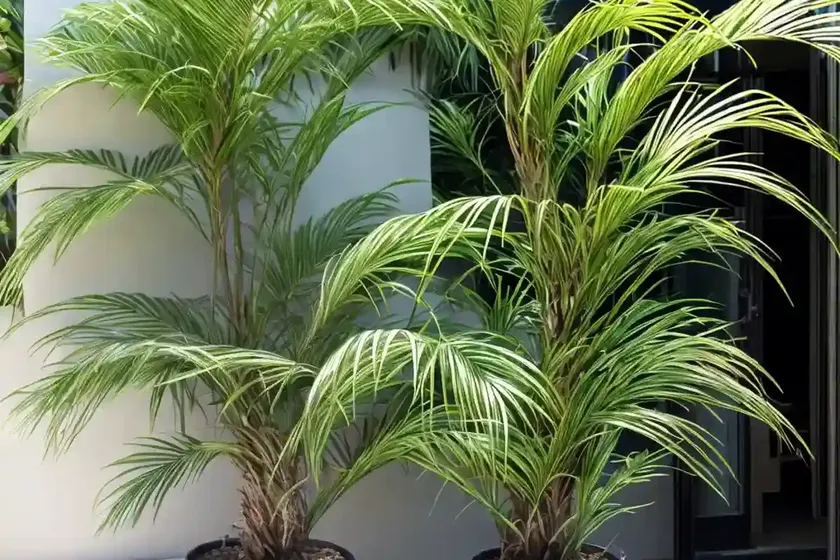
The Nikau Palm’s graceful appearance and relatively slow growth make it a favored choice for container cultivation. Whether as a striking centerpiece in a decorative pot or as a versatile addition to indoor spaces, the Nikau Palm’s adaptability to container living allows it to thrive in diverse environments while adding a touch of tropical elegance to its surroundings.
Common Diseases
While the Nikau Palm is generally resilient, it is susceptible to certain diseases and ailments that can affect its overall health and vitality. Being aware of these potential issues enables proactive measures to be taken to safeguard the palm’s well-being and intervene promptly if symptoms arise.
Disease Diagnosis
Fusarium Wilt
One of the primary diseases that can impact the Nikau Palm is Fusarium wilt, caused by the soil-borne fungus Fusarium oxysporum. This destructive pathogen attacks the plant’s vascular system, obstructing the flow of water and nutrients and leading to wilting, yellowing of fronds, and overall decline. Diagnosis of Fusarium wilt involves observing the gradual decline of the palm’s health, accompanied by wilted, discolored foliage and stunted growth. Laboratory analysis of the affected tissue can confirm the presence of the pathogen.
Common Pests
Botanist’s Tips
Fun Facts
Links to External Resources
To further expand your knowledge and understanding of the Nikau Palm, I have compiled a list of reputable external resources that offer valuable insights, tips, and guidance on cultivating and caring for Rhopalostylis sapida:
- Royal New Zealand Institute of Horticulture
- New Zealand Plant Conservation Network
- New Zealand Native Plants – Te Papa Collections Online
- Palm Society of New Zealand
- The New Zealand Rhopalostylis Palm Society
The above resources encompass authoritative institutions and organizations dedicated to plant conservation, horticultural research, and native plant advocacy, providing a wealth of information specifically focused on the Nikau Palm and its significance in New Zealand’s flora and horticultural landscape.
In conclusion, the Nikau Palm (Rhopalostylis sapida) stands as a symbol of natural splendor, cultural significance, and ornamental allure, contributing its unique charm to gardens, landscapes, and indoor spaces. With a nuanced understanding of its cultural, uses, and maintenance requirements, enthusiasts can cultivate and celebrate the remarkable beauty of this iconic New Zealand native palm species.
Through a mindful approach to culture, maintenance, and disease prevention, the Nikau Palm can thrive, bringing enduring elegance and botanical fascination to diverse settings. As we continue to appreciate and care for the Nikau Palm, we honor its legacy as a cherished symbol of natural wonder and a testament to the unparalleled allure of New Zealand’s botanical treasures.