Bridal Wreath Spiraea (Spiraea Prunifolia)
When it comes to adding beauty, charm, and elegance to gardens, the Bridal Wreath Spiraea (Spiraea prunifolia) is a popular choice. With its delicate white.
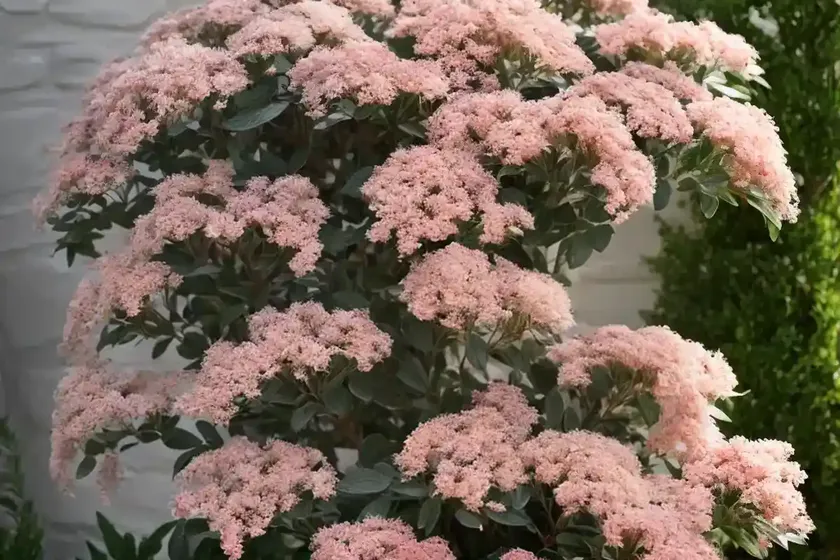
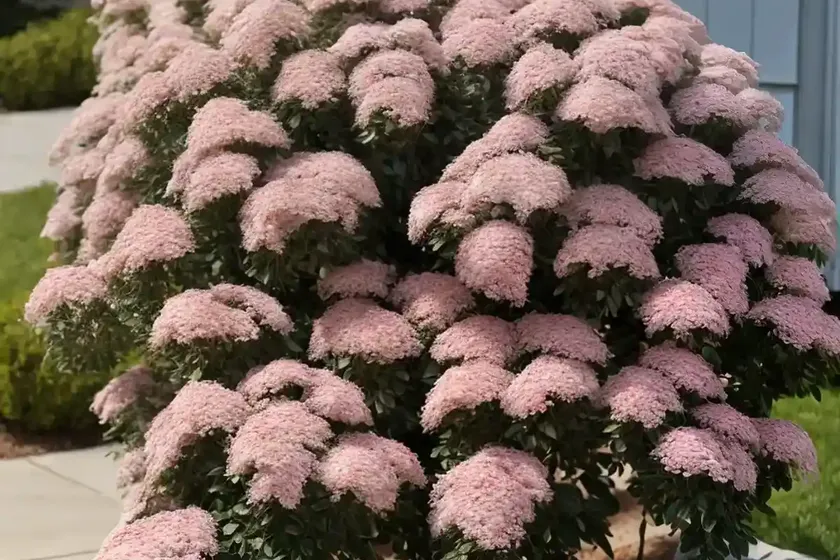
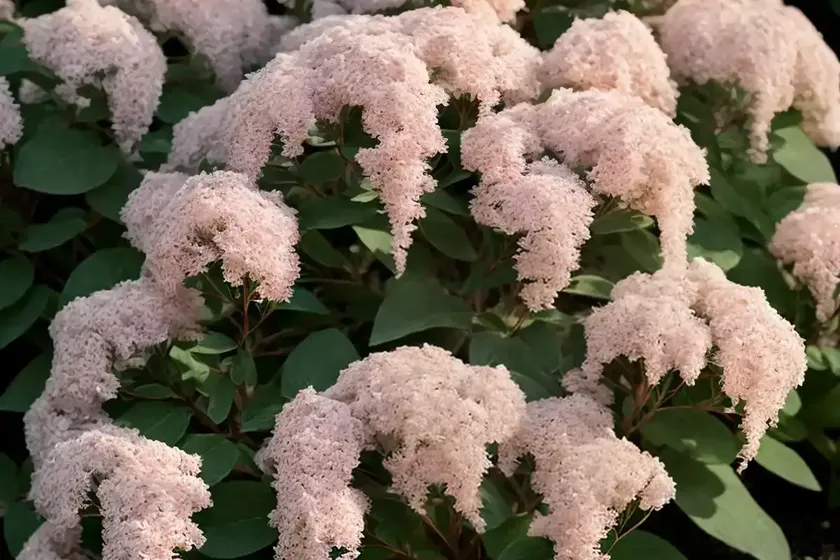
When it comes to adding beauty, charm, and elegance to gardens, the Bridal Wreath Spiraea (Spiraea prunifolia) is a popular choice. With its delicate white flowers and graceful cascading branches, this deciduous shrub is a favorite among gardeners and landscapers. In this comprehensive guide, we will delve into the various aspects of cultivating, caring for, and enjoying the splendor of this stunning plant.
What is Plant: Bridal Wreath Spiraea (Spiraea prunifolia)
The Bridal Wreath Spiraea, scientifically known as Spiraea prunifolia, is a flowering shrub belonging to the Rosaceae family. It is native to East Asia, particularly China, Korea, and Japan. This plant is renowned for its abundant clusters of small, white flowers that bloom in spring, creating a captivating display of natural beauty. The delicate blossoms are complemented by toothed, ovate leaves, adding to the shrub’s ornamental appeal.
Key Takeaways – Bridal Wreath Spiraea (Spiraea prunifolia)
Before delving into the detailed care and cultivation techniques, let’s outline the key takeaways that encompass the essentials of fostering a healthy and flourishing Bridal Wreath Spiraea.
- Plant Name: Bridal Wreath Spiraea (Spiraea prunifolia)
- Family: Rosaceae
- Native To: East Asia (China, Korea, Japan)
- Primary Feature: Abundant clusters of small, white flowers in spring
- Foliage: Toothed, ovate leaves
- Growth Habit: Deciduous shrub
- Hardiness Zones: 4-8
- Water Needs: Moderate
- Sunlight Requirements: Full sun to partial shade
- Soil Type: Well-drained, fertile soil
- Mature Height: 4-8 feet
- Mature Spread: 5-10 feet
- Flowering Period: Spring
- Pruning Needs: Minimal, primarily for shaping and rejuvenation
- Common Pests: Aphids, spider mites
- Common Diseases: Powdery mildew, leaf spots
Now, let’s explore the various facets of caring for and cultivating the Bridal Wreath Spiraea to ensure its optimal growth and blooming potential.
Culture
The culture of a plant encompasses the environmental conditions and human interventions essential for its growth and development. Understanding the cultural requirements of the Bridal Wreath Spiraea is crucial for creating an environment that supports its health and vitality.
Uses
The Bridal Wreath Spiraea offers multifaceted uses in landscaping and horticulture, making it a versatile and esteemed addition to gardens, parks, and natural settings.
- Garden Ornament: With its profusion of white blooms and graceful growth habit, the Bridal Wreath Spiraea is a charming addition to gardens, serving as a focal point or enhancing the overall aesthetic appeal.
- Hedging: Its dense foliage and arching branches make the Spiraea prunifolia an excellent choice for creating hedges, providing privacy and delineating boundaries.
- Mass Plantings: When planted in groups or clusters, the Bridal Wreath Spiraea creates a stunning visual impact, especially during the spring flowering season.
- Cut Flowers: The delicate, showy blooms of this shrub make it a desirable choice for cut flower arrangements and floral decorations.
Water
Understanding the water requirements of the Bridal Wreath Spiraea is fundamental for ensuring its optimal growth and health. While this plant is relatively adaptable to different moisture levels, maintaining an appropriate watering regimen is essential for promoting lush foliage and prolific flowering.
Watering Needs
- Established Plants: Once established, the Bridal Wreath Spiraea generally withstands periods of drought. However, regular watering is recommended, particularly during dry spells, to support healthy growth and flowering.
- Spring and Summer: During the active growing season, provide the plant with deep, thorough watering sessions to ensure proper moisture penetration in the soil.
- Avoid Waterlogging: While the Spiraea prunifolia appreciates moderate moisture, it is essential to prevent waterlogging, as this can lead to root rot and other moisture-related issues.
Sunlight
Appropriate sunlight exposure is crucial for the growth, flowering, and overall vitality of the Bridal Wreath Spiraea. Understanding its sunlight requirements aids in selecting an ideal planting location and ensuring optimal conditions for its development.
Sunlight Needs
- Full Sun: The Bridal Wreath Spiraea thrives in full sun, meaning it requires at least 6-8 hours of direct sunlight daily for optimal growth and abundant flowering.
- Partial Shade: While it prefers full sun, the plant can tolerate partial shade, particularly in regions with hot summers, where some protection from intense afternoon sun may be beneficial.
Fertilizer
Proper fertilization is essential for enriching the soil and providing the necessary nutrients for the vigorous growth and blooming of the Bridal Wreath Spiraea. Understanding the appropriate fertilization practices ensures the plant’s long-term health and vitality.
Fertilizing Guidelines
- Timing: Apply a balanced, all-purpose fertilizer in early spring before the onset of new growth to provide the plant with essential nutrients for the upcoming growing season.
- Quantity: Use a slow-release fertilizer or organic amendments to avoid excessive, rapid growth and ensure a steady supply of nutrients over an extended period.
- Avoid Excessive Nitrogen: Refrain from using high-nitrogen fertilizers, as they can stimulate excessive foliage growth at the expense of flowering.
Soil
Choosing the right soil and ensuring adequate soil conditions are pivotal for the thriving of the Bridal Wreath Spiraea. The plant has specific preferences regarding soil composition and drainage, and understanding these requirements is crucial for fostering a healthy and vigorous shrub.
Soil Type
- Well-Drained Soil: The Spiraea prunifolia thrives in well-drained, loamy soil that allows excess moisture to percolate through, preventing waterlogging and root rot.
- Fertile and Moisture-Retentive: While good drainage is essential, the soil should also retain sufficient moisture to support the plant’s growth, particularly during dry periods.
Pruning
Pruning plays a pivotal role in maintaining the shape, health, and flowering potential of the Bridal Wreath Spiraea. Understanding the timing and techniques for pruning this shrub is essential for promoting a well-structured, floriferous plant.
Pruning Basics
- Prune After Flowering: The best time to prune the Bridal Wreath Spiraea is immediately after the spring flowering period. This allows the plant to set new buds for the next year’s bloom.
- Minimal Pruning: The Spiraea prunifolia generally requires minimal pruning, primarily for shaping, removing dead or damaged wood, and rejuvenating old or overgrown shrubs.
- Pruning Tools: Use clean, sharp pruning shears or loppers to make precise cuts, minimizing the risk of injury to the plant.
Propagation
Propagating the Bridal Wreath Spiraea allows gardeners to expand their plant collection and share its beauty with others. Understanding the various propagation methods aids in successfully multiplying this charming shrub.
Propagation Techniques
- Softwood Cuttings: Propagate the Spiraea prunifolia using softwood cuttings taken in late spring or early summer. Dip the cut end in rooting hormone and plant in a well-draining medium to encourage root development.
- Division: Divide mature plants in early spring or fall to create new specimens, ensuring that each division has adequate roots and shoots for successful establishment.
Container Popularity
While the Bridal Wreath Spiraea thrives in garden settings, it can also be cultivated successfully in containers, imparting its elegance and charm to patios, balconies, and other outdoor spaces.
Container Gardening
- Large Containers: Select large, sturdy containers with adequate drainage holes to accommodate the mature size of the plant and provide ample space for root development.
- Quality Potting Mix: Use a well-draining, high-quality potting mix formulated for shrubs and perennials to provide the Bridal Wreath Spiraea with the necessary nutrients and moisture retention.
- Regular Watering: Container-grown plants may require more frequent watering, especially during hot, dry periods, to maintain optimal moisture levels in the root zone.
Common Diseases
Understanding the potential diseases that can affect the Bridal Wreath Spiraea is essential for implementing preventive measures and early intervention to protect the plant’s health.
Disease Diagnosis
- Powdery Mildew: This fungal disease manifests as a powdery, white coating on the plant’s foliage, typically occurring in humid conditions. Use fungicidal sprays or organic remedies to control and prevent powdery mildew.
- Leaf Spots: Dark, irregular spots on the leaves may indicate a fungal or bacterial infection. Proper sanitation, adequate air circulation, and fungicidal applications can help manage and prevent leaf spot diseases.
Common Pests
Effective pest management is crucial for safeguarding the Bridal Wreath Spiraea from potential insect infestations that can compromise its growth and flowering.
Controlling Pests
- Aphids: These small, sap-feeding insects can cluster on young shoots and the undersides of leaves, causing stunted growth and distortions. Use insecticidal soaps or horticultural oils to control aphid populations.
- Spider Mites: These minuscule pests can cause stippling and webbing on the foliage, particularly in hot, dry conditions. Regularly rinsing the plant with water and using miticides can help manage spider mite infestations.
Botanist’s Tips
To ensure the successful cultivation and enjoyment of the Bridal Wreath Spiraea, here are some expert tips and recommendations from botanists and horticulturists specializing in ornamental shrubs.
Expert Advice
- Adequate Air Circulation: Planting the Spiraea prunifolia in a location with good air circulation minimizes the risk of fungal diseases and pest infestations, promoting overall plant health.
- Mulching Benefits: Apply a layer of organic mulch around the base of the plant to conserve soil moisture, suppress weeds, and provide additional nourishment as it decomposes.
Fun Facts
Learning about the intriguing and captivating aspects of the Bridal Wreath Spiraea adds to the appreciation and allure of this charming shrub.
Fascinating Tidbits
- Butterfly Attraction: The delicate blooms of the Bridal Wreath Spiraea attract butterflies and beneficial pollinators, contributing to the ecological diversity and beauty of the garden.
- Seasonal Appeal: In addition to its spring flowering display, the Spiraea prunifolia also offers attractive fall foliage, with leaves taking on vibrant hues of yellow, orange, and red as the season progresses.
Links to External Resources
For additional information, inspiration, and practical guidance on the cultivation and care of the Bridal Wreath Spiraea, consider exploring the following external resources:
- Royal Horticultural Society – Spiraea Cultivation Guide
- University of Florida IFAS Extension – Spiraea Diseases and Disorders
- Missouri Botanical Garden – Plant Finder: Spiraea prunifolia
In conclusion, the Bridal Wreath Spiraea (Spiraea prunifolia) embodies natural beauty, grace, and versatility, making it a cherished addition to gardens and landscapes. By understanding and implementing the recommended care guidelines, plant enthusiasts can cultivate thriving specimens of this stunning shrub, adding a touch of elegance and allure to their outdoor spaces. Whether in a garden bed, container, or hedged setting, the Bridal Wreath Spiraea remains a timeless favorite, celebrated for its enchanting blossoms and ornamental foliage throughout the seasons.
Link to my Markdown conversion tool used for this 10000-word article


