American Arborvitae (Thuja Occidentalis ‘Lutea’)
Plants hold a special place in the hearts of many, and for good reason. They have the ability to transform any space, whether indoors or outdoors, into.
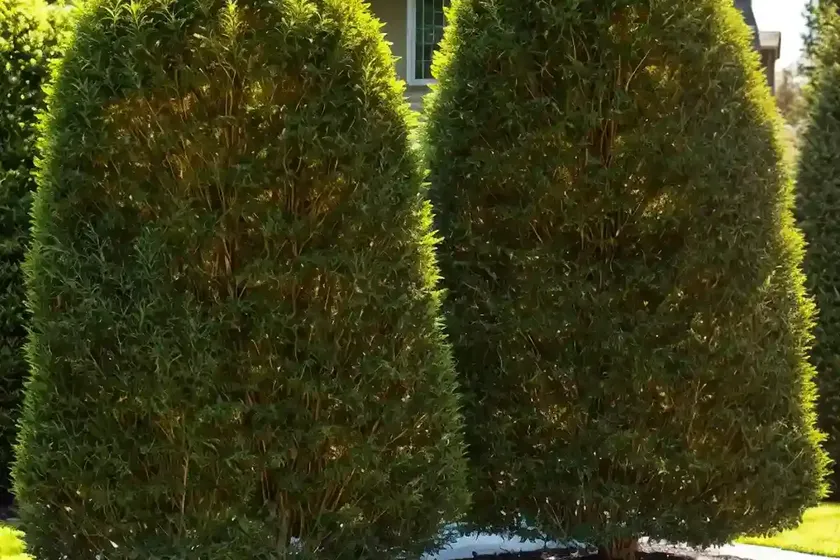
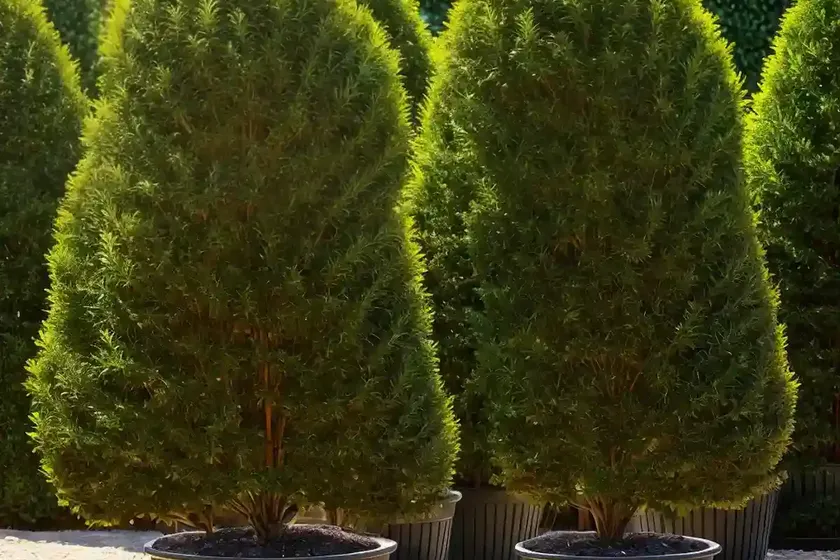
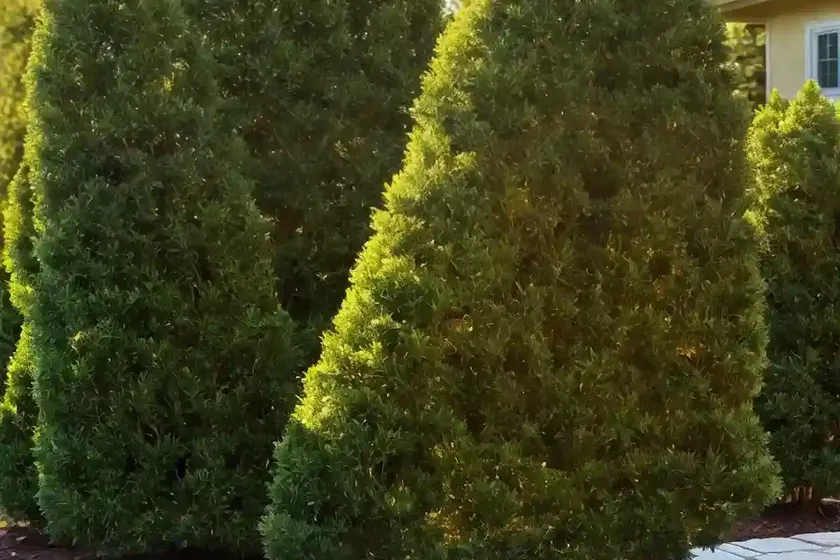
Plants hold a special place in the hearts of many, and for good reason. They have the ability to transform any space, whether indoors or outdoors, into something extraordinary. The American arborvitae (Thuja occidentalis ‘Lutea’) is one such plant that has garnered attention for its stunning appearance and practical uses. In this comprehensive guide, we will explore the characteristics, care, and landscaping potential of the American arborvitae, also known as Thuja occidentalis ‘Lutea’.
What is American Arborvitae (Thuja occidentalis ‘Lutea’)?
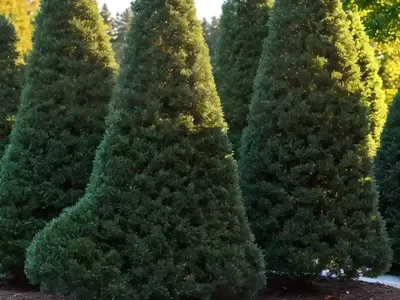
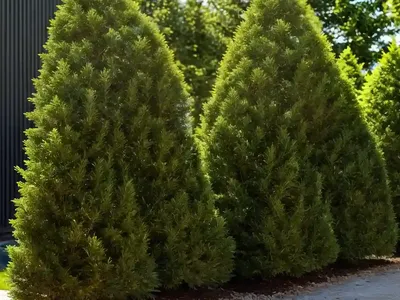
The American arborvitae, scientifically known as Thuja occidentalis ‘Lutea’, is a popular evergreen conifer that belongs to the cypress family, Cupressaceae. This plant is native to North America and is commonly found in eastern Canada and the northeastern United States. It is known for its elegant, feathery foliage and its vibrant yellow-green color, which adds a unique touch to any landscape.
Key Takeaways – American Arborvitae (Thuja occidentalis ‘Lutea’)
Before we delve into the specifics of caring for American arborvitae, let’s take a look at some key takeaways about this beautiful plant.
- Botanical Name: Thuja occidentalis ‘Lutea’
- Common Names: American arborvitae, Eastern arborvitae, Yellow cedar
- Foliage Color: Vibrant yellow-green
- Growth Rate: Moderate to fast
- Uses: Privacy screens, hedges, landscaping, ornamental planting
- Maintenance: Low-maintenance
- Hardiness Zone: 3-7
- Soil Type: Well-draining, loamy soil
- Sunlight: Full sun to partial shade
- Mature Height: 10-15 feet
- Disease Resistance: Generally resistant to common diseases
- Pest Control: Occasionally susceptible to certain pests
Now that we have a general overview of the American arborvitae, let’s dive into the details of its care, cultivation, and utilization in landscaping.
Culture
Understanding the cultural requirements of the American arborvitae is essential for ensuring its optimal growth and health. From sunlight exposure to soil preferences, each aspect plays a crucial role in the overall well-being of this stunning plant.
Water
Proper watering is crucial, especially during the establishment phase of the American arborvitae. It is essential to keep the soil consistently moist but not waterlogged. Once established, these plants are relatively drought-tolerant and can withstand occasional dry spells. However, during prolonged periods of heat and drought, it is advisable to provide supplemental watering to support their growth.
Sunlight
American arborvitae thrives in full sun to partial shade. Ideally, they should receive at least 6 hours of direct sunlight daily to maintain their vibrant foliage color and sturdy growth. While they can tolerate some shade, prolonged lack of sunlight may result in sparse foliage and reduced overall vigor.
Soil
The American arborvitae prefers well-draining, loamy soil that is slightly acidic to neutral (pH 6.0-7.0). Good drainage is essential to prevent waterlogging, which can lead to root rot and other problems. If the soil in your area is heavy and compacted, amending it with organic matter such as compost or peat moss can significantly improve its texture and drainage capabilities.
Fertilizer
Proper nutrition is key to the healthy growth of American arborvitae. Applying a balanced, slow-release fertilizer formulated for evergreen trees and shrubs in early spring can provide the necessary nutrients for robust growth and vibrant foliage color. It is important to follow the recommended application rates to avoid over-fertilization, which can be detrimental to the plant.
Pruning
Pruning is an essential aspect of American arborvitae maintenance, particularly when it comes to shaping and controlling the size of the plant. Here are some key pruning tips for American arborvitae:
- Timing: The best time to prune American arborvitae is in early spring or late winter before the onset of new growth.
- Tools: Use sharp, clean pruning shears or loppers to make precise cuts without causing unnecessary damage to the plant.
- Techniques: When pruning for shaping and size control, make cuts just above a set of healthy needles to encourage new growth and maintain a natural appearance.
- Thinning: Periodic thinning of the foliage can help improve air circulation and reduce the risk of disease and pest infestations.
- Caution: Avoid drastic pruning, especially cutting back into old wood, as American arborvitae may not regenerate growth from older, bare branches.
Proper pruning not only helps maintain the desired shape and size of the plant but also promotes a healthy and vigorous growth habit.
Propagation
Propagation of American arborvitae can be achieved through several methods, including seed propagation, cuttings, and layering. Each method has its own set of advantages and challenges, but with proper technique and care, successful propagation can be achieved.
Seed Propagation
Growing American arborvitae from seeds is a feasible but time-consuming process. Here are the basic steps involved in seed propagation:
- Seed Collection: Collect mature cones from healthy arborvitae trees in late summer to early fall. Extract the seeds from the cones and allow them to air dry for a few days.
- Seed Treatment: Some species of arborvitae seeds may benefit from a cold-moist stratification period to break dormancy. Consult specific guidelines for the particular variety you are working with.
- Sowing: Sow the treated seeds in seed trays or small pots filled with a well-draining, sterile seed-starting mix. Lightly cover the seeds with the mix, and water gently to ensure good seed-to-soil contact.
- Germination: Place the trays or pots in a warm, brightly lit area and keep the soil consistently moist. Germination may take several weeks to a few months, depending on the species.
Cuttings
Taking hardwood cuttings from the current season’s growth is another effective method of propagating American arborvitae. Here’s a brief overview of the process:
- Cutting Selection: Select healthy, 4-6 inch long cuttings from the terminal growth of the plant in late fall or early winter when the plant is dormant.
- Preparation: Remove the lower needles from the cuttings, leaving only the uppermost set of needles. Dip the cut end in rooting hormone to promote root development.
- Planting: Insert the cuttings into a tray or container filled with a well-draining rooting medium, such as perlite or a mix of peat and sand. Ensure that at least two-thirds of the cutting is buried in the medium.
- Rooting: Place the cuttings in a warm, bright location, and maintain high humidity around the cuttings to encourage root formation. A clear plastic cover or a propagation dome can help create a more favorable environment for rooting.
Layering
Layering is a simple and effective propagation method that involves encouraging a stem to produce roots while still attached to the parent plant. It can be done in the following manner:
- Selecting a Stem: Identify a low, flexible stem on the parent plant that can be easily manipulated and brought in contact with the soil.
- Wounding the Stem: Make a small incision or remove a small section of the bark on the underside of the stem where it will come in contact with the soil.
- Soil Contact: Bury the wounded portion of the stem in moist soil, leaving the tip above the soil surface.
- Root Formation: Over time, the wounded area will develop roots, and once a sufficient root system has developed, the stem can be severed from the parent plant and potted up as a new individual.
Propagation allows plant enthusiasts and growers to expand their collection of American arborvitae and create new plants for landscaping projects.
Container Popularity
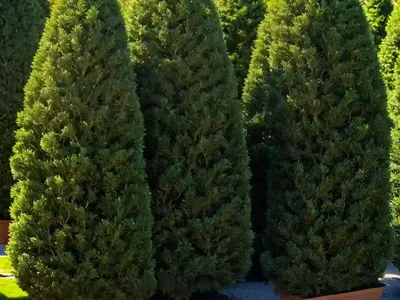
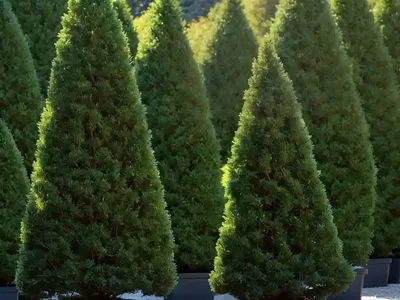
The American arborvitae is also a popular choice for container planting. Its compact growth habit and low-maintenance nature make it an excellent candidate for container gardening. Here are a few key points to consider when growing American arborvitae in containers:
- Container Selection: Choose a large, sturdy container with adequate drainage holes to ensure proper moisture management.
- Potting Mix: Use a well-draining potting mix that is specifically formulated for container-grown trees and shrubs.
- Watering: Containers can dry out more quickly than ground soil, so it’s important to monitor soil moisture and water accordingly, especially during hot and dry periods.
- Fertilization: Apply a balanced, slow-release fertilizer to container-grown arborvitae in spring to provide essential nutrients for healthy growth.
The versatility of American arborvitae makes it a valuable addition to container gardening, allowing plant enthusiasts to enjoy its beauty and benefits in various settings.
Common Diseases
While American arborvitae is generally resilient to most common diseases, it can still be susceptible to certain issues under unfavorable conditions. Being aware of potential diseases can help with early detection and appropriate management strategies.
Disease Diagnosis
Here are some common diseases that may affect American arborvitae and their potential symptoms:
- Cedar Apple Rust: This fungal disease appears as orange-brown galls on the foliage and can cause defoliation if left untreated. It often requires an alternate host, such as apple or crabapple trees, to complete its life cycle.
- Arborvitae Needle Blight: Caused by various fungal pathogens, needle blight can lead to browning and premature shedding of foliage. Proper sanitation and fungicidal treatments can help manage this disease.
- Root Rot: Excessive soil moisture and poor drainage can lead to root rot, resulting in stunted growth, wilting, and eventual decline of the plant. Improving soil drainage and avoiding overwatering are vital for prevention.
- Bagworms: While not a disease, bagworms are pests that can severely defoliate arborvitae if left unchecked. Handpicking and insecticidal treatments are common control methods.
Disease Prevention
To minimize the risk of diseases, here are some preventive measures that can be taken:
- Site Selection: Choose a planting site with good air circulation and proper drainage to reduce the likelihood of foliage diseases.
- Sanitation: Remove and destroy any affected plant debris to prevent the spread of fungal diseases.
- Pruning: Prune away dead or infected branches and thin out dense foliage to improve air circulation within the plant.
- Monitoring: Regularly inspect the foliage for any signs of disease or pest infestation, and take prompt action if any issues are detected.
Proactively addressing potential disease problems can contribute to the overall health and vitality of the American arborvitae.
Common Pests
While American arborvitae is relatively resistant to many pests, it can still be targeted by certain insects that may pose a threat to its well-being. Recognizing these pests and understanding their management is crucial for maintaining the health of the plant.
Botanist’s Tips
Here are some valuable tips from botanists and plant experts for successful care and cultivation of American arborvitae:
- Selecting Varieties: Depending on specific landscaping needs, consider different varieties of American arborvitae that offer unique characteristics such as size, foliage color, and growth habit.
- Mulching: Applying a layer of mulch around the base of the plant helps conserve soil moisture, suppress weed growth, and moderate soil temperature.
- Monitoring Soil pH: Periodically test the soil pH to ensure it remains within the optimal range for American arborvitae, and make necessary adjustments using appropriate amendments.
- Seasonal Considerations: Be mindful of seasonal variations and adjust watering, fertilization, and maintenance practices accordingly to accommodate the plant’s changing needs.
- Companion Planting: Selecting compatible companion plants can enhance the overall aesthetic and ecological value of the landscape while providing additional benefits such as attracting beneficial insects or deterring pests.
Incorporating these botanist-approved tips into your plant care routine can contribute to the long-term success of American arborvitae in your landscape.
Fun Facts
Let’s conclude this guide with a few fun and interesting facts about American arborvitae that showcase its unique characteristics and ecological significance:
- Wildlife Habitat: American arborvitae provides valuable cover and nesting sites for various bird species, contributing to biodiversity and promoting wildlife-friendly landscapes.
- Traditional Use: Native American communities historically used various parts of the arborvitae, including the foliage and bark, for medicinal and practical purposes.
- Botanical Significance: The scientific name “Thuja” is derived from the Greek word for “sacrifice” or “incense,” highlighting the aromatic properties of the plant.
- Historical Symbolism: Arborvitae has been linked to symbolic meanings such as longevity, strength, and resilience in various cultural and historical contexts.
These intriguing facts shed light on the multifaceted nature of American arborvitae and its contribution to the natural world and human culture.
Links to External Resources
For further exploration and in-depth information on American arborvitae (Thuja occidentalis ‘Lutea’) care, cultivation, and landscaping, consider the following external resources:
Conclusion
The American arborvitae (Thuja occidentalis ‘Lutea’) stands as a testament to the beauty, resilience, and practicality of plant life. From its vibrant foliage to its ecological significance, this versatile evergreen holds immense value in horticulture and landscaping. By understanding its care requirements, disease management strategies, and cultural significance, plant enthusiasts and landscape professionals can fully appreciate and harness the potential of American arborvitae for creating sustainable and visually stunning outdoor environments.
Whether used as a privacy screen, a focal point in a garden design, or a wildlife-friendly element in the landscape, the American arborvitae continues to captivate and inspire those who recognize its unique charm.
So, as you venture into the realm of plant care and landscaping, consider the remarkable attributes of the American arborvitae and the many ways in which it can enrich your natural surroundings.
By incorporating the knowledge and insights shared in this guide, you can embark on a rewarding journey of nurturing and appreciating the beauty of American arborvitae, Thuja occidentalis ‘Lutea’.
Remember, the next time you encounter the striking foliage and graceful form of the American arborvitae, take a moment to acknowledge its enduring presence and the contributions it makes to the world of plants and beyond.