American Arborvitae (Thuja Occidentalis ‘Holmstrup’)
As a plant scientist specializing in arborvitae, I am thrilled to share insights into the American arborvitae cultivar, Thuja occidentalis ‘Holmstrup.’.
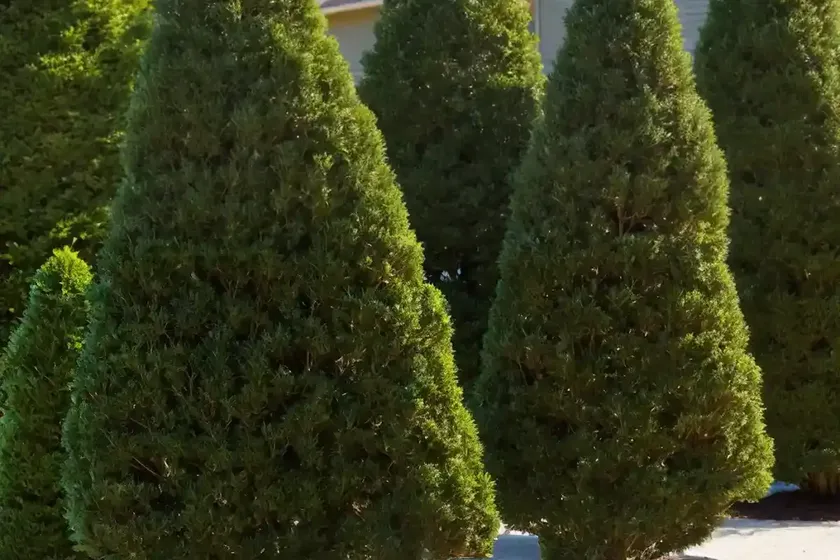
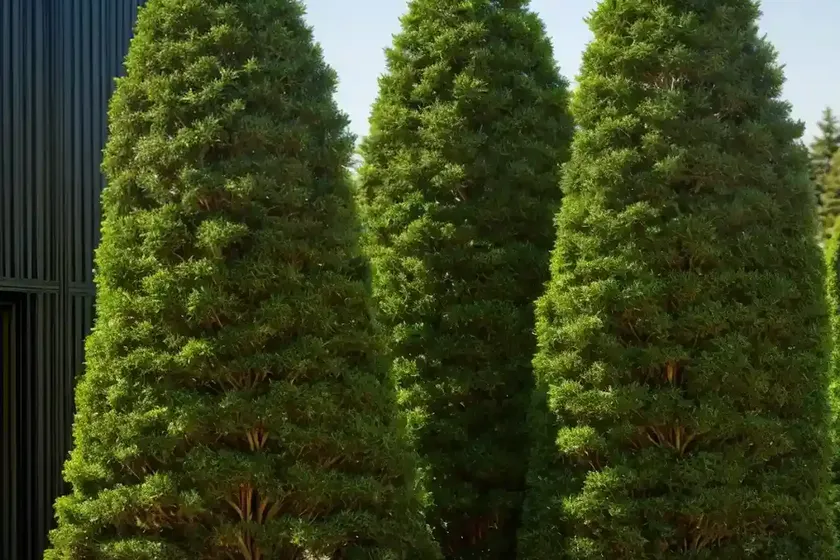
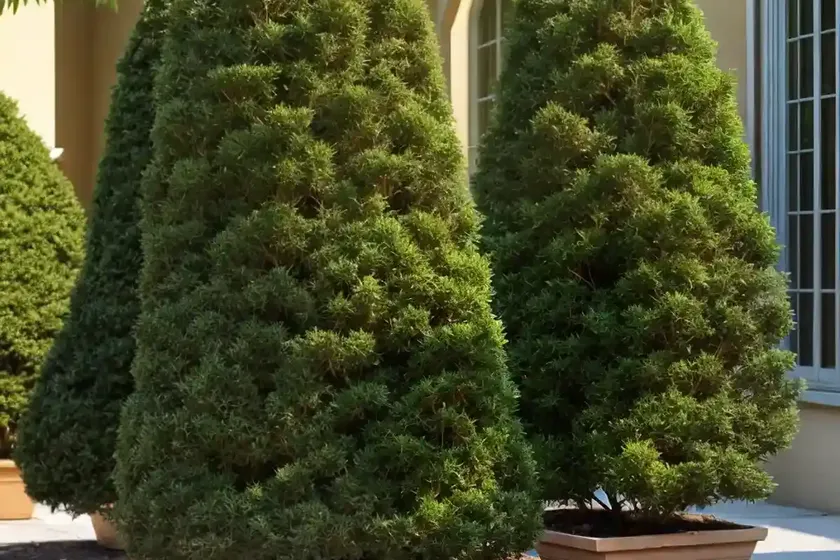
As a plant scientist specializing in arborvitae, I am thrilled to share insights into the American arborvitae cultivar, Thuja occidentalis ‘Holmstrup.’ This evergreen shrub, known for its compact and low-maintenance nature, is a popular choice for landscaping, hedges, and container gardening. In this comprehensive guide, we will delve into its cultural requirements, uses, care tips, common diseases, and much more.
What is American Arborvitae (Thuja occidentalis ‘Holmstrup’)?
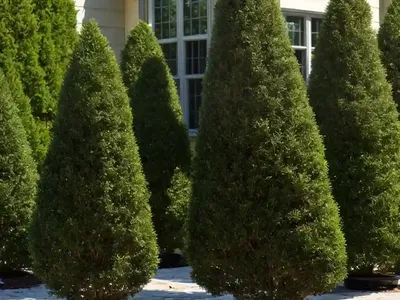
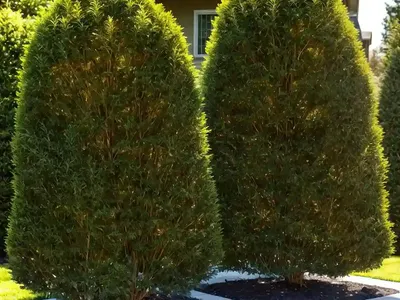
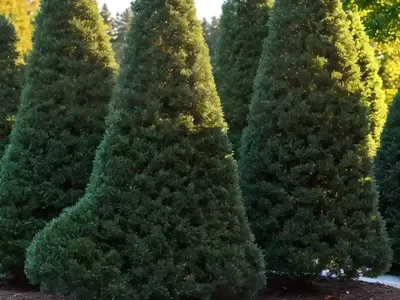
American arborvitae, scientifically known as Thuja occidentalis ‘Holmstrup,’ is a compact and slow-growing evergreen shrub that belongs to the cypress family, Cupressaceae. This cultivar is a variety of the native American arborvitae, prized for its dense, conical form and rich green foliage. Its botanical name, “Holmstrup,” originates from the Danish nursery where it was selected.
American arborvitae ‘Holmstrup’ is renowned for its versatility and can thrive in various landscape settings, from privacy screens to container gardens. With its low-maintenance nature and attractive appearance, it has become a sought-after ornamental plant among gardening enthusiasts.
Key Takeaways – American Arborvitae (Thuja occidentalis ‘Holmstrup’)
Before delving deeper into the characteristics and care guidelines for Thuja occidentalis ‘Holmstrup,’ let’s glance at the key takeaways that will be explored in this comprehensive guide:
- Culture
- Uses
- Water
- Sunlight
- Fertilizer
- Soil
- Pruning
- Propagation
- Container Popularity
- Container Common Diseases
- Disease Diagnosis
- Common Pests
- Botanist’s Tips
- Fun Facts
- Links to External Resources
Now, let’s embark on a journey to understand the nuances of caring for and utilizing American arborvitae (Thuja occidentalis ‘Holmstrup’) in various gardening and landscaping endeavors.
Culture of American Arborvitae (Thuja occidentalis ‘Holmstrup’)
Understanding the cultural requirements of American arborvitae is fundamental to fostering its optimal growth and ensuring its longevity. Let’s explore the essential cultural aspects of Thuja occidentalis ‘Holmstrup’:
-
Water: American arborvitae ‘Holmstrup’ has moderate water needs. While it is relatively drought-tolerant once established, consistent watering, especially during dry periods, is crucial for young plants and those in containers.
-
Sunlight: This cultivar thrives in full sun to partial shade. However, providing it with full sun exposure will promote dense and vigorous growth, enhancing its ornamental value in the landscape.
-
Fertilizer: When it comes to fertilizer, American arborvitae ‘Holmstrup’ benefits from an annual application of a balanced slow-release fertilizer in early spring. This aids in sustaining its rich green foliage and overall vigor.
-
Soil: Well-draining, loamy soil with a slightly acidic to neutral pH range is ideal for American arborvitae ‘Holmstrup.’ It is essential to ensure proper soil conditions to prevent waterlogging, which can compromise the plant’s health.
-
Pruning: Pruning American arborvitae ‘Holmstrup’ is generally minimal, primarily focusing on shaping the plant and removing any dead or damaged foliage. Regular light trimming can help maintain its desired form and density.
Uses of American Arborvitae (Thuja occidentalis ‘Holmstrup’)
The versatility of American arborvitae ‘Holmstrup’ makes it a valuable addition to various landscaping and gardening applications. Let’s explore its primary uses:
-
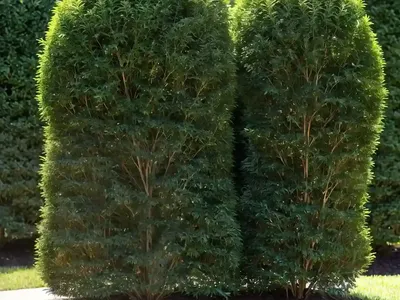
Privacy Screens: Due to its dense foliage and upright growth habit, American arborvitae ‘Holmstrup’ is well-suited for creating effective privacy screens and windbreaks in residential and commercial landscapes.
-
Hedging: Its compact form and slow growth rate make American arborvitae ‘Holmstrup’ an excellent choice for formal or informal hedging, adding structure and greenery to outdoor spaces.
-
Container Gardening: The dwarf nature of this cultivar makes it ideal for container gardening on patios, porches, and balconies, where its ornamental appeal can be showcased in smaller spaces.
-
Ornamental Focus: Whether used as a standalone specimen or a focal point within a garden bed, American arborvitae ‘Holmstrup’ adds an ornamental touch with its rich green foliage and pleasing form.
Now that we’ve explored the cultural requirements and primary uses of American arborvitae ‘Holmstrup,’ let’s delve into specific care guidelines and maintenance tips for this evergreen shrub.
Water Requirements for American Arborvitae (Thuja occidentalis ‘Holmstrup’)
Ensuring proper watering is essential for the health and vitality of American arborvitae ‘Holmstrup.’ Here are guidelines to help you meet its water requirements:
Guidelines for Watering:
-
Young Plants: Newly planted or young American arborvitae ‘Holmstrup’ specimens require regular watering until they establish a robust root system. During dry spells, provide supplemental irrigation to support their growth.
-
Established Plants: Once established, this cultivar exhibits moderate drought tolerance. However, it is advisable to provide sufficient water during extended dry periods to prevent stress and maintain its lush green foliage.
-
Container-Grown Specimens: In container gardening, soil moisture levels must be monitored closely, as containers tend to dry out more rapidly. Regular but controlled watering is essential to prevent the soil from becoming excessively dry.
By adhering to these guidelines and adjusting watering frequency based on environmental conditions, you can ensure that your American arborvitae ‘Holmstrup’ remains healthy and vibrant.
Sunlight Requirements for American Arborvitae (Thuja occidentalis ‘Holmstrup’)
Proper sunlight exposure is integral to the growth and overall appearance of American arborvitae ‘Holmstrup.’ Here’s what you need to know about meeting its sunlight requirements:
Sunlight Needs:
-
Full Sun: Providing full sun exposure, where the plant receives at least 6-8 hours of direct sunlight per day, encourages robust growth and helps maintain its dense, compact form.
-
Partial Shade: While American arborvitae ‘Holmstrup’ thrives in full sun, it can tolerate partial shade, especially in regions with intense summer heat. However, reduced sunlight may result in slightly looser foliage and slower growth compared to specimens in full sun.
-
Optimal Placement: When selecting a planting location, aim to position American arborvitae ‘Holmstrup’ where it can receive ample sunlight, especially during the morning and early afternoon hours, to promote balanced and vigorous growth.
By ensuring adequate sunlight exposure, you can maximize the ornamental appeal and health of your American arborvitae ‘Holmstrup’ in the landscape.
Fertilizer Needs for American Arborvitae (Thuja occidentalis ‘Holmstrup’)
Proper fertilization is crucial for nourishing American arborvitae ‘Holmstrup’ and sustaining its vibrant green foliage. Consider the following fertilizer guidelines for this cultivar:
Fertilizer Application:
-
Timing: Apply a balanced slow-release fertilizer formulated for evergreen shrubs to American arborvitae ‘Holmstrup’ in early spring, just as new growth begins.
-
Even Distribution: Distribute the fertilizer evenly around the dripline of the plant, avoiding direct contact with the trunk or base, and water thoroughly to facilitate nutrient absorption.
-
Avoid Over-fertilization: While regular fertilization supports healthy growth, it is crucial to follow recommended application rates and avoid over-fertilization, which can lead to excessive foliage growth at the expense of overall plant vigor.
By adhering to these guidelines and selecting an appropriate fertilizer, you can provide American arborvitae ‘Holmstrup’ with the essential nutrients it needs to thrive.
Soil Preferences for American Arborvitae (Thuja occidentalis ‘Holmstrup’)
Understanding the soil preferences of American arborvitae ‘Holmstrup’ is essential to create an optimal growing environment. Consider the following insights into its soil requirements:
Ideal Soil Conditions:
-
Drainage: Well-draining soil is paramount for this cultivar, as waterlogging can lead to root rot and other detrimental conditions. Amending heavy or compacted soils with organic matter can improve drainage.
-
pH Level: American arborvitae ‘Holmstrup’ thrives in slightly acidic to neutral soil conditions, with a pH range of approximately 6.0 to 7.5. Soil testing can help determine the pH level and guide necessary adjustments.
-
Soil Composition: A loamy soil rich in organic matter provides an ideal growing medium for American arborvitae ‘Holmstrup,’ promoting healthy root development and overall plant vigor.
By ensuring that the soil meets these criteria, you can create a conducive growing environment for American arborvitae ‘Holmstrup’ and support its long-term health and vitality.
Pruning Techniques for American Arborvitae (Thuja occidentalis ‘Holmstrup’)
Pruning American arborvitae ‘Holmstrup’ is an essential aspect of its maintenance, helping to shape the plant, remove dead or damaged foliage, and promote a dense and uniform appearance. Here are key pruning techniques and considerations for this cultivar:
Pruning Guidelines:
-
Frequency: While American arborvitae ‘Holmstrup’ exhibits a naturally compact form, occasional light pruning may be necessary to maintain its desired shape and size. Aim to conduct pruning sessions once or twice a year, as needed.
-
Tools: Use sharp, clean pruning shears or hedge trimmers to make precise cuts and avoid causing unnecessary stress or damage to the plant.
-
Best Practices: When pruning, focus on removing dead, diseased, or overgrown branches, and aim to maintain a pyramidal or conical form, with a slightly narrower top to facilitate natural rain and snow shedding.
-
Avoid Drastic Pruning: Refrain from excessively pruning or shearing American arborvitae ‘Holmstrup,’ as this can lead to unsightly bare patches and potential growth abnormalities.
By incorporating these pruning techniques into your maintenance routine, you can enhance the aesthetic appeal and overall health of American arborvitae ‘Holmstrup’ in your landscape.
Propagation Methods for American Arborvitae (Thuja occidentalis ‘Holmstrup’)
To propagate American arborvitae ‘Holmstrup’ and expand your plant collection, consider the following methods that are commonly employed for this cultivar:
Propagation Techniques:
-
Softwood Cuttings: Propagating from softwood cuttings in late spring to early summer is a viable method for generating new American arborvitae ‘Holmstrup’ plants. Choose healthy, non-flowering shoots for the best results.
-
Rooting Hormone: Applying a rooting hormone to the base of the cuttings can enhance their ability to form roots and improve overall success rates during the propagation process.
-
Container Growing: Once rooted, the cuttings can be transplanted into individual containers filled with well-draining potting mix, providing them with a conducive environment to establish and develop.
By utilizing these propagation methods and exercising patience and care, you can expand your collection of American arborvitae ‘Holmstrup’ and cultivate new plants for your landscape or garden.
Container Popularity of American Arborvitae (Thuja occidentalis ‘Holmstrup’)
The dwarf and compact nature of American arborvitae ‘Holmstrup’ makes it a popular choice for container gardening, offering ornamental value in limited spaces. Let’s explore its prominence in container gardening and associated considerations:
Container Gardening Benefits:
-
Space Utilization: American arborvitae ‘Holmstrup’ thrives in containers on patios, balconies, and small outdoor areas, enriching the aesthetic appeal and adding greenery to confined spaces.
-
Portability: Container-grown specimens can be easily relocated to different areas of the garden or brought indoors during extreme weather conditions, providing flexibility and protection.
-
Design Versatility: Incorporating American arborvitae ‘Holmstrup’ in container arrangements allows for creative combinations with other plants, contributing to diverse and visually captivating displays.
Container Considerations:
-
Container Size: Select containers that provide ample room for root development while still complementing the compact growth habit of American arborvitae ‘Holmstrup.’ Ensure that the containers have drainage holes to prevent waterlogging.
-
Potting Mix: Employ a well-draining potting mix formulated for container plants, and consider incorporating slow-release fertilizer to support the plant’s nutritional needs over an extended period.
-
Watering: Monitor soil moisture levels closely, as containerized specimens may require more frequent watering to maintain adequate hydration, especially during warm or windy periods.
By recognizing the benefits of container gardening and implementing appropriate care practices, you can leverage the ornamental appeal of American arborvitae ‘Holmstrup’ in confined outdoor spaces.
Common Diseases of American Arborvitae (Thuja occidentalis ‘Holmstrup’)
While American arborvitae ‘Holmstrup’ is relatively resistant to many common diseases, it is essential to be aware of potential health concerns and preventive measures. Let’s explore common diseases that may affect this cultivar:
Potential Diseases:
-
Needle Blight: Certain types of fungal pathogens can cause needle blight, resulting in needle discoloration, browning, or premature shedding. Maintaining optimal growing conditions and avoiding excessive moisture can help mitigate this issue.
-
Root Rot: Prolonged waterlogging or overly compacted soil can pave the way for root rot, a condition caused by various soil-borne pathogens. Ensuring proper drainage and avoiding overwatering are critical in preventing this disease.
-
Canker Diseases: Canker-causing fungi may lead to the development of sunken lesions on the stems and branches of American arborvitae ‘Holmstrup,’ potentially hindering their growth and vitality. Pruning affected branches and promoting overall plant health can aid in disease management.
Disease Diagnosis and Prevention for American Arborvitae (Thuja occidentalis ‘Holmstrup’)
Effectively diagnosing and preventing diseases in American arborvitae ‘Holmstrup’ is vital for maintaining its vigor and visual appeal. Consider the following approaches to address disease concerns:
Diagnosis Process:
-
Visual Inspection: Regularly assess the foliage, stems, and overall appearance of American arborvitae ‘Holmstrup’ for any signs of discoloration, lesions, or abnormal growth.
-
Consultation: If you observe unusual symptoms or suspect potential disease issues, seek guidance from a local horticultural professional or plant specialist to accurately diagnose the problem.
Preventive Measures:
-
Cultural Practices: Adhere to cultural recommendations, including proper watering, adequate sunlight exposure, and balanced fertilization, to fortify the plant’s natural defenses and reduce disease susceptibility.
-
Sanitation: Remove and dispose of any fallen or diseased foliage promptly, and practice good sanitation measures, such as cleaning pruning tools, to prevent the spread of pathogens.
By promptly addressing potential disease concerns and implementing preventive measures, you can safeguard the health and resilience of American arborvitae ‘Holmstrup’ in your landscape.
Common Pests Affecting American Arborvitae (Thuja occidentalis ‘Holmstrup’)
While American arborvitae ‘Holmstrup’ is relatively resistant to many pests, it can occasionally face infestations that warrant attention. Let’s examine common pests that may affect this cultivar:
Potential Pests:
-
Spider Mites: These tiny arachnids can cause stippling and webbing on the foliage, potentially leading to the decline of American arborvitae ‘Holmstrup.’ Regular monitoring and the application of horticultural oil can help manage spider mite populations.
-
Bagworms: These caterpillars construct protective bags from foliage and silk, posing a threat to the overall health and appearance of American arborvitae ‘Holmstrup.’ Handpicking and destroying bagworms can aid in their control.
-
Scale Insects: Scale insects can infest the stems and foliage of American arborvitae ‘Holmstrup,’ leading to yellowing, wilting, and overall decline. For severe infestations, targeted insecticidal treatments may be necessary.
Botanist’s Tips for Maintaining American Arborvitae (Thuja occidentalis ‘Holmstrup’)
As a botanist specializing in arborvitae, I am pleased to provide the following expert tips to help you maintain the health and beauty of American arborvitae ‘Holmstrup’:
Expert Recommendations:
-
Monitoring: Regularly monitor your American arborvitae ‘Holmstrup’ for any signs of stress, including discoloration, wilting, or pest presence, and address issues promptly.
-
Cultural Consistency: Remain consistent with cultural practices, such as watering, fertilization, and pruning, to provide stability and support for the plant’s growth and longevity.
-
Balance: Strive to strike a balance in meeting the plant’s needs, including sunlight exposure, soil moisture, and nutritional requirements, to foster overall vigor and resilience.
-
Professional Consultation: If you encounter challenges or uncertainties in caring for American arborvitae ‘Holmstrup,’ do not hesitate to seek guidance from local horticultural experts or extension services.
By incorporating these botanical recommendations into your plant care regimen, you can contribute to the well-being and vitality of American arborvitae ‘Holmstrup’ in your landscape.
Fun Facts about American Arborvitae (Thuja occidentalis ‘Holmstrup’)
To elevate your appreciation for this remarkable cultivar, here are some engaging and noteworthy fun facts about American arborvitae ‘Holmstrup’:
Fascinating Tidbits:
-
Monumental Lifespan: American arborvitae ‘Holmstrup’ can potentially live for several decades, serving as a steadfast and enduring presence in the landscape.
-
Aromatic Appeal: When crushed or brushed against, the foliage of American arborvitae ‘Holmstrup’ releases a pleasant and distinctive fragrance, adding sensory allure to outdoor spaces.
-
Wildlife Haven: The dense foliage of American arborvitae ‘Holmstrup’ provides valuable shelter and nesting sites for various bird species, contributing to biodiversity in the garden.
-
Seasonal Attraction: During the winter months, the evergreen nature of American arborvitae ‘Holmstrup’ offers visual interest and structure, adding appeal to the winter landscape.
By immersing yourself in these fun facts, you can deepen your admiration for American arborvitae ‘Holmstrup’ and its captivating attributes.
Links to External Resources
For additional insights and guidance on caring for American arborvitae (Thuja occidentalis ‘Holmstrup’), consider exploring the following reputable external resources:
- American Arborvitae – Identification and Control of Diseases and Insect Pests
- [The American National Arbor Day Foundation – Arborvitae](https://www.arborday