The Marvels of Iron Butterfly Ironweed (Vernonia lettermanii ‘Iron Butterfly’)
In the world of gardening and horticulture, there are numerous plant species that captivate our attention with their beauty, resilience, and versatility. One such plant that has been gaining popularity among gardening enthusiasts and landscape designers is the Iron Butterfly Ironweed, scientifically known as Vernonia lettermanii ‘Iron Butterfly’. This perennial plant has much to offer, from its stunning purple flowers to its low-maintenance nature. In this blog post, we will explore the various aspects of Iron Butterfly Ironweed, including its culture, uses, care requirements, and much more.
What is Iron Butterfly Ironweed (Vernonia lettermanii ‘Iron Butterfly’)?
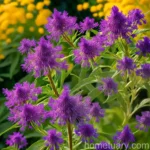
The Iron Butterfly Ironweed is a member of the Vernonia family, known for its striking appearance and robust characteristics. This particular species, Vernonia lettermanii ‘Iron Butterfly’, is a cultivar that has been celebrated for its compact growth habit and prolific flowering. It is cherished for its ability to attract butterflies and other pollinators, adding to its appeal in gardens and natural landscapes.
Key Takeaways – Iron Butterfly Ironweed (Vernonia lettermanii ‘Iron Butterfly’)
Before delving into the specifics of Iron Butterfly Ironweed, let’s highlight some key takeaways about this captivating plant:
- Scientific Name: Vernonia lettermanii ‘Iron Butterfly’
- Common Name: Iron Butterfly Ironweed
- Family: Asteraceae
- Type: Perennial
- Growth Habit: Compact and bushy
- Flower Color: Purple
- Uses: Butterfly and pollinator gardens, naturalistic landscapes, mixed borders
Now, let’s embark on an exploration of the culture, uses, care requirements, and maintenance of Iron Butterfly Ironweed.
Culture of Iron Butterfly Ironweed
When it comes to the culture of Iron Butterfly Ironweed, it’s essential to understand the plant’s native habitat and growth requirements. By emulating its natural environment, gardeners can ensure the successful cultivation and thriving of this remarkable plant.
Water
Iron Butterfly Ironweed exhibits moderate drought tolerance once established, making it suitable for regions with periodic water scarcity. However, during its initial establishment and periods of prolonged drought, regular watering is essential to promote healthy growth and prolific flowering. Adequate moisture levels in the soil help maintain the plant’s vigor and enhance its overall performance.
Sunlight
In its natural habitat, Iron Butterfly Ironweed thrives in full sun to partial shade. When grown in gardens or landscapes, providing ample sunlight is crucial for stimulating flower production and ensuring robust growth. Optimal exposure to sunlight allows the plant to showcase its vibrant purple blooms and maintain its compact form.
Fertilizer
For Iron Butterfly Ironweed, a balanced and moderate application of fertilizer during the growing season can support its nutrient requirements. A slow-release, granular fertilizer formulated for flowering perennials can be incorporated into the soil in spring to provide essential nutrients for healthy growth and abundant flowering. It is important to follow the recommended dilution and application rates to prevent over-fertilization, which can negatively impact the plant’s performance.
Soil
Iron Butterfly Ironweed thrives in well-drained soil with a preference for moderately fertile and moisture-retentive conditions. A loamy or sandy soil with good drainage is ideal for promoting optimal root development and overall plant health. While the plant can adapt to various soil types, ensuring adequate drainage is crucial for preventing waterlogging and root suffocation.
Pruning Iron Butterfly Ironweed
Pruning plays a crucial role in maintaining the attractive appearance and vigor of Iron Butterfly Ironweed. Proper pruning techniques can help manage the plant’s growth, rejuvenate its foliage, and promote prolific flowering.
Pruning Techniques
In late winter or early spring, pruning can be performed to remove any dead or damaged stems and encourage new growth. Additionally, selectively pruning the plant after the first flush of blooms can stimulate the development of new flower buds, prolonging the flowering period and enhancing the plant’s visual appeal.
Propagation of Iron Butterfly Ironweed
The propagation of Iron Butterfly Ironweed can be achieved through various methods, including division, seeds, and cuttings. Each approach offers unique advantages and challenges, allowing gardeners to choose the most suitable method based on their preferences and resources.
Division
Dividing mature clumps of Iron Butterfly Ironweed presents an effective method of propagation, particularly during the plant’s dormant period or early spring. By carefully dividing the root mass into smaller sections and replanting them in suitable locations, gardeners can expand their Iron Butterfly Ironweed population and rejuvenate older clumps to maintain vigorous growth and flowering.
Seeds
The collection and cultivation of Iron Butterfly Ironweed seeds offer an opportunity to propagate new plants with diverse genetic characteristics. Harvesting mature seeds from the plant’s spent flower heads and sowing them in well-prepared seedbeds can yield seedlings that exhibit unique traits and contribute to the plant’s genetic diversity.
Cuttings
Utilizing stem cuttings from healthy, established plants enables gardeners to propagate Iron Butterfly Ironweed with a high degree of accuracy and reliability. By selecting suitable stem segments and providing optimal conditions for root development, cuttings can rapidly generate new plants that closely resemble the parent specimen in terms of appearance and performance.
Iron Butterfly Ironweed in Containers
The compact and bushy growth habit of Iron Butterfly Ironweed makes it well-suited for container cultivation, offering opportunities to integrate the plant into various settings and design themes. When grown in containers, the plant’s versatile nature shines through, allowing it to thrive on patios, balconies, and other confined spaces.
Container Popularity
The popularity of Iron Butterfly Ironweed as a container plant stems from its adaptability, ease of maintenance, and ornamental value. Its compact size and attractive foliage and flowers make it an appealing choice for container gardens, where it can serve as a focal point or complement other plantings with its vibrant presence.
Container Common Diseases
While Iron Butterfly Ironweed is generally resilient to common diseases, certain issues related to container cultivation may arise. Addressing potential diseases and implementing preventive measures can help maintain the plant’s health and vigor in container settings.
Disease Diagnosis
Identifying and diagnosing diseases affecting Iron Butterfly Ironweed in containers requires careful observation and prompt intervention. Common issues such as root rot, powdery mildew, and leaf spot diseases can impact the plant’s overall vitality and necessitate targeted management strategies.
Common Pests Affecting Iron Butterfly Ironweed
Like many ornamental plants, Iron Butterfly Ironweed may encounter pest infestations that can compromise its aesthetics and vigor. Understanding the potential pests and their management is essential for preserving the plant’s health and visual appeal.
Common Pests
Several common pests may target Iron Butterfly Ironweed, including aphids, spider mites, and caterpillars. These pests can diminish the plant’s vitality by feeding on its foliage and disrupting its growth and flowering patterns.
Pest Management
Implementing integrated pest management (IPM) practices can effectively mitigate pest pressures and maintain the plant’s health without excessive reliance on chemical treatments. Strategies such as regular monitoring, cultural controls, and the targeted application of environmentally friendly pest control products offer sustainable solutions for pest management.
Botanist’s Tips for Iron Butterfly Ironweed Care
As a plant with distinctive characteristics and cultivation requirements, Iron Butterfly Ironweed benefits from specific care practices and considerations that can optimize its performance and ornamental value.
Fun Facts
- The vibrant purple flowers of Iron Butterfly Ironweed attract a diverse array of pollinators, including butterflies and bees, contributing to the ecological significance of the plant.
- The plant’s compact growth habit and profuse flowering make it an excellent choice for small gardens, urban landscapes, and mixed perennial borders.
- Iron Butterfly Ironweed is known for its adaptability to various soil types and its ability to thrive in challenging environmental conditions, including periodic drought and urban pollution.
Links to External Resources
To further expand your knowledge and appreciation of Iron Butterfly Ironweed, consider exploring the following resources:
- The American Horticultural Society Encyclopedia of Plants and Flowers
- The Royal Horticultural Society Gardener’s Encyclopedia of Plants and Flowers
- The Plant Database – Vernonia lettermanii ‘Iron Butterfly’
In conclusion, Iron Butterfly Ironweed (Vernonia lettermanii ‘Iron Butterfly’) stands out as a captivating and resilient perennial plant that contributes to the beauty and biodiversity of gardens and natural landscapes. Its stunning flowers, low-maintenance nature, and ecological value make it a valuable addition to diverse horticultural settings. By embracing the plant’s culture, uses, and care requirements, gardeners can cultivate and appreciate the unique allure of Iron Butterfly Ironweed, enriching their outdoor spaces with its enchanting presence.
By delving into the world of Iron Butterfly Ironweed, we have unveiled its remarkable attributes and the myriad possibilities it offers for horticultural and ecological enrichment. Whether incorporated into butterfly gardens, mixed borders, or container displays, the plant’s charm and adaptability shine through, leaving an indelible impression on all who encounter it in their gardening endeavors.