Ironweed (Vernonia missurica): A Comprehensive Plant Guide
Ironweed (Vernonia missurica) is a striking perennial plant that adds a pop of color and beauty to gardens and natural landscapes. Its vibrant blooms and overall hardiness make it a favorite amongst gardeners and landscapers alike. In this comprehensive plant guide, we will delve into the various aspects of ironweed, from its characteristics and cultivation to its uses and ecological significance.
What is Ironweed (Vernonia missurica)?
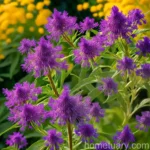
Ironweed, scientifically known as Vernonia missurica, is a herbaceous perennial plant belonging to the family Asteraceae. It is native to North America and is particularly prevalent in the central and eastern regions of the United States. The plant is characterized by its tall, erect stems, lance-shaped leaves, and clusters of vibrant purple flowers that bloom in late summer to early fall.
Key Takeaways – Ironweed (Vernonia missurica)
- Plant Name: Ironweed (Vernonia missurica)
- Plant Family: Asteraceae
- Native Range: Central and eastern regions of the United States
- Flowering Period: Late summer to early fall
- Flower Color: Vibrant purple
- Habitat: Sun-drenched open areas, meadows, and prairies
- Wildlife Attraction: Attracts butterflies, bees, and other pollinators
Now, let’s explore the various aspects associated with cultivating and caring for ironweed, along with its cultural significance and ecological benefits.
Ironweed Culture
Cultivating ironweed can be a rewarding experience for both novice and experienced gardeners. To successfully grow and maintain this stunning plant, it’s essential to understand its preferred growing conditions and care requirements.
Uses
Before delving into the specific care tips for ironweed, it’s important to understand its potential uses and benefits. Ironweed serves multiple purposes, both aesthetic and ecological, making it a valuable addition to gardens and natural landscapes.
-
Aesthetic Uses: Ironweed is often planted in gardens and naturalistic landscapes to add vibrant color and vertical interest. Its tall, elegant stems and striking purple blooms make it a visually appealing choice for floral arrangements and landscape design.
-
Ecological Benefits: From a ecological perspective, ironweed plays an essential role in supporting pollinators and beneficial insects. The nectar-rich flowers attract butterflies, bees, and other pollinators, making it a valuable addition to wildlife gardens and naturalistic landscapes.
Water
Proper watering is crucial for the health and vigor of ironweed plants. While the plant is relatively tolerant of dry conditions once established, it benefits from consistent moisture, especially during the establishment phase.
- Water Requirements: Ironweed prefers moderately moist soil and is relatively drought tolerant once established. During extended dry periods, supplemental watering can help maintain the plant’s vitality and ensure prolific blooms.
Sunlight
Sunlight is a key factor in the successful cultivation of ironweed. Adequate exposure to sunlight is essential for promoting robust growth and profuse flowering.
- Sunlight Requirements: Ironweed thrives in full sun to partial shade. It is best suited for locations with at least six hours of direct sunlight, though it can tolerate some dappled shade, particularly in hotter climates.
Fertilizer
While ironweed is relatively low-maintenance, providing nutrient-rich soil can enhance its overall vigor and blooming capacity.
- Fertilization: A balanced, slow-release fertilizer applied in early spring can help support healthy growth and flowering. In nutrient-poor soils, a light application of a general-purpose fertilizer can provide the necessary nutrients for optimal performance.
Soil
Understanding the soil preferences of ironweed is essential for creating an ideal growing environment for this resilient plant.
-
Soil Type: Ironweed thrives in well-draining, loamy soils with a slightly acidic to neutral pH. It is adaptable to a wide range of soil types, including clay, loam, and sandy soils, as long as they are well-draining.
-
Soil Moisture: While the plant prefers moderately moist soil, it is crucial to avoid waterlogged conditions, as excessive moisture can lead to root rot and other detrimental issues.
Pruning
Proper pruning not only maintains the plant’s shape and appearance but also encourages a more compact growth habit and promotes abundant flowering.
- Pruning Guidelines: In late winter or early spring, prune any dead or damaged stems to encourage new growth. Additionally, deadheading the spent flowers can extend the blooming period and prevent self-seeding, especially in garden settings.
Propagation
Ironweed can be propagated through several methods, including seeds, division, and stem cuttings. Each propagation method offers unique advantages and challenges, allowing gardeners to choose the most suitable approach based on their preferences and available resources.
Seed Propagation
Growing ironweed from seeds is a straightforward and cost-effective method of propagation. The following steps outline the process of seed propagation for ironweed:
-
Seed Collection: Collect mature seeds from existing ironweed plants in the late summer or early fall when the seed heads have dried and turned brown.
-
Seed Preparation: Remove the seeds from the seed heads and store them in a cool, dry location until ready for sowing.
-
Sowing Seeds: In the late fall or early winter, sow the seeds in prepared seed beds or containers, lightly covering them with soil.
-
Germination: Keep the soil consistently moist and provide adequate sunlight for germination, which typically occurs within 2-3 weeks.
Division
Dividing established ironweed plants is an effective way to propagate and rejuvenate the plants. The following steps outline the division process:
-
Established Plants: Choose established ironweed plants with multiple stems and a healthy root system for division.
-
Spring Division: In early spring, carefully dig up the plant, ensuring that the root mass remains intact.
-
Separation: Gently separate the plant into sections, ensuring that each division has a sufficient root system and several healthy stems.
-
Transplanting: Replant the divisions in prepared soil, ensuring that they are watered adequately to promote establishment.
Stem Cuttings
While less common than seed propagation and division, stem cuttings can be used to propagate ironweed and create new plants with identical genetic traits to the parent plant.
-
Cutting Selection: Select healthy, non-flowering stems for the cuttings, typically in the late spring or early summer.
-
Cutting Preparation: Take 4-6 inch cuttings from the selected stems, ensuring that each cutting has at least two nodes.
-
Rooting Medium: Prepare a well-draining rooting medium such as perlite or coarse sand for the cuttings.
-
Rooting Process: Plant the cuttings in the rooting medium and keep them consistently moist while providing indirect sunlight. Rooting typically occurs within 4-6 weeks.
Container Popularity
The adaptability of ironweed makes it a suitable candidate for container gardening, allowing individuals with limited garden space to enjoy its beauty.
-
Container Selection: Choose a large, sturdy container with adequate drainage holes to accommodate the plant’s robust root system. A 14- to 16-inch diameter container is usually sufficient for a single ironweed plant.
-
Growing Medium: Use a well-draining potting mix with a combination of peat moss, perlite, and compost to provide the necessary support and nutrients for the plant.
-
Care Considerations: Ensure that the container-grown ironweed receives sufficient sunlight and regular watering to maintain optimal growth. Additionally, occasional fertilization can support its performance in a container environment.
Common Diseases
While ironweed is relatively resistant to most diseases and pests, it may occasionally encounter certain issues that can impact its health and appearance.
Disease Diagnosis
Understanding the common diseases affecting ironweed is essential for implementing timely and effective management strategies.
-
Powdery Mildew: Powdery mildew can affect ironweed, especially in humid conditions. It presents as a powdery white coating on the leaves and stems, potentially compromising the plant’s vigor and aesthetics.
-
Preventive Measures: Ensure proper air circulation around the plants and avoid overhead watering to minimize the risk of powdery mildew. Fungicidal treatments may be necessary in severe cases.
-
Root Rot: Excessive soil moisture can lead to root rot, causing wilting, yellowing foliage, and stunted growth.
-
Preventive Measures: Ensure well-draining soil and avoid overwatering to prevent the onset of root rot. When detected early, reducing watering and improving soil drainage can aid in the recovery of affected plants.
Common Pests
Ironweed is relatively resistant to pest infestations; however, it can occasionally encounter certain insects that may cause damage to its foliage and overall health.
-
Aphids: Aphids are small, sap-sucking insects that may cluster on the new growth and underside of leaves, causing stunted growth and distortion of the foliage.
-
Control Measures: Introducing natural predators such as ladybugs and lacewings can help control aphid populations. Additionally, a strong blast of water can dislodge aphids from the plant, reducing their numbers.
-
Spider Mites: Spider mites are tiny arachnids that feed on the plant’s sap, causing yellowing, stippling, and webbing on the leaves.
-
Control Measures: Regularly spraying the plant with a forceful stream of water can help reduce spider mite infestations. In severe cases, insecticidal soaps or horticultural oils may be necessary.
Botanist’s Tips
As a botanist, I have gathered valuable insights into the cultivation and care of ironweed based on my experience and research. Here are some expert tips to ensure the successful growth and maintenance of ironweed plants:
-
Provide Adequate Space: When planting ironweed in garden settings, ensure that each plant has sufficient space to accommodate its mature size, preventing overcrowding and competition for resources.
-
Support Wildlife: Embrace the ecological significance of ironweed by creating pollinator-friendly habitats and wildlife gardens. By supporting beneficial insects and wildlife, you can enhance the overall biodiversity of your garden.
-
Monitor Moisture Levels: While ironweed tolerates drought conditions once established, it thrives with consistent moisture, especially during periods of extreme heat and dryness. Regularly monitor soil moisture and adjust watering as needed.
Fun Facts
Before we delve into the wider ecological and cultural significance of ironweed, let’s explore some fascinating and lesser-known facts about this captivating plant:
-
Native American Uses: Indigenous tribes in North America utilized ironweed for various medicinal purposes, including treating fever, dysentery, and stomach ailments.
-
Pollinator Magnet: Ironweed’s vibrant purple blooms are highly attractive to a diverse array of pollinators, making it a critical resource for supporting local insect populations.
-
Erosion Control: In addition to its ornamental value, ironweed’s deep root system aids in stabilizing soil and preventing erosion, making it a valuable addition to naturalistic landscapes.
Now that we’ve covered the essential aspects of ironweed, let’s explore some external resources for further information and in-depth understanding of the plant.
Links to External Resources
External resources can provide valuable insights, research findings, and practical tips for individuals interested in delving deeper into the world of ironweed cultivation and ecological significance. Below are some reputable sources that offer comprehensive information on ironweed:
By exploring the information available through these resources, enthusiasts and professionals alike can gather a comprehensive understanding of ironweed, from its ecological importance to its practical uses in horticulture and landscaping.
In conclusion, ironweed (Vernonia missurica) stands as a testament to the beauty and resilience of native plants, serving as an essential component of natural ecosystems and a captivating addition to cultivated landscapes. By understanding its characteristics, cultivation requirements, and ecological benefits, individuals can appreciate and contribute to the conservation of this remarkable plant, further enriching their garden and local environment. Whether adorning prairies or enhancing garden spaces, ironweed continues to inspire and support diverse forms of life, solidifying its place as a cherished botanical gem.
The comprehensive information provided in this guide aims to equip readers with the knowledge and inspiration to engage with ironweed in various settings, promoting its conservation and appreciation for generations to come.