Wild Bergamot (Monarda ‘Peter’s Purple’): A Plant Scientist’s Guide
What is Wild Bergamot (Monarda ‘Peter’s Purple’)?
Wild bergamot, scientifically known as Monarda ‘Peter’s Purple’, is a delightful herbaceous perennial plant that belongs to the mint family, Lamiaceae. The species is native to North America and is known for its captivating blooms, aromatic foliage, and various traditional uses. One of its common names, wild bergamot, refers to the similarity of its fragrance to that of the bergamot orange, often used in Earl Grey tea. This distinct plant has been a favorite among gardeners and plant enthusiasts alike due to its ornamental value and ecological importance.
Key Takeaways – Wild Bergamot (Monarda ‘Peter’s Purple’)
Before delving deeper into the cultivation and characteristics of wild bergamot, let’s explore some key takeaways regarding this fascinating plant:
- Botanical Name: Monarda ‘Peter’s Purple’
- Alternate Names: Wild bergamot Monarda ‘Peter’s Purple’, Peter’s Purple wild bergamot, Monarda didyma ‘Peter’s Purple’
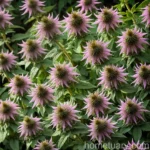
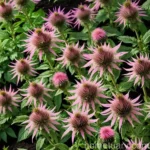
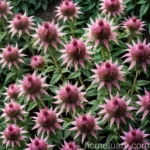
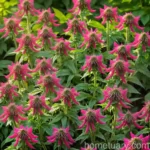
- Characteristics: Vivid purple flowers, aromatic foliage, attractive to pollinators
- Cultivation Uses: Ornamental gardening, herbal and medicinal purposes
- Habitat: Native to North America
- Maintenance: Moderate upkeep, good resistance to pests and diseases
- Sunlight and Water: Prefers full sun to partial shade, moderate water requirements
- Growing Season: Typically blooms in summer
- Propagation: Can be propagated via division or seeds
- Disease Resistance: Resilient against common plant diseases
In this comprehensive guide, we will explore the various aspects of cultivating and caring for wild bergamot, encompassing its cultural requirements, uses, and insightful tips for plant enthusiasts and gardening aficionados.
Culture
Uses
Wild bergamot is a versatile plant that offers a myriad of uses, from horticultural and ornamental purposes to culinary and traditional herbal applications. Understanding the diverse uses of this plant can provide valuable insights for both gardening and practical applications.
Ornamental Gardening
One of the primary uses of Monarda ‘Peter’s Purple’ revolves around its ornamental appeal. With its vibrant purple blooms and aromatic foliage, it serves as an attractive addition to gardens, borders, and naturalistic landscapes. Its ability to attract pollinators, such as bees, butterflies, and hummingbirds, further enhances its appeal in ornamental gardening.
Herbal and Medicinal Applications
In addition to its visual allure, wild bergamot possesses a rich history of herbal and medicinal uses. The plant contains essential oils with aromatic and therapeutic properties, making it an ideal candidate for herbal remedies and traditional medicine. The leaves and flowers of wild bergamot can be used to prepare teas, infusions, and tinctures, offering potential health benefits such as alleviating cold symptoms, soothing sore throats, and aiding in digestive health.
Water
Wild bergamot typically thrives in well-drained soil and has moderate water requirements. It is essential to maintain consistent moisture levels in the soil, especially during the initial establishment phase and periods of prolonged dryness. However, proper drainage is crucial to prevent waterlogging, which can lead to root rot and other water-related issues.
Sunlight
Monarda ‘Peter’s Purple’ prefers full sun to partial shade for optimal growth and flowering. Adequate sunlight exposure is crucial for the plant’s overall vigor, flower production, and resistance to certain diseases. When selecting a planting location for wild bergamot, it is advisable to choose a spot that receives ample sunlight throughout the day, particularly in the morning and early afternoon.
Fertilizer
When it comes to fertilizing wild bergamot, a balanced application of organic or slow-release fertilizers can promote healthy growth and flowering. Incorporating a layer of compost or organic mulch around the plant’s base can contribute to soil fertility and moisture retention. It is essential to avoid excessive fertilization, as this can lead to lush foliage at the expense of flower production.
Soil
Wild bergamot thrives in well-drained, fertile soil with a slightly acidic to neutral pH range. The plant demonstrates good adaptability to various soil types, including loamy, sandy, or clay soils, provided that adequate drainage is maintained. Amending the soil with organic matter before planting can enhance its nutrient content and structure, fostering an ideal growing environment for the wild bergamot.
Pruning
Pruning plays a vital role in maintaining the health, aesthetics, and longevity of wild bergamot plants. Regular deadheading of faded flowers can prolong the blooming period and prevent the plant from expending energy on seed production. Additionally, the removal of diseased or damaged foliage can help minimize the risk of fungal infections and maintain the plant’s overall vitality. Pruning should be conducted in a manner that promotes airflow and reduces potential congestion within the plant canopy.
Propagation
Wild bergamot can be propagated through several methods, including division, seed sowing, and stem cuttings. Each propagation technique offers unique advantages and considerations, allowing for flexibility in expanding and sharing the plant within a garden or landscape.
Division
Dividing established clumps of wild bergamot can rejuvenate the plant, increase its population, and enhance its overall vigor. This method is best performed in early spring or autumn, when the plant is not in active bloom. By carefully dividing the root ball into sections and replanting them in suitable locations, gardeners can propagate new instances of wild bergamot while maintaining the genetic integrity of the parent plant.
Seed Sowing
Growing wild bergamot from seeds provides an opportunity to introduce genetic diversity and adaptability within the plant population. To successfully propagate the plant from seeds, it is advisable to collect mature seed heads in late summer or fall and sow the seeds in prepared soil. Adequate moisture and warmth are essential for seed germination, and the resulting seedlings can be transplanted to desired locations once they have developed sufficient size and root establishment.
Stem Cuttings
Utilizing stem cuttings is another viable method for propagating wild bergamot, particularly for preserving specific cultivars or characteristics. Selecting healthy, non-flowering stems and rooting them in a suitable growing medium can yield new plants with qualities identical to the parent. Rooting hormone application and proper environmental conditions can enhance the success rate of stem cuttings as a propagation technique.
Container Popularity
Wild bergamot exhibits favorable characteristics for container gardening, making it a popular choice among enthusiasts seeking to cultivate plants in confined spaces or controlled environments. The plant’s compact growth habit, ornamental appeal, and adaptability to container culture contribute to its popularity in horticulture and urban gardening settings.
Container Common Diseases
When cultivating wild bergamot in containers, it is important to be mindful of potential diseases that can affect the plant in this specific context. Common container-related diseases, such as root rot, fungal infections, and nutrient deficiencies, can impact the health and vitality of wild bergamot if proper precautions and care practices are not observed.
Disease Diagnosis
Diagnosing and managing diseases in wild bergamot are essential aspects of plant care, particularly in maintaining the plant’s vigor and longevity. By recognizing common diseases and symptoms, such as powdery mildew, leaf spot, and root rot, gardeners can implement appropriate preventive measures and treatments to mitigate the impact of these ailments on the plant’s overall well-being.
Common Pests
While wild bergamot demonstrates good resilience against many common pests, it may still be susceptible to certain insect nuisances that can affect its growth and appearance. Identifying and addressing potential pest issues, such as aphids, spider mites, and caterpillars, can help safeguard the plant from undue stress and damage.
Botanist’s Tips
As a plant scientist with a keen interest in wild bergamot and its cultivation, I offer the following tips and insights derived from my experience and research, aimed at enhancing the success and enjoyment of growing this captivating plant:
-
Adequate Spacing: When planting wild bergamot, provide sufficient spacing between individual specimens to facilitate airflow and reduce the risk of foliar diseases. Proper spacing can also prevent crowding and competition for resources among neighboring plants.
-
Pollinator Support: Embrace the plant’s role as a pollinator attractant by incorporating it into wildlife-friendly and pollinator gardens. The nectar-rich flowers of wild bergamot are particularly appealing to bees, butterflies, and other beneficial insects, contributing to the ecological diversity and balance within the garden or landscape.
-
Mulching Benefits: Application of organic mulch around the base of wild bergamot can confer multiple benefits, including moisture retention, weed suppression, and soil insulation. Mulching also adds a visual and textural element to the planting area, enhancing the overall appeal of the landscape.
-
Companion Planting: Explore the concept of companion planting to complement wild bergamot with compatible species that offer mutual benefits. Selecting suitable companion plants can enhance biodiversity, pest management, and overall garden productivity while promoting a harmonious and aesthetically pleasing plant community.
-
Seasonal Maintenance: Incorporate seasonal maintenance practices, such as late winter pruning and early spring fertilization, to uphold the health and vitality of wild bergamot. Monitoring the plant’s condition throughout the growing season allows for timely interventions and adjustments to optimize its performance and resilience.
-
Diverse Uses: Emphasize the multifaceted uses of wild bergamot, ranging from its ornamental allure to its herbal, culinary, and ecological significance. By appreciating the diverse roles and values of this plant, enthusiasts can cultivate a deeper connection with the natural world and explore innovative applications in various contexts.
Fun Facts
If you’re intrigued by the allure of wild bergamot, consider these engaging fun facts that shed light on the plant’s captivating nature and ecological contributions:
- Wild bergamot is also known as bee balm, referencing its attraction to bees and its historical use as a soothing balm for insect bites and stings.
- The aromatic foliage of wild bergamot contains essential oils that emit a delightful citrusy scent, reminiscent of the renowned bergamot orange.
- Several Native American tribes utilized wild bergamot for medicinal and culinary purposes, recognizing its value as a versatile plant with diverse applications.
- Cultivating wild bergamot as part of a wildlife garden or naturalistic landscape can contribute to the conservation of native pollinators and the preservation of biodiversity.
Links to External Resources
To further enrich your understanding of wild bergamot and its cultivation, I recommend exploring the following reputable external resources:
- Monarda ‘Peter’s Purple’ – Missouri Botanical Garden
- Wild Bergamot – University of Wisconsin-Madison Extension
- Gardening with Bee Balm – The Ohio State University Extension
These resources offer a wealth of information on plant characteristics, cultivation guidelines, and ecological significance, providing valuable insights for both novice and seasoned enthusiasts. By tapping into these authoritative sources, you can broaden your knowledge and appreciation of wild bergamot and its botanical wonders.
In conclusion, the cultivation and appreciation of wild bergamot, encapsulated by the captivating Monarda ‘Peter’s Purple’, encompass a rich tapestry of horticultural, ecological, and cultural dimensions. From its vibrant blooms and fragrant foliage to its diverse uses and ecological contributions, this remarkable plant invites us to delve into a world of botanical marvels and practical applications. By embracing the insights and recommendations presented in this guide, you can embark on a rewarding journey of growing, discovering, and celebrating the enchanting allure of wild bergamot in your own garden or landscape.
As you embark on your botanical adventures, may the vibrant hues and aromatic allure of wild bergamot serve as an enduring source of inspiration and delight, fostering a deeper connection with the natural world and the enchanting realm of horticulture.