Plant Scientist’s Guide: Anise Hyssop (Agastache foeniculum)
As a plant scientist, I am excited to share with you the fascinating world of Anise Hyssop (Agastache foeniculum), a perennial herb known for its aromatic leaves and beautiful spikes of lavender flowers. In this comprehensive guide, we will explore the cultural requirements, uses, propagation methods, common diseases, and botanist’s tips for successfully growing and enjoying Anise Hyssop in your garden or landscape.
What is Anise Hyssop (Agastache foeniculum)?
Anise Hyssop, scientifically known as Agastache foeniculum, is a member of the Lamiaceae family, which includes numerous aromatic herbs such as mint, basil, and sage. This herbaceous perennial is native to North America and is also commonly referred to as Blue Giant Hyssop, Fragrant Giant Hyssop, Lavender Hyssop, or Licorice Mint due to the distinctive aroma of its leaves and flowers.
Key Takeaways – Anise Hyssop (Agastache foeniculum)
Before delving into the various aspects of cultivating Anise Hyssop, let’s highlight some key takeaways related to this remarkable plant.
- Scientific Name: Agastache foeniculum
- Common Names: Anise Hyssop, Blue Giant Hyssop, Fragrant Giant Hyssop, Lavender Hyssop, Licorice Mint
- Plant Type: Perennial Herb
- Fragrance: Aromatic leaves and flowers with a sweet, licorice-like scent
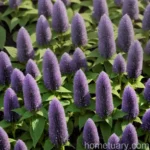
- Flower Color: Lavender to purple spikes of tubular flowers
- Uses: Culinary herb, medicinal plant, ornamental flowering herb
- Wildlife Attraction: Attracts pollinators such as bees, butterflies, and hummingbirds
- Native Habitat: North America
- Water Needs: Moderate
- Sunlight: Full sun to partial shade
- Soil Requirements: Well-draining, fertile soil
- Hardiness Zones: 4-9
Now that we have a broad overview of Anise Hyssop, let’s delve into its cultural requirements, uses, propagation methods, and more.
Culture
Proper cultural practices are essential for the successful growth and development of Anise Hyssop. Understanding its water, sunlight, soil, and fertilizer requirements will contribute to a thriving and robust plant.
Water
Anise Hyssop prefers moderate moisture levels and well-draining soil. While it is not particularly drought-tolerant, it is important to avoid overwatering, especially in heavy or poorly drained soils. During the establishment phase, regular watering is crucial to help the plant develop a strong root system. Once established, occasional deep watering during dry periods will suffice.
Sunlight
For optimal growth and flowering, Anise Hyssop thrives in full sun to partial shade. A minimum of 6 hours of direct sunlight per day is recommended. In regions with hot summers, providing some afternoon shade can be beneficial, especially to prevent the soil from drying out too quickly.
Fertilizer
Anise Hyssop generally does not require heavy fertilization. In fertile garden soil, it can thrive without the need for additional fertilizers. However, if the soil is poor or if the plant shows signs of nutrient deficiencies such as pale leaves or stunted growth, a light application of balanced, slow-release fertilizer in early spring can be beneficial.
Soil
The ideal soil conditions for Anise Hyssop include well-draining, loamy soil with good fertility. A slightly alkaline to neutral soil pH in the range of 6.5-7.5 is suitable for this perennial herb. Amending heavy or clay soils with organic matter such as compost or well-rotted manure can improve drainage and soil structure, creating a more favorable environment for the plant’s roots.
Uses
Anise Hyssop is a versatile plant with a wide range of uses, making it a valuable addition to home gardens, herb gardens, and natural landscapes. From culinary applications to medicinal qualities and its ornamental appeal, Anise Hyssop offers various benefits and uses.
Culinary Uses
One of the distinctive features of Anise Hyssop is its aromatic leaves and flowers, which possess a sweet, licorice-like flavor. The fresh or dried leaves can be used as a flavorful herb in culinary creations, adding a unique and subtle anise flavor to dishes. Here are some popular culinary uses of Anise Hyssop:
- Fresh or dried leaves in salads, fruit salads, and green smoothies
- Herbal teas and infusions for a soothing and aromatic beverage
- Desserts such as ice creams, sorbets, and fruit-based desserts
- Jams, jellies, and preserves for a hint of anise flavor
- Seasoning for fish, poultry, and lamb dishes
Medicinal Uses
In addition to its culinary appeal, Anise Hyssop has been traditionally used for its medicinal properties. The leaves and flowers contain essential oils and bioactive compounds that contribute to its potential health benefits. While it is important to consult a healthcare professional before using any plant-based remedies, Anise Hyssop is associated with the following medicinal uses:
- Digestive Aid: Anise Hyssop has been used to alleviate minor digestive discomfort and bloating.
- Respiratory Support: The herb has been included in herbal respiratory blends to support overall respiratory health and comfort.
- Relaxing Tea: Anise Hyssop tea is appreciated for its calming and relaxing properties, often used as a bedtime tea.
Ornamental Uses
Beyond its practical uses, Anise Hyssop is valued for its ornamental qualities. The showy lavender flowers attract pollinators, making it a delightful addition to pollinator gardens and wildlife habitats. Furthermore, its aromatic foliage and pleasing form contribute to its ornamental appeal in various garden settings.
Pruning
Pruning Anise Hyssop is an important aspect of its maintenance, contributing to a compact and bushy growth habit, as well as encouraging continuous flowering. Understanding the appropriate timing and techniques for pruning this perennial herb is essential for its overall appearance and health.
Timing
Pruning Anise Hyssop can be carried out during the growing season to manage its growth and appearance. Early spring, just before new growth emerges, is an ideal time for rejuvenating the plant by removing any winter-damaged or dead stems. Additionally, deadheading spent flowers throughout the blooming period can prolong flowering and encourage new blooms.
Techniques
When pruning Anise Hyssop, it is recommended to use clean and sharp garden pruners to make precise cuts. Here are some key pruning techniques for Anise Hyssop:
- Rejuvenation Pruning: In early spring, cut back the entire plant to within a few inches of the ground to promote vigorous new growth and flowering.
- Deadheading: Regular removal of spent flowers by cutting back to a healthy set of leaves or stems encourages continuous blooming and prevents self-seeding.
Proper pruning can contribute to a neat and compact growth habit, reduce the risk of disease, and promote a lush and floriferous plant.
Propagation
Propagating Anise Hyssop can be an enjoyable and rewarding process, allowing the expansion of your plant collection or the sharing of this delightful herb with fellow gardening enthusiasts. The following methods can be used to propagate Anise Hyssop successfully.
Seed Propagation
Growing Anise Hyssop from seeds is a straightforward and inexpensive method of propagation. The following steps outline the process of seed propagation for Anise Hyssop:
-
Harvest ripe seeds: Allow the flowers to fully mature and develop seeds. Harvest the seeds by gently rubbing the dried flower heads or by lightly shaking them over a container to collect the tiny seeds.
-
Prepare the seed-starting mix: Fill trays or small pots with a well-draining seed-starting mix, and moisten the soil.
-
Sow the seeds: Sprinkle the Anise Hyssop seeds lightly and evenly on the surface of the moistened seed-starting mix. Press the seeds lightly into the soil or cover them with a thin layer of vermiculite.
-
Provide bottom heat: To enhance germination, place the seed trays or pots on a propagation heat mat set to around 70°F (21°C) to 75°F (24°C) to encourage seedling emergence.
-
Maintain moisture: Keep the seed-starting mix consistently moist but not waterlogged. A clear plastic dome or plastic wrap can be used to cover the trays or pots until germination occurs.
-
Transplant seedlings: Once the seedlings have developed several sets of true leaves, they can be transplanted into individual pots to continue their growth until they are ready to be planted in the garden.
Division
Dividing mature Anise Hyssop plants is a reliable method of propagation that allows you to create new plants from established ones. This method is best carried out in early spring or early fall when the plant is not in active growth or under stress. Here’s how to divide Anise Hyssop:
-
Choose a healthy and vigorous plant: Select a mature Anise Hyssop plant with well-developed stems and a robust root system for division.
-
Prepare the plant: Water the plant a day before dividing it to ensure that it is adequately hydrated. Gently dig up the plant, taking care to preserve the root system.
-
Divide the plant: Using a sharp garden spade or knife, divide the plant into sections, ensuring that each division has a good portion of roots and several stems.
-
Replant divisions: Plant each division in a prepared planting hole at the same depth it was previously growing, and backfill with soil. Water thoroughly to settle the soil and provide good moisture for the newly planted divisions.
By sowing seeds or dividing established plants, you can propagate Anise Hyssop and expand your garden or share this delightful herb with others.
Container Popularity
Anise Hyssop’s compact growth habit and attractive appearance make it well-suited for container cultivation. Whether you have limited garden space or simply appreciate the convenience and aesthetic appeal of container gardening, growing Anise Hyssop in containers can be a delightful and rewarding experience.
Container Selection
When selecting a container for Anise Hyssop, consider the following criteria to ensure an optimal growing environment for the plant:
- Size: A container with a minimum diameter of 12 inches and a depth of 10-12 inches provides ample space for the plant’s root system to develop and thrive.
- Drainage: Choose a container with drainage holes to prevent waterlogging and ensure proper aeration of the roots.
- Material: Select a durable and weather-resistant material such as terracotta, ceramic, or resin that complements the aesthetics of the plant and provides insulation against temperature fluctuations.
Soil Requirements
Using a high-quality, well-draining potting mix is essential for successful container cultivation of Anise Hyssop. Consider the following soil requirements when preparing the potting mix:
- Well-draining: Use a potting mix that provides good drainage to prevent waterlogging and promote healthy root growth.
- Nutrient-rich: Select a potting mix that is rich in organic matter and provides a good balance of nutrients to support the plant’s growth and development.
- pH level: The potting mix should have a slightly acidic to neutral pH in the range of 6.0-7.0, providing an optimal growing environment for Anise Hyssop.
Sunlight and Watering
Place the container in a location that receives at least 6 hours of direct sunlight each day. Additionally, monitor the plant’s moisture needs and water it thoroughly when the top inch of the potting mix feels dry. Be mindful of the soil moisture levels, especially during hot and dry periods, to ensure the plant remains adequately hydrated.
Care and Maintenance
Container-grown Anise Hyssop may require more frequent watering and fertilization compared to plants grown in the ground. Regularly check the soil moisture levels and provide a balanced, water-soluble fertilizer according to the manufacturer’s instructions to support the plant’s growth and flowering.
Design and Placement
Anise Hyssop in containers can contribute to various garden designs and settings, including herb gardens, patio displays, and mixed container arrangements. Its attractive foliage, fragrant flowers, and potential to attract pollinators make it a valuable addition to container gardens and outdoor living spaces.
By considering the container selection, soil requirements, sunlight, watering needs, and care practices, you can successfully grow Anise Hyssop in containers and enjoy its ornamental and aromatic qualities in various garden settings.
Common Diseases
While Anise Hyssop is generally resilient and not highly susceptible to diseases, it is important to be aware of potential issues that may affect the plant. Recognizing the symptoms, causes, and preventative measures for common diseases can help maintain the health and vigor of Anise Hyssop in the garden.
Powdery Mildew (Erysiphe cichoracearum)
Powdery mildew is a common fungal disease that can affect Anise Hyssop, especially in conditions of high humidity and poor air circulation. Symptoms include a white or grayish powdery growth on the leaves, which can eventually lead to leaf distortion and premature leaf drop.
Prevention and Management
- Provide good air circulation: Avoid overcrowding and spacing plants properly to allow for adequate airflow.
- Water at the base: Water the plant at the base to minimize moisture on the foliage, and water in the morning to allow leaves to dry before evening.
Root Rot (Phytophthora spp., Rhizoctonia spp.)
Root rot can occur in Anise Hyssop when the soil remains consistently waterlogged, leading to the decay of the root system. Symptoms include wilting, yellowing of leaves, and overall decline in the plant’s vigor.
Prevention and Management
- Improve soil drainage: Plant Anise Hyssop in well-draining soil and avoid overwatering, especially in heavy or poorly drained soils.
- Monitor moisture levels: Be mindful of the plant’s water needs and water only when the top inch of soil is dry to the touch.
Botrytis Blight (Botrytis cinerea)
Botrytis blight, or gray mold, can affect Anise Hyssop, particularly in moist and humid conditions. This fungal disease causes a gray, fuzzy mold to develop on flowers, stems, and leaves, leading to the decay of affected plant parts.
Prevention and Management
- Prune for airflow: Use proper pruning techniques to maintain good airflow and prevent the plant from becoming overly dense.
- Remove affected plant parts: Promptly remove and dispose of any plant material showing signs of botrytis blight to prevent the spread of the disease.
By implementing preventative measures and monitoring the plant’s growing conditions, you can minimize the risk of common diseases and maintain the overall health and vigor of Anise Hyssop in the garden.
Disease Diagnosis
Diagnosing diseases in Anise Hyssop involves careful observation of the plant’s symptoms, understanding the environmental conditions, and recognizing potential disease-causing agents. By identifying the signs and understanding the causes of common diseases, you can take appropriate measures to manage and prevent further spread of the issues.
Symptoms
When observing Anise Hyssop for signs of disease, look for the following symptoms that may indicate potential issues:
- Yellowing, browning, or distortion of leaves
- White or gray powdery growth on leaves and stems
- Wilting or drooping of foliage
- Decay of roots and lower stems
- Moldy or decaying plant parts
Environmental Factors
Consider the following environmental factors that may contribute to the development of diseases in Anise Hyssop:
- High humidity and poor air circulation
- Wet and waterlogged soils
- Excessive rainfall or irrigation
- Overcrowding and dense foliage
Diagnosis
When diagnosing diseases in Anise Hyssop, it is important to systematically assess the plant’s symptoms, consider the prevailing environmental conditions, and rule out potential non-disease-related issues such as nutrient deficiencies or physical damage.
Steps for Diagnosis
- Symptom observation: Carefully inspect the plant for any visible symptoms such as discoloration, powdery growth, or wilting.
- Environmental assessment: Evaluate the growing conditions including drainage, humidity levels, and airflow around the plant.
- Comparison with disease guides: Refer to reliable disease identification resources or consult with local agricultural extension services to compare the observed symptoms with known diseases affecting Anise Hyssop.
By thoroughly observing the symptoms, considering the environmental factors, and seeking expert guidance when needed, you can effectively diagnose diseases in Anise Hyssop and take appropriate measures to manage and prevent further spread of the issues.
Common Pests
While Anise Hyssop is generally resistant to many pests due to its aromatic foliage, there are a few common insect pests that may occasionally affect the plant. Understanding the signs of pest infestations and implementing appropriate control measures can help protect the health and vigor of Anise Hyssop in the garden.
Aphids (Aphidoidea)
Aphids are small, soft-bodied insects that may cluster on the tender shoots and flower buds of Anise Hyssop, particularly during the growing season. They feed by piercing the plant and extracting sap, which can lead to distorted growth and yellowing of leaves.
Control Measures
- Pruning: Remove heavily infested plant parts and dispose of them properly.
- Beneficial insects: Encourage natural predators such as ladybugs or lacewings to help control aphid populations.
- Hose down: Use a strong stream of water to dislodge aphids from the plant.
Spider Mites (Tetranychidae)
Spider mites are tiny arachnids that may infest Anise Hyssop, especially in hot and dry conditions. They feed on the plant’s sap, leading to the development of fine webbing and stippling on the leaves.
Control Measures
- Spraying: Apply a targeted spray of insecticidal soap or neem oil to the affected plant parts, ensuring thorough coverage.
- Moisture management: Increase humidity levels around the plant by misting the foliage to discourage spider mite activity.
Whiteflies (Aleyrodidae)
Whiteflies are small, moth-like insects that may congregate on the undersides of Anise Hyssop leaves, where they feed on sap and excrete honeydew, leading to the development of sooty mold.
Control Measures
- Yellow sticky traps: Place yellow sticky traps near the affected plant to trap and monitor whitefly populations.
- Natural predators: Introduce natural enemies such as parasitic wasps or predatory beetles to help control whitefly infestations.
By monitoring the plant for signs of pest activity and implementing targeted control measures, you can effectively manage common pests and protect the health of Anise Hyssop in the garden.
Botanist’s Tips
As a plant scientist, I am pleased to offer some valuable tips and recommendations for successfully growing and enjoying Anise Hyssop in your garden or landscape.
Tip 1: Proper Spacing
When planting Anise Hyssop in the garden, provide adequate spacing between individual plants to allow for good airflow, prevent overcrowding, and minimize the risk of disease development.
Tip 2: Deadheading for Continuous Blooms
Regularly deadhead spent flowers from Anise Hyssop to promote continuous blooming and keep the plant looking tidy throughout the growing season.