Vitis ‘Canadice’ (Fox Grape)
Vitis ‘Canadice’ or Fox Grape is a delightful variety that has captured the interest of grape enthusiasts and farmers alike. In this extensive guide, we.
Vitis ‘Canadice’ or Fox Grape is a delightful variety that has captured the interest of grape enthusiasts and farmers alike. In this extensive guide, we will delve into the various facets of this grape cultivar, including its culture, uses, cultivation requirements, common diseases, pests, and much more. Whether you are a novice gardener or an experienced viticulturist, this article is designed to provide valuable insights into maximizing the potential of Vitis ‘Canadice’.
What is Vitis ‘Canadice’ (Fox Grape)?
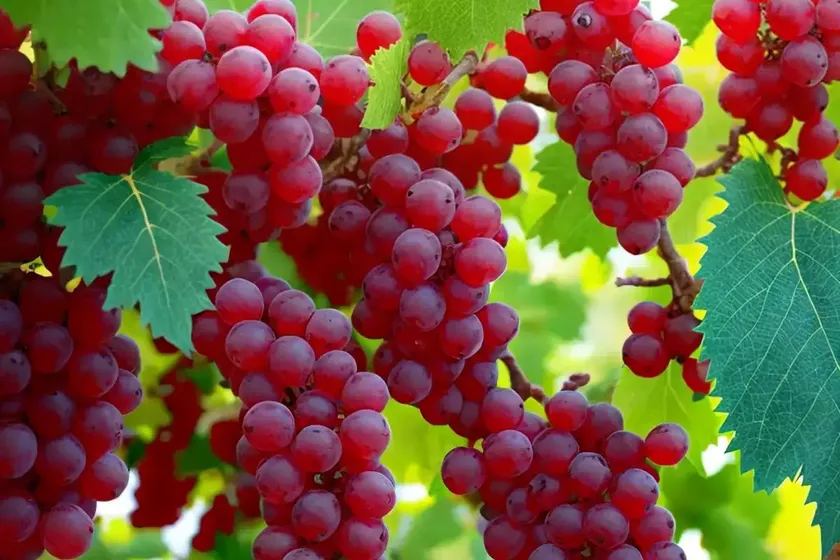
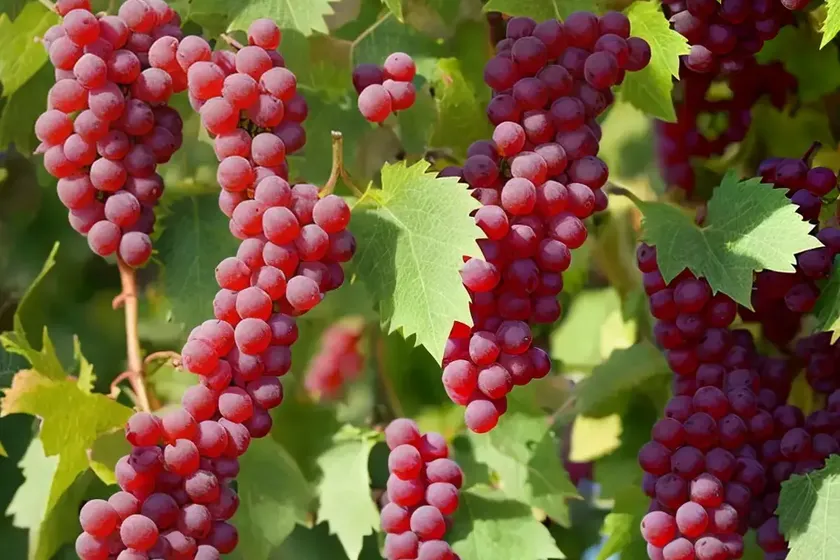
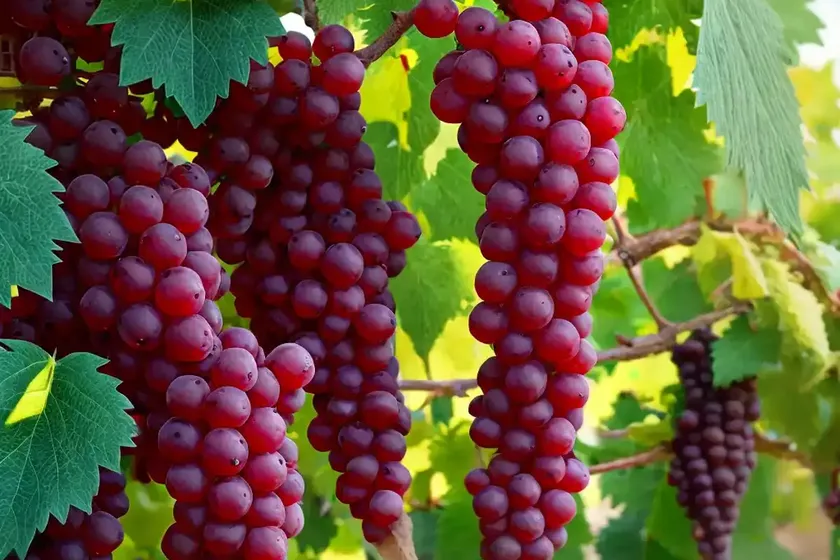
Vitis ‘Canadice’ is a delightful grapevine variety known for its small to medium-sized, red, round berries which are sweet, juicy, and flavorful. This cultivar is classified under the Vitis labrusca species, a native North American grape species, and is often identified as a “fox grape,” a colloquial term used for various Vitis labrusca grapes.
Key Takeaways – Vitis ‘Canadice’ (Fox Grape)
Before we delve deeper, let’s take a brief look at the key takeaways:
- Plant Name: Vitis ‘Canadice’ (Fox Grape)
- Other Names: Grapevine ‘Canadice’, Vitis Labrusca ‘Canadice’, Fox Grape ‘Canadice’, Vitis Canadice variety, ‘Canadice’ grape cultivar, Fox grape species, Vitis Vinifera ‘Canadice’, ‘Canadice’ vineyard grape, Vitis plant variety Canadice, Fox Grapevine ‘Canadice’
- Characteristics: Small to medium-sized red berries, sweet and juicy flavor profile
- Cultivation Tips: Requires adequate sunlight, well-draining soil, proper pruning, and regular watering
- Uses: Suitable for fresh consumption, winemaking, and juice production
- Diseases: Susceptible to powdery mildew, downy mildew, and other common grapevine diseases
- Pests: Prone to attacks from grape phylloxera, grape berry moth, and other pests
- Hardiness Zone: Typically suited for USDA hardiness zones 5-8
- Soil Preferences: Thrives in loamy, well-drained soil with a slightly acidic pH
- Propagation: Can be propagated through hardwood cuttings or layering
- Container Cultivation: Can be grown in containers with adequate support
With these key points in mind, let’s explore the cultivation, care, and management of Vitis ‘Canadice’ in detail.
Culture
Water
When it comes to water requirements, Vitis ‘Canadice’ thrives in moderately moist soil. Adequate watering is essential, especially during the growing season and hot, dry spells. However, it’s crucial to avoid waterlogging as excess moisture can lead to root rot and other detrimental effects.
Sunlight
Vitis ‘Canadice’ plants require ample sunlight to ensure optimal growth and fruit production. Select a planting location that receives at least 6-8 hours of direct sunlight daily. Insufficient sunlight may result in reduced fruit yield and lower sugar content in the berries.
Fertilizer
Proper fertilization is crucial for the vigorous growth of Vitis ‘Canadice’. Prior to planting, it’s advisable to conduct a soil test to determine the nutrient levels and pH. Based on the results, organic compost or well-balanced fertilizer can be applied in early spring. Subsequent applications during the growing season will support the plant’s nutritional needs, promoting healthy foliage and bountiful fruit set.
Soil
The soil type and quality play a significant role in the overall health and productivity of Vitis ‘Canadice’. This grapevine variety thrives in well-draining loamy soil with a slightly acidic to neutral pH range of 6.0-6.5. Optimal soil structure ensures adequate aeration, moisture retention, and root development, thereby contributing to the plant’s vitality.
Pruning
Proper pruning is essential for managing the growth of Vitis ‘Canadice’ and promoting fruit production. Generally, pruning is carried out during the dormant season, typically in late winter or early spring before the buds break. This helps in shaping the vine, removing dead or diseased wood, and enhancing sunlight penetration, all of which contribute to the overall health and yield of the plant.
Propagation
Vitis ‘Canadice’ can be propagated through various methods including hardwood cuttings, layering, and grafting. Hardwood cuttings collected during the dormant season can be treated with rooting hormones and planted in suitable rooting medium to generate new plants. Layering, which involves burying a portion of a stem to encourage root formation, is another effective propagation method. For those with grafting skills, it’s possible to propagate ‘Canadice’ onto rootstock to create new vines with desirable characteristics.
Container Cultivation
For enthusiasts with limited space or those seeking the aesthetic appeal of a grapevine in a container, Vitis ‘Canadice’ can be grown in large pots or containers. It’s important to ensure that the container provides adequate space for root development and stability for the climbing vine. Regular watering and occasional feeding are essential for container-grown plants, and appropriate support, such as a trellis or stake, is necessary to guide the vine’s growth.
Uses
Culinary Use
Vitis ‘Canadice’ grapes are prized for their sweet and juicy flavor, making them an excellent choice for fresh consumption. Whether enjoyed straight from the vine or incorporated into fruit salads and desserts, these delectable grapes add a burst of natural sweetness to various culinary creations.
Winemaking
The high sugar content and delightful flavor profile of ‘Canadice’ grapes make them suitable for winemaking. Whether used as a standalone varietal or blended with other grape varieties, the resulting wine often exudes fruity notes, balanced acidity, and a pleasant finish. Winemakers can experiment with different fermentation techniques and aging processes to craft unique wines that showcase the distinct characteristics of Vitis ‘Canadice’.
Juice Production
The luscious flavor and vibrant color of ‘Canadice’ grapes make them an ideal choice for crafting flavorful grape juice. Whether enjoyed on its own or blended with other fruits, the juice extracted from these grapes offers a refreshing and naturally sweet beverage that’s perfect for all ages.
Common Diseases
Powdery Mildew (Uncinula necator)
Powdery mildew is a prevalent fungal disease that can affect Vitis ‘Canadice’ grapevines, particularly during periods of high humidity and moderate temperatures. The presence of a powdery white growth on leaves, shoots, and berries is indicative of this disease. To mitigate powdery mildew, proactive cultural practices, such as adequate spacing between plants, and the application of fungicidal sprays can be implemented.
Downy Mildew (Plasmopara viticola)
Downy mildew is another fungal disease that can pose a threat to ‘Canadice’ grapevines, particularly in regions with high moisture and cool temperatures. Symptoms include yellow spots on the upper surface of leaves and a whitish downy growth on the undersides. To manage downy mildew, it’s essential to practice good air circulation, remove and destroy infected plant parts, and employ effective fungicidal treatments.
Botrytis Bunch Rot (Botrytis cinerea)
Botrytis bunch rot, commonly known as gray mold, can impact grape clusters, causing them to wither, decay, and develop a gray fuzzy mold. This disease thrives in moderate temperatures and high humidity and can lead to significant losses if left unchecked. Careful cluster management, including proper spacing and removal of affected clusters, coupled with appropriate fungicidal interventions, can help mitigate the impact of Botrytis bunch rot.
Disease Diagnosis
Recognizing Symptoms
Early detection of diseases is crucial for effective management. Regular inspection of leaves, shoots, and fruit clusters is essential to identify any abnormal symptoms such as powdery white growth, yellow spots, or moldy clusters. In addition to visual symptoms, monitoring changes in plant vigor, leaf discoloration, and abnormal growth patterns can aid in early disease diagnosis.
Laboratory Diagnosis
In cases where visual symptoms are inconclusive, or in the event of a suspected pathogen infestation, laboratory diagnosis can provide valuable insights. Leaf and tissue samples can be submitted to diagnostic laboratories for analysis, including pathogen identification, disease severity assessment, and recommendations for targeted treatments.
Common Pests
Grape Phylloxera (Daktulosphaira vitifoliae)
Grape phylloxera, a tiny aphid-like insect, can inflict serious damage to Vitis ‘Canadice’ grapevines. Feeding by phylloxera can lead to the formation of galls on leaves and the roots, ultimately weakening the plant. Rootstocks resistant to grape phylloxera are available and are often used in commercial vineyards to mitigate the impact of this destructive pest.
Grape Berry Moth (Paralobesia viteana)
The grape berry moth, with its larval stage causing damage to grape clusters by feeding on the berries, is a key pest that requires vigilant management. Monitoring moth activity, employing mating disruption techniques, and applying targeted insecticides can help minimize the impact of grape berry moth infestations.
Japanese Beetles (Popillia japonica)
Japanese beetles are known for their voracious appetite for foliage and fruits, posing a threat to Vitis ‘Canadice’ grapevines. These beetles can skeletonize leaves and cause significant defoliation if left uncontrolled. Measures such as handpicking, physical barriers, and targeted insecticide applications can aid in managing Japanese beetle populations.
Botanist’s Tips
Disease-Resistant Varieties
When selecting grapevine varieties for cultivation, it’s beneficial to consider disease-resistant cultivars, particularly if the local climate or environmental conditions are conducive to specific grapevine diseases. Varieties with inherent resistance or tolerance to common grape diseases can significantly reduce the reliance on chemical treatments and contribute to sustainable vineyard management.
Improved Air Circulation
In vineyard or garden settings, ensuring adequate air circulation around grapevines plays a pivotal role in mitigating the risk of fungal diseases. Pruning practices that promote open canopy structure, sufficient spacing between vines, and strategic positioning to harness prevailing winds can aid in reducing humidity levels and minimizing the occurrence of diseases such as powdery mildew and downy mildew.
Monitoring and Record-Keeping
Maintaining detailed records of vineyard observations, including disease symptoms, pest activity, weather patterns, and management interventions, offers valuable insights for future decision-making. Regular monitoring and meticulous record-keeping enable the identification of patterns, trends, and the effectiveness of specific disease and pest management strategies, aiding in informed and proactive vineyard management.
Fun Facts
- Vitis ‘Canadice’ is a hybrid grape variety known for its exceptional flavor and adaptability to a range of growing conditions.
- The name “fox grape” is derived from the distinct musky aroma often associated with grapes of the Vitis labrusca species.
- ‘Canadice’ grapes are often used in the production of rosé wines, contributing to their unique color, aroma, and flavor characteristics.
- The history of ‘Canadice’ grapes can be traced back to the breeding programs aimed at developing cold-hardy grape varieties, making them suitable for cultivation in northern regions.
- The cultivation of ‘Canadice’ grapes is often a harmonious blend of tradition and modern viticultural practices, emphasizing quality and sustainability.
Links to External Resources
For more in-depth information and resources on Vitis ‘Canadice’ (Fox Grape), consider exploring the following links:
- Grapevine Propagation Techniques
- Understanding Grapevine Diseases
- Integrated Pest Management for Vineyards
- Grapevine Pruning Guidelines
- Winemaking with ‘Canadice’ Grapes
- Soil Testing and Management for Grapevines
In conclusion, the cultivation and management of Vitis ‘Canadice’ (Fox Grape) encompass a blend of essential practices including soil preparation, irrigation, disease management, pest control, and cultivation techniques. By incorporating the insights and tips outlined in this comprehensive guide, grape enthusiasts, viticulturists, and gardeners can maximize the potential of this delightful grape variety, leading to bountiful harvests and an appreciation for the rich and diverse world of viticulture.
Whether you’re tending to a backyard grapevine or managing a commercial vineyard, the allure of Vitis ‘Canadice’ lies in its remarkable adaptability, delectable fruits, and the joy of nurturing a plant deeply rooted in tradition and innovation. Remember, the care and attention invested in cultivating these vines often yield sweet rewards, both metaphorically and quite literally, in the form of delicious ‘Canadice’ grapes.
So, whether you raise a glass of ‘Canadice’ wine or delight in the flavors of freshly harvested grapes, may the journey of cultivating Vitis ‘Canadice’ be a fulfilling and enriching experience, celebrating the timeless allure of grape cultivation.
Happy Growing! 🍇🌿


