Vitis Labrusca ‘Niagara’ (Fox Grape)
Vitis labrusca ‘Niagara’, commonly referred to as the Fox Grape, is a fascinating and versatile plant. Known for its luscious fruit and vigorous growth.
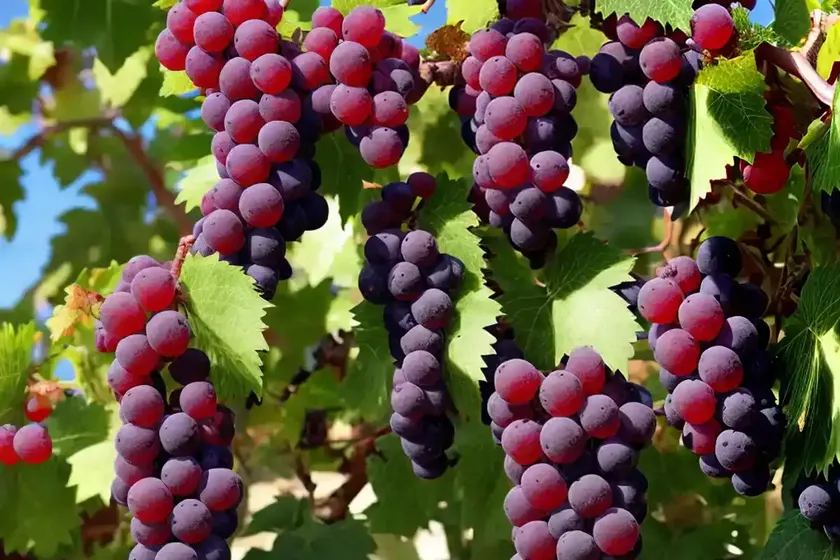
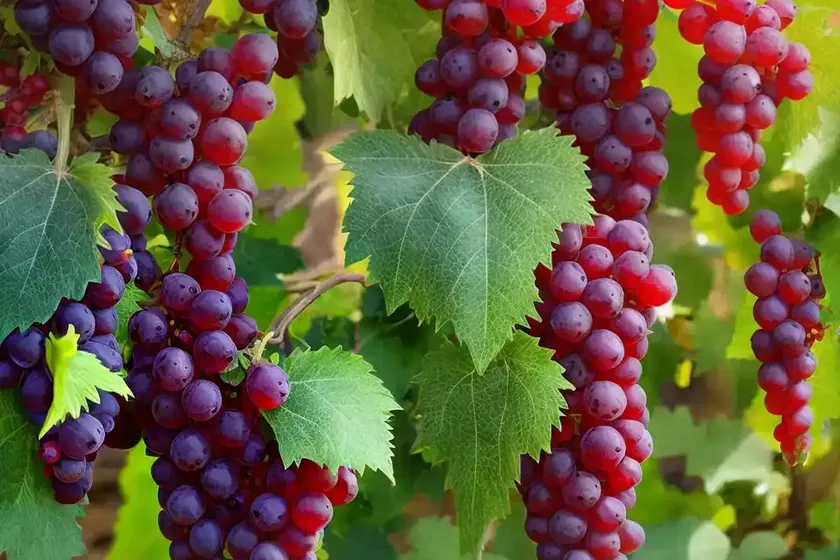
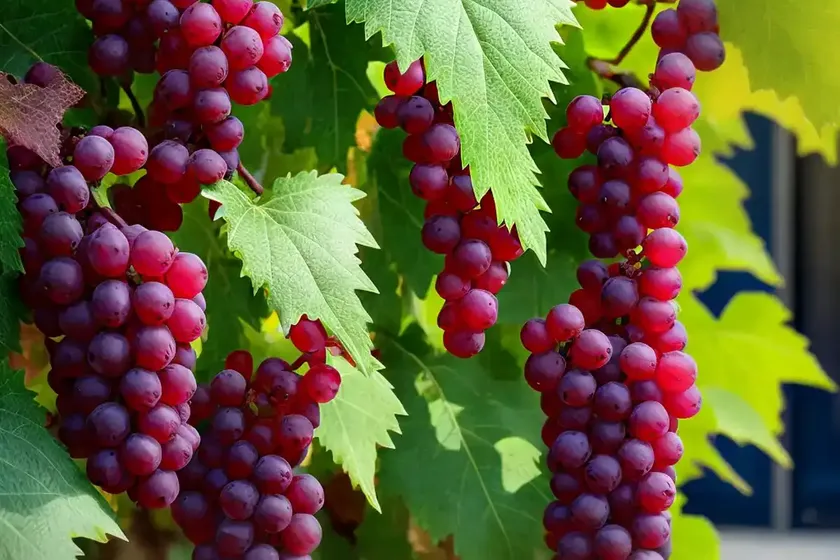
Vitis labrusca ‘Niagara’, commonly referred to as the Fox Grape, is a fascinating and versatile plant. Known for its luscious fruit and vigorous growth, the Fox Grape has captured the interest of gardeners, vineyard owners, and wine enthusiasts alike. In this comprehensive guide, we will delve into all aspects of Vitis labrusca ‘Niagara’ – from its characteristics and care requirements to its culinary uses and potential health benefits. Whether you are a seasoned horticulturist or a novice gardener, this article will provide you with valuable insights and practical tips for cultivating and enjoying the Fox Grape.
Table of Contents
- What is Vitis labrusca ‘Niagara’ (Fox Grape)?
- Key Takeaways
- Vitis labrusca ‘Niagara’ Characteristics
- Growing Vitis labrusca ‘Niagara’
- All about Vitis labrusca ‘Niagara’
- Culture
- Uses
- Water
- Sunlight
- Fertilizer
- Soil
- Pruning
- Propagation
- Container
- Popularity
- Common Diseases
- Disease Diagnosis
- Common Pests
- Botanist’s Tips
- Fun Facts
- Links to External Resources
What is Vitis labrusca ‘Niagara’ (Fox Grape)?
Vitis labrusca ‘Niagara’, commonly known as the Fox Grape, is a cultivar of the species Vitis labrusca, which is native to eastern North America. This deciduous vine is renowned for its large and sweet grapes, making it a popular choice for both commercial vineyards and home gardens. The Fox Grape is also utilized in winemaking, juice production, and the creation of jams and jellies.
The robust nature of Vitis labrusca ‘Niagara’ makes it well-suited for a variety of climates, and its disease resistance adds to its appeal for growers. Whether trellised in a vineyard or container-grown on a patio, the Fox Grape thrives in the right conditions and rewards its cultivators with bountiful harvests.
Key Takeaways
Vitis labrusca ‘Niagara’ Characteristics
- Large, sweet grapes
- Deciduous vine
- Native to eastern North America
- Vigorous growth
Growing Vitis labrusca ‘Niagara’
- Suitable for a variety of climates
- Disease resistant
- Well-suited for commercial vineyards and home gardens
- Utilized in winemaking, juice production, and jams/jellies
All about Vitis labrusca ‘Niagara’
- Renowned for its luscious fruit
- Versatile and adaptable
- Thrives in favorable conditions
Culture
Uses
The Fox Grape, Vitis labrusca ‘Niagara’, serves various purposes, including:
– Fresh fruit consumption
– Winemaking
– Juice production
– Culinary uses (e.g., jams and jellies)
Water
Fox Grape watering needs:
– Regular watering during the growing season
– Adequate moisture is crucial for fruit development
– Avoid waterlogging as it may lead to root rot
– Reduce watering once the fruit has ripened to improve flavor concentration
Sunlight
Sunlight requirements:
– Full sun exposure is ideal for maximum fruit production
– At least 6-8 hours of direct sunlight daily
– Ensure adequate airflow to minimize the risk of diseases, especially in humid climates
Fertilizer
Fertilization tips:
– Conduct a soil test to determine nutrient deficiencies
– Apply a balanced fertilizer in early spring before the growing season
– Consider organic options for sustainable cultivation practices
– Avoid excessive nitrogen to prevent overly vigorous vegetative growth at the expense of fruit production
Soil
Soil preferences:
– Well-draining loamy soil is optimal
– pH range of 5.5-6.5
– Organic matter incorporation improves soil structure and fertility
– Mulching helps retain soil moisture and suppresses weeds
Pruning
Pruning techniques:
– Prune during the dormant season to remove dead or overgrown wood
– Promote airflow and light penetration within the canopy
– Training the vine along a trellis system aids in fruit ripening and disease prevention
– Regular maintenance pruning to manage the vine’s growth and productivity
Propagation
Propagation methods:
– Softwood or hardwood cuttings
– Layering
– Grafting onto suitable rootstocks
– Direct seed sowing is less common due to variability in seedling quality
Container
Container considerations:
– Select large, sturdy containers with adequate drainage
– Regular watering and fertilization are crucial due to limited soil volume
– Prune and train the vine to suit the container’s size and shape
– Overwintering strategies for container-grown vines in colder climates
Popularity
Vitis labrusca ‘Niagara’ has gained popularity due to the following factors:
– Suitable for various climates
– Disease resistance
– Versatile uses
– Well-received in the winemaking industry
Common Diseases
Disease Diagnosis
- Downy mildew (Plasmopara viticola)
- Powdery mildew (Erysiphe necator)
- Black rot (Guignardia bidwellii)
- Phomopsis cane and leaf spot (Phomopsis viticola)
- Botrytis bunch rot (Botrytis cinerea)
- Anthracnose (Elsinoë ampelina)
Common Pests
- Japanese beetles (Popillia japonica)
- Grape berry moths (Paralobesia viteana)
- Grapevine leafhoppers (Erythroneura spp.)
- Spider mites (Tetranychus spp.)
- Grape phylloxera (Daktulosphaira vitifoliae)
- Rose chafers (Macrodactylus subspinosus)
Botanist’s Tips
- Regularly monitor for signs of pests and diseases to facilitate early intervention.
- Prune with precision to maintain an open canopy for improved sunlight exposure and air circulation.
- Adapt cultivation practices based on the specific climatic and soil conditions of the growing region.
- Utilize integrated pest management strategies to minimize reliance on chemical controls.
Fun Facts
- The Fox Grape, Vitis labrusca ‘Niagara’, is a parent of the famous Concord grape variety.
- Native American tribes historically utilized Vitis labrusca for various purposes, including food, medicine, and crafts.
- Thomas Jefferson, the third President of the United States, attempted to cultivate Vitis labrusca ‘Niagara’ at his Monticello estate.
Links to External Resources
For further information on Vitis labrusca ‘Niagara’ and related topics, please refer to the following resources:
1. Vitis International Variety Catalogue
2. University of California Integrated Pest Management Program
3. American Society for Enology and Viticulture
By providing a comprehensive overview of Vitis labrusca ‘Niagara’ (Fox Grape), this guide aims to equip plant enthusiasts and growers with the knowledge and skills necessary to cultivate and enjoy this remarkable vine. Whether you are interested in establishing a vineyard, incorporating it into your landscape design, or simply savoring its delectable fruits, the Fox Grape holds immense potential for horticultural and culinary endeavors. As with any plant, understanding the specific requirements and growth habits of Vitis labrusca ‘Niagara’ is essential for ensuring its vitality and productivity in your chosen setting.
With the insights and care tips presented here, you can embark on a journey of discovery and appreciation for the captivating world of Vitis labrusca ‘Niagara’, a plant that continues to enthrall and inspire both seasoned horticulturists and aspiring gardeners alike.


