Common Grape (Vitis Vinifera)
Grapes have been cultivated for thousands of years, with the common grape (Vitis vinifera) being one of the most widely grown and economically important.
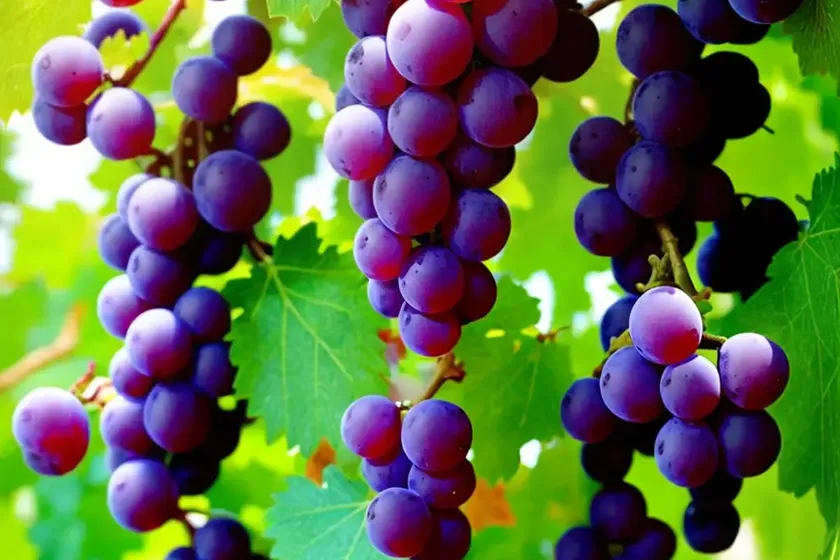
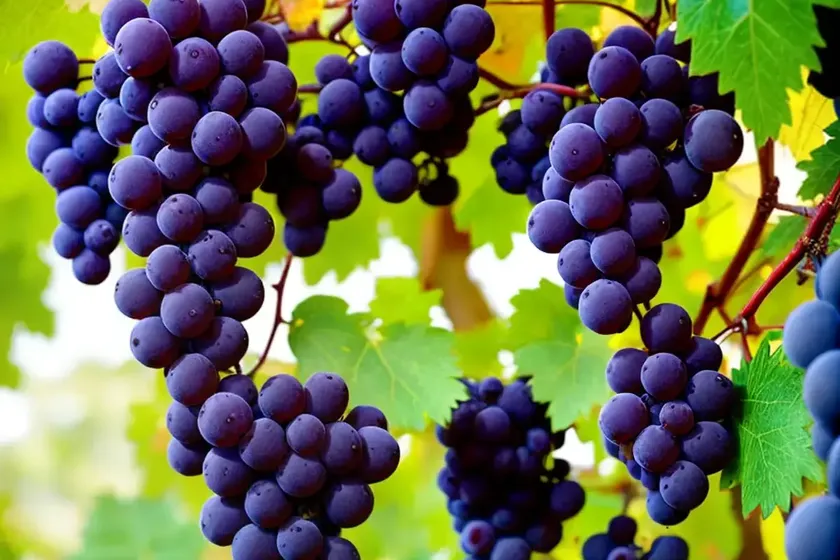
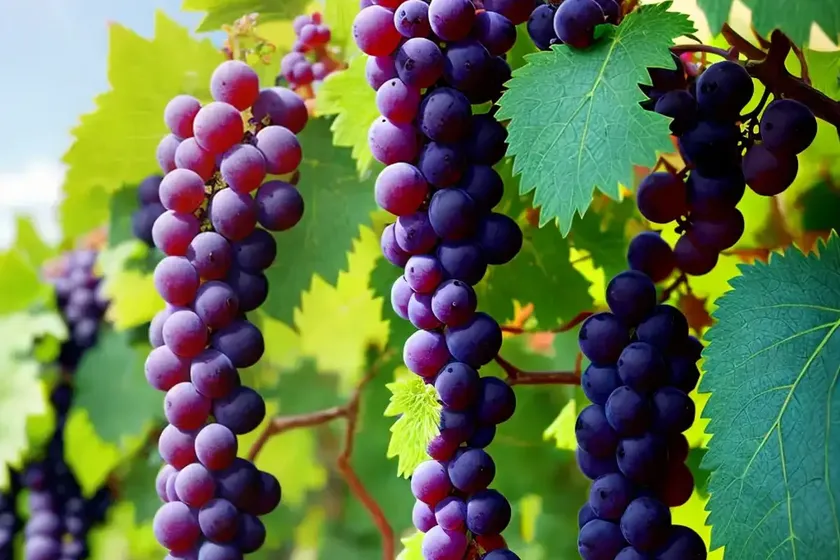
Grapes have been cultivated for thousands of years, with the common grape (Vitis vinifera) being one of the most widely grown and economically important fruit crops in the world. From the cultivation techniques to grapevine maintenance, this comprehensive guide delves into every aspect of growing and caring for Vitis vinifera.
What is Vitis vinifera?
Vitis vinifera, commonly known as the common grape, is a species of grapevine native to the Mediterranean region, Central Europe, and southwestern Asia. It is the primary species used in winemaking and is also cultivated for fresh fruit consumption and dried fruits like raisins.
Key Takeaways – Vitis vinifera
Before delving into the specifics of growing Vitis vinifera, let’s take a look at some key takeaways about this grape plant species:
- Botanical Name: Vitis vinifera
- Common Name: Common Grape
- Native Range: Mediterranean region, Central Europe, and southwestern Asia
- Uses: Wine production, fresh fruit consumption, dried fruit production
- Cultivation: Widely cultivated in various regions across the world
- Characteristics: Varieties with different berry colors, flavors, and uses
- Propagation: Can be propagated through seeds, cuttings, and grafting
- Pests and Diseases: Susceptible to various pests and diseases that require management techniques
- Economic Importance: Significant economic impact in the wine and fruit industries
- Cultural Significance: Historical and cultural importance in various civilizations
Now, let’s delve into the specific aspects of growing and caring for the common grape, covering culture, uses, water, sunlight, fertilizer, soil, pruning, propagation, container cultivation, diseases, and pests.
Culture
Cultivating Vitis vinifera requires an understanding of its specific cultural requirements to ensure optimal growth and fruit production. The cultural practices for grape cultivation encompass various aspects, including planting, training, and canopy management.
Uses
Wine Production
One of the most significant uses of Vitis vinifera is for winemaking. Different varieties of Vitis vinifera are prized for their unique flavors and qualities, contributing to the diversity of wines produced worldwide.
Fresh Fruit Consumption
In addition to winemaking, Vitis vinifera grapes are enjoyed as fresh fruits. With varieties ranging from seeded to seedless and varying in color and taste, these grapes are a popular choice for consumption.
Dried Fruit Production
Certain varieties of Vitis vinifera, such as Thompson Seedless, are specifically cultivated for drying into raisins. The dried fruits find applications in baking, cooking, and snacking.
Water
Proper water management is crucial for the healthy growth and development of Vitis vinifera. Grapes are moderately drought-tolerant once established but require regular irrigation, especially during the growing season and fruit ripening stages.
Sunlight
Grapes thrive in full sunlight, requiring at least 6 to 8 hours of direct sunlight per day for optimal growth and fruit production. Adequate sunlight exposure contributes to sugar accumulation in the berries and overall vine health.
Fertilizer
Fertilization plays a vital role in supplying essential nutrients to grapevines, promoting vigorous growth, and enhancing fruit quality. The specific fertilizer requirements vary depending on soil nutrient levels and vineyard conditions.
Soil
The choice of soil influences grapevine growth and fruit quality. Well-draining soils with moderate fertility and adequate pH levels are preferred for Vitis vinifera cultivation. Soil composition can impact nutrient uptake and water availability for the vines.
Pruning
Pruning is a crucial aspect of grapevine maintenance, influencing fruit yield, quality, and vine structure. Various pruning techniques, such as spur pruning and cane pruning, are employed to manage vine vigor and regulate fruit-bearing wood.
Propagation
Vitis vinifera can be propagated through different methods, including seeds, cuttings, and grafting. Each propagation method has its advantages and considerations, influencing the genetic diversity and vineyard establishment.
Container Cultivation
While traditionally grown in vineyards, Vitis vinifera can also be cultivated in containers, allowing for home gardening and urban cultivation. Container-grown grapes require specific care and maintenance to thrive in a restricted root environment.
Diseases
Grapevines are susceptible to various diseases that can impact vine health and fruit production. Managing grapevine diseases involves preventative measures, disease diagnosis, and targeted treatments to minimize the impact on vineyards.
Disease Diagnosis
Accurately diagnosing grapevine diseases is essential for implementing suitable control measures. Symptoms such as leaf discoloration, fruit rot, and vine dieback can indicate specific diseases, guiding disease management strategies.
Pests
Several pests pose potential threats to Vitis vinifera, ranging from insect pests to mites and other arthropods. Monitoring pest populations and employing integrated pest management (IPM) strategies help mitigate pest damage and reduce the reliance on chemical control methods.
Botanist’s Tips
For successful grape cultivation and management, considering the following botanist’s tips can contribute to the overall health and productivity of Vitis vinifera:
- Site Selection: Choose well-drained, sunny locations for planting grapevines.
- Soil Testing: Conduct soil tests to assess nutrient levels and pH for informed fertilization.
- Pruning Practices: Follow recommended pruning techniques to balance vine vigor and fruit production.
- Pest Monitoring: Regularly monitor vineyards for signs of pests and diseases to initiate timely management.
- Water Management: Implement efficient irrigation practices to meet grapevine water requirements without waterlogging the soil.
Fun Facts
- The cultivation of Vitis vinifera dates back to ancient civilizations, with evidence of grape domestication in regions such as Mesopotamia and Egypt.
- Different Vitis vinifera varieties exhibit an array of flavors, colors, and uses, contributing to the diversity of grape products.
- Grapevines have been immortalized in mythology and cultural traditions, symbolizing abundance, fertility, and divine attributes in various societies.
Links to External Resources
For additional information on grapevine cultivation, maintenance, and disease management, the following external resources provide valuable insights and recommendations:
- Grapevine Diseases: A Guide for Viticulturists
- Grape Pest Management Guidelines
- Vine Pruning Techniques for Grapevines
- Grapevine Propagation and Grafting Methods
- Grapevine Nutrition Management for Sustainable Cultivation
In conclusion, the cultivation of Vitis vinifera encompasses a myriad of practices, from addressing its cultural requirements to managing pests and diseases. Understanding the intricacies of grapevine care and implementing best practices are essential for ensuring the success of grape cultivation and the production of high-quality grapes for various purposes.
In exploring the nuances of growing and caring for Vitis vinifera, viticulturists and grape enthusiasts can appreciate the rich history, cultural significance, and agricultural importance of this esteemed grape plant species. Whether used for winemaking, fresh consumption, or dried fruit production, the common grape continues to captivate and inspire individuals across the globe, embodying the artistry and science of viticulture.
With this comprehensive guide, readers can gain a profound understanding of Vitis vinifera and its cultivation, paving the way for successful grapevine management and the appreciation of the diverse products derived from this ancient and revered plant species.


