Vitis ‘Brianna’ (Grape Vine)
Grapes have been cherished for their sweet, juicy taste and numerous uses for centuries. Vitis ‘Brianna’ (Grape Vine), in particular, is a cultivar that.
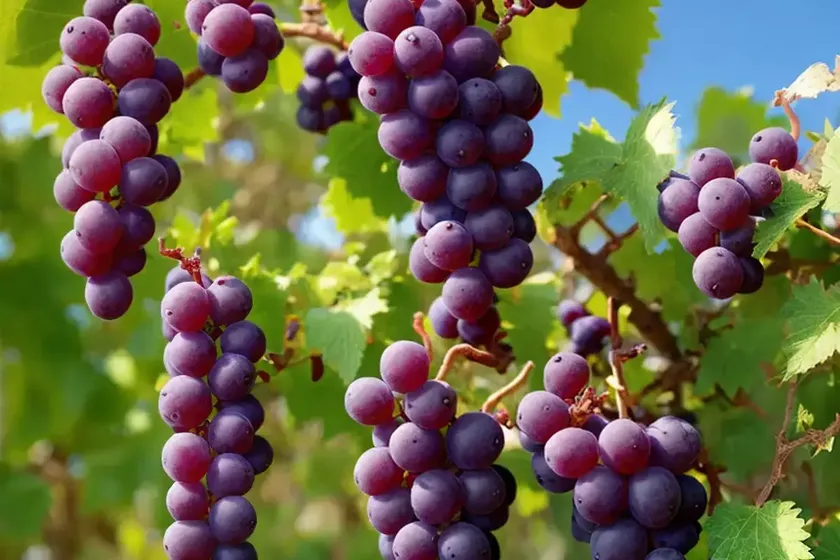
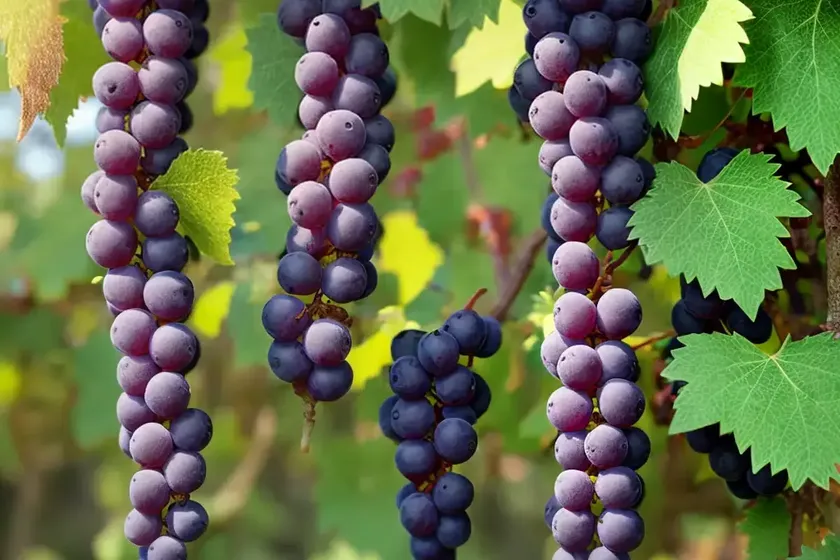
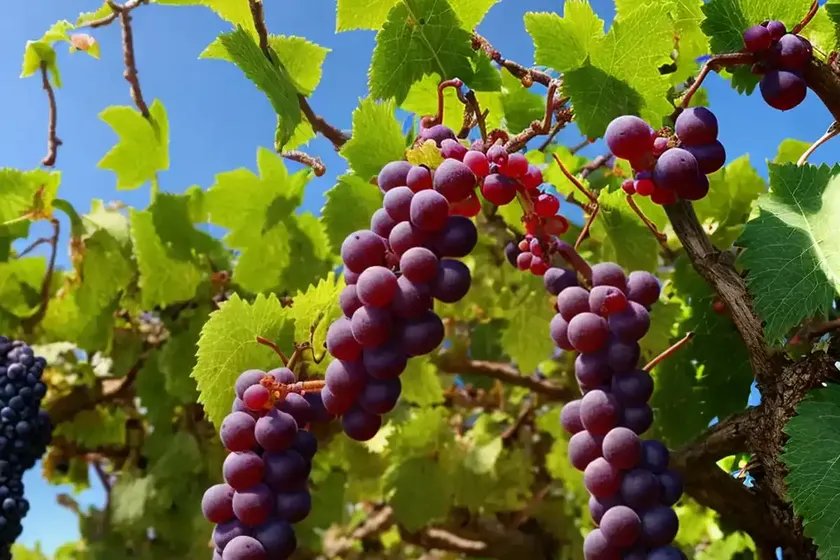
Grapes have been cherished for their sweet, juicy taste and numerous uses for centuries. Vitis ‘Brianna’ (Grape Vine), in particular, is a cultivar that has gained popularity due to its excellent flavor and versatile uses. In this comprehensive guide, we will delve into the various aspects of Vitis ‘Brianna,’ covering its culture, uses, maintenance, common diseases and pests, as well as botanist’s tips for optimal growth. Whether you are a seasoned grape grower or a budding enthusiast, this guide will provide valuable insights into cultivating and caring for Vitis ‘Brianna’ grape vines.
Key Takeaways – Vitis ‘Brianna’ (Grape Vine)
Before we delve into the specifics of Vitis ‘Brianna,’ let’s highlight some key takeaways:
- Plant Name: Vitis ‘Brianna’ (Grape Vine)
- Variety: American Hybrid
- Hardiness Zone: 4-7
- Flavor: Sweet, juicy, with a hint of tropical fruit
- Uses: Fresh consumption, winemaking
- Disease Resistance: Strong resistance to common grape diseases
- Pruning: Regular pruning for optimal fruit production
Now, let’s explore the various aspects of Vitis ‘Brianna’ in detail.
What is Vitis ‘Brianna’ (Grape Vine)?
Vitis ‘Brianna’ is a cold-hardy grape variety known for its exceptional flavor and versatility in both fresh consumption and winemaking. This American hybrid cultivar was introduced by Elmer Swenson in the 1980s and has since garnered attention for its vigorous growth, resistance to diseases, and adaptability to various growing conditions. The grapes produced by Vitis ‘Brianna’ are highly prized for their sweet, tropical flavor, making them popular among wine enthusiasts and home gardeners alike.
This grape vine variety belongs to the Vitis genus, which encompasses the many species of grapes found around the world. Vitis ‘Brianna’ is specifically classified under the species Vitis labrusca, a North American grape species known for its hardiness and disease resistance. Its genetic makeup includes contributions from various grape species, resulting in a robust and adaptable plant suitable for diverse climates.
Now that we have an overview of Vitis ‘Brianna,’ let’s delve deeper into its culture, maintenance, and uses.
Culture
Cultivating Vitis ‘Brianna’ grape vines requires attention to several key factors, including water, sunlight, fertilizer, soil, pruning, and propagation. Let’s explore each of these aspects in detail.
Water
Proper water management is essential for the health and productivity of Vitis ‘Brianna’ grape vines. While these plants require regular watering, it is important to avoid waterlogged conditions, which can lead to root rot and other issues. Adequate soil drainage is crucial to prevent water accumulation around the roots.
Watering Guidelines
- Young Plants: During the first year of growth, consistently water young Vitis ‘Brianna’ grape vines to encourage root establishment.
- Established Plants: Once established, grape vines benefit from deep, infrequent watering to promote deep root growth and reduce surface evaporation.
Sunlight
Ample sunlight is vital for the development of Vitis ‘Brianna’ grape vines and the ripening of their fruit. When selecting a planting location, choose an area that receives full sunlight for the majority of the day. Adequate sunlight exposure contributes to the production of high-quality, flavorful grapes.
Sunlight Requirements
- Full Sun: Vitis ‘Brianna’ grape vines thrive in locations with at least 7-8 hours of direct sunlight daily.
- Site Selection: Prioritize planting in a south-facing location to maximize sunlight exposure.
Fertilizer
Appropriate fertilization supports the growth and fruiting of Vitis ‘Brianna’ grape vines. Conducting a soil test can provide valuable insights into the specific nutritional needs of the soil, allowing for targeted fertilization.
Fertilizer Application
- Timing: Apply fertilizer in early spring before new growth emerges.
- Balanced Fertilizer: Utilize a balanced fertilizer with a higher proportion of nitrogen for young grape vines and a higher proportion of phosphorus and potassium for mature vines.
Soil
The soil in which Vitis ‘Brianna’ grape vines are planted significantly impacts their growth and productivity. Well-drained soil with a slightly acidic to neutral pH level is ideal for these grape vines.
Soil Characteristics
- Texture: Loamy, well-draining soil is preferred to prevent waterlogged conditions.
- pH Level: Aim for a soil pH of 6.0-6.5 for optimal nutrient availability.
Pruning
Regular pruning is crucial for managing the growth, structure, and fruit production of Vitis ‘Brianna’ grape vines. Pruning helps maintain airflow, reduce disease pressure, and promote the development of high-quality grapes.
Pruning Tips
- Winter Pruning: Conduct pruning during the dormant season to remove old wood and shape the vine.
- Spur Pruning: Utilize spur pruning to encourage the growth of fruit-producing shoots while maintaining vine structure.
Propagation
Propagating Vitis ‘Brianna’ grape vines allows for the expansion of plantings and the preservation of desirable genetic traits. Several methods, including hardwood cuttings and grafting, can be employed for successful propagation.
Propagation Methods
- Hardwood Cuttings: Take hardwood cuttings from healthy, disease-free vines for propagation during the dormant season.
- Grafting: Utilize grafting techniques to combine the desirable traits of Vitis ‘Brianna’ with other rootstock varieties.
Now that we understand the cultural aspects of Vitis ‘Brianna’ grape vines, let’s explore their uses and the key factors influencing their successful cultivation.
Uses
Vitis ‘Brianna’ grape vines offer a range of uses, making them a valuable addition to home gardens and commercial vineyards. From fresh consumption to winemaking, these versatile grapes can be enjoyed in various forms.
Fresh Consumption
The sweet, tropical flavor of Vitis ‘Brianna’ grapes makes them ideal for fresh consumption. Whether enjoyed straight off the vine or incorporated into fruit salads and desserts, these grapes delight with their juicy, refreshing taste.
Winemaking
Vitis ‘Brianna’ grapes are also prized for winemaking, yielding wines with distinct tropical fruit notes and a balanced acidity. The high sugar content of the grapes contributes to the production of flavorful, aromatic wines that have found favor among winemakers and wine enthusiasts.
Now that we’ve covered the culture and uses of Vitis ‘Brianna’ grape vines, let’s delve into disease management and common pests that can affect their health and productivity.
Common Diseases
Vitis ‘Brianna’ grape vines exhibit strong resistance to many common grape diseases, yet they can still be affected by certain ailments. Understanding these potential diseases and implementing preventative measures is crucial for maintaining the health of grape vines.
Disease Resistance
Vitis ‘Brianna’ grape vines demonstrate strong resistance to the following common grape diseases:
- Powdery Mildew
- Downy Mildew
- Botrytis Rot
Disease-Resistant Cultivar
- The genetic makeup of Vitis ‘Brianna’ contributes to its robust resistance to prevalent grape diseases, reducing the need for extensive disease management.
Disease Diagnosis
Despite their resistance, Vitis ‘Brianna’ grape vines can still be susceptible to certain diseases. Timely diagnosis and intervention are essential to prevent the spread of diseases within the vineyard.
Diagnosis Techniques
- Visual Inspection: Regularly inspect leaves, clusters, and stems for signs of disease, including discoloration, powdery patches, and unusual growth patterns.
- Laboratory Analysis: Submit plant samples to a diagnostic laboratory for comprehensive analysis if disease symptoms are observed.
Now, let’s explore the common pests that can pose a threat to Vitis ‘Brianna’ grape vines and the strategies to mitigate their impact.
Common Pests
While Vitis ‘Brianna’ grape vines are resilient against many diseases, they can be vulnerable to certain pests that can compromise their growth and fruit production. Vigilance and proactive pest management are essential for preserving the health of grape vines.
Common Pests
- Japanese Beetles
- Grape Berry Moth
- Spider Mites
- Leafhoppers
Pest Management
- Integrated Pest Management (IPM): Employ a combination of cultural, biological, and chemical control methods to manage pest populations effectively.
- Monitoring: Regularly monitor the vineyard for signs of pest activity, such as leaf damage, presence of larvae, or stippling on leaves.
Now that we’ve explored disease management and pest control for Vitis ‘Brianna’ grape vines, let’s review some botanist’s tips for optimal cultivation and share some fun facts about this grape variety.
Botanist’s Tips
Optimal growth and productivity of Vitis ‘Brianna’ grape vines can be achieved through the application of botanist’s tips tailored to the specific needs of this cultivar.
Tips for Growth and Maintenance
- Prune Proactively: Regular pruning to maintain vine structure, promote adequate airflow, and manage fruit production.
- Soil Testing: Conduct regular soil testing to determine nutrient levels and pH, allowing for targeted fertilization and soil amendments.
- Disease Monitoring: Implement a proactive disease monitoring program to detect potential issues early and prevent their spread.
Fun Facts
- Cold-Hardy Cultivar: Vitis ‘Brianna’ is renowned for its cold hardiness, thriving in regions with harsh winter conditions.
- Tropical Flavor: The grapes of Vitis ‘Brianna’ are celebrated for their tropical fruit notes, contributing to their popularity for fresh consumption and winemaking.
Now that we’ve covered the essentials of growing and maintaining Vitis ‘Brianna’ grape vines, let’s provide valuable external resources for further exploration and learning.
Links to External Resources
For further information on Vitis ‘Brianna’ grape vines, including advanced cultivation techniques, disease management strategies, and winemaking insights, consider exploring the following external resources:
In conclusion, Vitis ‘Brianna’ (Grape Vine) stands out as a remarkable cultivar, renowned for its delectable fruit, disease resistance, and adaptability to diverse growing conditions. Whether you’re seeking to establish a thriving vineyard or simply nurture a few grape vines in your garden, the insights and tips provided in this comprehensive guide can serve as valuable resources for cultivating and caring for Vitis ‘Brianna.’ Embracing the nuances of grape cultivation and enjoying the rewards of flavorful, homegrown grapes and wines awaits those who embark on the journey of nurturing Vitis ‘Brianna’ grape vines.
Let’s raise a glass to the splendor of Vitis ‘Brianna’ and the delight it brings to grape enthusiasts and connoisseurs alike! Cheers to the art of grape cultivation and the joy of savoring the fruits of our labor.


