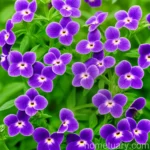
Plant Care Guide: Viola ‘Celestial Northern Lights’
Viola ‘Celestial Northern Lights’, often referred to as the Northern Lights pansy, is an exquisite and captivating plant known for its multicolored blooms and sweet fragrance. This stunning plant is a favorite among gardeners due to its versatility and low maintenance requirements. In this comprehensive plant care guide, we will delve into the various aspects of cultivating and caring for Viola ‘Celestial Northern Lights’, from planting and propagation to maintenance and common issues.
Viola ‘Celestial Northern Lights’ is a delightful addition to any garden, providing seasonal interest, pollinator-friendly blooms, and ornamental features. Whether you are a seasoned gardener or a beginner looking to enhance your gardening skills, this guide will equip you with the essential knowledge to cultivate and care for this enchanting plant.
What Is Viola ‘Celestial Northern Lights’?
Viola ‘Celestial Northern Lights’ is a charming and versatile plant belonging to the Viola genus. It is a hybrid variety that is renowned for its multicolored blooms, featuring a captivating blend of hues that resemble the mesmerizing phenomenon of the Northern Lights. This perennial plant is characterized by its compact growth habit and profusion of dainty flowers, making it an ideal choice for borders, containers, and ground cover.
The vibrant blooms of Viola ‘Celestial Northern Lights’ add a delightful pop of color to gardens, attracting beneficial pollinators such as bees and butterflies. With proper care and favorable growing conditions, this captivating pansy can thrive and beautify outdoor spaces, providing gardeners with an enchanting display of colors and fragrances.
Key Takeaways
Before we delve into the specific care requirements for Viola ‘Celestial Northern Lights’, here are the key takeaways that will be covered in this comprehensive plant care guide:
- Planting Tips
- Propagation Techniques
- Watering Needs
- Sunlight Preferences
- Soil Requirements
- Fertilizer Recommendations
- Pruning Techniques
- Maintenance Guidelines
- Disease Prevention
- Common Pests and Pest Control
- Winter Care
- Container Gardening
- Companion Plants
- Fragrance and Medicinal Properties
- Pollinator-Friendly and Wildlife Attraction
- Drought-Tolerance and Heat-Tolerance
- Garden Design and Landscape Uses
- Common Issues and Troubleshooting
- Favorite Varieties and Perennial Gardening
- Annual Gardening and Garden Accents
Now, let’s explore the specific care guidelines for Viola ‘Celestial Northern Lights’ in detail.
Culture
Viola ‘Celestial Northern Lights’ thrives in moderate climates and cool temperatures, making it well-suited for spring and fall planting. This delightful pansy is adaptable to a range of growing conditions and can flourish in both garden beds and containers. Whether you choose to grow it in full sunlight or partial shade, Viola ‘Celestial Northern Lights’ will reward you with its charming blooms and sweet fragrance.
Uses
The versatile nature of Viola ‘Celestial Northern Lights’ makes it suitable for various horticultural purposes, including:
- Border Plant: Create captivating garden borders with the multicolored blooms of Viola ‘Celestial Northern Lights’.
- Container Planting: Add a touch of elegance to your outdoor space by growing this pansy in containers or hanging baskets.
- Ground Cover: Utilize Viola ‘Celestial Northern Lights’ as an attractive ground cover to adorn garden pathways and edging.
- Pollinator Attraction: Attract beneficial pollinators such as bees and butterflies with the colorful and fragrant blooms of this pansy.
Whether used for ornamental purposes or to support local pollinators, Viola ‘Celestial Northern Lights’ offers a multitude of uses in gardening and landscaping.
Water
Proper watering is essential for the health and vitality of Viola ‘Celestial Northern Lights’. While this pansy appreciates moist soil, it is important to avoid overwatering, as excessive moisture can lead to root rot and other water-related issues. During the growing season, it is recommended to water Viola ‘Celestial Northern Lights’ regularly, ensuring that the soil remains consistently moist but not waterlogged.
Sunlight
Viola ‘Celestial Northern Lights’ thrives in partial to full sunlight, although it can also tolerate partial shade. When grown in a garden setting, it is best to provide this pansy with at least 4-6 hours of direct sunlight each day to promote healthy growth and abundant blooms. In hot climate regions, partial shade during the afternoon can help protect the plant from excessive heat and sun exposure.
Fertilizer
To support the vigorous growth and blooming of Viola ‘Celestial Northern Lights’, regular feeding with a balanced fertilizer is beneficial. A slow-release or liquid fertilizer formulated for flowering plants can be applied according to the manufacturer’s instructions. During the growing season, monthly fertilization can help enhance the overall health and blooming performance of this pansy.
Soil
Well-draining, fertile soil is crucial for the cultivation of Viola ‘Celestial Northern Lights’. A loamy soil with good drainage properties is recommended to prevent waterlogging and root rot. Additionally, amending the soil with organic matter such as compost or well-rotted manure can improve its texture and nutrient content, creating an optimal growing environment for the pansy.
Pruning
Regular deadheading and pruning of spent blooms can prolong the flowering period of Viola ‘Celestial Northern Lights’. By removing faded flowers and yellowing foliage, the plant can redirect its energy towards producing new blooms, ensuring a continuous display of color throughout the growing season. Pruning shears or scissors can be used to carefully trim back old flowers and maintain the overall shape of the plant.
Propagation
Viola ‘Celestial Northern Lights’ can be propagated through both seeds and division. Here are the propagation methods for this delightful pansy:
- Seed Propagation: Collect mature seeds from the plant and sow them in prepared seed-starting mix. Keep the soil consistently moist and provide adequate sunlight for germination. Once the seedlings have developed true leaves, they can be transplanted into individual containers or garden beds.
- Division: In early spring or fall, carefully divide mature clumps of Viola ‘Celestial Northern Lights’ to create new plants. Each division should have a healthy portion of roots and shoots, which can be replanted in desired locations.
By utilizing these propagation techniques, gardeners can expand their collection of Viola ‘Celestial Northern Lights’ and share the joy of growing this charming pansy with others.
Container Popularity
The compact growth habit and enchanting blooms of Viola ‘Celestial Northern Lights’ make it highly popular for container gardening. Whether grown in decorative pots, hanging baskets, or window boxes, this pansy brings a touch of elegance and color to outdoor spaces. When selecting containers for Viola ‘Celestial Northern Lights’, it is important to choose ones with adequate drainage holes to prevent waterlogging and maintain healthy root conditions.
Common Diseases
Like any plant, Viola ‘Celestial Northern Lights’ is susceptible to certain diseases that can impact its overall health and vitality. By understanding common diseases and implementing preventive measures, gardeners can effectively protect their pansies from potential threats. Some common diseases that may affect Viola ‘Celestial Northern Lights’ include:
- Powdery Mildew: A fungal disease characterized by the presence of powdery white patches on the foliage, typically occurring in humid or crowded growing conditions.
- Botrytis Blight: Also known as gray mold, this fungal disease can cause wilting and decay of plant tissue, leading to diminished vigor and bloom production.
- Root Rot: Excessive moisture and poor soil drainage can contribute to the development of root rot, causing symptoms such as yellowing leaves, stunted growth, and wilting.
By implementing proper cultural practices and maintaining optimal growing conditions, gardeners can minimize the risk of diseases affecting Viola ‘Celestial Northern Lights’.
Disease Diagnosis
Timely diagnosis and treatment of plant diseases are crucial for preserving the health and beauty of Viola ‘Celestial Northern Lights’. When observing potential signs of disease, such as unusual spots, discoloration, or wilting, it is important to assess the symptoms and identify the underlying cause. Through careful examination and consultation with gardening experts or extension services, gardeners can accurately diagnose diseases and implement targeted treatment strategies.
Common Pests
While Viola ‘Celestial Northern Lights’ is generally resistant to many pests, certain insects may pose a threat to the plant’s well-being. Being vigilant in pest monitoring and implementing appropriate control measures can help safeguard the pansy from potential infestations. Common pests that may affect Viola ‘Celestial Northern Lights’ include:
- Aphids: Small, soft-bodied insects that feed on plant sap, causing distorted growth and leaf curling.
- Slugs and Snails: These mollusks can feed on the foliage and flowers of Viola ‘Celestial Northern Lights, leaving behind characteristic feeding damage.
- Spider Mites: These tiny arachnids can infest the undersides of leaves, causing stippling and discoloration.
By promptly addressing pest infestations and employing integrated pest management practices, gardeners can maintain the health and vigor of Viola ‘Celestial Northern Lights.
Botanist’s Tips
Tip 1: Companion Plants: Viola ‘Celestial Northern Lights’ pairs beautifully with other spring-blooming plants such as tulips, daffodils, and grape hyacinths, creating captivating combinations of colors and textures in garden beds or containers.
Tip 2: Winter Care: In regions with cold winters, providing a layer of mulch around the base of Viola ‘Celestial Northern Lights’ can help insulate the roots and protect the plant from freezing temperatures.
Tip 3: Fragrance: The blooms of Viola ‘Celestial Northern Lights’ emit a sweet and delicate fragrance, making them a delightful addition to cut flower arrangements and floral displays.
Fun Facts
Here are some intriguing and delightful facts about Viola ‘Celestial Northern Lights’ that showcase the charm and appeal of this captivating pansy:
- The multicolored blooms of Viola ‘Celestial Northern Lights’ resemble the enchanting colors of the Aurora Borealis, creating a captivating visual display in garden settings.
- Pansies, including the Viola ‘Celestial Northern Lights’ variety, have been admired for their ornamental and medicinal uses throughout history, and their symbolism is often associated with love, affection, and thoughtfulness.
Links to External Resources
For additional information and resources on Viola ‘Celestial Northern Lights’, I recommend the following links:
- Royal Horticultural Society (RHS): Viola – Plant Care and Collection
- The Old Farmer’s Almanac: Viola (Pansy)
- University of Florida IFAS Extension: Pansies and Violas
- Missouri Botanical Garden: Viola ‘Celestial Northern Lights’
With the information and insights provided in this plant care guide, you are well-equipped to cultivate and care for the enchanting Viola ‘Celestial Northern Lights’. Whether you are a novice gardener or an experienced plant enthusiast, the captivating blooms and delightful characteristics of this pansy are sure to bring joy and beauty to your garden. Happy gardening!