Zantedeschia ‘Mango’ (Calla Lily) – A Comprehensive Guide
Zantedeschia ‘Mango’ is a mesmerizing and elegant flowering plant that belongs to the Araceae family. Commonly known as the Calla Lily, it is highly esteemed for its striking blooms and lush foliage. In this comprehensive guide, we will explore the various aspects of caring for and cultivating Zantedeschia ‘Mango’, from its cultural preferences to its uses, maintenance, common diseases, and much more.
What is Zantedeschia ‘Mango’ (Calla Lily)?
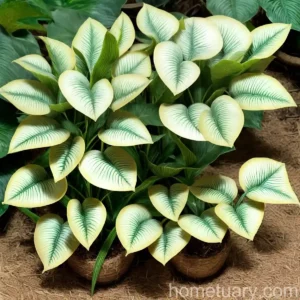
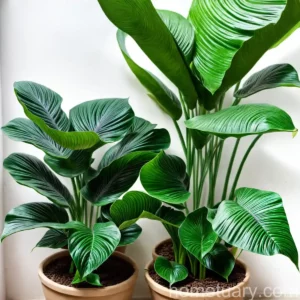
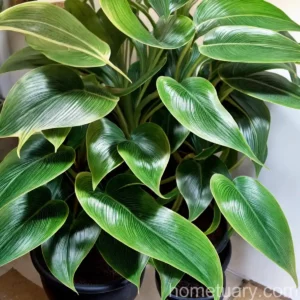
Zantedeschia ‘Mango’, also known as Calla Lily ‘Mango’, is a herbaceous perennial plant renowned for its trumpet-shaped flowers and distinctively dark green arrowhead-shaped leaves. The plant typically reaches a height of 18 to 24 inches (45 to 60 cm) and produces stunning, funnel-shaped flowers that come in a range of colors, including vibrant shades of yellow, orange, and red.
Key Takeaways – Zantedeschia ‘Mango’ (Calla Lily)
Below are the key takeaways for enthusiasts interested in cultivating and nurturing Zantedeschia ‘Mango’:
- Scientific Name: Zantedeschia ‘Mango’
- Family: Araceae
- Common Name: Calla Lily
- Height: 18 to 24 inches (45 to 60 cm)
- Flower Colors: Yellow, orange, red
- Foliage: Dark green, arrowhead-shaped leaves
- Growth Habit: Herbaceous perennial
Culture
Uses
Zantedeschia ‘Mango’ is prized for a myriad of uses, making it a versatile and valuable addition to gardens and landscapes. Its primary uses include:
- Ornamental Purposes: The striking blooms and lush foliage of the Calla Lily make it a popular choice for ornamental plantings, adding a touch of elegance to garden beds, borders, and containers.
- Cut Flowers: The long-lasting flowers of Zantedeschia ‘Mango’ are widely used in floral arrangements and bouquets, bringing a vibrant and sophisticated allure to any floral display.
Water
Proper watering is essential for the health and vitality of Zantedeschia ‘Mango’. The plant thrives in moist but well-draining soil and requires regular watering, especially during the growing season. However, it is important to avoid waterlogged conditions, as excessive moisture can lead to root rot.
- Summer Watering: During the summer months, provide ample water to keep the soil consistently moist. However, allow the top layer of soil to dry slightly before the next watering to prevent waterlogging.
- Winter Watering: In the winter, reduce the frequency of watering, allowing the soil to dry out slightly between waterings.
Sunlight
Zantedeschia ‘Mango’ flourishes in bright, indirect light and partial shade. When grown in optimal light conditions, the plant will produce abundant blooms and maintain its lush, vibrant foliage. However, it is important to shield the Calla Lily from direct, intense sunlight, as excessive exposure can scorch the leaves and flowers.
- Outdoor Cultivation: When grown outdoors, position Zantedeschia ‘Mango’ in a location that receives partial shade, especially during the peak of the day when the sun is at its strongest.
- Indoor Cultivation: For indoor cultivation, place the plant in a well-lit area with bright, indirect light, such as near a window or a source of natural light.
Fertilizer
Applying a balanced and diluted fertilizer can greatly enhance the growth and flowering of Zantedeschia ‘Mango’. During the active growing season, periodic fertilization can provide the plant with essential nutrients, promoting vigorous growth and prolific blooming.
- Fertilization Schedule: Feed the Calla Lily with a balanced liquid fertilizer every two to three weeks during the growing season, starting from early spring and continuing through the end of summer.
- Dilution Ratio: Dilute the fertilizer to half or a quarter of the recommended strength to prevent overfertilization, which can damage the plant’s delicate roots.
Soil
The right soil composition is crucial for the well-being of Zantedeschia ‘Mango’. Providing the plant with a well-draining, nutrient-rich growing medium can significantly contribute to its overall health and vigor.
- Preferred Soil Type: Plant Zantedeschia ‘Mango’ in a well-draining, loamy soil that is rich in organic matter. A mix of peat moss, perlite, and compost can create an ideal growing medium.
- Soil pH: Aim for a slightly acidic to neutral soil pH, ranging from 6.0 to 6.5, to create a favorable environment for the plant’s root development and nutrient uptake.
Pruning
Pruning is an important aspect of Zantedeschia ‘Mango’ maintenance, as it helps to promote healthy growth, control the plant’s size, and encourage abundant flowering. By following proper pruning techniques, enthusiasts can ensure that their Calla Lily remains vigorous and visually appealing throughout the growing season.
- Flower Removal: After the blooming period, promptly remove spent flowers by cutting them off at the base to prevent the plant from expending energy on seed production. Deadheading can also enhance the overall appearance of the plant.
- Leaf Pruning: Trim discolored, damaged, or yellowing leaves to maintain the plant’s aesthetic appeal and prevent the spread of diseases. Use clean, sterilized pruning tools to make precise cuts without causing unnecessary harm to the plant.
Propagation
Zantedeschia ‘Mango’ can be propagated through various methods to multiply the plant and establish new specimens. Whether through division, seeds, or rhizome cuttings, propagating the Calla Lily allows enthusiasts to expand their collection and share the beauty of this captivating plant.
- Division: Divide established clumps of Zantedeschia ‘Mango’ during the dormancy period to create new plants. Each division should have several healthy rhizomes and roots to ensure successful establishment.
- Rhizome Cuttings: Cut healthy rhizomes into sections that contain at least one growth point, and plant them at the appropriate depth in a well-draining growing medium. Keep the cuttings consistently moist to stimulate root development.
Container Popularity
The allure of Zantedeschia ‘Mango’ extends to container cultivation, making it a sought-after plant for enthusiasts who prefer to grow ornamental specimens in containers. The plant’s compact size, vibrant flowers, and lush foliage make it an excellent choice for container gardens, patios, and balconies.
- Container Options: Choose a suitable container with adequate drainage holes and ample space for the plant’s root system to develop. Terracotta, ceramic, or plastic containers can all accommodate Zantedeschia ‘Mango’ effectively.
- Container Mix: Fill the container with a well-draining potting mix that retains moisture without becoming waterlogged. A mix consisting of peat moss, perlite, and compost can provide the ideal growing environment for the Calla Lily.
Common Diseases
While Zantedeschia ‘Mango’ is generally resilient, it can be susceptible to certain diseases and issues that may affect its health and appearance. Understanding common diseases and their remedies is crucial for ensuring the well-being of the plant.
Disease Diagnosis
To effectively address diseases that may affect Zantedeschia ‘Mango’, it is important to be able to identify the symptoms and signs of common ailments that can occur in the garden or landscape. By recognizing the early indicators of diseases, enthusiasts can promptly apply the appropriate treatments and prevent the escalation of issues.
Common Pests
In addition to diseases, Zantedeschia ‘Mango’ may also encounter various pests that can compromise its vitality and aesthetics. By being vigilant and proactive in pest management, enthusiasts can protect their Calla Lily from potential infestations and minimize the impact of pest-related damage.
Botanist’s Tips
To thrive and flourish, Zantedeschia ‘Mango’ benefits from a few key tips and recommendations that can enhance its overall growth and blooming potential. By following these botanist-approved suggestions, enthusiasts can cultivate healthy, vibrant Calla Lilies and enjoy their captivating beauty throughout the growing season.
- Mulching: Apply a layer of organic mulch, such as shredded bark or compost, around the base of Zantedeschia ‘Mango’ to conserve moisture, suppress weed growth, and enrich the soil.
- Overwintering Care: If growing Zantedeschia ‘Mango’ in colder climates, provide protective mulching and ensure proper drainage to safeguard the plant’s rhizomes from the potential effects of frost and freezing temperatures.
Fun Facts
As admirers of Zantedeschia ‘Mango’, it’s fascinating to discover some lesser-known, intriguing facts about this enchanting plant.
- Symbolism: Calla Lilies, including the ‘Mango’ variety, are often associated with purity, beauty, and rebirth, making them a popular choice for weddings, religious ceremonies, and other symbolic events.
- Edible Rhizomes: The rhizomes of Zantedeschia ‘Mango’ are edible after proper preparation and cooking, providing a source of sustenance in certain cultures.
Links to External Resources
For further information on Zantedeschia ‘Mango’ care, cultivation, and characteristics, the following external resources can provide valuable insights and guidance:
- Royal Horticultural Society – Zantedeschia Cultivation
- University of Florida IFAS Extension – Calla Lily Production Guide
- The American Phytopathological Society – Calla Lily Diseases
By delving into the intricacies of Zantedeschia ‘Mango’ (Calla Lily), we gain a deeper appreciation for this enchanting plant and the nuances of its cultivation. From its cultural preferences to its uses, maintenance, and potential challenges, the Calla Lily ‘Mango’ offers a wealth of possibilities for gardeners, florists, and enthusiasts seeking to adorn their surroundings with its captivating beauty.