Viola labradorica (Labrador Violet): A Comprehensive Guide
As plant scientists, we often marvel at the diversity and versatility of the plant kingdom. One such exquisite plant that has captured the attention of gardeners and horticultural enthusiasts is Viola labradorica, commonly known as Labrador Violet. This delicate yet resilient plant offers a myriad of benefits and uses, making it a valuable addition to any garden or landscape. In this comprehensive guide, we will delve into the various aspects of Viola labradorica, from its cultural requirements and uses to its propagation and maintenance. Additionally, we will explore its role in container gardening, common diseases and pests, interesting facts, and valuable tips from botanists. Let’s embark on a fascinating journey to discover the enchanting world of Viola labradorica.
What is Viola labradorica (Labrador Violet)?
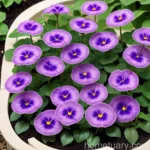
Viola labradorica belongs to the Violaceae family and is a low-growing perennial plant native to North America, particularly the Labrador Peninsula, from which it derives its name. This charming plant is characterized by heart-shaped leaves and delicate, deep purple flowers that adorn its trailing stems.
Key Takeaways – Viola labradorica (Labrador Violet):
- Scientific Name: Viola labradorica
- Common Names: Labrador Violet, American Dog Violet
- Family: Violaceae
- Type: Perennial
- Native Habitat: North America
- Growth Habit: Low-growing, trailing
- Flower Color: Deep purple
Now, let’s explore the various aspects of Viola labradorica in detail, including its cultural requirements, uses, propagation, common diseases, and more.
Culture
Cultivating Viola labradorica requires an understanding of its specific cultural requirements to ensure optimal growth and overall health. The following factors play a crucial role in the successful cultivation of this charming plant.
Water
Viola labradorica thrives in moist, well-drained soil. Adequate watering is essential, particularly during dry periods, to maintain the soil’s moisture levels. However, it is important to avoid waterlogged conditions, as excessive moisture can lead to root rot and other issues.
Sunlight
In terms of sunlight, Viola labradorica prefers partial to full shade, making it an excellent choice for shaded gardens or areas with dappled sunlight. While it can tolerate some direct sunlight, especially in cooler climates, providing it with shade during the hottest part of the day is beneficial.
Fertilizer
When it comes to fertilization, Viola labradorica benefits from a balanced, all-purpose fertilizer applied in early spring as new growth begins. It is important to follow the recommended application rates to prevent over-fertilization, which can be detrimental to the plant.
Soil
The ideal soil for Viola labradorica is rich, humusy, and well-drained. It thrives in slightly acidic to neutral soil conditions. Amending the soil with organic matter, such as compost, can improve overall soil structure and fertility.
Uses
Viola labradorica possesses a multitude of uses, ranging from its ornamental appeal to its potential medicinal and ecological benefits. Understanding its diverse uses can provide valuable insights into its versatility and the various roles it can play in different settings.
Ornamental
With its charming violet flowers and attractive foliage, Viola labradorica is widely used as a ground cover in woodland gardens, rock gardens, and shaded borders. Its low-growing habit and trailing nature make it an excellent choice for creating a carpet of color and foliage in various landscape settings.
Medicinal
In traditional herbal medicine, certain species of the Viola genus, including Viola labradorica, are known for their medicinal properties. While specific details regarding the medicinal uses of Viola labradorica should be approached with caution and further research, it is important to acknowledge its historical significance in herbal remedies.
Ecological
Viola labradorica serves as a valuable addition to ecological and wildlife-friendly gardens, attracting pollinators such as butterflies and providing habitat and food sources for beneficial insects. Its role in supporting local biodiversity underscores its ecological significance.
Pruning
Pruning is an essential aspect of maintaining the health and appearance of Viola labradorica. Regular deadheading of faded flowers can promote continuous blooming and prevent the plant from expending energy on seed production. Additionally, removing any damaged or diseased foliage helps maintain the plant’s overall vigor.
Propagation
Propagation of Viola labradorica can be achieved through various methods, including division, seed sowing, and stem cuttings. Each method offers its own set of advantages and considerations, allowing for flexibility in propagating new plants.
Division
Division involves separating the plant into smaller sections, each containing roots and new shoots. This method is typically conducted in early spring or fall and can be an effective way to rejuvenate established clumps and create new plants.
Seed Sowing
Collecting seeds from mature Viola labradorica plants allows for the propagation of new individuals. Sowing the seeds in well-prepared soil and providing appropriate moisture and light conditions can lead to the successful germination of new seedlings.
Stem Cuttings
Taking stem cuttings from healthy, non-flowering shoots presents another propagation method for Viola labradorica. With careful preparation and proper environmental conditions, these cuttings have the potential to develop into independent plants.
Container Popularity
The compact growth habit and delicate beauty of Viola labradorica make it an appealing choice for container gardening. Its ability to thrive in shaded or partially shaded conditions further enhances its suitability for container cultivation, allowing individuals with limited garden space to enjoy its ornamental qualities.
Container Planting
When cultivating Viola labradorica in containers, it is essential to select a well-draining potting mix and a container with adequate drainage holes. Positioning the container in a shaded or partially shaded location and providing regular watering can support the plant’s growth and development.
Common Diseases
While Viola labradorica is generally resilient, it is important to be aware of potential diseases that may affect its health and vigor. Recognizing common diseases and understanding their symptoms can facilitate prompt intervention and management strategies.
Disease Diagnosis
Several fungal diseases, including powdery mildew and leaf spot, can affect Viola labradorica. Symptoms such as powdery white patches on the leaves or circular lesions with a dark border can indicate the presence of these diseases. Proper sanitation, adequate air circulation, and targeted treatments can help manage these issues.
Common Pests
In addition to diseases, Viola labradorica may be susceptible to certain pests that can impact its growth and aesthetic appeal. Identifying common pests and implementing pest control measures is essential for maintaining the plant’s overall health.
Pest Control
Aphids and slugs are among the potential pests that may target Viola labradorica. Regular monitoring of the plant and the application of appropriate pest control methods, such as insecticidal soaps for aphids and physical barriers for slugs, can help mitigate pest-related concerns.
Botanist’s Tips
Drawing from the expertise of botanists and horticulturists, we can glean valuable insights and tips for successfully cultivating and caring for Viola labradorica. These tips encompass various aspects, including maintenance, companion planting, and environmental considerations.
- Choose planting locations that provide partial to full shade, ensuring that the plant receives adequate sunlight without being exposed to prolonged, intense heat.
- When planting Viola labradorica in mixed borders, consider companion plants with similar shade tolerance and complementary growth habits to create harmonious and visually appealing combinations.
- To maintain soil moisture and reduce weed competition, apply a layer of organic mulch around Viola labradorica plants, taking care to avoid direct contact with the plant’s stems.
Fun Facts
Exploring the lesser-known aspects and intriguing facts about Viola labradorica adds depth to our understanding of this captivating plant species. These fun facts shed light on its unique attributes and contribute to a more comprehensive appreciation of its characteristics.
- The heart-shaped leaves of Viola labradorica have a charming and distinctive appearance, adding to its ornamental appeal.
- The common name “Labrador Violet” pays homage to the plant’s native habitat and serves as a reminder of its geographical origins.
- Viola labradorica exhibits natural resilience and hardiness, thriving in cool, shaded environments and showcasing its adaptability to various growing conditions.
Conclusion
In conclusion, Viola labradorica (Labrador Violet) stands as a captivating and versatile plant with a rich array of uses and attributes. By delving into its cultural requirements, uses, propagation methods, common diseases, and botanist’s tips, we have gained a comprehensive understanding of this remarkable plant. Whether it graces shaded gardens, container arrangements, or ecological landscapes, Viola labradorica offers enduring beauty and valuable contributions to the botanical world. Embracing its role as a ground cover, ornamental specimen, and ecological ally, we can appreciate the enduring allure of Viola labradorica in the horticultural tapestry.
Undoubtedly, the journey of discovery and appreciation for Viola labradorica continues, fueled by our fascination with its unique traits, resilience, and timeless charm.
Links to External Resources
To further enrich your knowledge and exploration of Viola labradorica and related topics, the following external resources provide valuable insights, guidance, and inspiration:
- American Violet Society
- Royal Horticultural Society – Viola labradorica
- University of Vermont Extension – Native Plant Database
These resources offer a wealth of information on Viola labradorica growing tips, care guides, plant profiles, and more, supporting your journey as a dedicated plant enthusiast and gardener.