The Wonderful World of Viola Cucullata (Marsh Blue Violet)
Introduction
Plants have been an integral part of human life for thousands of years. They provide us with food, oxygen, and medicinal properties. In addition to their practical uses, plants also add beauty and tranquility to our surroundings. One such captivating plant is Viola cucullata, commonly known as Marsh Blue Violet. This article delves into the enchanting world of Viola cucullata, exploring its characteristics, cultural requirements, uses, and much more.
Viola Cucullata Identification
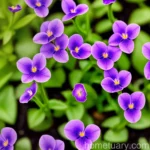
Viola cucullata, also known as Marsh Blue Violet, is a perennial plant belonging to the Violaceae family. This delightful plant is characterized by heart-shaped leaves and stunning blue-violet flowers. Its unique and charming appearance makes it a popular choice for gardens, landscapes, and natural habitats.
Marsh Blue Violet Characteristics
Viola cucullata can be easily identified by its distinct features, including:
– Heart-shaped leaves
– Blue-violet flowers with delicate petals
– Compact growth habit
– Presence of rhizomes for spreading
– Moisture-loving nature
These characteristics make Viola cucullata an attractive and sought-after plant for both amateur and experienced gardeners.
Viola Cucullata Natural Habitat
Marsh Blue Violet is native to North America, where it thrives in moist, shady woodlands, wet meadows, and along stream banks. It has also been found in various other natural habitats, including damp forests and wetland areas. This plant demonstrates a preference for environments with consistent moisture levels, making it well-adapted to thriving in these specific conditions.
Uses of Viola Cucullata
The versatility of Viola cucullata extends beyond its aesthetic appeal. This plant has several practical and cultural uses, ranging from traditional medicine to landscape enhancement. Some of its primary uses include:
- Medicinal Purposes: Viola cucullata has a history of being utilized in traditional herbal remedies. Its leaves and flowers are known for their potential therapeutic properties, providing a natural source for herbal infusions and treatments.
- Landscaping: The charming appearance of Marsh Blue Violet makes it a popular choice for landscaping. Its ability to thrive in moist environments and limited sunlight makes it a valuable addition to gardens, providing a splash of color and natural beauty.
- Wildlife Attraction: The nectar of Viola cucullata flowers serves as a food source for butterflies and certain pollinators, contributing to the overall biodiversity of its surrounding ecosystem.
Growing Viola Cucullata
Marsh Blue Violet Care Tips
Cultivating Viola cucullata can be a rewarding experience, provided its specific growth requirements are met. Here are some essential care tips for successful cultivation:
- Water: Viola cucullata thrives in moist soil and requires regular watering, especially during periods of drought. It is important to maintain adequate soil moisture without allowing the plant to become waterlogged.
- Sunlight: Although Viola cucullata prefers partial shade, it can tolerate full sun in cooler climates. Providing dappled sunlight or light shade will help ensure optimal growth and flowering.
- Soil: The ideal soil for Viola cucullata is well-draining, rich in organic matter, and slightly acidic. It is essential to ensure that the soil retains moisture without becoming waterlogged.
- Fertilizer: Minimal fertilization is necessary for Viola cucullata. A balanced, organic fertilizer can be applied during the growing season to support healthy growth and flowering.
- Pruning: Deadheading spent flowers and removing any damaged or diseased foliage will help maintain the plant’s appearance and encourage continuous blooming.
- Propagation: Marsh Blue Violet can be propagated through division or seed sowing. Division is recommended in early spring or fall, while seeds can be sown in a prepared seedbed.
Viola Cucullata Species
Viola cucullata is a member of the Viola genus, which encompasses a diverse array of species that are distributed across various regions of the world. While Viola cucullata is native to North America, other species within the genus can be found in Europe, Asia, and other continents.
Viola Cucullata Cultural Requirements
When cultivating Viola cucullata, it is important to consider its cultural requirements to ensure successful growth and development. These include:
- Moisture: Viola cucullata thrives in consistently moist soil and is well-suited to wet or damp environments. It is crucial to provide adequate moisture to support its growth and flowering.
- Shade: While Viola cucullata can tolerate some sunlight, it prefers partial to full shade, particularly in warmer climates. Providing the plant with the right amount of shade will help prevent stress and maintain its vigor.
- Soil Quality: The ideal soil for Viola cucullata is rich, well-draining, and slightly acidic. It should be able to retain moisture without becoming waterlogged, creating a conducive environment for the plant’s roots.
Health Benefits of Viola Cucullata
Viola cucullata possesses several potential health benefits, primarily derived from its traditional uses in herbal medicine. While scientific studies on its medicinal properties are limited, the plant is believed to offer various health advantages, including:
- Anti-inflammatory Properties: The leaves and flowers of Viola cucullata are thought to contain compounds with anti-inflammatory effects, potentially beneficial for alleviating certain health conditions.
- Potential Antioxidant Activity: Some compounds found in Viola cucullata may exhibit antioxidant properties, which can contribute to overall health and well-being.
- Traditional Remedies: Throughout history, Viola cucullata has been used in traditional remedies for addressing respiratory issues and promoting general wellness.
Viola Cucullata Medicinal Properties
Viola cucullata is recognized for its potential medicinal properties, with specific parts of the plant being used in traditional herbal medicine. The following are some of the medicinal properties associated with this captivating plant:
- Respiratory Support: Viola cucullata has been historically used to address respiratory discomfort and support lung health. Infusions or tinctures made from the plant were utilized for this purpose.
- Anti-inflammatory Effects: Certain compounds in Viola cucullata are believed to possess anti-inflammatory properties, potentially beneficial for reducing inflammation and associated symptoms.
Marsh Blue Violet Planting Guide
When planting Viola cucullata, it is essential to follow a planting guide that aligns with the plant’s specific requirements. Consider the following steps for successful planting:
- Selecting the Site: Choose a location with moist, well-draining soil and partial to full shade. Viola cucullata thrives in environments that replicate its natural habitat.
- Soil Preparation: Prepare the planting area by incorporating organic matter into the soil to enhance its fertility and moisture-retention capabilities.
- Planting Depth: Dig a hole slightly larger than the root ball of the Viola cucullata plant and ensure that it is planted at the same level as it was in the container.
- Watering: Provide ample moisture after planting to help the plant establish its roots in the new environment.
- Mulching: Applying a layer of organic mulch around the plant can help conserve soil moisture and suppress weed growth.
Viola Cucullata Leaf Structure
The leaves of Viola cucullata are heart-shaped and slightly serrated along the edges, enhancing the plant’s visual appeal. The distinct leaf structure contributes to the overall charm of the plant and complements its delicate flowers.
Viola Cucullata Flower Description
The flowers of Viola cucullata are a delightful feature of this plant, adding vibrant colors to its surroundings. The flower description includes:
- Color: The flowers of Viola cucullata are a captivating blue-violet hue, brightening up shady areas with their cheerful presence.
- Shape: The flowers have five distinct petals, creating an elegant and dainty display.
The charming appearance of the flowers makes Viola cucullata a favorite among gardeners and nature enthusiasts.
Viola Cucullata Gardening Tips
Gardening with Viola cucullata involves providing the plant with the care it needs to thrive in a garden setting. Here are some valuable gardening tips for cultivating this delightful plant:
- Moisture Maintenance: Regularly monitor soil moisture and ensure that the plant receives adequate watering, especially during dry periods.
- Companion Planting: Consider planting Viola cucullata alongside other shade-loving plants to create an enchanting and diverse garden landscape.
- Wildlife Attraction: Embrace the pollinator-friendly nature of Viola cucullata by incorporating it into wildlife-friendly garden designs. This can contribute to the overall biodiversity of the garden.
Marsh Blue Violet Conservation
Due to its natural beauty and ecological significance, conservation efforts for Viola cucullata are essential to preserve its presence in the wild. Conservation initiatives can include habitat protection, raising awareness about the plant’s ecological role, and integrating it into restoration projects for wetland areas.
Viola Cucullata Uses in Landscaping
In landscaping, Viola cucullata serves multiple purposes, enhancing the visual appeal of outdoor spaces while also contributing to the ecosystem. Its uses in landscaping include:
- Shade Gardens: Viola cucullata is an ideal choice for shady or partially shaded garden areas, adding color and charm to these environments.
- Naturalizing: The plant’s ability to spread via rhizomes makes it suitable for naturalizing woodland areas and moist landscapes, creating a picturesque display.
- Wildlife Gardens: Viola cucullata attracts pollinators, making it a valuable addition to wildlife-friendly garden designs that support local biodiversity.
Viola Cucullata Common Names
Apart from its scientific name, Viola cucullata is known by several common names, reflecting its widespread popularity and recognition. Some of its common names include Marsh Blue Violet, Blue Marsh Violet, Hooded Blue Violet, and Bog White Violet.
Viola Cucullata Propagation Methods
Marsh Blue Violet can be propagated through various methods, allowing for the expansion of its presence in gardens and natural settings. The primary propagation methods for Viola cucullata include:
- Division: Dividing established clumps of Viola cucullata in early spring or fall can create new plants, ensuring continued growth and expansion.
- Seed Sowing: Propagating Viola cucullata from seeds is another viable method, offering the opportunity to cultivate new plants from collected seeds.
Viola Cucullata Pollinators
The vibrant flowers of Viola cucullata attract several pollinators, contributing to the overall biodiversity of its habitat. Some of the pollinators that are drawn to its nectar-rich blooms include butterflies, bees, and other beneficial insects.
Marsh Blue Violet Varieties
Viola cucullata encompasses various varieties, each with unique characteristics and adaptations. While the species itself is known for its blue-violet flowers and heart-shaped leaves, different varieties may exhibit subtle differences in flower size, color intensity, and growth habits.
Viola Cucullata Growth Cycle
Understanding the growth cycle of Viola cucullata provides valuable insights into its seasonal behaviors and maintenance requirements. The growth cycle of Viola cucullata typically includes the following stages:
- Spring: New growth emerges, accompanied by the formation of flowers.
- Summer: The plant continues to bloom and may produce seeds as the season progresses.
- Fall: Viola cucullata may experience a reduction in flowering as the temperatures cool, transitioning into a period of dormancy.
- Winter: The plant may enter a dormant phase, conserving energy for the upcoming growing season.
Viola Cucullata Soil Requirements
The soil requirements for Viola cucullata are crucial to its overall health and vitality. When cultivating this plant, it is essential to prioritize the following soil characteristics:
- Moisture Retention: The soil should have the capacity to retain moisture without becoming waterlogged, ensuring consistent hydration for the plant.
- Rich Organic Matter: Incorporating organic matter into the soil can enhance its fertility and support the growth of Viola cucullata.
By addressing these soil requirements, gardeners can create an optimal growing environment for Marsh Blue Violet.
Viola Cucullata Plant Family
Viola cucullata is a member of the Violaceae family, which encompasses a diverse array of flowering plants. Within this family, Viola species are known for their distinctive flowers and varied growth habits, contributing to their widespread cultivation and appreciation.
Viola Cucullata Ecosystem Role
Within its native habitat and cultivated environments, Viola cucullata plays a significant role in supporting local ecosystems. Its ecosystem role includes:
- Wildlife Support: Viola cucullata serves as a food source for pollinators and certain wildlife species, contributing to the intricate web of ecological interactions.
- Land Stabilization: The growth habit of Viola cucullata and its ability to naturalize in certain landscapes can contribute to soil stabilization and erosion control.
These ecosystem contributions underscore the value of Viola cucullata within natural settings.
Marsh Blue Violet Characteristics and Uses
The characteristics and uses of Marsh Blue Violet highlight its multifaceted appeal and practical significance. By incorporating Viola cucullata into gardens, landscapes, and restoration projects, individuals can appreciate its beauty while also supporting ecosystem health and diversity.
Viola Cucullata Wildlife Attraction
Viola cucullata’s vibrant flowers attract a variety of wildlife, making it a valuable addition to gardens and natural habitats. Creating spaces that welcome wildlife can help promote biodiversity and ecosystem stability.
Viola Cucullata Plant Care
Proper plant care is essential for ensuring the well-being of Viola cucullata in varied environments. By attending to its specific requirements, including moisture, shade, and soil quality, gardeners can help the plant thrive and flourish.
Viola Cucullata in Traditional Medicine
Viola cucullata has a history of being used in traditional medicine, offering potential health benefits through its leaves and flowers. Its incorporation into traditional remedies reflects its cultural significance and perceived medicinal properties.
Viola Cucullata Folklore and Mythology
Throughout history, plants such as Viola cucullata have been imbued with cultural significance, often appearing in folklore and mythology. Exploring the folklore and mythology associated with Viola cucullata can offer insights into its enduring appeal and significance within human culture.
Viola Cucullata Garden Benefits
Embracing Viola cucullata in garden settings offers numerous benefits, ranging from its visual appeal to its contributions to biodiversity and wildlife support. From enhancing the beauty of the garden to providing nectar for pollinators, Viola cucullata offers a range of advantages for gardeners and nature enthusiasts.
Viola Cucullata Ecosystem Services
The presence of Viola cucullata in natural ecosystems provides essential ecosystem services, supporting local wildlife and contributing to the overall health and stability of ecosystems. By recognizing and fostering these ecosystem services, individuals can contribute to the conservation and appreciation of Viola cucullata.
Marsh Blue Violet as Groundcover
The spreading nature of Viola cucullata makes it a suitable choice for groundcover in shaded or moist areas. Its cascading growth habit and charming flowers can create a captivating tapestry of color and foliage in garden settings.
Viola Cucullata Climate Preferences
While adapted to moist, shady environments, Viola cucullata also demonstrates preferences for certain climate conditions. Understanding its climate preferences is essential for successful cultivation and optimal performance.
Viola Cucullata Ethnobotanical Uses
Ethnobotanical uses of Viola cucullata encompass its cultural and practical significance, including its historical role in traditional medicine and its use in rituals and ceremonies. Exploring the ethnobotanical uses of Viola cucullata can offer valuable insights into its cultural heritage and relevance.
Viola Cucullata for Erosion Control
In addition to its ornamental value, Viola cucullata can contribute to erosion control in landscapes with moist or sloping terrain. Its rhizomatous growth habit helps stabilize soil, making it a useful addition to erosion-prone areas.
Viola Cucullata as a Natural Dye Source
The flowers and leaves of Viola cucullata have been historically used as a natural dye source, imparting vibrant colors to textiles and materials. This traditional use reflects the plant’s cultural and practical significance in human history.
Marsh Blue Violet Companion Plants
Pairing Viola cucullata with compatible companion plants can create harmonious garden designs that enhance the visual appeal and ecological diversity of outdoor spaces. Choosing shade-tolerant companions can complement the presence of Viola cucullata.
Viola Cucullata Plant Structure
Understanding the structure of Viola cucullata, including its leaves, stems, and flowers, provides valuable insights into its growth habits and ornamental qualities. By appreciating its unique structure, individuals can gain a deeper understanding of this captivating plant.
Viola Cucullata as a Landscape Accent
Whether used as a groundcover or featured as a focal point, Viola cucullata can serve as a captivating landscape accent, enhancing the visual appeal of outdoor environments. Its charming flowers and lush foliage make it an attractive choice for adding beauty to landscapes.
Viola Cucullata in Wetland Restoration
Due to its natural preference for moist environments, Viola cucullata can play a role in wetland restoration and conservation efforts. Its ability to thrive in wetland habitats makes it valuable for enhancing the ecological integrity of these important ecosystems.
Viola Cucullata Gardening Techniques
Incorporating specific gardening techniques, such as soil preparation, moisture management, and companion planting, can help promote the successful cultivation of Viola cucullata. These techniques support the plant’s growth and contribute to its overall health and vigor.
Marsh Blue Violet as a Container Plant
Viola cucullata can be cultivated in containers, allowing individuals to enjoy its beauty in varied outdoor and indoor settings. Container gardening with Viola cucullata offers flexibility and creative opportunities for incorporating the plant into diverse spaces.
Viola Cucullata Wildlife Habitat
The presence of Viola cucullata contributes to the creation of wildlife habitats, supporting pollinators and beneficial insects in garden and natural settings. By providing a conducive environment for wildlife, Viola cucullata enhances ecosystem health and diversity.
Viola Cucullata Seasonal Changes
Throughout the seasons, Viola cucullata undergoes various changes, from blooming in spring to potential dormancy in winter. Understanding its seasonal behaviors and adapting care practices accordingly can help foster its long-term growth and well-being.
Viola Cucullata Native Range
The native range of Viola cucullata encompasses specific regions of North America, where it thrives in its natural habitats. Recognizing its native range is essential for understanding its ecological preferences and ensuring its conservation.
Viola Cucullata Garden Design Ideas
In garden design, Viola cucullata offers versatile options for creating visually appealing and ecologically vibrant outdoor spaces. Incorporating Viola cucullata into garden designs can inspire unique and captivating landscapes.
Marsh Blue Violet in Home Gardens
Viola cucullata is well-suited to home gardens, particularly those with shaded or moist areas. Its adaptability and aesthetic appeal make it an excellent choice for enriching the beauty and diversity of home garden landscapes.
Viola Cucullata for Herbal Remedies
The traditional uses of Viola cucullata in herbal remedies reflect its potential for supporting health and wellness. Its incorporation into herbal remedies and natural treatments underscores its