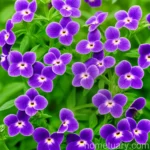
Understanding Pansy (Viola x wittrockiana) Plant: A Comprehensive Guide
Plants play a pivotal role in our lives, providing us with oxygen, food, and therapy through their serene beauty. Among these, the pansy (Viola x wittrockiana) emerges as a popular choice for garden lovers, adorning outdoor spaces with its vibrant colors and delicate petals. Packed with cultural significance and diverse uses, the pansy plant holds a special place in the hearts of horticulturists and flower enthusiasts. In this comprehensive guide, we will delve into the various facets of the pansy plant, unravelling its culture, uses, care, common diseases, pests, fun facts, and more.
What is a Pansy (Viola x wittrockiana)?
The pansy, scientifically known as Viola x wittrockiana, is a flowering plant cultivated primarily for its ornamental value. Belonging to the Violaceae family, this hybrid species is derived from several species in the Viola genus, such as Viola tricolor, Viola lutea, and Viola altaica. Renowned for its colorful and charming blooms, the pansy is a popular choice for borders, containers, and flower beds, adding a dash of elegance and cheerfulness to gardens and landscapes.
Key Takeaways – Pansy (Viola x wittrockiana)
Before we delve into the specifics of pansy plant care and cultivation, let’s explore some key takeaways about this captivating flower:
- Pansy flower: This delicate flower is characterized by its five overlapping petals and a distinctive “face” in the center, often in contrasting colors, making it one of the most recognizable garden flowers.
- Viola wittrockiana: The scientific name of the pansy plant, Viola wittrockiana, pays homage to the renowned Swedish botanist Veit Brecher Wittrock, who made significant contributions to the study of Viola species.
- Pansy plant care: Cultivating and caring for pansies requires understanding their specific water, sunlight, soil, and fertilizer needs, ensuring their optimal growth and blooming.
- Pansy garden: Pansies are popular choices for gardens, incorporating diverse flower colors and varieties to create visually stunning and vibrant displays.
- Pansy flower meaning: Symbolizing love, remembrance, and admiration, pansies have been associated with various meanings and symbolisms in different cultures and traditions.
- Pansy flower colors: Available in a wide spectrum of colors including purple, yellow, white, and red, pansies exhibit a diverse range of hues, allowing for creative and visually appealing landscaping and floral arrangements.
- Viola plants: The Viola genus encompasses a wide array of plants, including both perennial and annual species, each bearing unique characteristics and growth requirements.
- Pansy flowers in pots: Pansies thrive in pots and containers, offering versatility in garden design and allowing enthusiasts to cultivate them in confined spaces.
- Pansy bedding plants: Often utilized as bedding plants, pansies are frequently used to create floral bedding displays, adding charm and color to garden landscapes.
- Pansy flower varieties: With numerous hybrid varieties available, gardeners can explore an extensive selection of pansy blooms, each offering distinctive features and captivating colors.
- Pansy annuals: Many pansy varieties are classified as annuals, requiring re-planting each year, while others may flourish as perennials in suitable climates.
- Pansy perennial plants: In regions with milder climates, certain pansy cultivars may function as perennial plants, persisting and blooming for multiple seasons.
- Pansy flower bed: Pansy flower beds contribute to the aesthetic appeal of gardens and landscapes, serving as focal points and enhancing the overall visual impact.
- Pansy plant diseases: Like all plants, pansies are susceptible to diseases, and understanding common ailments and preventive measures is crucial for maintaining their health and vigor.
- Pansy planting tips: Employing appropriate planting techniques and understanding seasonal considerations is essential for successfully establishing and nurturing pansies.
- Pansy flower arrangements: Pansy blooms are an excellent choice for floral arrangements, offering vibrant colors, a delicate appearance, and a variety of display options.
- Pansy flower symbolism: With a rich history and cultural significance, pansies hold symbolic importance in different contexts, representing a diverse array of emotions and themes.
- Pansy flower gardens: Pansy flower gardens are characterized by their vivid, captivating displays, often serving as sources of inspiration for landscape design and gardening enthusiasts.
- Pansy flower facts: Delving into interesting facts about pansies can deepen our appreciation for these enchanting flowers and their remarkable traits.
- Pansy companion plants: Selecting appropriate companion plants can complement and enhance the visual impact of pansy displays, creating harmonious and appealing garden landscapes.
- Pansy flower seeds: Propagation through seeds is a common method for cultivating pansies and expanding their presence in gardens and outdoor spaces.
- Pansy flower pots: Utilizing pots and containers for growing pansies offers flexibility in garden design and allows for creative and customizable floral arrangements.
- Pansy flower borders: Incorporating pansies in garden borders can add a delightful and eye-catching element to the overall garden design, accentuating pathways and lawn edges.
- Pansy flower fragrance: Certain pansy varieties may emit a subtle and pleasant fragrance, contributing to the sensory appeal of garden landscapes.
- Pansy flower shades: Pansy blooms are available in a spectrum of shades, from bold and vibrant hues to soft and subtle tones, catering to diverse aesthetic preferences.
- Pansy flower patterns: Some pansy varieties display intricate and striking patterns on their petals, adding an element of intrigue and visual interest to their blooms.
- Pansy flower bouquets: Pansy flowers can be incorporated into stunning bouquets, adding charm, color, and a touch of whimsical elegance to floral arrangements and displays.
- Pansy flower names: Pansy cultivars are often bestowed with unique and inspiring names, adding a layer of personality and character to these captivating blooms.
- Pansy flower garden design: Leveraging pansies in garden design allows for the creation of visually striking and artistically crafted landscapes, appealing to the imaginative and creative sensibilities of garden enthusiasts.
- Pansy flower landscape: Integrating pansies into landscape designs offers an exciting range of possibilities, enhancing the visual appeal of outdoor spaces and enriching the overall aesthetic experience.
- Pansy flower containers: Planting pansies in containers caters to urban and confined gardening spaces, enabling enthusiasts to infuse color and vibrancy into balconies, patios, and small gardens.
- Pansy flower aesthetics: Appreciating the aesthetic qualities of pansies, from their delicate petals to their vibrant colors, is integral to understanding their visual impact in garden landscapes.
- Pansy flowers for sale: Pansies are popular choices for commercial sale, appealing to individuals seeking to add natural beauty and floral charm to their living spaces and outdoor environments.
- Pansy flower arrangement ideas: Exploring creative and innovative ideas for pansy flower arrangements inspires individuals to experiment with different styles and compositions, showcasing the versatility and elegance of these blooms.
- Pansy flower health benefits: Some studies suggest potential health benefits associated with pansies, adding an intriguing dimension to their allure and appeal beyond their aesthetic qualities.
- Pansy flower crafts: Crafting activities featuring pansy flowers offer opportunities for creative expression and artistic endeavors, using nature’s beauty as a source of inspiration and material.
- Pansy flower life cycle: Understanding the life cycle of pansies, from seed germination to flowering and reproduction, provides insights into their growth patterns and developmental stages.
- Pansy flower symbolism in art: Pansies have inspired numerous artists and creators, serving as subjects of paintings, drawings, and other artistic expressions, each offering unique interpretations and reflections.
- Pansy flower folklore: Exploring the folklore and traditional beliefs surrounding pansies adds depth and cultural significance to these enchanting flowers, unveiling intriguing stories and legends.
- Pansy flower language: Throughout history, pansies have been associated with specific meanings and symbolism in the language of flowers, offering a medium for expressing sentiments and emotions through floral gifts and arrangements.
- Pansy flower medicinal uses: Some cultures have utilized pansies for their potential medicinal properties, employing them in traditional remedies and natural healing practices.
- Pansy flower garden ideas: A range of creative and innovative garden ideas featuring pansies can inspire gardening enthusiasts, encouraging them to incorporate these charming blooms into their outdoor landscapes.
- Pansy flower home decor: Utilizing pansies for home decor and interior design offers a fresh and natural aesthetic, infusing living spaces with natural beauty and colorful charm.
- Pansy flower tattoo designs: Pansies are a popular subject for tattoo designs, serving as symbols of beauty, remembrance, and personal significance, often adorned with artistic flourishes and embellishments.
- Pansy flower for weddings: Pansies can be integrated into wedding decor, bouquets, and floral arrangements, contributing to the romantic ambiance and aesthetic appeal of wedding ceremonies and celebrations.
- Pansy flower photography: Capturing the beauty of pansy flowers through photography allows enthusiasts and professionals to showcase their exquisite blooms, preserving their charm and elegance in visual form.
- Pansy flower petal colors: The diverse spectrum of petal colors exhibited by pansy blooms offers a broad palette for artistic expression and creative endeavors, inspiring visual and design-oriented projects.
- Pansy flower window boxes: Cultivating pansies in window boxes adds a delightful and picturesque element to urban and residential environments, enhancing the exterior aesthetics of homes and buildings.
- Pansy flower painting techniques: Depicting pansies through painting and artistic techniques allows for creative exploration and expression, capturing their beauty and charm in varied artistic styles and mediums.
Now that we’ve established a foundational understanding of pansies, let’s dive deeper into the specifics of their cultivation, care, and maintenance. We’ll explore various aspects such as culture, uses, water requirements, sunlight preferences, fertilizer needs, soil conditions, pruning techniques, propagation methods, and more, providing comprehensive insights for gardeners and enthusiasts seeking to cultivate these delightful flowers.
Culture
Cultivating pansies involves understanding their specific cultural requirements, encompassing aspects such as water, sunlight, soil, and fertilizer. By aligning with these needs, gardeners can ensure the optimal growth, health, and blooming of pansies, allowing them to thrive and exhibit their captivating beauty.
Uses
Pansies are primarily cultivated for ornamental purposes, adorning gardens, landscapes, and outdoor spaces with their vibrant and charming blooms. Their uses include:
- Garden display: Pansies are often featured in flower beds, borders, and garden displays, contributing to the visual appeal and aesthetics of outdoor landscapes.
- Container gardening: Pansies thrive in pots and containers, allowing for flexible and customizable arrangements in confined spaces such as balconies, patios, and urban gardens.
- Floral arrangements: Pansy blooms are ideal for creating stunning bouquets and floral arrangements, adding a touch of elegance and color to interior decor and special occasions.
- Bedding plants: Pansies are frequently utilized as bedding plants, creating colorful and vibrant displays in garden beds and floral landscapes.
- Companion planting: Incorporating pansies alongside other plants can enhance garden layouts, contributing to visual appeal and overall garden design.
Understanding the diverse uses of pansies enables gardeners to explore creative and innovative ways of incorporating these charming blooms into various facets of garden and landscape design, as well as interior decor and ornamental arrangements.
Water
Proper watering is crucial for the health and vitality of pansies, as they require consistent moisture without being waterlogged. Key considerations for watering pansies include:
- Consistent moisture: Pansies thrive in consistently moist soil, necessitating regular watering to maintain optimal hydration levels for healthy growth and blooming.
- Avoid waterlogging: While pansies require moisture, they are sensitive to waterlogging, which can lead to root rot and other issues, necessitating proper drainage and watering practices.
- Morning watering: Watering pansies in the morning allows for adequate absorption and minimizes moisture retention on foliage, reducing the risk of fungal diseases and promoting overall plant health.
Understanding the specific water needs of pansies enables gardeners to establish effective watering schedules and practices, ensuring the well-being and vibrancy of these captivating flowers.
Sunlight
Pansies exhibit distinct preferences for sunlight, requiring adequate exposure to thrive and bloom abundantly. Sunlight considerations for pansies include:
- Partial to full sun: Pansies thrive in partial to full sunlight, benefitting from at least 6 hours of direct sunlight per day for vigorous growth and prolific blooming.
- Spring sunlight: During the spring season, pansies benefit from ample sunlight to stimulate robust flowering and ensure their overall health and vitality.
Accommodating the sunlight requirements of pansies is essential for optimizing their growth and blooming potential, enhancing their visual impact in garden landscapes and outdoor environments.
Fertilizer
Applying suitable fertilizer to pansies supports their nutritional requirements, fostering healthy growth and prolific blooming. Key considerations for fertilizing pansies include:
- Balanced fertilizer: Utilizing a balanced fertilizer with equal parts nitrogen, phosphorus, and potassium supports the overall health and vitality of pansies, promoting strong roots and abundant flowering.
- Seasonal fertilization: Applying fertilizer during the growing season, typically in spring and summer, provides pansies with the necessary nutrients for vigorous growth and continuous blooming.
- Avoid over-fertilization: Over-fertilization can lead to excessive foliage growth at the expense of blooms, necessitating a balanced and moderate approach to fertilizing pansies.
Employing appropriate fertilization practices is essential for optimizing the growth, flowering, and overall health of pansies, ensuring their vitality and visual appeal in garden settings.
Soil
Selecting and preparing suitable soil for pansies is essential for establishing the foundation for their growth and blooming. Soil considerations for pansies include:
- Well-draining soil: Pansies thrive in well-draining soil, preventing waterlogging and ensuring optimal root health and growth.
- Loamy texture: Soil with a loamy texture, rich in organic matter, provides an ideal environment for pansies, supporting their nutrient requirements and overall well-being.
- Neutral pH: Maintaining a neutral pH level in the soil, around 6.0 to 7.5, supports the optimal nutrient uptake and growth of pansies, ensuring their vigor and blooming potential.
Understanding the specific soil requirements of pansies allows gardeners to prepare suitable soil conditions, laying the groundwork for healthy and vibrant growth in garden and landscape settings.
Pruning
Pruning pansies is an essential practice for maintaining their health, shape, and blooming potential. Key aspects of pruning pansies include:
- Deadheading: Removing spent blooms, or deadheading, encourages continuous blooming and prevents the formation of seeds, redirecting energy into new flower production.
- Trimming leggy growth: Trimming leggy or overgrown stems promotes bushier growth and encourages robust flowering, enhancing the overall appearance and vitality of pansies.
Incorporating regular pruning practices into pansy care routines enables gardeners to maintain the health, beauty, and continuous blooming of these delightful flowers, contributing to their visual impact and longevity in garden landscapes.
Propagation
Propagating pansies allows for the expansion of their presence in gardens and outdoor environments, providing opportunities for enthusiasts to cultivate and share these charming blooms. Key methods of propagating pansies include:
- Seeds: Propagation through seeds is a common and straightforward method for expanding pansy populations, allowing for the cultivation of diverse varieties and colors.
- Division: Dividing mature pansy plants facilitates their propagation, creating new individuals from established specimens and ensuring genetic diversity and proliferation.
- Cuttings: Propagating pansies from stem cuttings offers an efficient and reliable method for establishing new plants, featuring traits and characteristics similar to the parent plant.
Incorporating propagation techniques into pansy cultivation practices allows gardeners to expand their pansy displays, enhance genetic diversity, and share the beauty of these flowers with others, enriching garden landscapes and outdoor environments.
Container Popularity
Pansies are exceptionally popular for container gardening, offering versatility, charm, and vibrant blooming potential in confined spaces. The popularity of pansies in containers stems from their:
- Compact size: Pansies exhibit a compact growth habit, making them well-suited for containers and pots, ideal for balconies, patios, and urban gardens.
- Vibrant colors: The diverse hues and captivating colors of pansy blooms add visual appeal and charm to container displays, infusing living spaces with natural beauty and elegance.
- Seasonal versatility: Pansies thrive in both cool and mild climates, offering versatility and adaptability for year-round container gardening, providing continuous blooming and floral charm.
The popularity of pansies in container gardening reflects their versatility, aesthetic appeal, and suitability for diverse gardening environments and design preferences.
Common Diseases
Pansies, like all plants, are susceptible to certain diseases that can affect their health and overall vigor. Understanding common diseases and their symptoms empowers gardeners to implement preventative measures and timely interventions, protecting the well-being of their pansy plants. Some common diseases that may affect pansies include:
- Powdery mildew: A fungal disease characterized by the presence of white, powdery patches on foliage, leading to leaf distortion and diminished plant health.
- Cercospora leaf spot: A fungal disease causing the formation of purple or brown spots on pansy leaves, often accompanied by yellowing and premature leaf drop, impacting plant vigor.
- Botrytis blight: This fungal disease manifests as gray mold on pansy blooms and foliage, leading to flower and plant deterioration, particularly in damp and humid conditions.
- Root rot: Excessive moisture and poor drainage can cause root rot in pansies, resulting in wilting, yellowing of foliage, and a decline in overall plant health.
Recognizing the symptoms and signs of common pansy diseases allows gardeners to implement targeted management strategies, including proper watering, sanitation, and, if necessary, the application of suitable fungicides.
Disease Diagnosis
Diagnosing diseases in pansies involves careful observation and assessment of plant symptoms, leaf irregularities, and overall plant health. Conducting a comprehensive disease diagnosis for pansies encompasses the following steps:
- Symptom observation: Examining pansy plants for signs of leaf discoloration, spots, mold, wilting, or unusual growth patterns, noting any abnormalities or irregularities.
- Environmental assessment: Evaluating environmental conditions such as moisture levels, sunlight exposure, and air circulation, which may contribute to disease development and plant stress.
- Growth pattern analysis: Assessing the growth and vigor of pansy plants, identifying any deviations from typical growth patterns, blooming frequency, or overall plant health.
- Pathogen identification: If possible, identifying the specific pathogen responsible for diseased symptoms, such as fungal spores, bacterial presence, or pest infestations, through proper diagnostic methods.
By conducting a thorough disease diagnosis, gardeners can implement targeted interventions and management strategies, safeguarding the health and vitality of their pansy plants and preventing the spread of diseases in garden settings.
Common Pests
Pansies may be vulnerable to