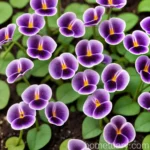
Viola affinis (Sand Violet): A Complete Guide to Cultivation and Care

Viola affinis, commonly known as Sand Violet, is a delightful perennial wildflower native to North America. This charming plant is a favorite among gardeners for its delicate, pale lavender flowers and attractive heart-shaped leaves. Sand Violets are not only visually appealing but also play a valuable ecological role as they provide food for pollinators and offer a charming naturalistic touch to gardens and landscapes.
As a plant scientist and enthusiast, I am delighted to share this comprehensive guide focused on the cultivation and care of Viola affinis. From planting tips and propagation methods to water and sunlight requirements, I will cover all aspects of nurturing these beautiful wildflowers. Whether you are a novice gardener or a seasoned horticulturist, this guide will equip you with the knowledge and expertise to cultivate thriving Sand Violet plants.
Key Takeaways – Viola affinis (Sand Violet)
Before diving into the intricate details of Sand Violet cultivation, let’s take a quick look at the key takeaways that will be explored in this comprehensive guide:
- Understanding the culture and uses of Viola affinis
- Essential guidelines on watering, sunlight, fertilizer, and soil for Sand Violets
- Pruning techniques and propagation methods for the continued health of the plant
- Insights into common diseases, pests, and their management
- Botanist’s tips and fun facts about Viola affinis
Now, let’s delve into each of these aspects and explore the fascinating world of Sand Violets.
What is Viola affinis (Sand Violet)?
Viola affinis, belonging to the Violaceae family, is a rhizomatous perennial herbaceous plant native to North America. It is commonly found in regions with sandy or well-drained soils, such as dunes, prairies, and open woodlands. This charming wildflower typically blooms from spring to early summer, gracing its surroundings with delicate, pale lavender blossoms with yellow centers.
Sand Violets are characterized by their heart-shaped, toothed leaves and a low-growing, spreading growth habit. They contribute to the biodiversity of their native habitats by attracting pollinators, including bees and butterflies, with their nectar-rich flowers. From a garden design perspective, Viola affinis adds a delightful naturalistic appeal, particularly when planted en masse or in rock gardens.
Culture of Viola affinis
Uses
- Viola affinis is valued for its ornamental appeal in gardens, naturalistic landscapes, and native plantings.
- It serves as a valuable nectar source for pollinators, supporting biodiversity and ecological balance.
- Sand Violets can be utilized in mixed perennial borders, woodland gardens, and along the edges of naturalized areas to add a charming touch.
Water
Proper watering is essential for the health and vigor of Sand Violet plants. Here are the key points to consider:
- Watering Needs: Viola affinis thrives in well-drained soils and prefers consistent moisture, especially during dry spells. Avoid overwatering, as it can lead to root rot and other moisture-related issues.
- Frequency: Water newly planted Sand Violets regularly to establish their root systems. Once established, they can tolerate some dry spells, but regular watering during prolonged droughts is beneficial.
Sunlight
Viola affinis has specific sunlight requirements for optimal growth and flowering:
- Sun Exposure: While Sand Violets prefer part shade to full shade, they can tolerate some morning sun or dappled sunlight. In hotter climates, providing them with afternoon shade can prevent stress and maintain their vibrant foliage and blooms.
- Growing Indoors: For indoor cultivation, ensure that the plants receive bright, indirect light to mimic their natural habitat conditions.
Fertilizer
Proper fertilization supports the growth and blooming capacity of Viola affinis. Consider these guidelines when fertilizing Sand Violets:
- Fertilizer Needs: Use a balanced, slow-release fertilizer applied in early spring to provide essential nutrients for healthy growth and abundant flowering.
- Application: Apply the fertilizer according to the manufacturer’s instructions, and avoid excessive fertilization, which can result in excessive foliage growth at the expense of flowers.
Soil
The right soil conditions form the foundation for healthy Sand Violet plants. Here’s what you need to know about the soil requirements:
- Soil Type: Viola affinis thrives in well-drained, sandy, or loamy soils with a slightly acidic to neutral pH. Good soil drainage is crucial to prevent waterlogging and root damage.
- Amendments: Incorporating organic matter, such as compost or leaf mold, into the soil can improve its structure and nutrient content, creating an ideal growing environment for Sand Violets.
Pruning
Pruning plays a vital role in maintaining the health and aesthetics of Viola affinis plants. Follow these pruning tips for optimal results:
- Deadheading: Regularly remove spent blossoms to encourage prolonged flowering and prevent the formation of seed pods, which can divert energy from new growth.
- Thinning: Periodically thin out overcrowded growth to improve air circulation and reduce the risk of diseases, such as powdery mildew, which can thrive in dense foliage.
Propagation
Meticulous propagation methods enable the expansion of Viola affinis populations. Consider these approaches for successful propagation:
- Division: Divide mature clumps of Sand Violets in early spring to create new plants. Ensure that each division has a healthy root system and sufficient foliage for robust growth.
- Seed Propagation: Collect and sow Viola affinis seeds in a well-prepared seedbed in late summer or early fall. Provide consistent moisture to aid germination, and transplant the seedlings once they are established.
Container Popularity
While Viola affinis is often grown in garden beds and naturalized areas, it can also thrive in containers, offering flexibility in design and cultivation. The use of containers allows for strategic placement and focal points in landscapes and outdoor living spaces.
Common Diseases
Despite being generally healthy plants, Viola affinis can be susceptible to specific diseases. Familiarize yourself with these common diseases and their management:
- Powdery Mildew: This fungal disease can appear as a powdery white coating on the foliage. To prevent its spread, ensure adequate air circulation and consider using fungicidal sprays if the condition persists.
- Crown Rot: Occurring in waterlogged soils, crown rot can lead to the collapse of the plant. Improving soil drainage and avoiding excessive watering is crucial for preventing this issue.
Disease Diagnosis
Monitoring the health of Sand Violet plants and promptly identifying diseases are essential for effective management. Keep an eye out for any signs or symptoms of diseases, and take proactive measures if issues are detected.
Common Pests
Pest infestations can pose a threat to the well-being of Viola affinis. Stay vigilant and address potential pest issues using appropriate measures:
- Aphids: These small, sap-sucking insects can distort new growth and transmit viral diseases. Insecticidal soaps and horticultural oils can be used to control aphids effectively.
- Slugs and Snails: These moisture-loving pests can feed on the foliage and flowers of Sand Violets. Consider using physical barriers or environmentally friendly deterrents to protect the plants.
Botanist’s Tips
Tapping into botanical expertise can enhance your success with Viola affinis cultivation. Consider these tips from experienced botanists:
- Observation: Regularly observe your Sand Violet plants to monitor their growth, flowering patterns, and overall health. This practice allows for timely intervention and adjustments to optimize their well-being.
- Species Diversity: Explore the diverse range of Viola affinis varieties and cultivars to introduce unique characteristics and colors into your garden or landscape design.
Fun Facts
Uncover intriguing insights and fun facts about Viola affinis to deepen your appreciation for this captivating wildflower:
- Fragrance: Sand Violets emit a delicate, sweet fragrance, adding sensory appeal to the garden and attracting pollinators with their alluring scent.
- Edible Flowers: The flowers of Viola affinis are edible and can be used as a decorative, edible garnish in culinary creations, such as salads or desserts.
Links to External Resources
To further expand your knowledge and understanding of Viola affinis, explore the following external resources:
Conclusion
In conclusion, Viola affinis, or Sand Violet, is a captivating wildflower that offers both ornamental and ecological value. By following the comprehensive guidelines and insights provided in this guide, you can cultivate thriving Sand Violet plants and integrate them harmoniously into your garden and landscape designs. From understanding its cultural preferences to effectively managing diseases and pests, this guide equips you with the knowledge and expertise necessary for successful Viola affinis cultivation.
Remember to leverage external resources and seek guidance from experienced professionals to enhance your proficiency in caring for Sand Violets. As you embark on the journey of nurturing Viola affinis, may you find joy in the enchanting beauty and ecological contributions of this remarkable perennial wildflower.
So, whether you’re planning to plant Viola affinis in your garden, create a naturalistic landscape, or simply appreciate the allure of wildflowers, Sand Violets offer a delightful and rewarding experience for plant enthusiasts and nature lovers alike.
Viola affinis: Nature’s Vibrant Elegance, Cultivated with Care.