Violet (Viola ‘Red Giant’)
Viola is a genus of flowering plants in the violet family Violaceae, with around 500 species distributed across the world. Among these species, Viola ‘Red.
What is the Viola ‘Red Giant’ Plant?
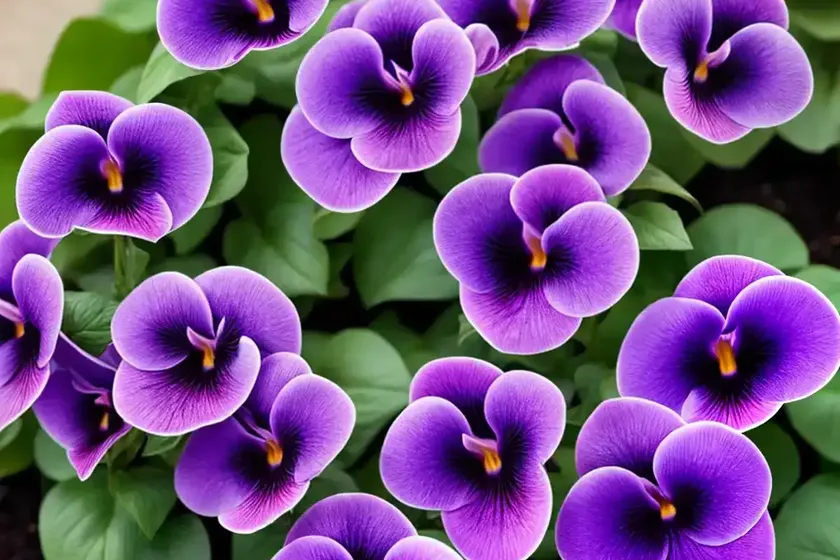
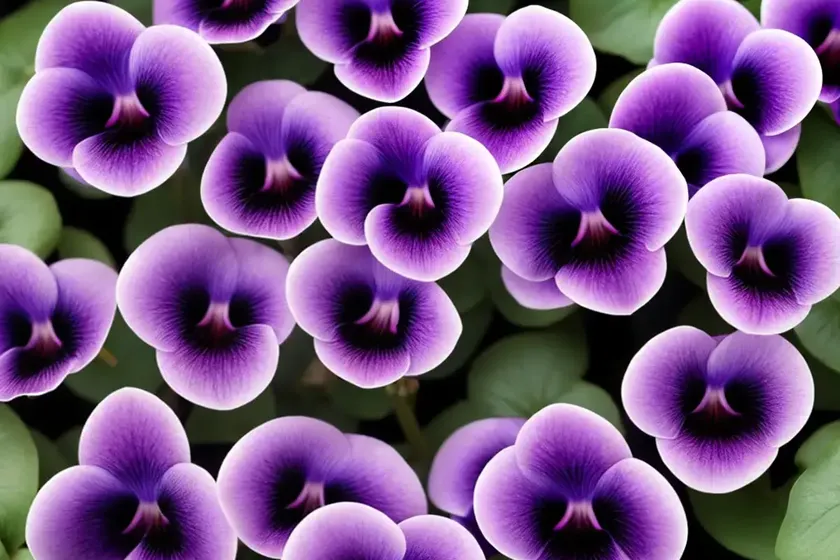
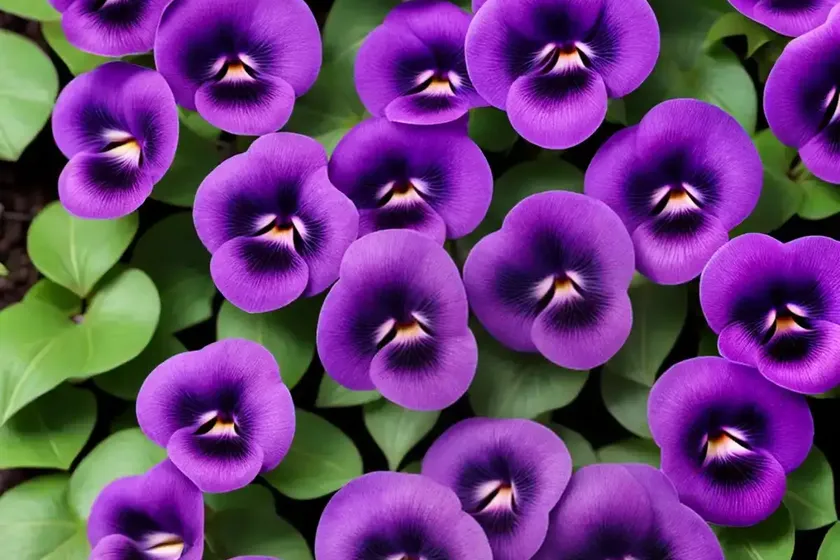
Viola is a genus of flowering plants in the violet family Violaceae, with around 500 species distributed across the world. Among these species, Viola ‘Red Giant’ stands out as a charming and visually striking variety. This particular cultivar is prized for its vibrant red and white flowers, making it a popular choice for gardeners seeking to add a splash of color to their landscapes.
Key Takeaways – Viola ‘Red Giant’
Before delving deeper into the specifics of caring for the Viola ‘Red Giant,’ let’s take a quick look at the key points to keep in mind:
– Scientific Name: Viola ‘Red Giant’
– Common Name: Red Giant Viola
– Characteristics: Vibrant red and white flowers, low-growing habit
– Maintenance: Requires moderate care and attention
– Cultivation: Suitable for both garden and container cultivation
– Uses: Ideal for borders, ground cover, and container gardening
Now, let’s explore the nuances of cultivating and caring for this beautiful plant.
Culture
Water
The Viola ‘Red Giant’ thrives in consistently moist soil, making regular watering essential, especially during dry periods. However, it’s crucial to avoid overwatering, as this can lead to root rot and other moisture-related issues. Striking a balance by keeping the soil consistently moist but not waterlogged will ensure optimal growth and flowering.
Sunlight
This variety prefers partial to full sun, requiring at least 4-6 hours of sunlight daily to promote healthy growth and prolific flowering. In hotter climates, providing some shade during the hottest part of the day can prevent the plants from wilting or scorching.
Fertilizer
Regular feeding with a balanced, all-purpose fertilizer can enhance the growth and flowering of Viola ‘Red Giant.’ Applying a slow-release fertilizer or a liquid fertilizer every 4-6 weeks during the growing season can provide the necessary nutrients for vibrant blooms and robust foliage.
Soil
Well-draining, fertile soil is crucial for the Viola ‘Red Giant.’ A slightly acidic to neutral soil pH ranging from 6.0 to 7.2 is ideal for promoting healthy growth. Additionally, amending the soil with organic matter like compost can improve its texture and fertility, creating an optimal environment for the plant to thrive.
Pruning
This variety typically requires minimal pruning, but deadheading spent blooms can prolong the flowering period and encourage the development of new flowers. Additionally, removing any damaged or diseased foliage can help maintain the plant’s overall health and appearance.
Propagation
Seed Starting
Viola ‘Red Giant’ can be propagated from seeds, which should be sown indoors 8-10 weeks before the last expected frost date. It’s important to press the seeds lightly into the soil, as they require light for germination. Keeping the soil consistently moist and providing bottom heat can facilitate germination, with the seedlings ready for transplantation once they have developed several true leaves.
Division
Dividing mature plants is another effective method of propagating Viola ‘Red Giant.’ This can be done in early spring or fall, with the divided sections replanted in suitable locations for continued growth and flowering.
Container Popularity
The compact nature and vibrant blooms of Viola ‘Red Giant’ make it a popular choice for container gardening. Whether showcased on its own or mixed with other complementary plants, this cultivar can bring color and visual interest to various outdoor settings, from patios and balconies to garden borders.
Common Diseases
Disease Diagnosis
While Viola ‘Red Giant’ is generally resilient, it can be susceptible to certain diseases, including:
– Powdery Mildew: This fungal disease can manifest as a powdery white coating on the leaves, often causing them to become distorted and yellowed.
– Botrytis Blight: Gray mold, or botrytis blight, can affect the plant during periods of extended moisture, leading to the development of gray fungal growth on the foliage and flowers.
Disease Resistance
Selecting disease-resistant varieties and ensuring proper spacing and ventilation can help minimize the risk of these and other diseases. Additionally, practicing good garden hygiene by removing and disposing of affected plant material can prevent the spread of diseases and promote overall plant health.
Common Pests
Pest Management
Viola ‘Red Giant’ may attract certain pests, including:
– Aphids: These small, soft-bodied insects can cluster on the undersides of leaves, sucking sap and potentially spreading viral diseases.
– Slugs and Snails: These mollusks are known for feeding on plant foliage, leaving behind irregular holes and damage.
Pest Control
Regular monitoring and the use of physical barriers, such as copper tape, can help deter slugs and snails. Applying insecticidal soap or horticultural oil can effectively manage aphid infestations, providing targeted control without disrupting beneficial insects.
Botanist’s Tips
Climate Suitability
Viola ‘Red Giant’ is suitable for cultivation in USDA hardiness zones 4-9, thriving in moderate to cool temperatures with adequate moisture and sunlight.
Companion Plants
When designing planting schemes or container arrangements involving Viola ‘Red Giant,’ consider pairing it with complementary plants such as:
– Dwarf Conifers: These evergreen plants can provide a contrasting backdrop for the colorful blooms of Viola ‘Red Giant.’
– Spring Bulbs: Incorporating early-flowering bulbs like tulips and daffodils can create a dynamic display of color and texture, complementing the low-growing habit of the Viola.
Non-Toxicity
For households with pets or young children, it’s reassuring to know that Viola ‘Red Giant’ is non-toxic to humans and animals, making it a safe choice for gardens and outdoor living spaces.
Fun Facts
- In the language of flowers, violets symbolize faithfulness, making them a popular choice for romantic gestures and expressions of loyalty.
- Viola flowers are edible and can be used as decorative accents for salads, desserts, and other culinary creations.
- The genus name “Viola” is believed to be derived from the Greek word “ion,” referencing the plant’s characteristic scent.
Links to External Resources
For further information on the cultivation and care of Viola ‘Red Giant,’ consider exploring the following resources:
– The American Violet Society
– Royal Horticultural Society: Growing Violets
In conclusion, Viola ‘Red Giant’ is a delightful and versatile plant that can enhance various outdoor spaces with its vibrant blooms and charming presence. By understanding its specific cultural requirements and implementing appropriate care practices, gardeners can enjoy the beauty of this distinctive variety as it thrives and flourishes in their gardens.
For more detailed guidance on specific aspects of Viola ‘Red Giant’ care, please refer to the comprehensive sections in this blog post, covering everything from cultivation and maintenance to propagation and pest management. Whether you’re a seasoned gardener or new to horticulture, this plant offers an exciting opportunity to explore and appreciate the natural world while adding a touch of enchanting beauty to your outdoor environment.


