Vinca Minor (Lesser Periwinkle)
Vinca minor, commonly known as Lesser Periwinkle, is a versatile and low-maintenance plant that holds a special place in gardens and landscapes. With its.
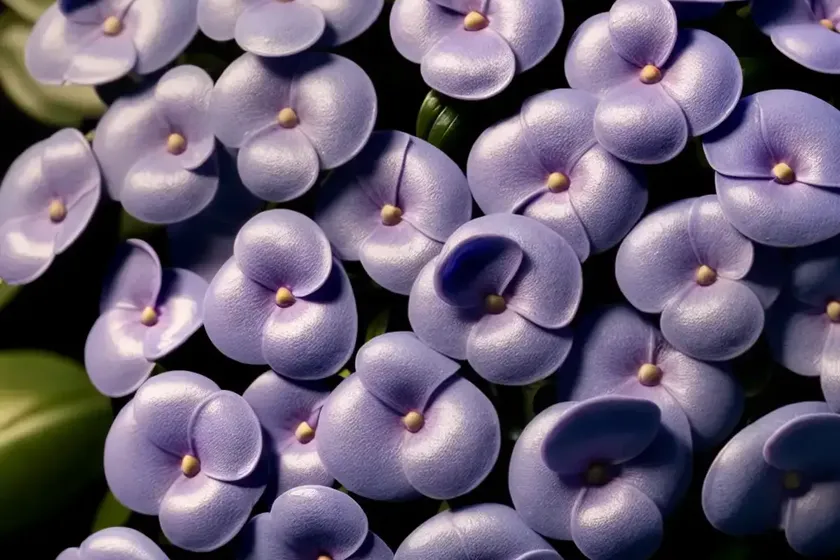
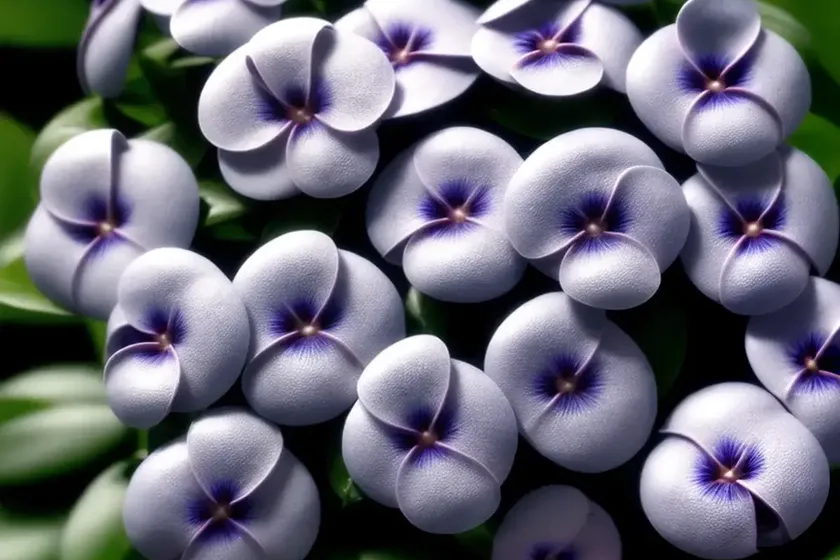
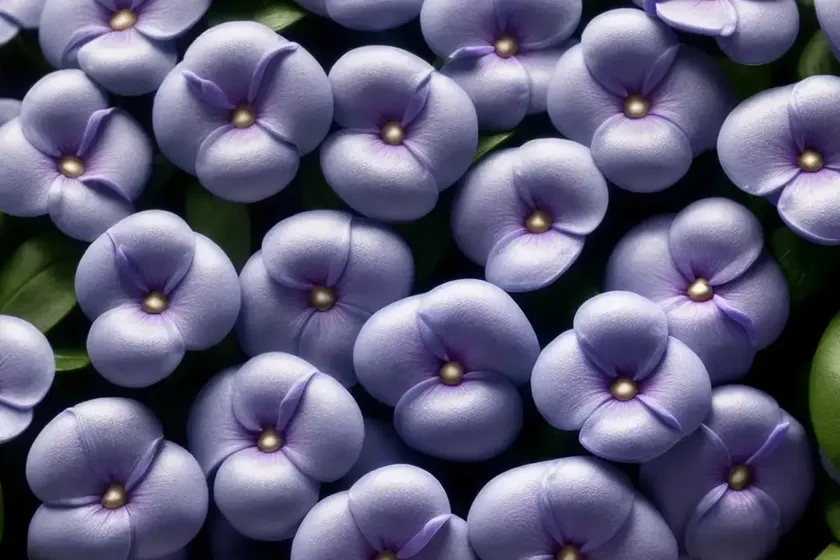
Vinca minor, commonly known as Lesser Periwinkle, is a versatile and low-maintenance plant that holds a special place in gardens and landscapes. With its striking blue flowers and glossy green foliage, this trailing perennial has garnered popularity as a ground cover and ornamental plant. Its adaptability to various conditions and ease of care make it a favorite among gardeners, horticulturists, and landscaping professionals.
In this comprehensive guide, we will delve into the culture, uses, maintenance, and propagation of Vinca minor. Additionally, we will explore its common pests, diseases, and botanist’s tips to help you cultivate and appreciate this charming plant to its fullest potential.
What is Vinca minor (Lesser Periwinkle)?
Vinca minor, a member of the Apocynaceae family, is a small perennial plant native to central and southern Europe, as well as southwest Asia. It flourishes in temperate climates and has found widespread cultivation due to its adaptability and aesthetic appeal. With its trailing growth habit, it forms a dense mat of evergreen foliage adorned with delicate, star-shaped flowers.
Key Takeaways – Vinca minor (Lesser Periwinkle)
Before we delve into the intricacies of Vinca minor care and cultivation, let’s take a quick look at the key takeaways:
- Vinca minor Care: Understanding the cultural requirements for optimal growth and health of Vinca minor.
- Lesser Periwinkle Plant: Exploring the varied uses and benefits of incorporating Vinca minor in gardens and landscapes.
- Vinca minor Varieties: Discovering different cultivars and varieties of Vinca minor available to suit specific preferences and requirements.
- Periwinkle Ground Cover: Recognizing the role of Vinca minor as an effective ground cover and its contribution to landscaping.
- Vinca minor Propagation: Exploring methods for propagating Vinca minor to expand its presence in your garden or landscape design.
- Lesser Periwinkle Flowers: Appreciating the charming and enduring beauty of the flowers produced by Vinca minor.
- Vinca minor Perennial: Understanding the lifecycle and persistence of Vinca minor as a perennial plant.
- Periwinkle Ground Ivy: Exploring the ground-hugging characteristics of Vinca minor and its resemblance to ivy.
- Vinca minor Pruning: Mastering the art of pruning Vinca minor to maintain its form and vigor.
- Lesser Periwinkle Benefits: Unveiling the ecological and aesthetic benefits of cultivating Vinca minor.
- Vinca minor Creeping Vine: Understanding its growth pattern and the role it plays in covering empty spaces.
- Periwinkle Plant Uses: Recognizing the multifaceted uses of Vinca minor in various applications.
- Vinca minor Ground Cover: Understanding its role in controlling erosion and adding visual interest to outdoor spaces.
- Lesser Periwinkle Characteristics: Identifying the distinct features and traits of Vinca minor that contribute to its appeal.
- Vinca minor Trailing Plant: Exploring its trailing growth habit and its suitability for hanging baskets and raised planters.
- Periwinkle Plant Care Tips: Learning the essential care tips to ensure the health and vitality of Vinca minor.
- Vinca minor Shade Plant: Recognizing its tolerance to shade and its role in shaded garden settings.
- Lesser Periwinkle Weed Control: Understanding the suppressive role of Vinca minor in weed management.
- Vinca minor Evergreen: Appreciating its year-round foliage and its contribution to the winter landscape.
- Periwinkle Plant Symbolism: Exploring the historical and cultural symbolism associated with Vinca minor.
- Vinca minor Medicinal Uses: Unveiling the traditional medicinal uses of Vinca minor in herbal medicine.
- Lesser Periwinkle Trailing Vine: Recognizing its versatility and its potential as a decorative trailing vine.
- Vinca minor Ground Ivy Family: Understanding its taxonomical classification within the Apocynaceae family.
- Periwinkle Plant Landscaping: Discovering its role in landscape design and its contribution to the overall aesthetic appeal.
- Vinca minor Leaves: Understanding the foliage characteristics and its visual appeal in garden settings.
- Lesser Periwinkle Ground Cover Ideas: Exploring creative landscaping ideas incorporating Vinca minor as a ground cover.
- Vinca minor Ground Cover between Pavers: Recognizing its role in filling gaps and adding a touch of greenery among hardscapes.
- Periwinkle Plant in Containers: Understanding its suitability for container gardening and its role in enhancing outdoor spaces.
- Vinca minor Drought Tolerant: Appreciating its ability to withstand dry conditions and its low water requirements.
- Lesser Periwinkle Wildlife Habitat: Exploring its ecological significance as a habitat and food source for wildlife.
- Vinca minor Creeping Plant: Recognizing its growth pattern and its role in naturalizing landscapes.
- Periwinkle Plant in Rock Gardens: Understanding its suitability for rock gardens and its contribution to xeriscaping.
- Vinca minor Ground Cover Alternatives: Exploring alternative ground cover options to complement Vinca minor in garden settings.
- Lesser Periwinkle Ground Cover Maintenance: Understanding the minimal maintenance requirements for Vinca minor ground cover.
- Vinca minor Flowers in Spring: Appreciating the seasonal display of flowers produced by Vinca minor.
- Periwinkle Plant as a Border: Exploring its role in delineating garden borders and pathways.
- Vinca minor Shade Tolerant: Recognizing its adaptability to shaded conditions and its thriving in such environments.
- Lesser Periwinkle Ground Cover Benefits: Understanding the ecological and practical benefits of incorporating Vinca minor as a ground cover.
- Vinca minor Soil Requirements: Exploring the soil preferences and requirements for optimal growth of Vinca minor.
- Periwinkle Plant for Erosion Control: Recognizing its role in erosion-prone areas and its contribution to soil stabilization.
- Vinca minor Low Maintenance Plant: Understanding its suitability for low-maintenance landscapes and its resilience.
- Lesser Periwinkle Ground Cover Problems: Addressing potential challenges and issues associated with Vinca minor ground cover.
- Vinca minor Variegata: Recognizing the variegated forms of Vinca minor and their visual appeal in garden settings.
- Periwinkle Plant for Slopes: Exploring its suitability for sloped landscapes and its role in erosion prevention.
- Vinca minor Ground Cover Alternatives: Understanding alternative ground cover options and their suitability for specific settings.
- Lesser Periwinkle Landscape Design Ideas: Exploring creative landscape design ideas featuring Vinca minor as a key element.
- Vinca minor Trailing Evergreen: Appreciating its evergreen character and its contribution to the winter landscape.
- Periwinkle Plant in Hanging Baskets: Understanding its suitability for hanging baskets and its trailing effect in container plantings.
- Vinca minor Compacta: Recognizing the dwarf form of Vinca minor and its suitability for compact garden spaces.
- Lesser Periwinkle Plant Facts: Unveiling interesting facts and trivia about Vinca minor to deepen the understanding and appreciation of this charming plant.
Now that we have outlined the key takeaways, let’s delve into each aspect of Vinca minor in detail.
Culture
Understanding the cultural requirements of Vinca minor is essential for successful cultivation and growth. As a versatile and adaptable plant, Vinca minor flourishes under diverse conditions, making it an excellent choice for various outdoor settings.
Uses
The uses of Vinca minor extend across different domains, from its aesthetic appeal in gardens and landscapes to its ecological and medicinal significance. Understanding the diverse uses of Vinca minor sheds light on its versatility and value.
- Garden and Landscape Ornament: Vinca minor serves as an attractive ground cover, adding visual interest and texture to garden beds, borders, and pathways.
- Erosion Control: Due to its trailing growth habit and robust root system, Vinca minor effectively stabilizes soil on slopes and prevents erosion, making it a valuable erosion control plant.
- Wildlife Habitat: The dense foliage of Vinca minor provides shelter for small wildlife and serves as a food source for certain insect species, contributing to the ecological balance of outdoor spaces.
- Medicinal Purposes: In traditional and herbal medicine, Vinca minor has been used for its purported medicinal properties, especially in the treatment of various health conditions.
Water
Vinca minor exhibits moderate water needs and can tolerate periods of drought once established. Adequate watering during the establishment phase and dry spells is crucial for the health and vigor of this plant.
- Establishment Phase: Newly planted Vinca minor requires regular watering to aid in root establishment and growth. Provide sufficient water to keep the soil evenly moist, especially during the first few months after planting.
- Mature Plants: Once established, Vinca minor exhibits good drought tolerance. However, regular watering during extended dry periods is beneficial to maintain its vigor and promote flowering.
- Watering Practices: Watering Vinca minor in the early morning or late afternoon is ideal to minimize water loss through evaporation and ensure effective uptake by the plant.
Sunlight
Vinca minor is adaptable to various light conditions, ranging from full sunlight to partial shade. This adaptability contributes to its widespread use in different garden and landscape settings.
- Full Sun: In regions with moderate climatic conditions, Vinca minor thrives in full sunlight. Adequate sunlight promotes vigorous growth and enhances flower production.
- Partial Shade: Vinca minor exhibits good tolerance to partial shade and can thrive under dappled light conditions. This adaptability makes it suitable for shaded garden beds and woodland settings.
- Light Requirements: While Vinca minor is adaptable to different light conditions, providing a balance of sunlight and shade yields the best results, especially in hot climates.
Fertilizer
Vinca minor benefits from balanced fertilization to support healthy growth and flowering. Proper application of fertilizers ensures optimal nutrient uptake and promotes robust foliage and abundant blooms.
- Fertilizer Type: A balanced, all-purpose fertilizer with equal N-P-K (nitrogen, phosphorus, potassium) ratios is suitable for Vinca minor. It provides essential nutrients without promoting excessive foliage growth at the expense of flowers.
- Application Frequency: Apply fertilizer to Vinca minor in the early spring as new growth emerges. A single application at the beginning of the growing season is generally sufficient to meet its nutritional needs for the year.
- Fertilizer Dosage: Follow the manufacturer’s recommended dosage and application instructions to avoid over-fertilization, which can lead to poor flowering and excessive vegetative growth.
Soil
Understanding the soil preferences and requirements of Vinca minor is crucial for creating optimal growing conditions and ensuring its long-term health and vigor.
- Well-Drained Soil: Vinca minor thrives in moderately moist, well-drained soil. Avoid waterlogged or compacted soil, as it can lead to root rot and other issues.
- Soil pH: Vinca minor prefers slightly acidic to neutral soil with a pH range of 6.0 to 7.0. Conduct a soil test to determine the pH level and make adjustments if necessary to create an ideal growing environment.
- Soil Amendments: Incorporating organic matter such as compost or well-rotted manure into the soil before planting Vinca minor enriches the soil structure and fertility, providing a favorable growing medium for the plant.
Pruning
Proper pruning is essential for maintaining the appearance, health, and vigor of Vinca minor. Understanding the pruning techniques and practices ensures that this plant remains an attractive and well-behaved component of the garden.
- Deadheading: Regular deadheading of faded flowers promotes continuous blooming and prevents the plant from expending energy on seed production.
- Overgrown Areas: Vinca minor has a tendency to spread vigorously. Pruning back the overgrown or invasive areas helps to maintain its form and prevent it from overtaking other plants in the garden.
- Pruning Frequency: Periodic pruning, especially after the flowering period, helps to rejuvenate the plant, control its spread, and maintain its compact growth habit.
Propagation
Propagation of Vinca minor allows for the expansion of its presence in the garden or landscape. By understanding the different methods of propagation, you can create new plantings and enhance the visual appeal of outdoor spaces.
- Division: Dividing established clumps of Vinca minor is a simple and effective method of propagation. This can be done in early spring or early fall, ensuring that each division has sufficient roots and foliage to establish itself.
- Cuttings: Stem cuttings provide a reliable means of propagating Vinca minor. Take 4- to 6-inch cuttings from healthy, non-flowering stems and root them in a well-draining propagation medium to produce new plants.
- Layering: Air layering is another propagation technique suitable for Vinca minor. Encourage roots to form on a stem while still attached to the parent plant, and once rooted, detach the new plant for transplantation.
Container Popularity
Vinca minor’s versatility and adaptability make it a popular choice for container gardening. Its trailing growth habit and low maintenance needs make it a valuable addition to outdoor container plantings.
- Hanging Baskets: Vinca minor adds a trailing and cascading element to hanging baskets, providing a lush and visually appealing display.
- Mixed Containers: Incorporating Vinca minor into mixed containers, along with other seasonal plants and flowers, adds texture, color, and visual interest to patio and garden areas.
- Container Selection: Choose well-drained containers of suitable size for growing Vinca minor. Ensure that the containers have sufficient drainage holes to prevent waterlogging.
Common Diseases
Understanding the common diseases that can affect Vinca minor is essential for early detection and prompt management to ensure its continued vigor and health.
- Leaf Spot: Fungal diseases such as leaf spot can affect the foliage of Vinca minor, leading to unsightly spots or lesions. Provide proper air circulation and avoid overhead watering to minimize the risk of leaf spot.
- Root Rot: Prolonged waterlogging or poorly drained soil can lead to root rot, resulting in wilting and decline of the plant. Ensure that the soil is well-drained and avoid overwatering to prevent root rot.
- Powdery Mildew: Humid and stagnant conditions can promote the development of powdery mildew on the foliage of Vinca minor. Maintaining good air circulation and avoiding overhead watering helps prevent powdery mildew.
Disease Diagnosis
Early diagnosis of diseases affecting Vinca minor is crucial for implementing effective management strategies. By recognizing the symptoms and signs of common diseases, you can take timely action to safeguard the health of the plant.
- Leaf Spot: Identified by the presence of dark, water-soaked spots on the foliage, which may enlarge and cause premature leaf drop.
- Root Rot: Symptoms include wilting, yellowing foliage, and overall decline of the plant. Digging up the plant and inspecting the roots reveals brown, mushy roots affected by root rot.
- Powdery Mildew: Detection of powdery white patches on the upper and lower surfaces of the leaves indicates the presence of powdery mildew.
Common Pests
While Vinca minor is generally resistant to pests, certain insect species can occasionally affect its health and appearance. Recognizing these common pests is crucial for implementing pest control measures when necessary.
- Aphids: These small, sap-sucking insects can infest the foliage of Vinca minor, leading to distorted growth and honeydew secretion. Introduce natural predators or use insecticidal soap to manage aphid infestations.
- Spider Mites: Spider mites may cause stippling or discoloration of the foliage due to their feeding activity. Regularly spraying the foliage with water or using horticultural oil helps prevent and control spider mite populations.
Botanist’s Tips
Drawing on the expertise of botanists and horticultural professionals provides valuable insights and tips for successful cultivation and appreciation of Vinca minor.
- Variegated Cultivars: Explore the diverse range of variegated cultivars of Vinca minor that offer unique foliage patterns and colors, adding visual interest to garden settings.
- Companion Planting: Consider companion plants that complement Vinca minor and harmonize with its growth habit and cultural requirements. Select plants that thrive in similar conditions for a cohesive and visually appealing landscape.
- Mulching: Apply a layer of organic mulch around the base of Vinca minor to conserve soil moisture, suppress weed growth, and insulate the roots during temperature fluctuations.
Fun Facts
Discovering intriguing and captivating facts about Vinca minor adds to the allure and fascination of this beloved plant, deepening our appreciation for its unique characteristics.
- Historical Significance: Vinca minor has a rich historical background, with references to its use in ancient medicine and its symbolic significance in various cultures and traditions.
- Symbolism: In some cultures, Vinca minor is associated with themes of fidelity, perseverance, and enduring love, adding layers of symbolism to its presence in gardens and landscapes.
Links to External Resources
For further exploration and in-depth information about Vinca minor, we recommend the following external resources:
- The Vinca minor Gardener’s Guide
- Cultivating Vinca minor for Ground Cover Applications
- Vinca minor: A Comprehensive Plant Profile
- Exploring the Varied Uses of Vinca minor in Horticulture
- Understanding the Medicinal Properties of Vinca minor
With an in-depth understanding of Vinca minor and its diverse aspects, you are well-equipped to cultivate, appreciate, and integrate this charming plant into your outdoor spaces. Whether used as a ground cover, an ornamental plant, or a key element in landscaping, Vinca minor continues to captivate and inspire plant enthusiasts and horticultural professionals alike.
As you embark on your journey with Vinca minor, may its enduring beauty and adaptability bring joy and enrichment to your garden and landscape endeavors. Happy gardening!