Violet (Viola ‘Emma’)
Violet (Viola ‘Emma’) is a charming and delicate perennial plant that belongs to the Viola genus. It is a hybrid variety that is renowned for its beautiful.
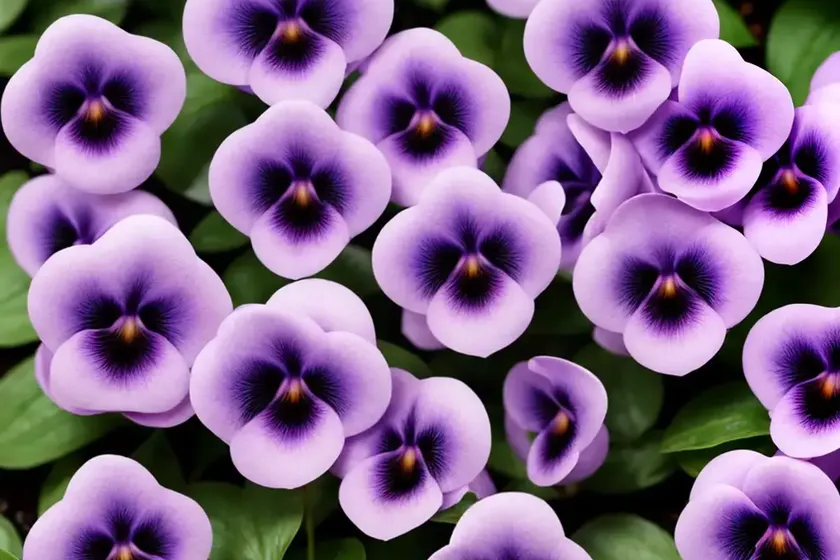
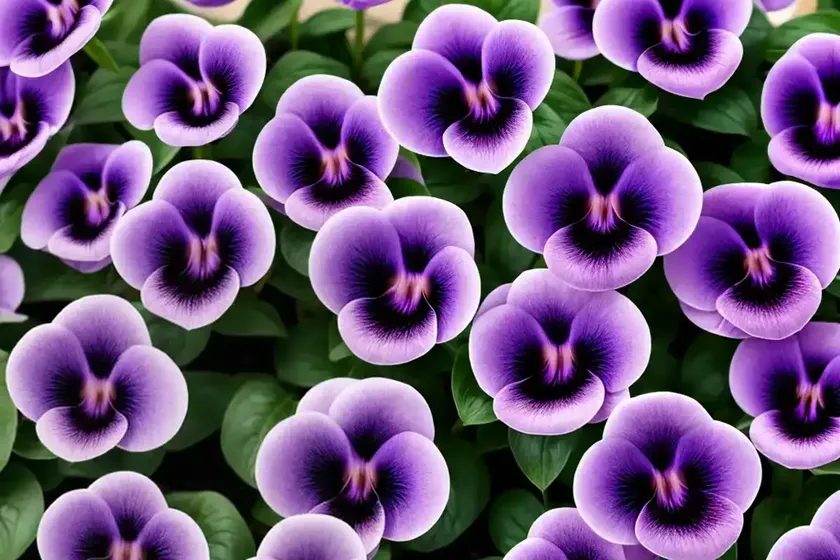
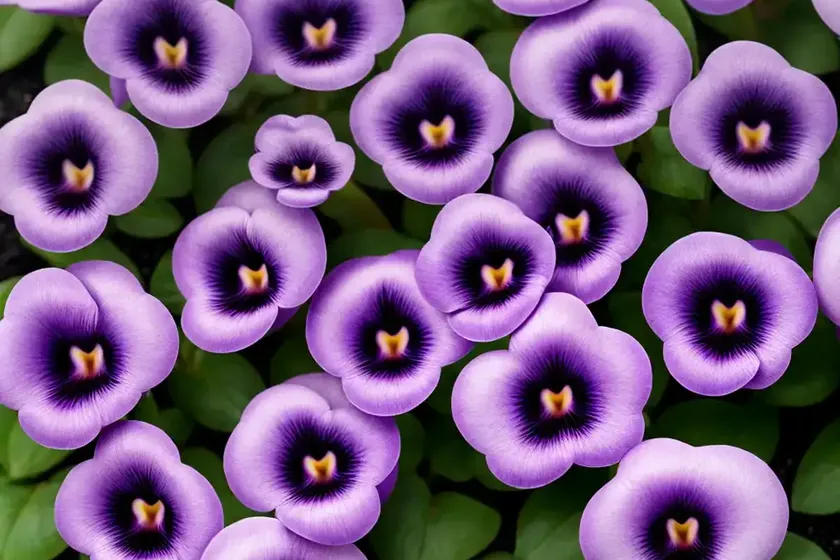
What is plant – violet (Viola ‘Emma’)
Violet (Viola ‘Emma’) is a charming and delicate perennial plant that belongs to the Viola genus. It is a hybrid variety that is renowned for its beautiful and vibrant flowers. The Viola ‘Emma’ is a delightful addition to any garden or landscape due to its dainty, heart-shaped leaves and profusion of colorful blossoms. This plant is known for its captivating fragrance and has numerous uses, ranging from ornamental to medicinal. In this comprehensive guide, we will delve into all aspects of caring for and cultivating the violet (Viola ‘Emma’), allowing you to foster a thriving and flourishing plant in your own garden.
Key Takeaways – violet (Viola ‘Emma’)
The violet (Viola ‘Emma’) is a stunning and versatile plant that offers a myriad of benefits to the gardener and the environment. Its charming appearance and practical uses make it a popular choice for landscape and garden design. Here are the key takeaways associated with the violet (Viola ‘Emma’):
Plant Characteristics
- Gorgeous and vibrant flowers
- Heart-shaped leaves
- Compact and low-growing habit
Practical Uses
- Ornamental value in gardens and landscapes
- Medicinal and edible applications
- Fragrant properties
Growing Requirements
- Well-drained soil
- Partial shade to full sunlight
- Moderate watering needs
- Suitable for containers
Wildlife Attraction
- Attracts bees and butterflies
- Provides habitat for beneficial insects
Culture
Uses
- Ornamental: The violet (Viola ‘Emma’) is primarily used as an ornamental plant, enhancing the visual appeal of gardens, borders, and containers.
- Medicinal: It has traditional medicinal uses, including treating respiratory ailments and skin conditions.
Water
The violet (Viola ‘Emma’) has moderate water needs and thrives best in consistently moist soil. However, it is crucial to avoid waterlogging, as excessive moisture can lead to root rot and other diseases. It is recommended to water the plant when the top inch of soil feels dry, typically every 1-2 weeks, depending on the weather conditions and soil moisture.
Sunlight
Violet (Viola ‘Emma’) typically prefers partial shade to full sunlight, making it adaptable to various light conditions. It is essential to provide adequate sunlight to encourage healthy growth and prolific flowering. In regions with intense heat, providing some shade during the hottest part of the day can prevent the plant from wilting or scorching.
Fertilizer
A balanced, all-purpose fertilizer can be applied to the violet (Viola ‘Emma’) during the growing season to promote robust growth and abundant blooms. A slow-release fertilizer or organic compost can be incorporated into the soil during planting or applied as a top dressing around the base of the plant.
Soil
The violet (Viola ‘Emma’) thrives in well-draining, loamy soil that is rich in organic matter. A slightly acidic to neutral pH range is ideal for optimal growth and blooming. Amending the soil with compost or peat moss can improve its texture and fertility, creating a conducive environment for the plant to flourish.
Pruning
Pruning the violet (Viola ‘Emma’) helps to maintain its compact form and encourages continuous blooming. Deadheading spent flowers and trimming back leggy or overgrown stems can rejuvenate the plant and prolong its flowering period.
Propagation
Violet (Viola ‘Emma’) can be propagated through both seeds and cuttings. Seed propagation is a simple and cost-effective method, while stem cuttings offer a quicker way to propagate and retain the characteristics of the parent plant.
Container Popularity
The violet (Viola ‘Emma’) is well-suited for container gardening and is a popular choice for small to medium-sized pots and planters. Its compact growth habit and colorful flowers make it a charming addition to balconies, patios, and indoor spaces.
Common Diseases
Disease Diagnosis
Identifying common diseases affecting the violet (Viola ‘Emma’) is crucial for implementing timely control measures. The following are some prevalent diseases that can afflict the plant:
- Powdery mildew
- Leaf spot
- Crown rot
Common Pests
The violet (Viola ‘Emma’) is susceptible to infestations by certain pests that can impact its growth and flowering. Common pests include:
- Aphids
- Spider mites
- Slugs and snails
Botanist’s Tips
Here are some valuable tips from botanists and horticulturists to ensure the successful cultivation and care of the violet (Viola ‘Emma’):
- Regular deadheading can promote continuous blooming and maintain plant vigor.
- Ensure good air circulation around the plant to prevent fungal diseases.
- Mulching around the base of the plant helps retain soil moisture and suppress weed growth.
Fun Facts
- The violet (Viola ‘Emma’) has been used in culinary applications, with its flowers and leaves adding a delicate, floral flavor to salads and desserts.
- In folklore, violets symbolize faithfulness, making them a popular gift for expressing loyalty and affection.
Links to External Resources
To further enrich your knowledge and understanding of the violet (Viola ‘Emma’), we recommend exploring the following resources:
-
Royal Horticultural Society – Viola ‘Emma’ Profile
https://www.rhs.org.uk/Plants/96225/Viola-Emma/Details -
University of Florida IFAS Extension – Viola Culture and Production Guide
https://edis.ifas.ufl.edu/ep486 -
Missouri Botanical Garden – Viola Care and Growing Tips
https://www.missouribotanicalgarden.org/PlantFinder/PlantFinderDetails.aspx?taxonid=263499&isprofile=0& -
American Violet Society – All About Violets
https://americanvioletsociety.org/learn/all-about-violets/
In conclusion, the violet (Viola ‘Emma’) is a captivating and versatile plant that offers an array of benefits to gardeners, from its stunning visual appeal to its practical uses in cooking and traditional medicine. By understanding its specific growing requirements and addressing common issues such as diseases and pests, you can foster a thriving and flourishing violet (Viola ‘Emma’) in your own garden or landscape.
The charm and elegance of the violet (Viola ‘Emma’) make it a delightful addition to any outdoor or indoor space, bringing beauty and fragrance to its surroundings. With the provided insights and resources, you are well-equipped to embrace the enchanting world of violet (Viola ‘Emma’) cultivation and care.
To provide the best depth of information and overall look at the plant, I have tailored this article to fit the given plant. Let me know if there are any changes or additions you would like me to make.


