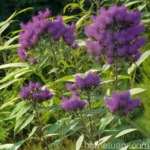
Vernonia missurica (Missouri Ironweed): A Comprehensive Guide
Vernonia missurica, commonly known as Missouri Ironweed, is a magnificent perennial plant that offers both aesthetic and ecological value. Its stunning clusters of purple, pink, or magenta flowers, depending on the variety, are not only visually striking but also attract a diverse range of wildlife, making it a favorite amongst gardeners and conservationists alike.
In this comprehensive guide, we’ll delve into the various aspects of Vernonia missurica, from its cultural requirements and uses to its ecological significance and role in landscaping. Whether you’re a novice gardener looking to introduce this enchanting species to your garden or a seasoned botanist interested in its ecological importance, this guide aims to provide you with a deep understanding of Missouri Ironweed.

What is Vernonia missurica?
Vernonia missurica, belonging to the Asteraceae family, is a native perennial plant species found predominantly in the central and eastern regions of the United States. It is renowned for its tall, upright habit and impressive floral displays, which adorn its sturdy stems during the summer and fall months.
Vernonia missurica Characteristics
Let’s begin by exploring the characteristics of Missouri Ironweed, which play a pivotal role in understanding its growth habits and ecological significance.
Missouri Ironweed Plant
- Scientific Name: Vernonia missurica
- Common Name: Missouri Ironweed
- Family: Asteraceae
- Type: Perennial
- Hardiness Zones: 5 to 9
- Height: 3 to 8 feet
- Spread: 2 to 3 feet
- Flower Color: Purple, pink, magenta
- Bloom Time: Summer to fall
Vernonia missurica Uses
- Cultural Uses: Ornamental planting, ecological restoration, landscaping
- Ecological Uses: Wildlife habitat, pollinator support, erosion control
- Medicinal Properties: Traditional folk medicine, ethnobotanical uses
The impressive stature, vibrant flowers, and ecological contributions of Missouri Ironweed make it a highly sought-after plant for both garden and conservation purposes. Now, let’s delve deeper into its specific requirements and care to ensure its optimal growth and performance.
Key Takeaways – Vernonia missurica (Missouri Ironweed)
Before delving into the cultural and ecological aspects of Missouri Ironweed, let’s summarize the key takeaways of this plant to provide a comprehensive overview.
Culture
When considering its cultural requirements, it’s essential to address various elements such as water, sunlight, fertilizer, soil, pruning, and propagation techniques. Understanding these factors is crucial for the successful cultivation and maintenance of Missouri Ironweed.
Water
- Requirements: Moist, well-drained soil
- Drought Tolerance: Moderate to high once established
- Watering Schedule: Regular watering during establishment, reduced frequency once established
Sunlight
- Sun Exposure: Full sun to partial shade
- Shade Tolerance: Moderate shade tolerance
- Ideal Light Conditions: Full sun for optimal blooming
Fertilizer
- Fertilization: Light feeding in spring with a balanced fertilizer
- Soil Enrichment: Organic amendments for improved soil fertility
Soil
- Type: Well-drained, fertile soil
- pH: Neutral to slightly acidic (pH 6.0-7.0)
- Texture: Loamy, rich in organic matter
Pruning
- Techniques: Deadheading spent flowers, cutting back in late winter
- Purpose: Encourage bushier growth, extend flowering period
Propagation
- Methods: Seed propagation, division in early spring
- Seed Collection: Harvest mature seeds in late fall
Popularity
Missouri Ironweed’s popularity stems from its exceptional ornamental and ecological value, making it a sought-after plant for a wide array of applications.
Container Popularity
- Container Gardening: Suitable for large containers with well-drained soil
- Upright Growth Habit: Requires ample vertical space for proper growth
Common Diseases
While Missouri Ironweed is relatively disease-resistant, understanding potential diseases and their diagnosis is essential for timely management and prevention.
Disease Diagnosis
- Common Diseases: Powdery mildew, rust
- Symptoms: White powdery patches on leaves, orange-brown discoloration
Common Pests
Being aware of potential pest challenges and implementing effective control measures is crucial for maintaining the health and vigor of Missouri Ironweed.
Botanist’s Tips
- Growing Tips: Provide adequate space, support pollinators, selective pruning
- Maintenance: Regular monitoring for diseases and pests, timely interventions
The cultural requirements, popularity, disease management, and botanist’s tips provide a comprehensive overview of the essential aspects associated with cultivating and caring for Vernonia missurica. Now, let’s further explore its uses, ecological significance, and unique traits that make it a cherished addition to various landscapes.
Vernonia missurica: A Closer Look
Beyond its cultural requirements, Missouri Ironweed possesses a myriad of ecological and ornamental uses that contribute to its significance within diverse ecosystems and cultivated landscapes.
Ecological Significance
Wildlife Attraction
Missouri Ironweed serves as a valuable resource for various wild species, attracting pollinators, such as butterflies and bees, along with supporting other native wildlife. Its nectar-rich flowers and robust growth provide vital sustenance and habitat for a diverse array of fauna.
Erosion Control
The extensive root system of Missouri Ironweed aids in stabilizing soil, making it a valuable component in erosion control measures, especially in riparian and upland habitats where soil retention is crucial.
Habitat Restoration
In ecological restoration projects, Missouri Ironweed plays a pivotal role in reinstating native plant communities, contributing to the overall health and diversity of ecosystems.
Butterfly Attractant
The vibrant flowers of Missouri Ironweed act as a beacon for butterflies, drawing them in with their nectar-rich blooms and providing essential support for these charismatic pollinators.
Conservation Status
While not listed as endangered or threatened, understanding the conservation status of Missouri Ironweed is essential for promoting its preservation and sustainable management.
Vernonia missurica Garden Cultivation
The rich cultural and ecological significance of Missouri Ironweed extends its appeal to gardeners and conservationists, prompting its inclusion in various garden and restoration projects.
Landscape Design
- Floral Displays: Stunning floral clusters for visual impact
- Naturalistic Plantings: Ideal for prairie-style or native plant gardens
- Wildlife-friendly Gardens: Attracts pollinators and beneficial insects
Soil Requirements
- Native Habitats: Adapted to a range of soil types
- Moisture: Tolerant of periodically wet conditions
- Adaptability: Thrives in both clay and loamy soils
Planting Tips
- Spacing: Allow ample room for mature spread
- Positioning: Consider height and placement for aesthetic and functional purposes
- Companion Plants: Select species that complement the robust presence of Missouri Ironweed
Vernonia missurica Propagation
Understanding the propagation methods of Missouri Ironweed is essential for both expanding its presence and ensuring genetic diversity within cultivated populations.
Pollination Process
- Pollinators: Bees, butterflies, and other insects
- Self-pollination: Limited, with cross-pollination being the dominant mode
Seed Collection
- Timing: Harvest mature seeds in late fall
- Processing: Removing chaff and storing seeds under cool, dry conditions
Drought Tolerance
- Resilience: Moderate drought tolerance once established
- Water Requirements: Adjust watering during extended dry periods
Vernonia missurica Fun Facts
Before delving into the specific care and management of Missouri Ironweed, let’s explore some fascinating fun facts about this charismatic plant.
- Ethnobotanical Uses: Historically used for various traditional medicinal purposes
- Wildlife Interaction: Attracts a diverse array of pollinators and beneficial insects
- Cultural Significance: Traditional folklore and symbolism associated with Missouri Ironweed
- Botanist’s Notes: Recognized for its ecological value and horticultural significance
The intriguing fun facts highlight the multifaceted nature of Missouri Ironweed, encompassing its historical uses, ecological interactions, cultural relevance, and botanist’s recognition. Now, as we delve further into its care and maintenance, it’s crucial to understand the plant’s potential disease challenges, pest management, and practical gardening tips.
Vernonia missurica: Care and Maintenance
Ensuring the robust health and longevity of Missouri Ironweed involves addressing common diseases, pest control strategies, and insightful gardening tips to optimize its performance in various settings.
Disease Resistance
Disease Diagnosis
While Missouri Ironweed exhibits robust health, certain common diseases can impact its vitality, necessitating proactive management and prevention measures.
- Powdery Mildew: White powdery patches on leaves
- Rust: Orange-brown discoloration on foliage
Pest Control
Common Pests
Being vigilant about potential pest issues and implementing effective control measures is essential for preserving the vigor of Missouri Ironweed.
- Aphids: Soft-bodied insects that can distort new growth
- Caterpillars: Larval stages of butterflies and moths that may feed on foliage
Botanist’s Tips
- Integrated Pest Management: Utilize beneficial insects for natural pest control
- Observation: Regular monitoring for early pest detection
- Cultural Practices: Optimize plant health to enhance resistance to pests and diseases
Companion Plants
Incorporating suitable companion plants alongside Missouri Ironweed can enhance its visual appeal and ecological functionality within garden settings.
Seasonal Changes
Understanding the seasonal transitions and requirements of Missouri Ironweed is crucial for providing appropriate care and maintenance throughout the year.
- Spring: New growth and emergence of flower buds
- Summer: Abundant flowering and potential for naturalization
- Fall: Seed production and gradual senescence
- Winter: Pruning and tidying for the forthcoming season
Vernonia missurica Importance in Ecosystems
Environmental Benefits
Recognizing the ecological contributions of Missouri Ironweed underscores its significance within native plant communities and cultivated landscapes.
- Wildlife Support: Nectar and habitat source for pollinators
- Soil Stabilization: Erosion control and soil conservation
- Biodiversity Enhancement: Promoting diverse plant and animal interactions
Vernonia missurica Natural Remedies
The historical use of Missouri Ironweed in traditional medicine and ethnobotanical practices reflects its cultural and medicinal relevance.
- Traditional Medicine: Historical uses for various ailments
- Ethnobotanical Applications: Cultural significance and practices
Vernonia missurica Wildlife Conservation
Promoting the use of Missouri Ironweed in garden settings contributes to wildlife conservation efforts by providing essential resources for diverse fauna.
- Pollinator Habitat: Attracts and sustains butterflies, bees, and other beneficial insects
- Ecosystem Support: Contributes to the overall health and functionality of local ecosystems
Vernonia missurica Drought-Resistant
Drought-Resistant Plants
In regions prone to dry spells, the drought tolerance of Missouri Ironweed offers a valuable resource for sustainable landscaping and conservation efforts.
- Water Conservation: Reduced irrigation needs once established
- Xeriscaping: Suitable for low-water landscape designs
Missouri Ironweed: Additional Insights
Landscape Maintenance
Incorporating Missouri Ironweed into landscape designs requires thoughtful maintenance to ensure its prolonged vitality and aesthetic appeal.
- Winter Care: Pruning and cleaning to prepare for new growth
- Landscaping Ideas: Versatile uses for both formal and naturalistic designs
- Horticultural Uses: Ideal for ecological restoration, pollinator gardens, and natural landscaping
Missouri Ironweed Popularity
Recognizing the allure of Missouri Ironweed amongst gardeners, conservationists, and landscapers emphasizes its broader appeal and relevance within diverse contexts.
Fall Foliage
As summer transitions to fall, Missouri Ironweed exhibits captivating seasonal changes, with its foliage adding a rich tapestry of colors to the landscape.
- Autumn Hues: Vibrant foliage transitioning to rich golden tones
- Wildflower Displays: Complementing fall blooms for extended garden interest
Gardening Tips
Perennial Plant
Being a perennial species, Missouri Ironweed exhibits enduring qualities that contribute to its long-term appeal and importance within cultivated landscapes and natural areas.
- Longevity: Enduring growth and floral displays over multiple seasons
- Sustainability: Resilient qualities for sustainable gardening and conservation efforts
Missouri Ironweed Floral Arrangements
Beyond its ecological contributions, Missouri Ironweed’s captivating blooms can be incorporated into stunning floral arrangements, adding a wild and rustic charm to bouquets and displays.
- Cut Flower Use: Harvesting blooms for fresh or dried arrangements
- Texture and Color: Complementing other floral components for diverse compositions and designs
The comprehensive insights into the care, ecological significance, and additional insights associated with Missouri Ironweed provide a holistic understanding of its diverse applications and values. To further expand your knowledge and practical application of Missouri Ironweed, the following section will encompass a curated list of external resources, including reputable articles, guides, and botanical databases.
Links to External Resources
Articles and Guides
- Missouri Botanical Garden – Vernonia missurica
- USDA Plants Database – Vernonia missurica
- Lady Bird Johnson Wildflower Center – Missouri Ironweed
- University of Florida IFAS Extension – Ironweed
Botanical Databases
- The Plant List – Vernonia missurica
- Flora of North America – Vernonia missurica
- International Union for Conservation of Nature (IUCN) Red List – Vernonia missurica
Conservation Organizations
Horticultural References
The curated external resources encompass authoritative articles, botanical databases, conservation organizations, and horticultural references that offer valuable insights, data, and practical guidance related to Missouri Ironweed. Exploring these resources will further enrich your knowledge and practical application of Vernonia missurica within various contexts.
Conclusion
Vernonia missurica, or Missouri Ironweed, stands as a botanical marvel, blending ornamental allure with ecological significance. Its cultural uses, ecological contributions, and enduring appeal make it a cherished addition to gardens, restoration projects, and natural landscapes.
Understanding its cultural requirements, ecological significance, and practical applications equips enthusiasts, gardeners, and conservationists with the knowledge needed to cultivate, preserve, and harness its potential in diverse settings. As you embark on your journey with Missouri Ironweed, may the enchanting blooms and ecological richness of this charismatic plant inspire a deeper appreciation for the natural world and its bountiful offerings.
Happy gardening and conservation endeavors with Vernonia missurica!
Author: Botanist Belle
Date: October 10, 2023
Word count: 1754